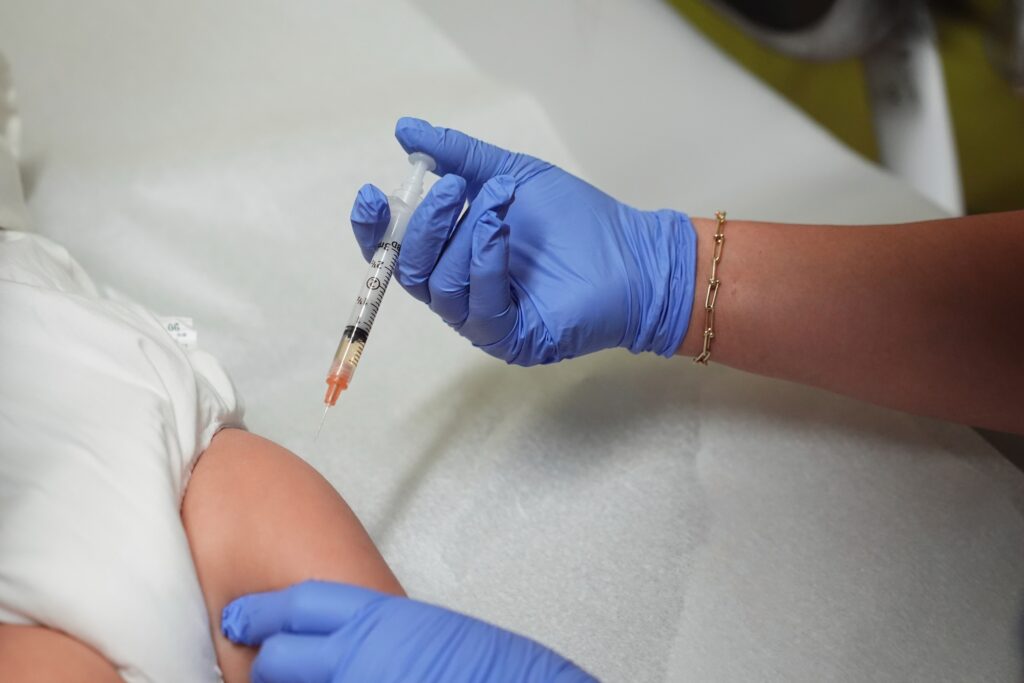
More than 250 people in South Carolina have been placed under quarantine due to their exposure to the state’s largest measles outbreak in decades. Some parents of newborns, who must wait until their first birthday to receive the vaccine, are hunkering down as if they’re back in the darkest days of the covid-19 pandemic. Pediatricians, fearful that holiday travel will cause another spike in infections, are beginning to treat children suspected of having the highly contagious virus in parking lots.
This is just a taste of what’s coming to many communities should the U.S. continue on the reckless path being charted by anti-vaccine activists and led by Health and Human Services Secretary Robert F. Kennedy Jr.
The number of U.S. measles cases in 2025 has surpassed 2,000, the highest number since 1992. January will likely mark the 12th consecutive month of continued transmission, meaning the U.S. will lose its official status of having eliminated the disease, which it attained in 2000.
Those who haven’t been affected might be tempted to dismiss such grim milestones. After all, even in hard hit states, the cases number in the hundreds and have been mostly isolated to rural communities.
But outbreaks almost certainly will become more frequent and more intense in the coming years, given that vaccination rates have fallen below the levels needed to maintain herd immunity across much of the country.
And it’s not just measles: Whooping cough and chicken pox, two other vaccine-preventable disease, have also been surging — including in the same parts of the Palmetto State where measles is spreading. Add in a bad flu season, as is the case this winter, and you have a perfect storm that could overwhelm local health systems.
Canada, too, is experiencing a measles resurgence. Anti-vaccine sentiments have surged among populist parties across Europe. Covid supercharged the trend, but conspiracy theories had already spread through the fever swamps of social media. Combating these attitudes is harder for doctors when top officials in government, including the president himself, spread false information about the supposed harms of immunizations and demand changes to the childhood vaccine schedule.
Kennedy pulled back plans on Dec. 19 to publicly push the U.S. to adopt Denmark’s schedule, which recommends fewer vaccines for kids. Such a change makes no sense: Denmark has a smaller population than Atlanta’s metro area, and preventive services for some illnesses, such as screening for hepatitis B, are near universally available. Yet many of the administration’s top health officials clearly want to take this evidence-free leap.
Meanwhile, Kennedy’s vaccine advisers at the Centers for Disease Control and Prevention have announced their intention to target aluminum salts in vaccines. The additive, which an HHS spokesperson recently described as a “contaminant,” have been used for decades to boost the body’s immune response to shots. Research — including a recent large study — consistently finds no evidence the ingredient is dangerous.
These nuances, unfortunately, are lost upon those who are ideologically driven to reduce the number of shots given to children. Until that changes, expect more horror stories like those from South Carolina.
The post South Carolina serves up another taste of RFK Jr.’s America appeared first on Washington Post.