Minnesota’s Somali fraud saga finally pierced the national consciousness this week after conservative YouTuber Nick Shirley released a video purporting to show day care centers receiving public funds without taking care of children, including one with a sign identifying it as a “QualityLearing Center.” The facilities deny wrongdoing, and state officials say they have “questions about some of the methods used in the video” but take fraud “very seriously.”
That spirit of scrupulousness would have been nice a few billion tax dollars ago. Fourteen of the state’s Medicaid programs, which received $18 billion in federal funds since 2018, have been flagged for “significant fraud problems.” Minnesota’s top federal prosecutor says the total fraud could be over $9 billion. Across the country, Medicaid lost an estimated $31 billion this way in fiscal year 2024.
Minnesota Gov. Tim Walz (D) has called for prosecuting the scammers and committed to an outside audit of “high-risk programs.” But why were these welfare programs so at risk of being defrauded in the first place?
As America’s welfare state has ballooned to more than 80 major federal programs, they’ve become a target-rich environment for alleged scam artists like those in Minneapolis. Walz’s boondoggle underlines the need for serious reforms across America. Too bad that too many progressive leaders are lackadaisical at best about cracking down on fraud and errors, lest it curtail social services.
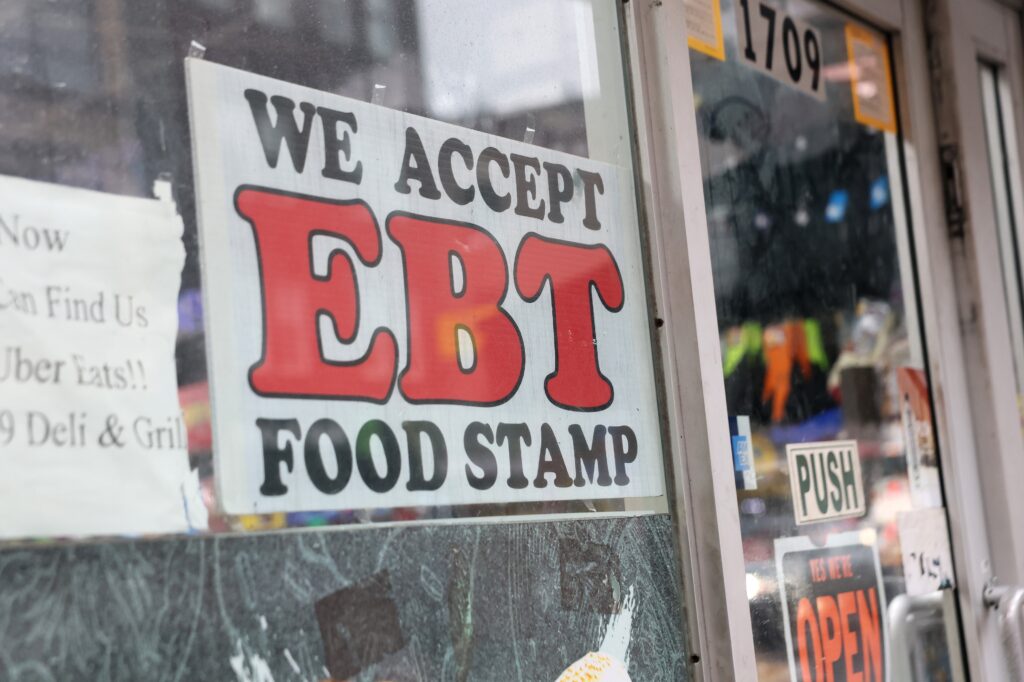
That’s especially true when it comes to open-ended entitlement programs such as the Supplemental Nutrition Assistance Program. Programs like SNAP create “a financial incentive for states really not to be as vigilant as they should in preventing fraud abuse,” according to Matt Weidinger, a senior fellow at the American Enterprise Institute.
In an effort to root out waste and fraud, the Trump administration threatened to cut off SNAP funding from states that won’t share data about the program’s recipients. Over a dozen Democratic states have sued to block the request for sensitive data, which includes immigration status, and it’s still unclear whether the administration can legally cut off the funding. The blue states won a preliminary injunction in October to temporarily block the request.
Massachusetts Gov. Maura Healey (D) says President Donald Trump is “playing politics with the ability of working parents with children, seniors and people with disabilities to get food.”
The truth is that SNAP doesn’t just help the hungry. It had the fourth highest rate of documented fraud across all federal programs from 2018 to 2022, coming in at $10.5 billion. Massachusetts had a 14 percent error rate on SNAP payments in fiscal year 2024 — the seventh highest in the country. Across every state, overpayments represented a larger share of the error rate than underpayments.
The tax bill passed in July requires states with an error rate over 6 percent to pay for up to 15 percent of the costs of benefits come 2028. The Congressional Budget Office estimates that 300,000 people could lose access to food stamps as a result. The left claims Trump wants Americans to go hungry, but if an individual shouldn’t be eligible for food stamps in the first place, where’s the cruelty in making sure benefits go to someone who is?
From Massachusetts to Minnesota, states clearly need to do better jobs of vetting welfare beneficiaries. The Trump administration also has an opportunity to press for meaningful reform. It would be a mistake to squander it by using waste and fraud as an excuse to play politics with draconian entitlement cuts or to use beneficiary data to fuel a mass deportation crusade.
On Tuesday night, the administration cited Shirley’s video, whose findings remain disputed, as a rationale to freeze all child care payments to the state of Minnesota. Fully eliminating that safety net will hurt more than just fraudsters.
The federal government should instead champion reforms that incentivize more responsible spending, such as block grants. By offering a fixed amount of funding, Washington could encourage states to spend more carefully and vet recipients more thoroughly.
Social safety nets crumble when most taxpayers feel like welfare money goes to undeserving people. The purpose of entitlements is not to spend as much as possible. It is to make sure the truly vulnerable get the help they need without becoming dependent on government handouts. Scrutinizing food stamp rolls is a small step in that direction.
The post Scrutinizing food stamp rolls will ensure the truly needy get benefits appeared first on Washington Post.