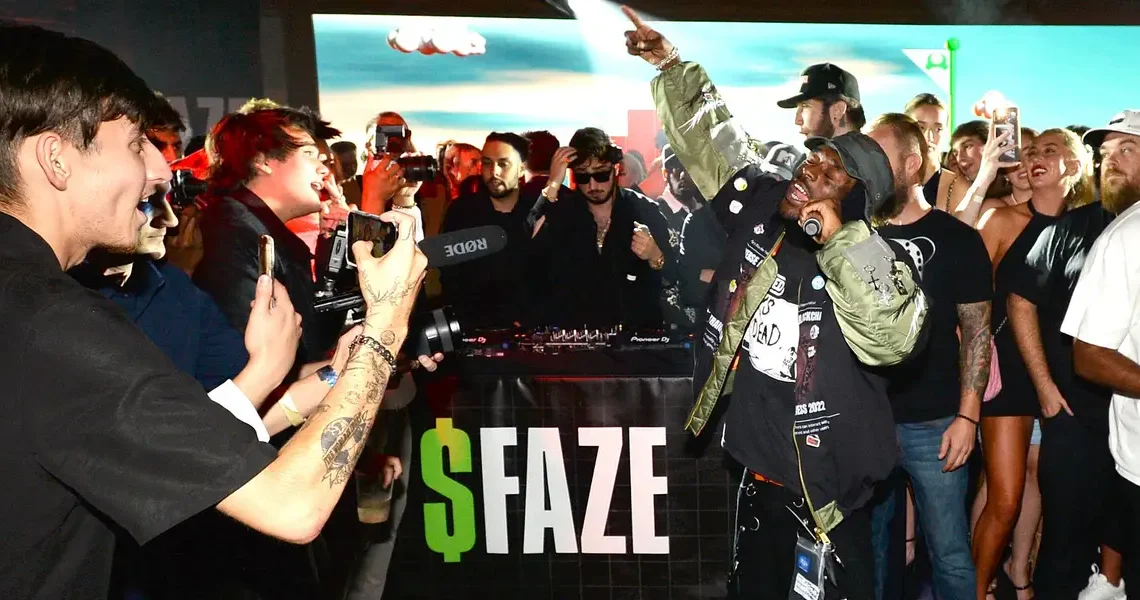
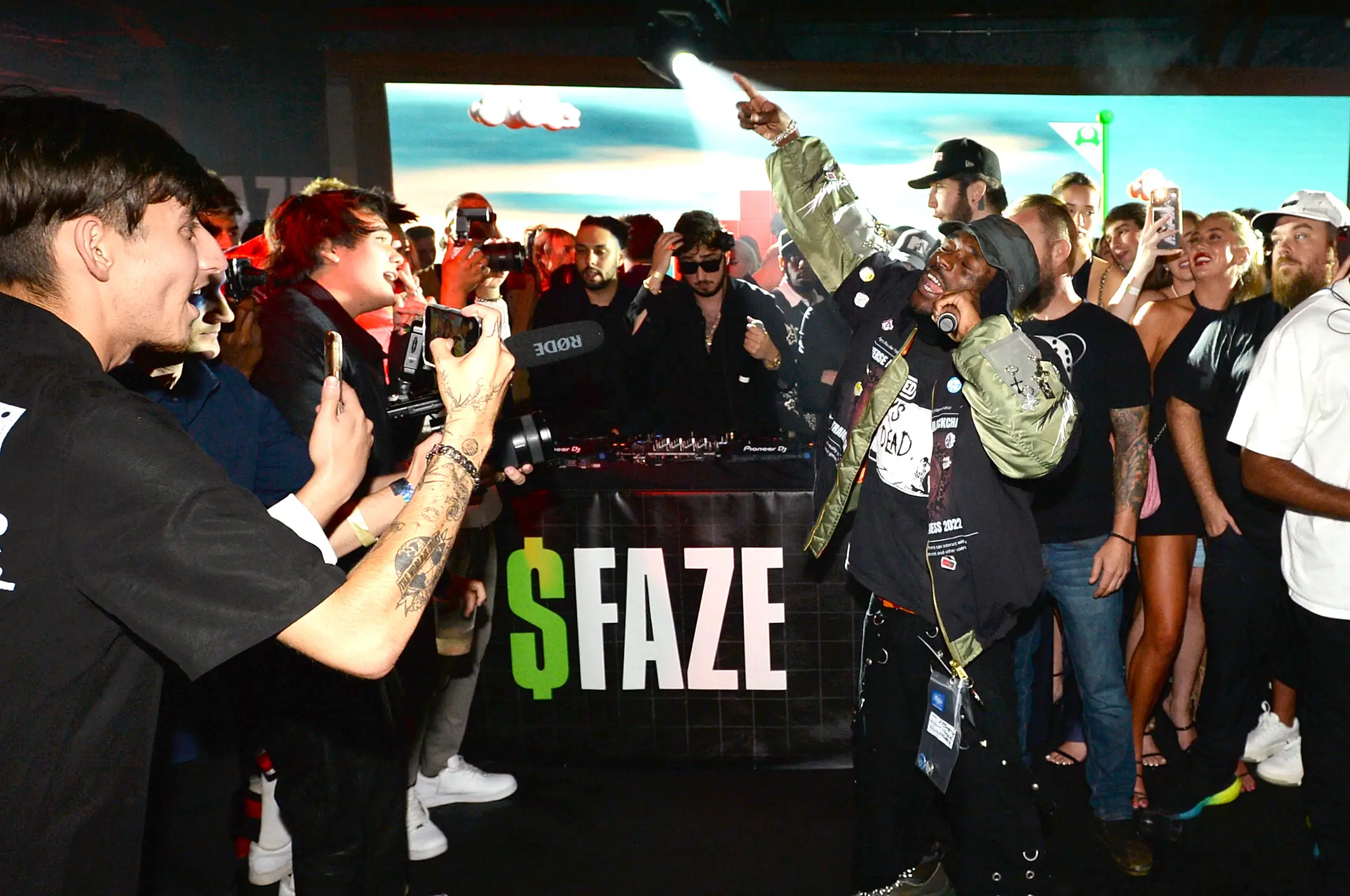
The creator economy gives, and it can also take — suddenly. That’s one lesson behind the abrupt exodus of talent from the esports and marketing company FaZe Clan last week.
Building a business led by an influencer or celebrity can make you a boatload of money. Just ask the teams behind Kim Kardashian’s Skims or George Clooney’s Casamigos tequila, which both crossed $1 billion in value.
But starting a company where the product you’re selling is the influencer — such that you make money primarily from their social-media reach, content, or ability to do brand deals — can be risky.
If a YouTuber or TikTok creator loses popularity due to a scandal or a sudden algorithm change, the revenue dries up. If they become burned out from posting or simply decide they no longer want to work with an intermediary company, then poof!
That’s the situation FaZe Clan appears to have found itself in this week after all six creators its website listed as its talent roster announced they were leaving the company in separate posts on X (formerly Twitter).
Company investor Matt Kalish, who cofounded DraftKings, told Bloomberg that the current financial structure of FaZe Clan is “unsustainable” and he had offered talent the option to go independent or sign deals with his company, HardScope, which they declined.
FaZe Clan acknowledged the departures in its own post on X, writing that “this era of FaZe” had “come to a close.” With its most famous talent gone and their millions of followers in tow, the company is leaning into its esports business that makes money from league participation, player transfer fees, and IP licensing.
Founded in 2010, FaZe Clan started as a group of friends who enjoyed making gaming videos. The group amassed millions of fans and began making revenue through brand deals. FaZe Clan went public in 2022, sharing in investor filings that it pulled in tens of millions of dollars in revenue from brand sponsorships and other advertising tied to its content. Other business lines, such as consumer products or esports, represented a smaller piece of the pie.
FaZe Clan, when it was still reporting its revenue sources as a public company in 2022 and 2023, relied heavily on brand deals and YouTube ads to make money.
FaZe Clan’s stock plummeted in value during its first year trading on the Nasdaq. After cutting about 20% of its staff in early 2023, the company sold itself to gaming and marketing firm GameSquare in March 2024. GameSquare later sold FaZe Clan’s media business in multiple transactions to Kalish and others, while retaining the esports business.
The sudden departure of FaZe’s creators — and its struggle in recent years — highlights a key risk that should keep any creator-economy CEO up at night. Being overly reliant on specific creators or revenue sources can be a ticking time bomb.
The solution: diversify, diversify, diversify.
FaZe Clan, GameSquare, and HardScope did not respond to requests for comment.
Read the original article on Business Insider
The post The unraveling of FaZe Clan spotlights the creator economy’s biggest risk appeared first on Business Insider.