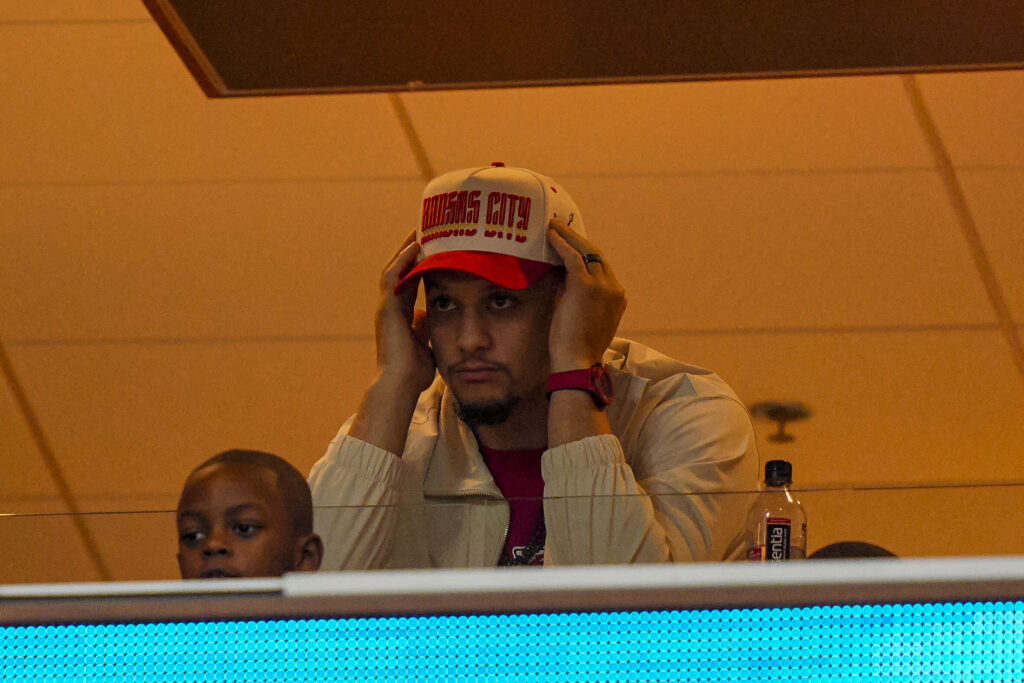
The Kansas City Chiefs won’t make the NFL playoffs for the first time since 2014. Star quarterback Patrick Mahomes is recovering from ACL surgery. Tight end Travis Kelce may play his final game on Sunday. For Chiefs nation, it’s a depressing denouement to the dynasty.
Yet for the team’s wealthy owners, there is still much to celebrate: shortsighted Kansas politicians stand ready to shower the billionaire Hunt family with taxpayer money to replace the Chiefs’ aging stadium.
The franchise is worth $6.2 billion. The Hunts collectively are worth $24.8 billion. The Chiefs don’t need any help from taxpayers to build their stadium, and there’s no danger they’ll leave the Kansas City metro area.
The state of Kansas is set to smash records for public-financed stadium deals, joining D.C. in that ignominious pantheon. The tentative agreement the state has made with the Chiefs directly provides $2.775 billion in public funding. This is likely far below the final price tag, with one estimate putting the total public cost at $6.3 billion over 30 years.
Kansas Gov. Laura Kelly (D) insists that the agreement includes “no new state taxes” and “no impact on the current state budget.” If it’s true that Kansas can give billions of dollars to the Chiefs without raising anyone’s taxes, that raises the question of why Kansas couldn’t spend this magic money on highways or education — or return it to the taxpayers it was taken from.
What Kelly is actually doing is making a variation on the Republican argument that tax cuts pay for themselves. She says that “the state’s share will be funded by revenue generated by the project itself.” In other words, the economic growth will swamp any potential problems. That logic damaged Kansas when Republicans slashed taxes while raising spending in the 2010s, which helped propel Kelly to the governorship of the otherwise red state in 2018.
The Chiefs deal would establish an enormous bond district in eastern Kansas, where sales tax revenue would go to help pay off the bonds to fund the stadium. While the deal doesn’t raise the sales tax rate right now, it creates the conditions to raise it in the future by siphoning off revenue that would be used for other things and sending it to stadium construction.
The growth argument is nonsense because the economic impact from stadiums is mostly an illusion. When people are at the stadium, it’s a happening place with lots of activity. But there are only eight or nine NFL home games per year. Even factoring in concerts or other one-off events, NFL stadiums spend a majority of the year sitting empty, and they serve about as many customers as a supermarket — something no politician would give billions of public dollars to open.
Arrowhead Stadium is on the Missouri side of the border, in Jackson County. Last year, voters there wisely rejected a stadium subsidy deal, with 58 percent of voters opposed to raising their sales tax to pay for new stadiums for the Chiefs and MLB’s Royals.
Kansas politicians sidestepped the voters and crafted their own deal to woo the Chiefs. The Hunts are happy to take government money if it’s on offer. It would be honorable for them to turn it down, but nobody voted for them to act in the public interest. People did vote for the governor and legislature, who could show respect for taxpayers by stopping this deal before its final approval next year.
The post Kansas still has time to reverse course on an awful stadium subsidy appeared first on Washington Post.