
I’ve been skiing and snowboarding my whole life, and I’ve even taught my children how to tackle the slopes.
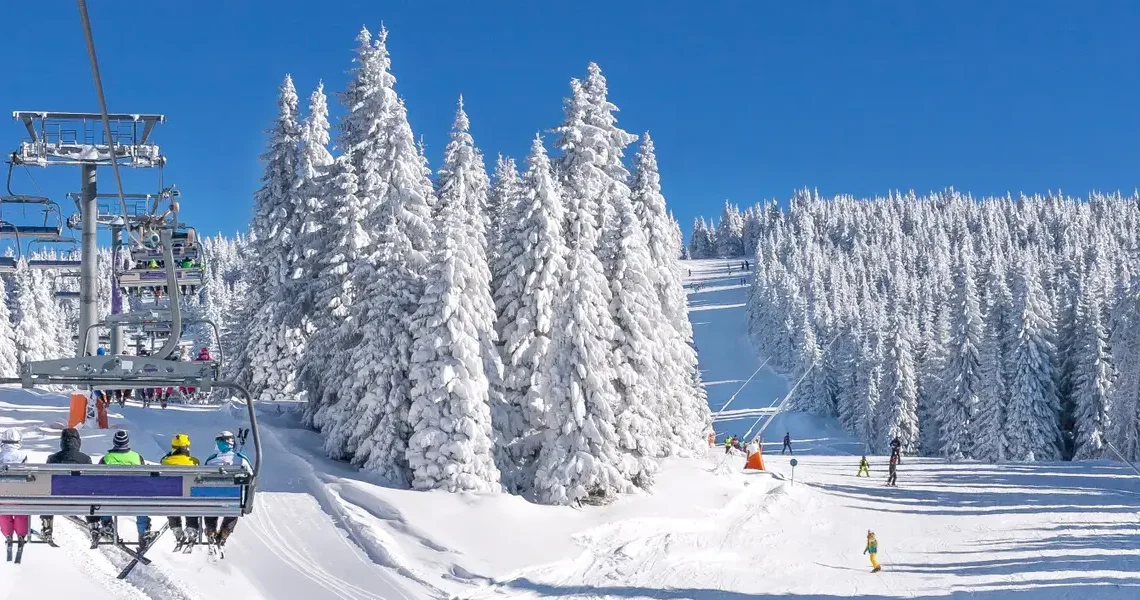
Every so often, while riding the chairlift, I look down upon some out-of-control skier in soaked-through jeans, a snow-flecked sweatshirt, and cotton gloves. A few moments later, they crash into some obstacle and tangle themselves among their skis and poles.
It reminds me that although these sports can be fun winter activities, if you’re not properly dressed or prepared, you’re putting yourself and others at risk.
Whether you’re a beginner or a seasoned pro, here are a few tips for staying safe on the mountain.
Make sure you’re packing the proper equipment
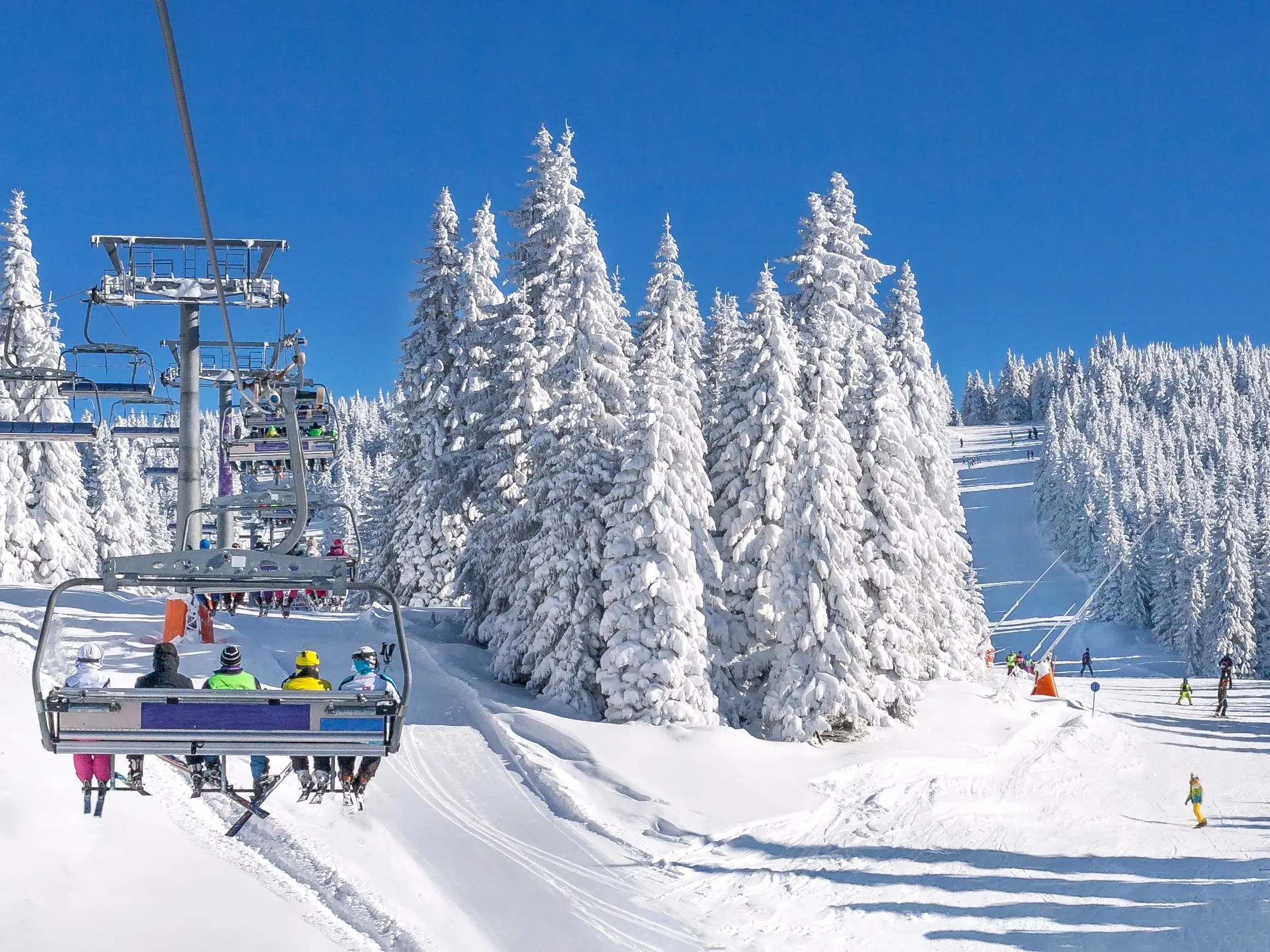
Slope safety begins at home. Before you leave, consider your outfit.
You’ll definitely want waterproof snow pants and a jacket that will keep the wind and rain off of you, but your layers don’t have to be anything fancy.
To start, you may be able to cobble together something warm from what you already own. Try wool sweaters, synthetic running shirts, and that random fleece vest that you own but never wear.
I think it’s pointless for a new skier to drop hundreds of dollars on gear, but there are a few body parts worth investing in (hands, feet, head). If you’re going to spend money on anything, invest in good gloves.
Beyond that, ski socks are priceless in keeping toes warm. A good neck gaiter and a basic pair of goggles can prevent your nose and eyes from dripping icicles, too.
Staying dry is of the utmost importance
When picking out your gear, keep in mind that anything made of cotton has no place on the mountain.
When cotton gets wet — an inevitability for first-time skiers and snowboarders who spend a lot of time on the ground or anyone who’s prone to sweating — the material absorbs the moisture, remains wet, and makes you cold.
Choose synthetic materials or natural fibers like wool that help to wick away water from the body and keep you warm.
The boots you pick can make or break your day on the slopes
Whether you’re renting or investing in your first pair of ski or snowboard boots, know that they should be snug.
The boots are meant to react to your feet’s movements, so they have to be a little tight. However, they shouldn’t be cutting off your circulation.
If they’re uncomfortable in the rental shop, they’re going to feel terrible on the mountain.
Do yourself a favor and make sure they feel as close to perfect as possible before you hit the chairlift. The employees in ski shops should be able to help.
Take it slow — especially if you’re a beginner
Once you arrive at the mountain, don’t look to tackle anything above your level.
If you’re a beginner, head straight for the bunny slopes. There’s no shame in learning to turn, stop, and not kill yourself or someone else on the mountain’s gentlest run.
The fastest way to get off the bunny hill is to take a one-hour lesson to help you acquire the basic skills to become a more competent rider.
After you gain the fundamentals, progress in order. Conquering the bunny hill doesn’t mean you’re ready for black diamonds.
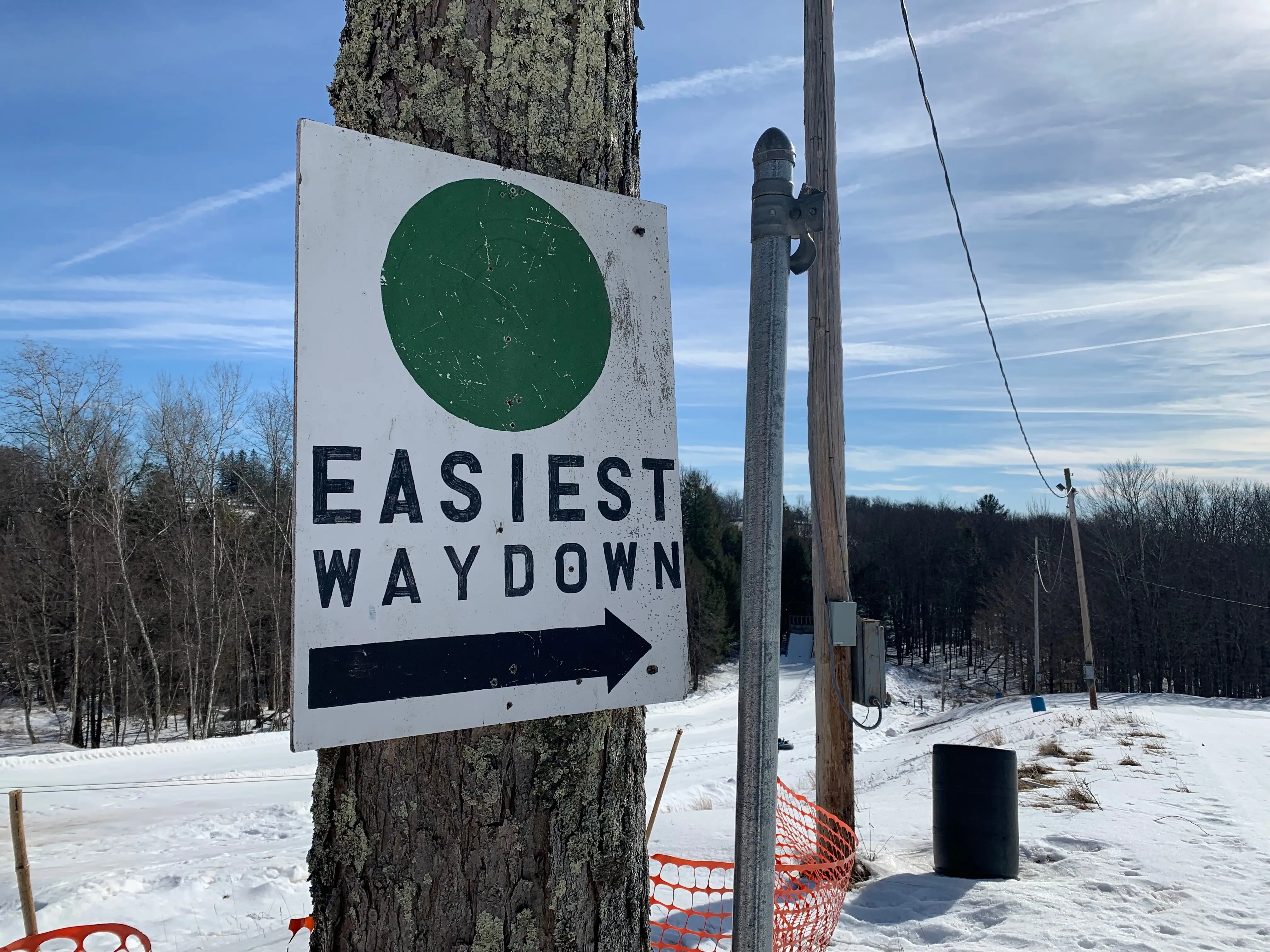
Head to green-circle beginner trails to practice your turns and technique. After getting comfortable with those skills on that terrain, try the blue-square intermediate trails.
Pro tip: Keep in mind that trail markings are not universal from mountain to mountain. A black diamond in the Poconos usually isn’t as difficult as a black diamond in Colorado.
You’re not too cool for a helmet
We’re heading into 2026 and not the aughts — a time when people didn’t seem to truly understand that speed, hard surfaces, and bare skulls made for dangerous combinations on the slopes.
Whether you’re a beginner or a pro, you’ll want a helmet. You can usually rent these if needed.
Learn the ‘basic food groups’ for skiers

Taking an in-person lesson is the best way to really get the hang of skiing, but here are a few tips and stances to get you started.
First-time skiers need to remember two foods: pizza and french fries.
Keep a gentle bend in your knees and shape your skis like a slice of pizza to achieve a more controlled stance, then proceed down the mountain at a reduced speed. Thinner pizza slices make you go faster, and wider ones slow you down.
When you’re ready to go faster, shaping your skis more parallel, like french fries, will send you straight down.
Keep your knees bent when you’re on a board
Snowboarders have fewer food terms to remember, but you’ll want to loosely bend your knees and carve back and forth across the mountain to limit your speed.
The trickiest part of snowboarding is shifting from your heel to your toe to change directions.
My best advice is to start slow, commit to every turn, and look where you want to go (not backward).
This story was originally published on December 3, 2024, and most recently updated on December 30, 2025.
Read the original article on Business Insider
The post I’ve been skiing and snowboarding my whole life. Here are my 7 best tips, whether you’re on the bunny hill or black diamonds. appeared first on Business Insider.