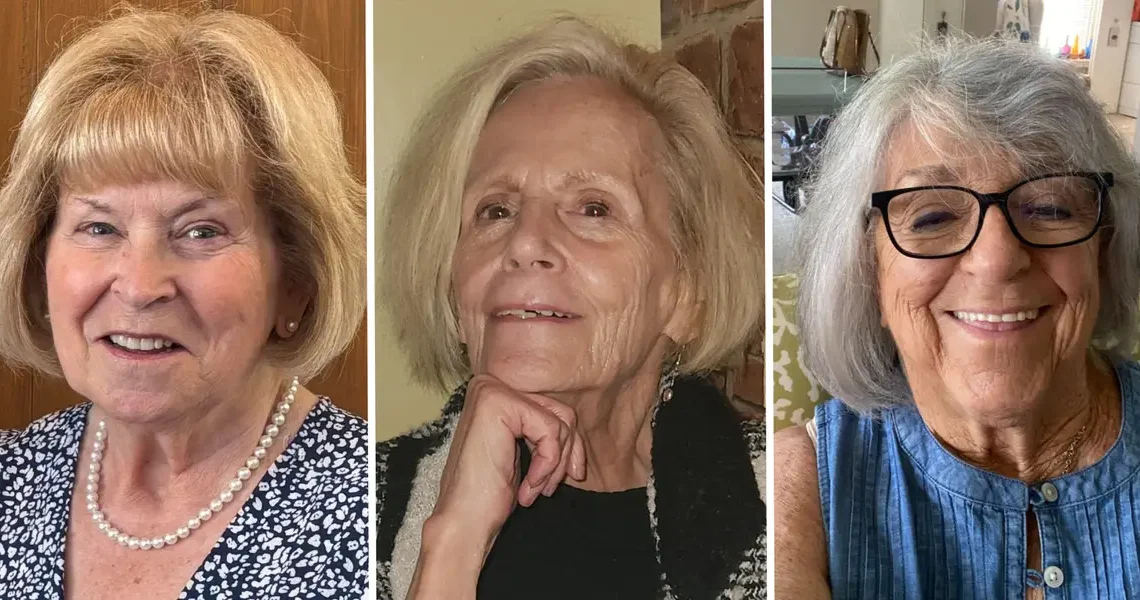

This year, I spoke to nearly 200 Americans 80 and older who still work. Their advice for living into their 80s and 90s often wasn’t going to the gym religiously or maintaining a strict diet.
While most of those still working considered themselves “healthy,” only a handful devoted hours each week to strenuous exercise beyond walking. The secret to a long and healthy life, they said, was mental stimulation, having a strong social network, and finding ways to feel young. While a few said that working was a detriment to their quality of life, most said they felt working may have added a few extra years to their lives, even if they had no choice but to work.
Dozens of researchers on aging and work shared similar thoughts, emphasizing that purpose and drive were the attitudes that kept older workers engaged and thriving. Below are five of the most common tips older Americans had for living fulfilling lives.
Business Insider is wrapping up its “80-over-80” series, which draws on interviews with the growing group of Americans working past their 80th birthdays. They discussed their careers, retirement planning, living expenses, healthcare, and life lessons. If you are an older American and still work, fill out this form to contribute to the series.
Read our capstone story from the series and watch our video.
Feel and act young
Many of America’s oldest workers said that they strive not to look or feel “old” — in the words of 101-year-old author Jack Weber, “Don’t let the old man in.”
Many workers said they would try to cover up their age however they could. Some women said they would try to dress younger or dye their hair, while some men said they would try to stay involved with physical labor at their construction sites or manufacturing facilities. Some expressed hesitation at first in telling me their age in case their coworkers, who thought they were much younger, would see the article.
Some workers said they tried to interact more with their younger colleagues, which helped them feel, in some cases, half their age. A few said they tried to learn the newest slang terms, while others learned AI fundamentals to feel relevant and “hip.” A handful said they felt they could learn much more from colleagues a quarter their age than from their older peers.
Adopting this mindset helped some workers develop longer-term goals, strive to continually improve themselves, and overlook the physical and mental hardships that come with aging.
“I feel much younger than I am,” said Patricia Casey, 80, who works as a librarian and media manager for a high school in Colorado. “For my 80th birthday, I took two girlfriends, and we went to Las Vegas, and I thought, this is going to be great. Then two weeks ago, I took another girlfriend to Cuba for four days. I don’t spend too much money, but I’m able to enjoy things.”
Having a steady routine
Many of the workers I interviewed had retired and then returned to work, and most said they disliked how unproductive their lives felt. Some got up whenever they felt like it, while others would only schedule one or two things in a day and struggle to fill the rest of the hours.
Dozens of workers said they cherished having responsibilities and places to be on a regular basis. Some woke up as early as 4 a.m. to get to work, which didn’t bother them as much as they had expected. Many struggled to find time to fit in an interview with me because of how jam-packed their days were with work, recurring social events, and fitness commitments.
“When you get older, sometimes there’s a tendency to get up, turn on the TV, and stay there,” said Eileen Hartigan, 87, who works as an administrator for a medical school in Virginia. “I needed to get back into the routine of getting up, showering, getting dressed, and getting ready to do something.”
Of course, some workers who had to stay employed for financial reasons wished they could have more flexibility in their day for medical appointments or relaxation. Still, these workers overwhelmingly agreed that having packed days kept them alert and active.
Maintain optimism when times are tough
As substitute teacher David Hugo Barrett, 82, put it, “Aging isn’t something that can be taken lightly.”
While many of these workers aimed for aging to be as fulfilling as possible, nearly all had dealt with a hardship over the past few years, whether it be the loss of a spouse or friend, a major diagnosis, a financial mishap, or a job loss. Many expected the pain to be par for the course.
Every worker had at least something that kept them positive. For some, work was their main motivator, while others felt they had to keep making their families proud. Many refused to have a single regret, opting to focus on the future instead of lingering on the past. Some beat themselves up over financial decisions that made them have to work, but most of them found something in their lives that inspired them to give life their all.
“Some months are good and some months are not so good right now, but I have a lot of things in the queue,” said Marilyn Gettinger, 83, who works as an instructor of supply chain management in New Jersey. “At least until I’m 85, I’m going to work as much as I can.”
Finding purpose in and out of work

The word “purpose” came up in a majority of interviews for my series. Many older workers wanted to contribute meaningfully to their community, regardless of whether they needed the money. Beyond having a reason to get up each morning, many said they strove to see an impact, such as seeing a smile on a client’s face, a new home built, or a positive book review on Amazon.
Some said they had too many life stories and pieces of advice to stay silent. Many have taken on mentorship roles at work, teaching younger generations about topics such as scientific research, business strategies, or driving an 18-wheeler. Others found work in teaching, college admissions, or music education to pass on their skill sets. Another common theme was older workers wanting to help their less fortunate aging peers struggling with financial instability or health challenges.
A surprising number said they’ve seen their friends retire and die within a few months, suspecting they lacked motivation to keep going.
“People tend to look at older people as throwaways instead of tapping them for knowledge and experience, instead replacing them with a younger person,” said Bob Haller, 83, who works as a motor coach operator in Nebraska. “There are some older people that shouldn’t be out operating heavy machinery, but I also think there are a lot of older people who get put out the pasture when they really don’t need to be put out the pasture.”
Maintaining social connections

While many of these workers said they had few friends or family members, nearly all stressed the importance of having at least a small group of people in their lives. Having close contacts allowed many to feel less lonely and more supported, ultimately leading to healthier outcomes, as research consistently shows a correlation between social interactions and cognitive health.
Many found community through their workplaces. Some said they viewed their colleagues as their closest friends, while others valued the intergenerational connections they made with people their grandchildren’s ages. Going to work each day didn’t feel like a chore when they knew the day would be filled with conversation, they said.
Dozens of workers said they put in the work to keep their social lives flourishing. They treated friendships like a job, scheduling weekly golf sessions, tennis games, or poker nights much like a work meeting.
Others fortunate enough to have large families said they looked forward to seeing their grandchildren grow. Some decided to move closer to their children to have the social network they desired after the loss of a spouse.
“I have made so many friends through the years and seen a lot of 69 years, though I’ve seen a lot of my friends pass on,” said Bill Smith, 86, who owns a café in Texas.
Read the original article on Business Insider
The post I spent a year interviewing America’s oldest workers. Here are their 5 tips for staying healthy and active. appeared first on Business Insider.