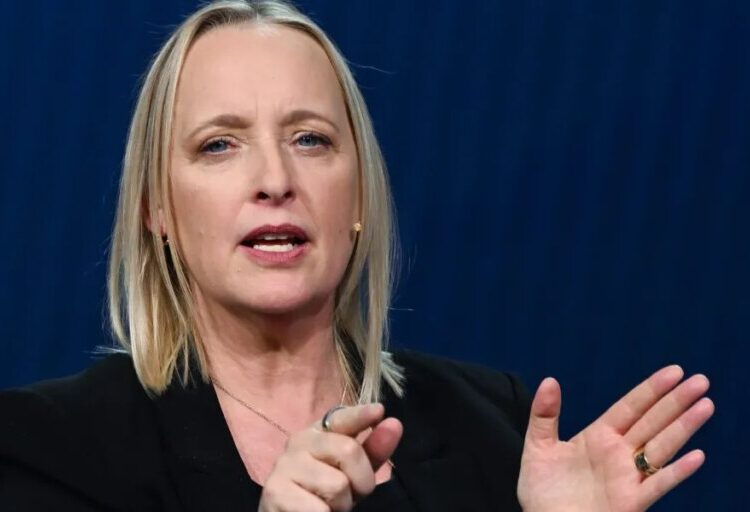
A federal judge in Boston on Tuesday blocked the Trump administration from ending temporary deportation protections for migrants from South Sudan, a move to halt any deportations that came a week before the migrants’ status was set to expire.
The decision, by Judge Angel Kelley, temporarily preserved deportation protections for about 230 South Sudanese nationals approved to live and work in the United States through Temporary Protected Status, a program that shields people from deportation to countries in crisis.
In a four-page opinion, Judge Kelley, a Biden appointee, blocked any deportations pending further court order, as litigation over the issue continues. She also cited “serious, long-term consequences, including the risk of deadly harm” facing the migrants should they be expelled. Absent the court’s intervention, the protection for the South Sudanese migrants had been set to expire Jan. 6.
The Homeland Security Department did not immediately respond to a request for comment.
In 2011, the Obama administration extended the protection to South Sudanese nationals living in the United States, declaring the designation necessary because of armed conflict in the East African country. The program was extended repeatedly in the years since.
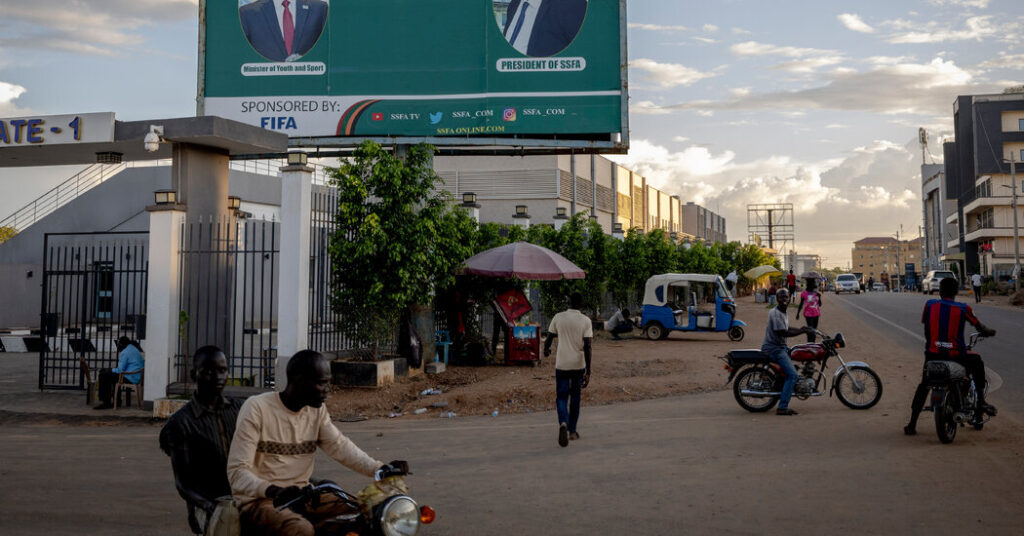
A peace agreement in 2018 brought a tenuous end to a yearslong civil war in South Sudan that had been fueled by ethnic conflict, but the country continued to be gripped violence, unrest and kidnappings. The U.S. State Department lists South Sudan at its highest risk level for travel and urges Americans not to visit.
In November, the Trump administration moved to withdraw the protections for migrants from the country. In a public notice, the Homeland Security Department attributed the decision to improvements in “South Sudan’s civil safety outlook” and in the country’s diplomatic relationship with the United States.
Still, the decision came as the United Nations warned of intensifying armed clashes in South Sudan and deepening food insecurity in the country, which is home to about 11 million people. Under T.P.S., foreign nationals are allowed to stay in the United States for set time periods when a crisis makes returning to their home countries unsafe. But for some migrants, T.P.S. has become an all-but permanent status because extreme upheaval has continued in their home countries and the United States has repeatedly extended the program.
Four South Sudanese migrants holding protected status, joined by a New York-based immigration rights’ group, African Communities Together, sued the Trump administration a week ago in a bid to preserve the program. Some 70 South Sudanese migrants have pending applications for the status, according to the complaint.
The lawsuit argues that armed conflict remains a grave threat in South Sudan and that the country is on the brink of falling back into civil war. The termination of the program would provide South Sudanese immigrants with an “impossible choice,” the complaint said: Remain in the United States at risk of deportation, search for another country to flee to, or return to a home nation where “their lives would assuredly” be in peril.
As part of its mass deportation campaign, the Trump administration has moved to revoke special protections afforded to migrants from some of the most unstable and desperate places in the world — including Afghanistan, Haiti, Nicaragua and Venezuela, among others — often setting off court battles. In October, the Supreme Court cleared the way for the government to end T.P.S. for more than 300,000 people from Venezuela after a monthslong legal battle.
In her order on Tuesday, Judge Kelley said the South Sudan case raised complex legal questions, involved national interests and carried grave consequences for the plaintiffs. “These significant and far-reaching consequences not only deserve, but require, a full and careful consideration of the merits by the court,” she wrote.
The post Federal Judge Blocks Deportations of South Sudanese Migrants appeared first on New York Times.