
Some tech leaders and AI researchers have predicted that AI will hollow out white-collar jobs.
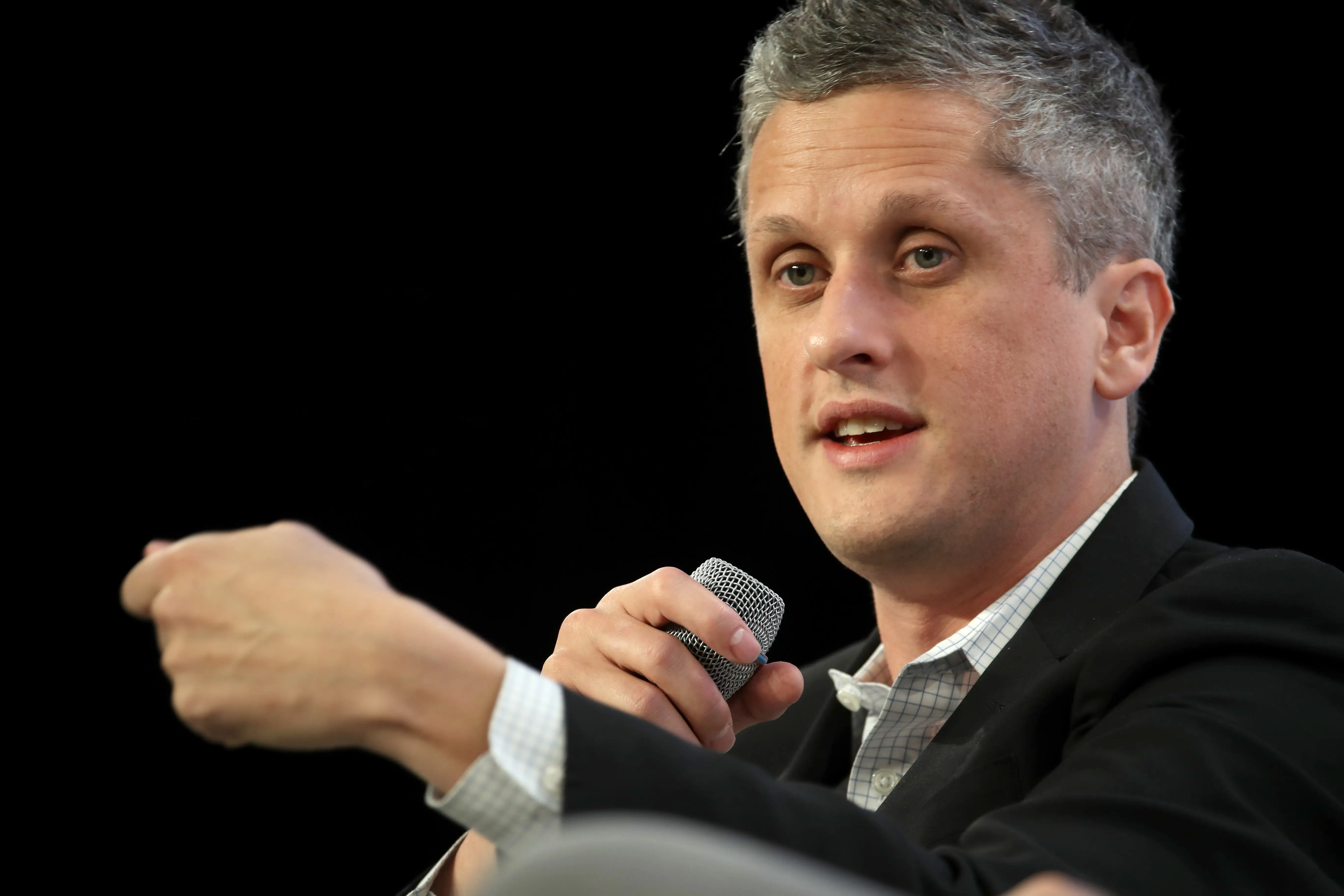
But Aaron Levie, the cofounder and CEO of cloud-storage giant Box, believes it will push companies to do far more work.
In a LinkedIn post on Sunday, Levie said AI will sharply reduce the cost of knowledge tasks such as writing code and reviewing contracts.
As those tasks get cheaper, he said, companies will take on more projects that were previously too expensive or complex to justify, and, ultimately, create jobs rather than eliminate them.
Why cheaper work leads to more of it
To explain why, Levie pointed to economist William Stanley Jevons.
In 1865, Jevons observed that more efficient steam engines didn’t curb coal use in England but drove it higher, as cheaper energy fueled new industries — a dynamic now known as the Jevons paradox.
Levie said the same pattern has repeated itself in computing, with each major wave of cheaper technology — from mainframes to minicomputers to PCs — dramatically expanding adoption.
Cloud computing followed a similar path, erasing many of the advantages large companies once had in procurement, infrastructure, and maintenance, and putting tools like accounting software, CRM systems, and marketing platforms within reach of nearly any business, he said.
Those efficiency gains automated deterministic work, Levie said — tasks with clear rules and predictable outcomes, such as accounting, record-keeping, scheduling, and data processing, where the same inputs reliably produce the same result.
Levie’s broader argument stands in contrast to warnings from other AI leaders and economists.
Anthropic CEO Dario Amodei and Ford CEO Jim Farley have warned that the technology could wipe out large numbers of white-collar roles, while figures such as OpenAI CEO Sam Altman, JPMorgan CEO Jamie Dimon, and Elon Musk have predicted outcomes ranging from major disruption to longer-term economic gains.
Others, including Nvidia CEO Jensen Huang and Meta’s outgoing chief AI scientist Yann LeCun, have predicted AI will reshape how work is done rather than eliminate it outright.
While major tech companies such as HP, IBM, Salesforce, and Amazon have cut thousands of jobs amid AI-driven efficiency pushes, KPMG’s chief economist Diane Swonk has warned the US could face a “jobless boom” in 2026 as firms do more with fewer workers.
An AI-driven future defined by more work, not less
Levie said AI changes the equation by targeting non-deterministic work, which involves judgment, creativity, and ambiguity.
Tasks, such as reviewing contracts, writing software, designing marketing campaigns, or conducting research, don’t follow fixed rules and have historically required expensive human expertise, making them difficult to automate and costly to scale.
By sharply lowering the cost of this kind of work, Levie said AI agents make it economically viable for companies to attempt projects they would have never justified before.
“Now, every business in the world has access to the talent and resources of a Fortune 500 company 10 years ago,” he wrote.
As non-deterministic tasks get cheaper, Levie said, companies take on far more work, driving demand for white-collar jobs.
Not everyone agrees that AI is already reshaping the job market at that level.
Some economists, including Gbenga Ajilore, chief economist at the Center on Budget and Policy Priorities, say the current white-collar downturn has more to do with high interest rates, weak hiring, and a slowing economy than AI itself.
Still, Levie said fears of widespread replacement miss a key constraint.
“The reality is that despite all the tasks that AI lets us automate,” he wrote, “it still requires people to pull together the full workflow to produce real value.”
Read the original article on Business Insider
The post AI won’t hollow out white-collar jobs, it will fuel growth — says Box CEO Aaron Levie appeared first on Business Insider.