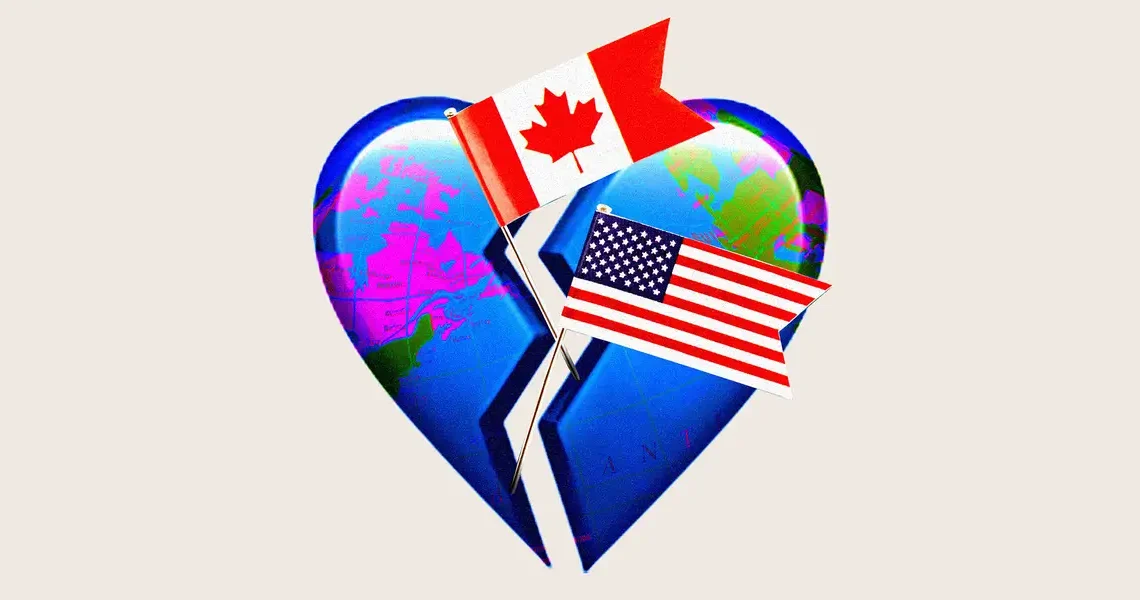
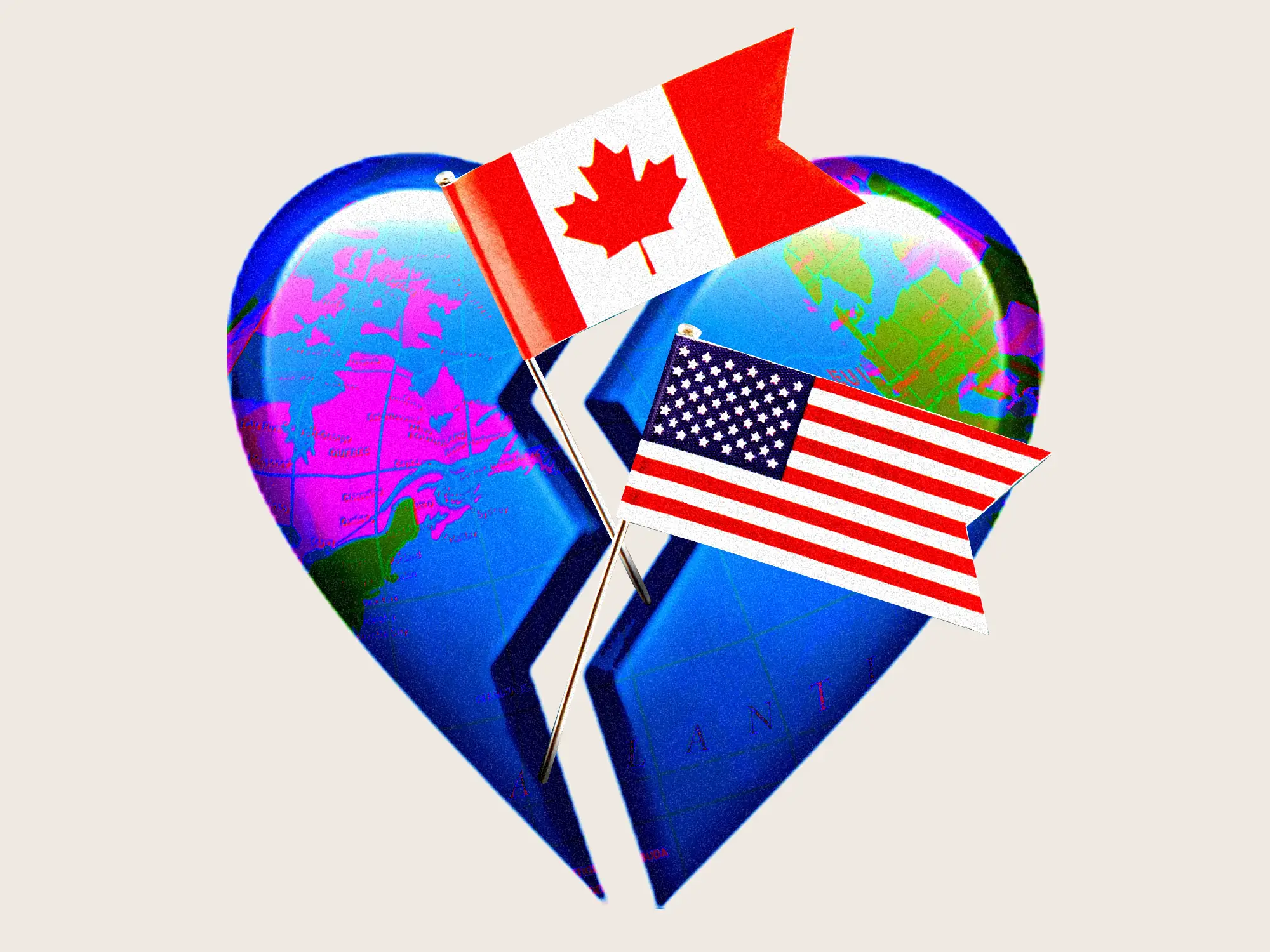
It’s been a rough year for the friendship between the countries that share the world’s longest undefended border.
Relationships between the US and other countries frayed in 2025, but no more than between America and its neighbor to the north, which is also its second-largest trading partner.
From comments about annexing Canada to ceasing trade negotiations over a provincial advertisement, here is a play-by-play of how the US and Canada’s relationship cracked in 2025.
The 51st state
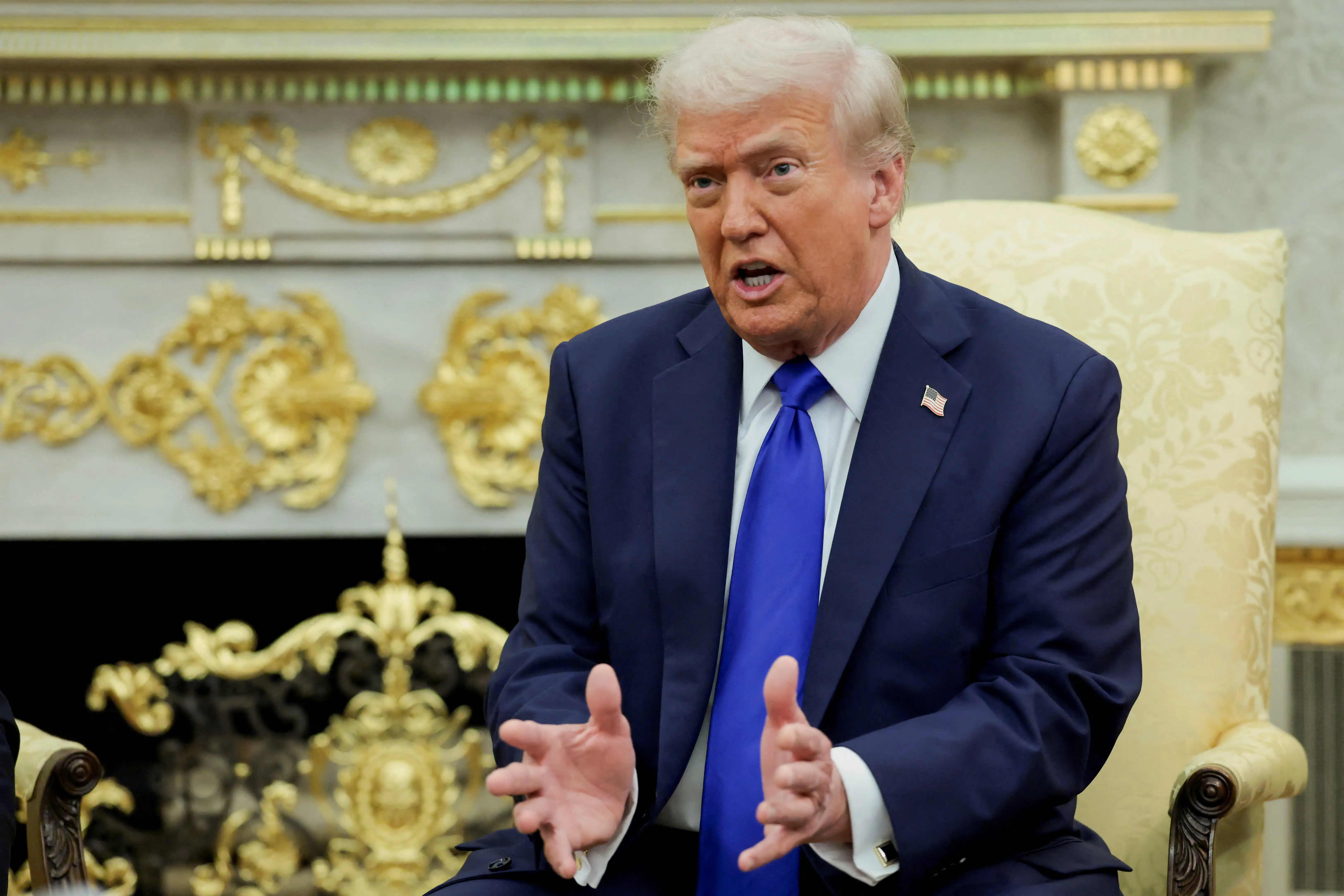
The last significant invasion of Canadian territories was more than two hundred years ago, and no US president has since publicly and repeatedly discussed making the northern neighbor a state of America.
That is, until Trump began to float the idea of making Canada America’s 51st state in January.
A few weeks before Trump’s inauguration, he was asked if he was considering using military force to acquire Canada during a press briefing in Mar-a-Lago.
“No, economic force,” he said. “Because Canada and the United States, that would really be something.”
He went on to tell reporters the US-Canadian border is an “artificially drawn line” and said he would impose a 25% tariff on the neighbor.
Trump’s idea received swift backlash from Canadians and the then-Prime Minister Justin Trudeau, who posted on X that “there isn’t a snowball’s chance in hell that Canada would become part of the United States.”
The rebuff did not deter Trump from reiterating his suggestion in subsequent press appearances and interviews.
The on-again, off-again tariffs
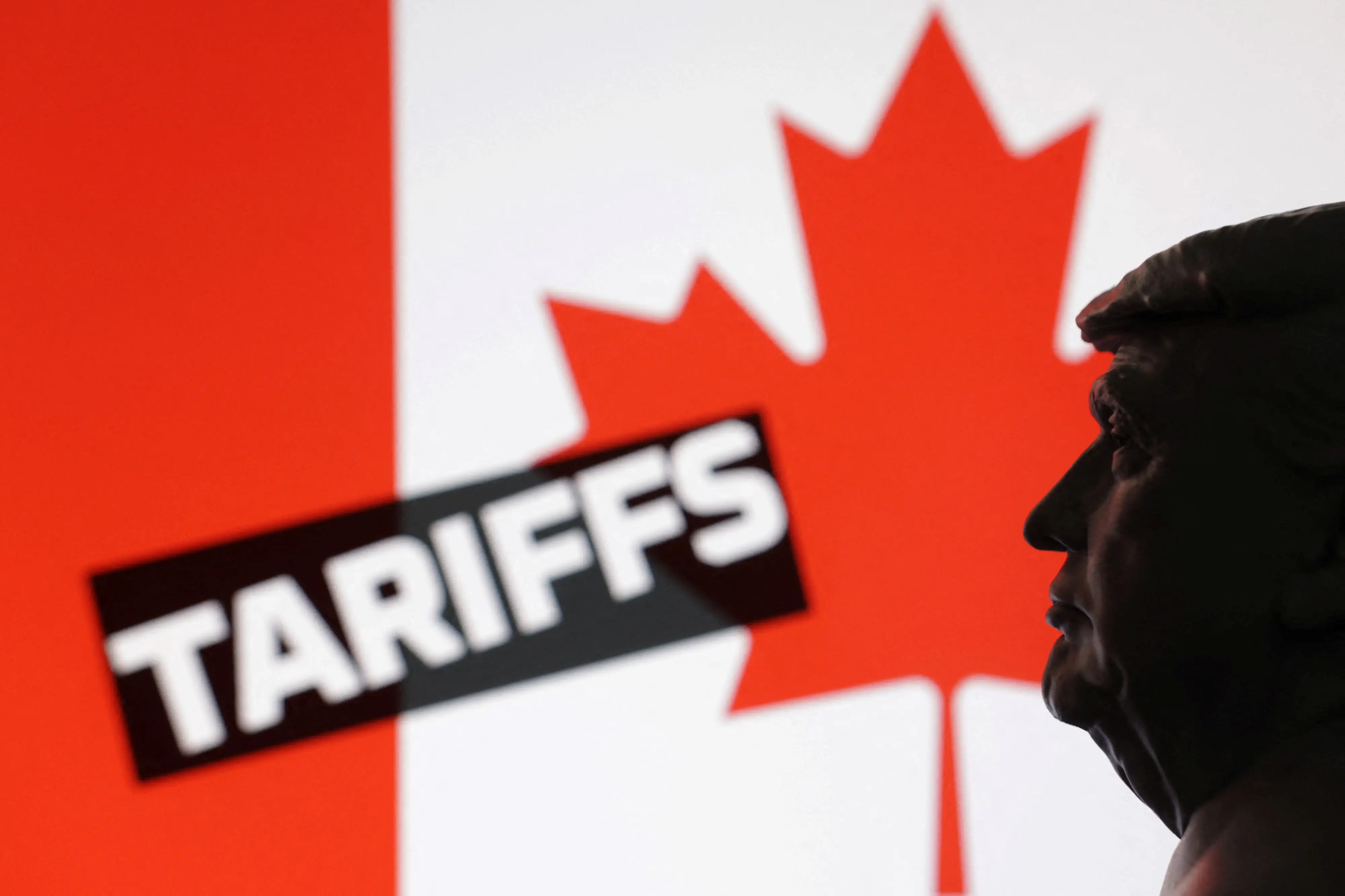
Whereas Trump’s tariffs on China and much of Asia are unsurprising, and previous presidents have occasionally imposed targeted duties on the European Union, his levies on Canada have sent shockwaves across the continent.
In early February, Trump signed an executive order using emergency economic powers to impose a 25% tariff on Canadian goods, alongside a separate 10% tariff on some energy resources.
Trump alleged that the flow of fentanyl from the Canadian border into the US was a reason for the tariffs, but data from US Customs and Border Protection shows that the northern neighbor accounted for 0.2% of US border fentanyl seizures.
Then, within days, the tariffs that were slated to take effect on February 4 were paused for 30 days after Trump spoke to Trudeau over the phone.
By March 4, the tariffs officially took effect, but within another two days, the Trump administration rolled out widespread exemptions for every good covered by a previous free trade agreement, the USMCA. Tariffs on Canadian potash are also cut to 10% to protect the domestic agriculture sector.
Boycotting America

Canadians have launched a mass boycott of everything American.
Starting in March, Canadians canceled trips to the US in favor of Central American countries, labeled US imports with big “T” stickers in shops, sidelined American groceries in stores, and ceased importing American liquor in most provinces.
Many American businesses, particularly those in the prolific bourbon and whiskey industry in Kentucky and Tennessee, are feeling the pain. Meanwhile, Canada’s local economy is set to benefit from the “Buy Canadian” movement that swept the country.
By the end of March, Canada also imposed 25% in retaliatory tariffs on about C$30 billion in US goods, including steel, aluminum, peanut butter, wine, appliances, and cosmetics.
Canada votes against Trump
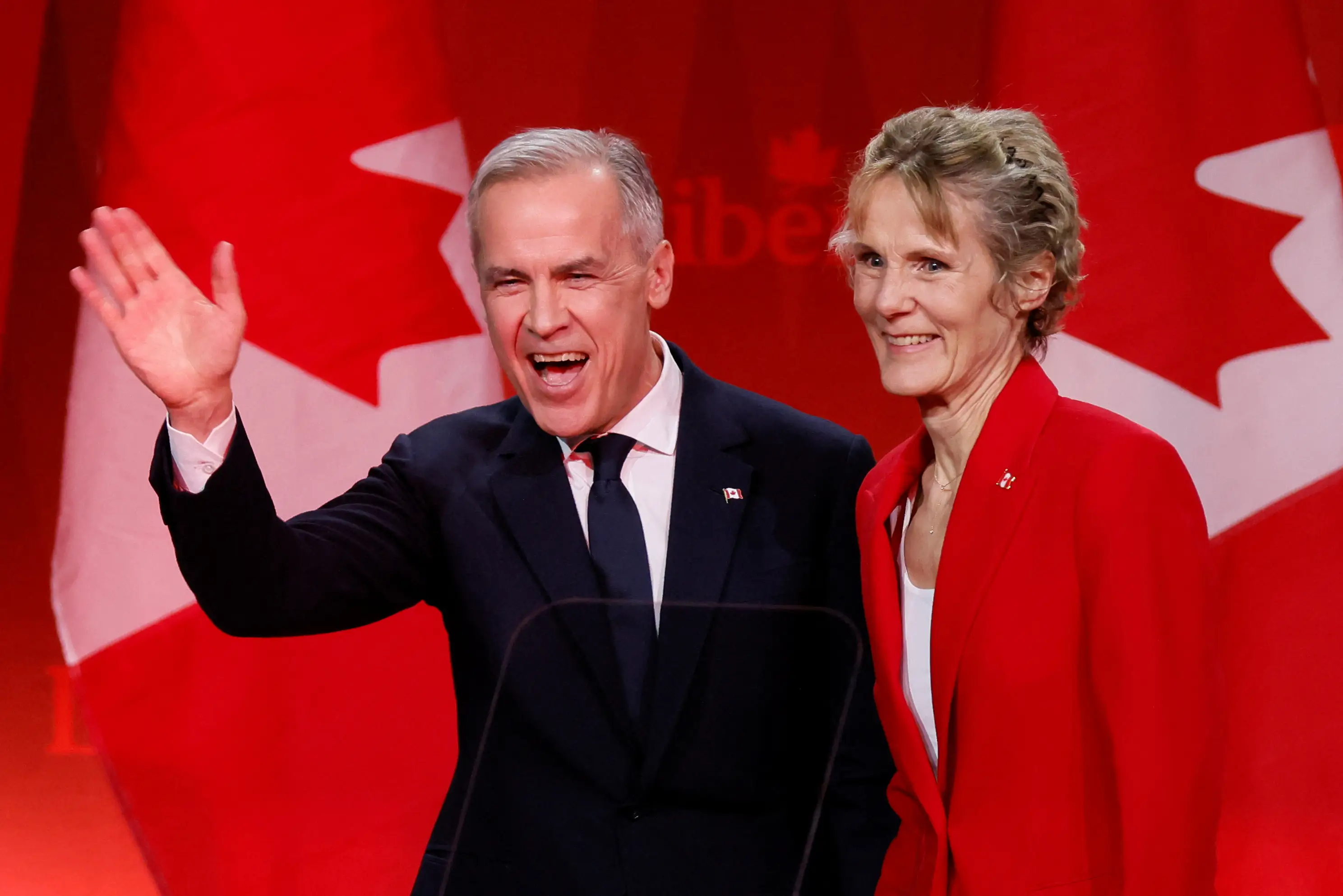
Trump may have cost Canada’s Conservative Party an election win.
Pierre Poilievre, once the clear favorite to become prime minister based on polls, saw his campaign collapse after Trump escalated tariffs.
Poilievre’s Trump-style messaging, including the slogan “Canada First,” became a liability as voters rallied behind Liberal leader Mark Carney, who cast the race as a referendum on defending Canada from Washington’s threats. The result handed the Liberals a stunning comeback victory in April and left the Conservatives facing their sharpest defeat in years.
Poilievre, the populist Conservative leader, was eventually voted out of the parliamentary seat he had held for two decades.
More tariffs on Canada

After not having as many deals as Trump initially expected, he announced that global tariffs on steel imports would double to 50% as of June 4. The move heavily impacted Canada, which supplies a substantial share of steel to the US, but it is also ominous news for the domestic housing industry, as steel tariffs would drive up the cost of constructing homes.
By the end of July, Trump also increased tariffs on imports from Canada that aren’t covered by previous trade agreements to 35%.
The Reagan advertisement
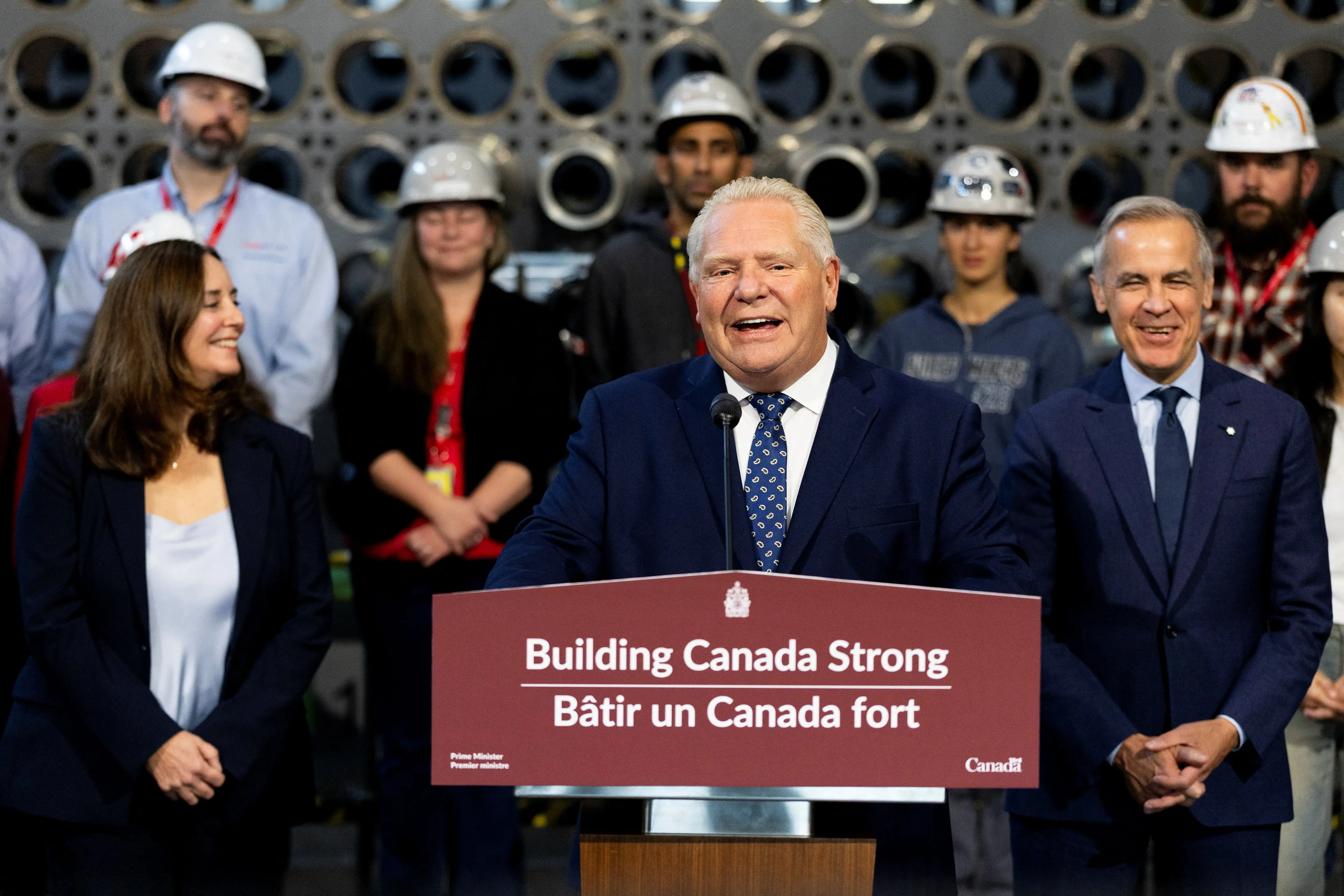
Trump abruptly froze trade talks with Canada after Ontario aired a US television ad warning against tariffs, using the words of former President Ronald Reagan.
The minute-long video, released by the Ontario government and promoted by Premier Doug Ford, featured excerpts from Reagan’s 1987 radio address on free and fair trade, in which he argued that tariffs ultimately hurt workers and consumers and invite retaliation. The ad ran across major US networks and was scheduled to air during the World Series.
Trump reacted with anger, calling the commercial “fake” and accusing Canada of misrepresenting Reagan’s views. In a social media post, he said all trade negotiations with Canada were terminated and later added that he would not meet with Carney “for a while.”
Ford later said Ontario would pull the ad after it aired twice over the weekend, but said he is “not sorry” about it.
Canadian provinces are figuring out what to do with US booze
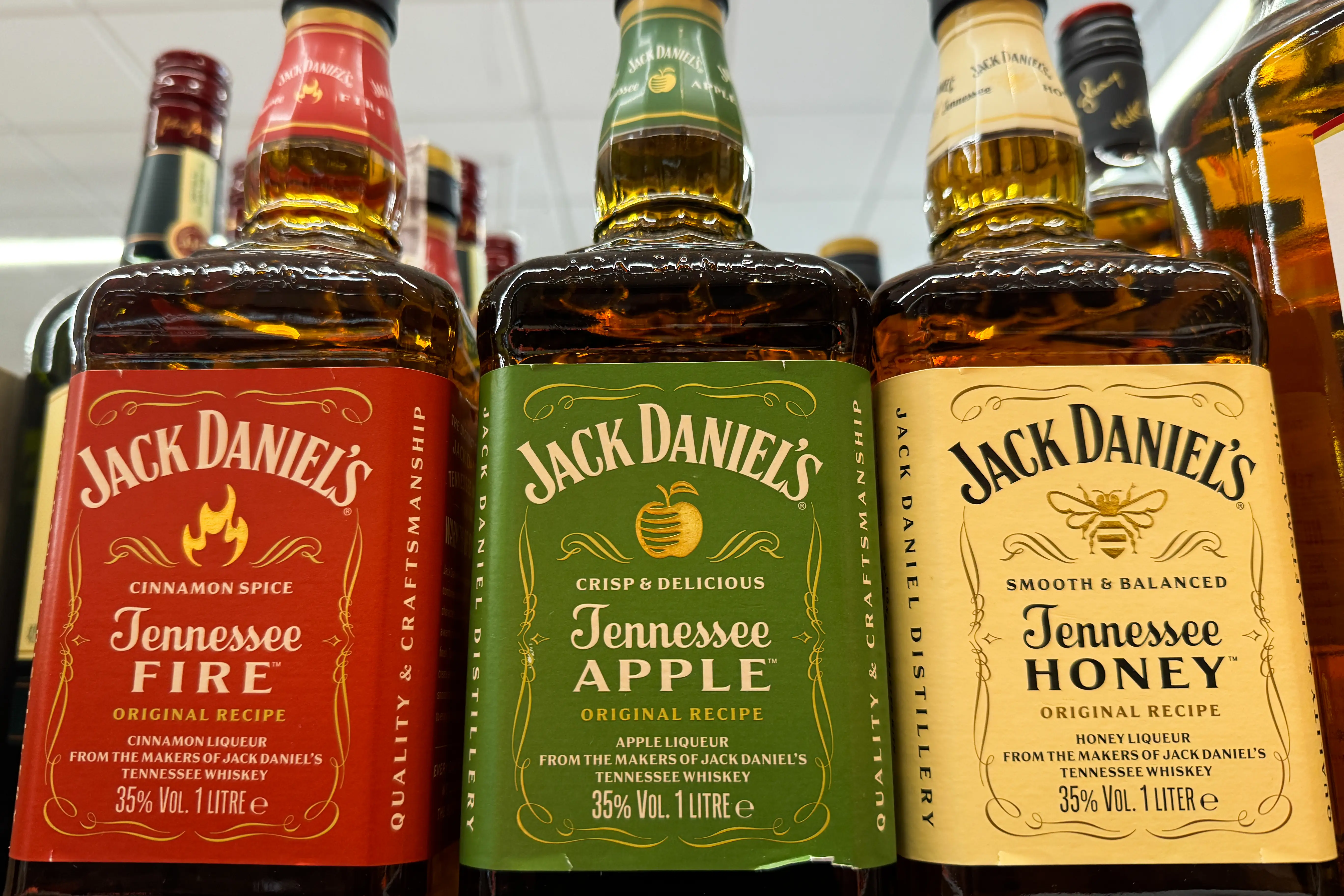
Canada’s provinces are finding new uses for stockpiled American liquor after pulling US alcohol from shelves in March.
At least four provinces plan to sell the remaining inventory and donate the proceeds to food banks, including Prince Edward Island, Newfoundland and Labrador, Manitoba, and Nova Scotia.
Other provinces are taking different approaches. Ontario said US alcohol will remain in storage, while British Columbia, Yukon, and the Northwest Territories are continuing to sell existing stock until it runs out, but won’t be ordering more.
The pullback has hit American distillers hard. The Distilled Spirits Council said that US spirits exports to Canada plunged 85% in the second quarter of 2025.
There is still no deal
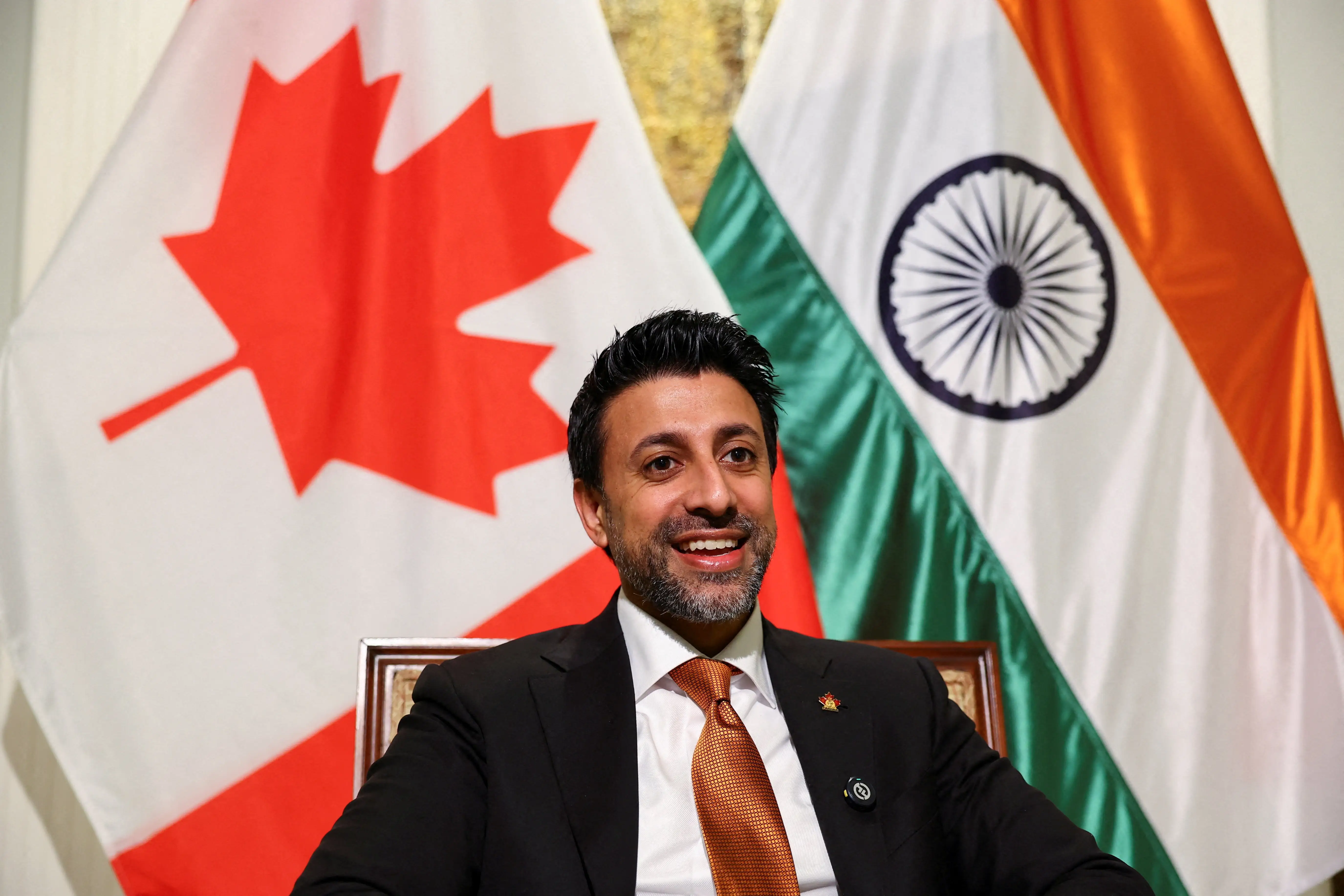
As of the end of the year, there is still no deal between the US and Canada, and some Canadian economists are in doubt about whether a deal is still necessary.
While Canada initially expected a more serious hit to its economy from Trump’s tariffs, the country reported higher-than-expected GDP growth in the third quarter, and it is ramping up efforts to diversify trade by looking toward Asia.
Carlo Dade, the Director of International Policy at the School of Public Policy at the University of Calgary, previously told Business Insider that he would argue that Canada “shouldn’t be trying to get an agreement with the US” at this point, because “no one gets a good deal from Trump.”
Read the original article on Business Insider
The post The play-by-play of the US and Canada’s rocky relationship appeared first on Business Insider.