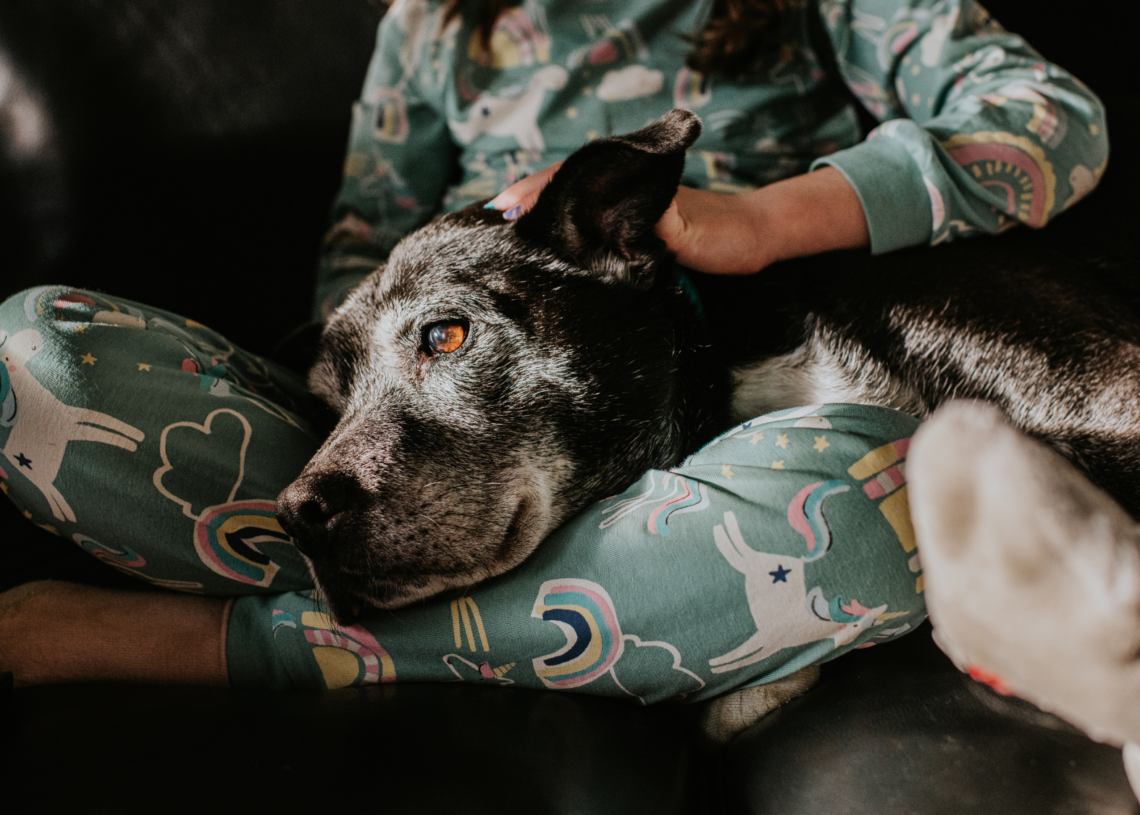
There’s a terrible kind of heartbreak that comes with realizing your dog is getting older. Not slower. Older. Where they still wag their tail, still want dinner on time, still love you exactly the same, but something about how they move through the world feels different.
One condition that can show up during those later years is canine cognitive dysfunction, sometimes called dog dementia. It’s not rare, and it’s not a failure of care. It’s a brain condition that affects memory, awareness, sleep, and behavior, much like Alzheimer’s disease does in humans. And because the signs can feel subtle or familiar over time, even deeply loving owners can miss what’s happening at first.
Veterinary researchers use a simple acronym to help spot patterns: DISHA. Seeing one of these signs once doesn’t mean your dog has dementia. But if they start to show up repeatedly, it might be time to slow down and take a closer look.
Disorientation
Your dog may seem unsure in places they’ve known forever. Standing in corners. Staring at walls. Getting stuck behind furniture and waiting there, confused, until someone helps. It can look like spacing out, but it’s more than that.
Interaction changes
Some dogs become distant. They don’t greet people the way they used to or seem uninterested in affection. Others go the opposite direction and stick close at all times, following their person from room to room and growing distressed when left alone.
Sleep-wake cycle changes
Day and night can blur together. Dogs may sleep through most of the day, then pace, wander, or vocalize after dark. This can be exhausting and emotional for owners who don’t know why it’s happening.
House-soiling
Accidents inside can happen after years of perfect house training. This isn’t stubbornness or spite. It’s confusion, forgotten routines, or not remembering how to signal the need to go outside.
Activity level changes
Interest in walks, toys, and play can drop. Some dogs develop repetitive behaviors like circling or pacing. Anxiety and irritability may creep in, too, even in dogs that were always easygoing.
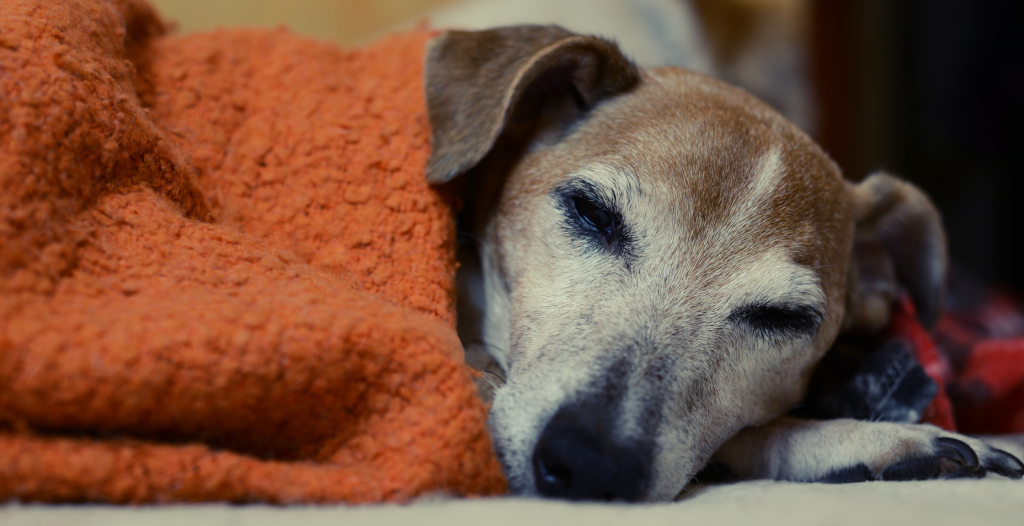
How to Help If Your Dog Is Showing Signs of Dementia
Age is the biggest risk factor. Research suggests that around 35 percent of dogs over eight show signs of cognitive decline, with much higher rates in very senior dogs. One large study found nearly two-thirds of dogs seven and older showed measurable changes on cognitive assessment scales.
There’s no cure, but there is support. Diets with omega-3 fatty acids and medium-chain triglycerides might help brain function. Gentle exercise, puzzle toys, new smells, and social time can keep dogs engaged. Veterinarians sometimes recommend medications or supplements, including melatonin, to help with sleep and anxiety.
Care will need to change, too. Block access to stairs, keep furniture layouts similar, add night lights, and stick to routines. It will help reduce fear and frustration for both you and your pup.
Researchers with the Dog Aging Project believe studying cognitive decline in dogs could also advance understanding of Alzheimer’s disease in humans. That matters. But on a day-to-day level, what matters more is compassion.
Your dog isn’t being difficult. They aren’t forgetting you. They’re doing their best in a world that suddenly feels harder to live in. Paying attention, adjusting expectations, and meeting them where they are can make those years gentler for both of you.
The post 5 Signs Your Dog Has Dementia appeared first on VICE.