Is it a case of life imitating Ark?
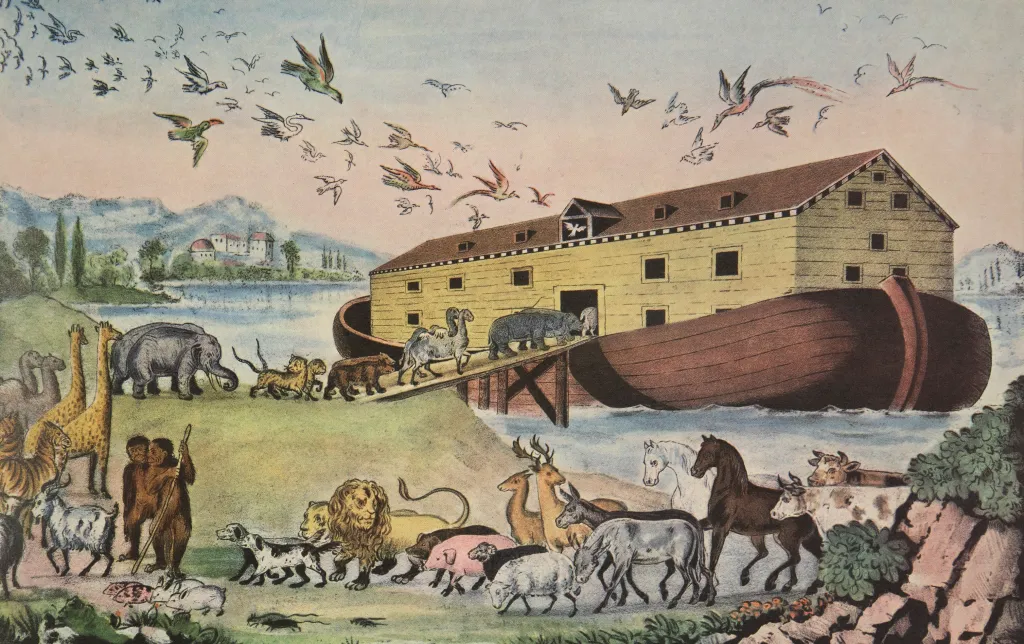
Archaeologists might have discovered a major milestone in the quest to prove Noah’s Ark’s existence — pottery fragments near the supposed site of the Biblical boat.
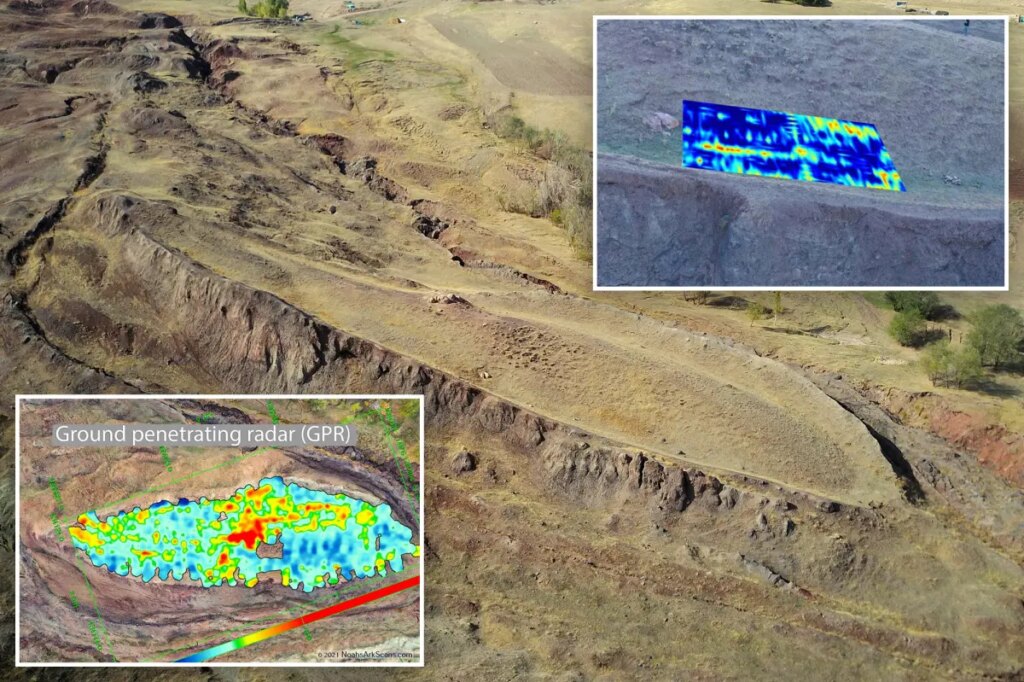
Prof. Dr Faruk Kaya of Agri Ibrahim Cecen University said the pieces were found close to the alleged Ark outline at the Dogubayazit site on Turkey’s Mount Ararat, according to Turkish media, the Daily Mail reported.
The 538-foot-long boat-shaped geological structure has been the focal point of the Noah’s Ark debate for decades, having been described in the Bible as the legendary life raft’s final resting place.
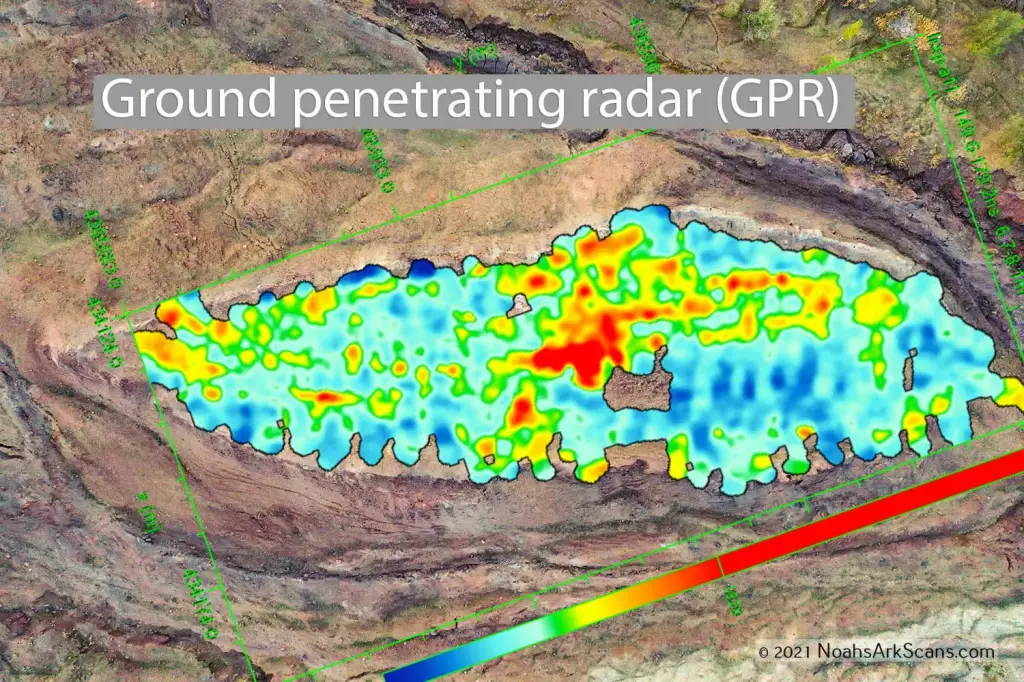
Recently, a team of American researchers used radar technology to map the possible remains of Noah’s Ark beneath it.
The aforementioned ceramic fragments, which were found during road construction near the Durupinar Formation in Agri province, provide possible evidence of human activity between 5,000 and 7,000 years ago.
“The ceramic fragments show that there was human activity in this region during the Chalcolithic period, between 5500 and 3000 BC,” said Dr. Kaya.
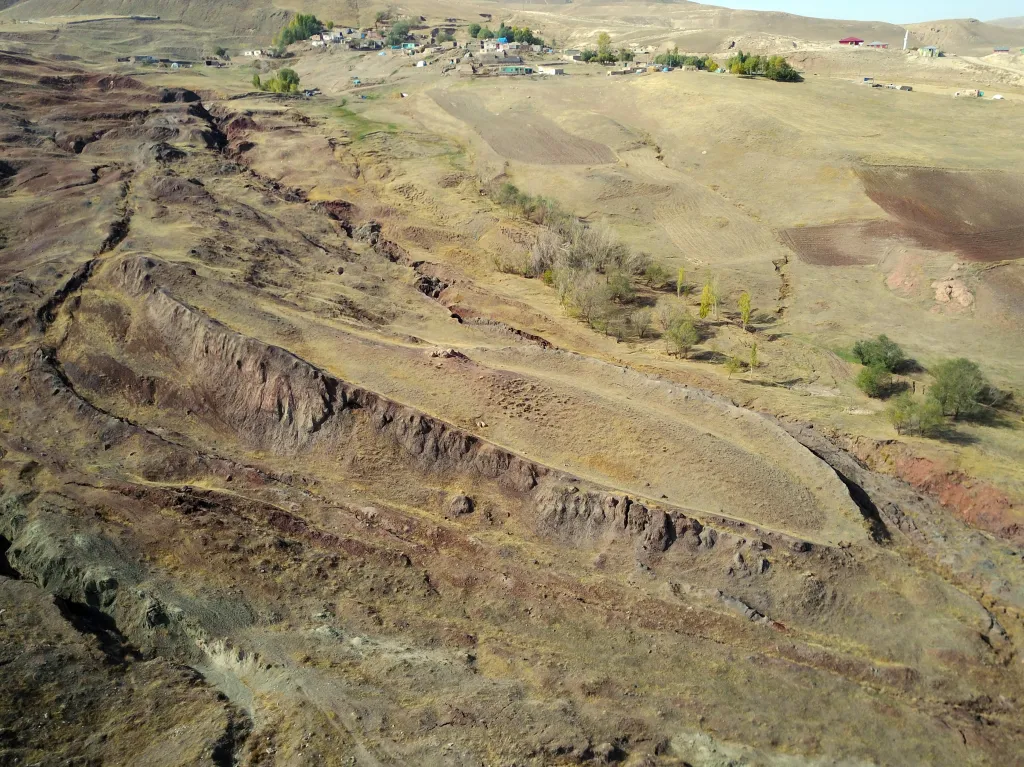
Dr. Kaya said the ceramic’s date coincides with traditional estimates of when the the Biblical world savior lived.
Ceramics are one of the clearest indicators of human settlement, further fueling theories that the aforementioned landmark could be the real-life Biblical site.
In light of the potential watershed discovery, the researcher called upon said repository to be protected and called for a moratorium “on the removal of stones, rocks or similar material from the site.”
Dr. Kaya mentioned that people had been taking rocks bearing markings, potentially desecrating the important archaeological and heritage site.
The professor also warned of natural disasters that could potentially threaten the archaeological marvel, potentially eroding both sides of the formation and exacerbating damage.
This isn’t the first watershed discovery involving the Mount Ararat site, either.
Independent researchers used ground-penetrating radar to detect a 13-foot tunnel traversing the center of the formation, along with a trifecta of subterranean layers that matched the Bible’s description of the boat’s three decks.
The Book of Genesis 6:16 states: “Make a roof for the ark, and finish it to a cubit above, and set the door of the ark in its side. Make it with lower, second, and third decks.”
The post Did Noah’s Ark really exist? Pottery fragments found near Biblical boat site provide evidence of human settlement appeared first on New York Post.