As markets reopened Friday after the Christmas holiday, U.S. stocks were little changed, but precious metals saw plenty of action.
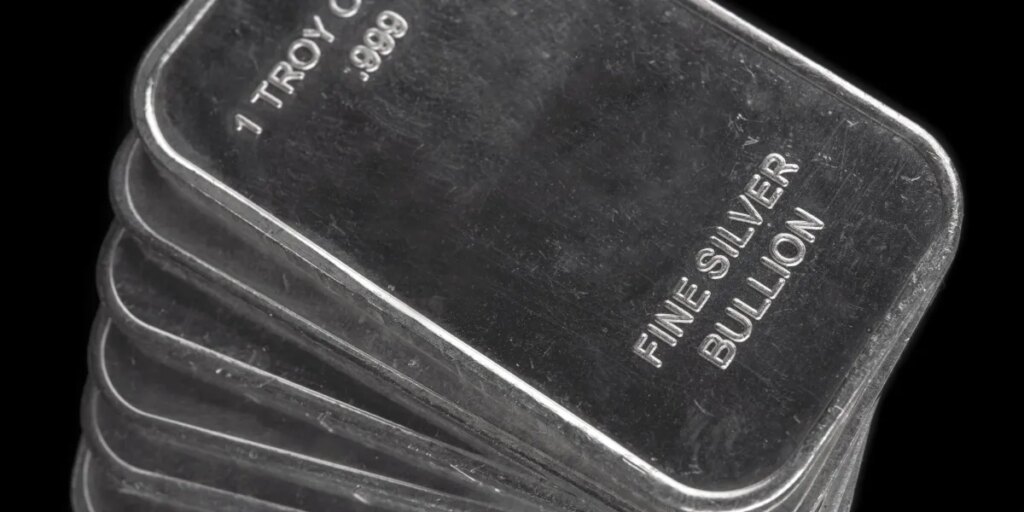
Silver prices jumped 9.6% to top $78 per ounce for the first time ever. Gold rose 1.3% to a fresh record of $4,561 per ounce, and platinum surged 10.5% to its own high, while palladium leapt 13%.
So far this year, silver has spiked 169%, platinum has shot up 172%, and palladium has soared 124%—all easily beating gold’s year-to-date gain of 73% as well as Nvidia’s 42% pop and the S&P 500’s 18% advance.
The latest rally came after the U.S. launched strikes on Islamic State targets in Nigeria on Thursday, adding to other geopolitical tensions.
Earlier in the week, the Trump administration continued to pile on more pressure on Venezuela by targeting additional oil tankers, squeezing a key source of revenue for the Maduro regime.
Meanwhile, the Pentagon sent large numbers of special-operations aircraft, troops and gear into the Caribbean, sources told the Wall Street Journal.
The extra military assets join a flotilla of Navy ships that has been building up in the region for months, while President Donald Trump hints that U.S. attacks will soon expand from suspected drug boats to targets on land.
With the threat of a new regional conflict breaking out, investors have sought out safe-havens. At the same time, debt worries have made precious metals appear safer than other assets like the dollar and yen.
Robin Brooks, a senior fellow at the Brookings Institution, said in Substack post on Sunday that the so-called debasement trade has roared back, pointing out that precious metals began galloping higher after Fed Chairman Jerome Powell hinted at rate cuts over the summer.
“First, this trade is clearly triggered by Fed easing and related worries about debt monetization,” Brooks wrote. “After all, Chair Powell’s dovish speech at Jackson Hole on Aug. 22 and the latest Fed rate cut on Dec. 10 were big catalysts for precious metals to take off.”
As the U.S. and other top economies hurtle toward increasingly unsustainable levels of debt, investors fear that those governments will let inflation run hotter and erode the value of their bonds to lighten the burden, rather than reining in deficits.
This debasement trade isn’t just showing up in precious metals, Brooks added, noting that countries with low levels of public debt such as Switzerland or Sweden have seen their currencies move in tandem with gold and silver prices.
“It’s noteworthy that Sweden is so much in focus. The Krona has traditionally been a highly volatile currency that didn’t have safe haven attributes. The debasement trade is changing that,” he explained.
Similarly, market veteran Ed Yardeni attributed the surge in precious metals to concerns about excess stimulative effects of U.S. monetary and fiscal policies next year.
That’s as Wall Street expects more rate cuts from the Federal Reserve, which is also buying bonds again, while consumers will start to notice Trump’s tax cuts. Trump has also teased the possibility of “tariff dividend” checks, though Congress would have to approve them.
“In any event, the federal budget deficit could balloon significantly during the first four months of 2026, which might prompt the Bond Vigilantes to raise Treasury bond yields, causing a stock market correction,” Yardeni said in a note on Monday.
The post Silver prices continue soaring as debt fears and geopolitical tensions send precious metals to fresh record highs appeared first on Fortune.