NATO militaries are looking for cheaper ways to defeat hostile drones without having to expend vastly more expensive missiles. The answer, it seems, is in Ukraine.
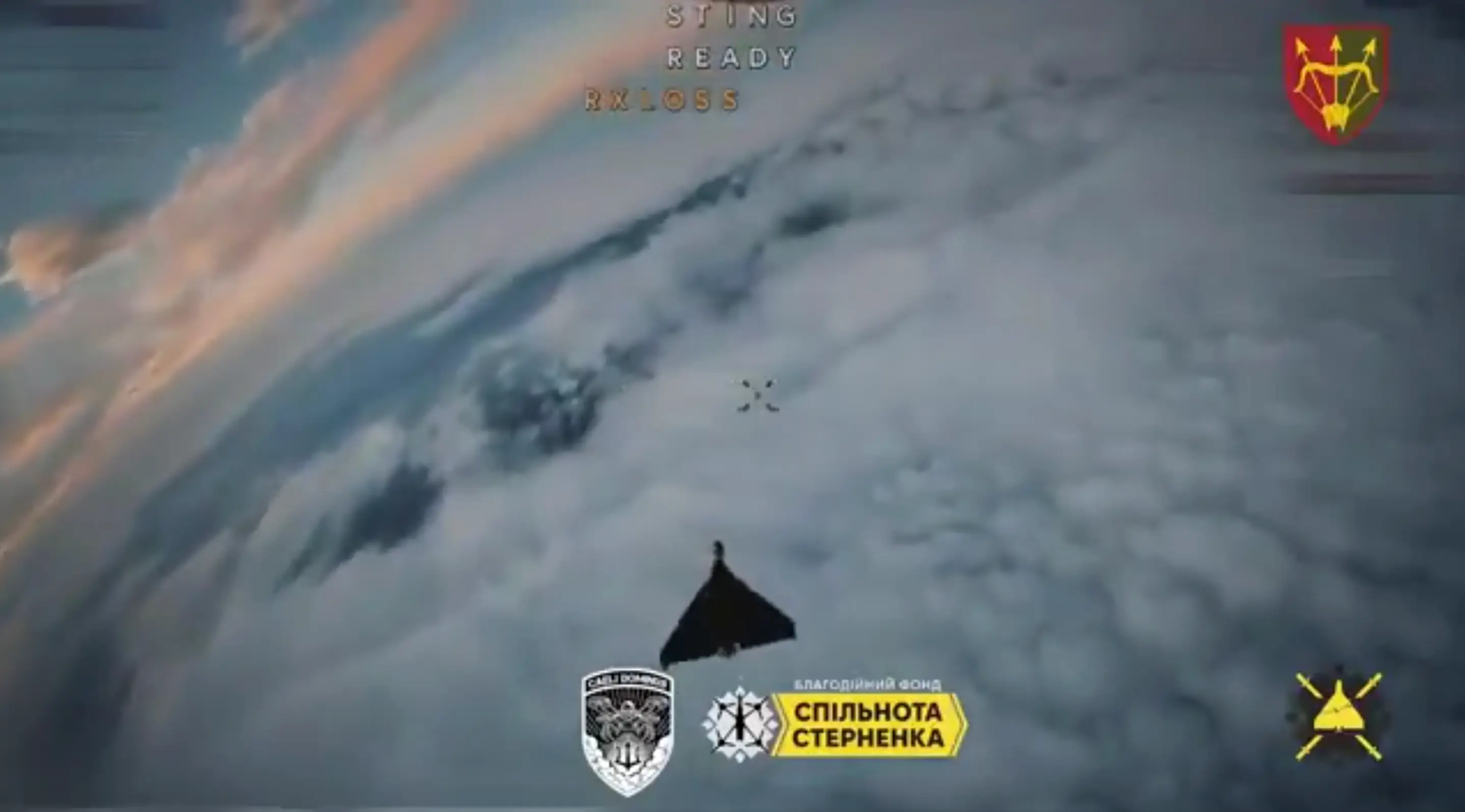
Ukrainian forces are using domestically produced interceptor drones daily to bring down deadly Russian drones, with units regularly sharing footage of the high-speed aerial chases.
The interceptor drones can be mass-produced, which is crucial for Ukraine as worsening Russian bombardments that sometimes include hundreds of drones and missiles in a single night put stress on the country’s deeply strained air defense network.
NATO is taking note, with officials identifying interceptor drones not just as a cheap way to fill a capability gap — air defense against relatively inexpensive attack drones — but also as an early indication of where warfare is going. Some allied countries are developing systems, while others are rushing to buy them at scale.
“Technology is evolving really, really rapidly,” British Army Brig. Gen. Chris Gent, the deputy chief of staff for transformation and integration at NATO Allied Land Command, said at a recent training event in Poland. “It’s a race to keep up.”
The rise of the interceptor
Interceptor drones emerged this year as a priority defense investment for Ukraine as it looks for ways to stay ahead of Russia’s growing drone production and worsening nightly attacks without totally depleting its surface-to-air missile stocks or breaking the bank to take out cheap yet inexpensive threats.
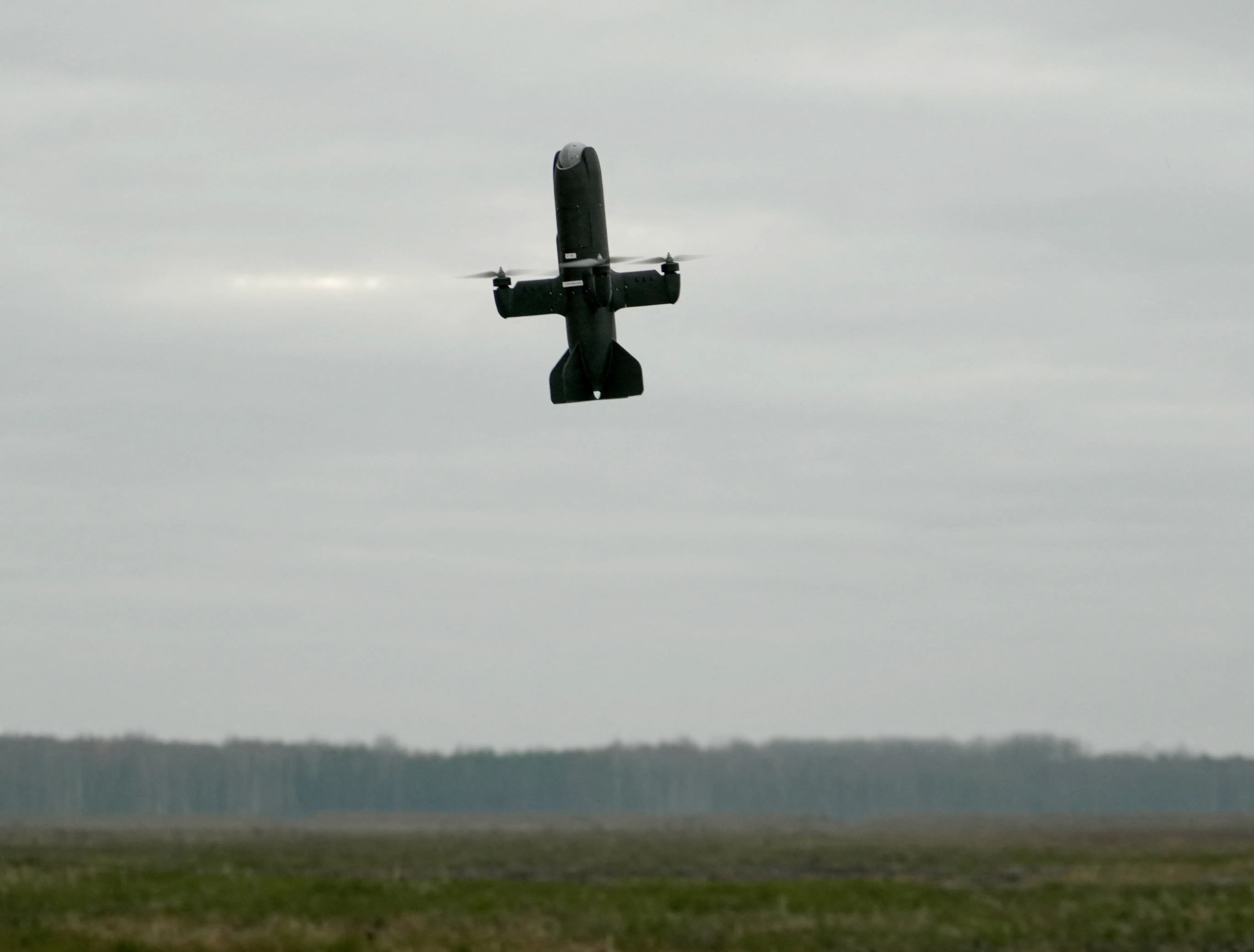
Ukraine’s defense industry produces hundreds of interceptor drones each day, some of which cost as little as $2,500. That’s a fraction of the cost of a standard Russian one-way attack drone, estimated to be worth $35,000 on the low end. They can carry small warheads and are designed to directly strike their targets midair or explode nearby for a proximity kill.
The interceptor drones have provided Kyiv with a significant increase in air defense options. They can reach higher and faster-moving targets than the truck-mounted machine guns that Ukrainian soldiers had long relied on to shoot down low-flying Russian airborne targets, and they allow the country to hold its critical surface-to-air missiles in reserve for higher-end threats.
Seeing how effective interceptor drones have been, NATO is now racing to develop and field its own. That push took on new urgency in September after Russian drones strayed into Polish and Romanian airspace, prompting Western forces to scramble fighter jets.
The incursions — and NATO’s scramble to respond — raised questions about how the alliance should handle cheap drones, and whether it’s sustainable to launch fighter jets armed with expensive missiles for every airspace violation.
While NATO is still flying fighter patrols, Poland and Romania have purchased and are deploying the American-made Merops system, which consists of an interceptor drone that has already taken down more than 1,900 Russian targets for Ukraine.
In late November, Business Insider observed Polish, Romanian, and American forces training on the Merops system. Military officials touted the system’s success in combat and its ability to provide NATO with a cheap air defense for its Eastern flank. (The interceptor drone costs $15,000, still less than the potential threats.)
At that training event, US Army Brig. Gen. Curtis King, the head of the 10th Army Air and Missile Defense Command, said that NATO needs to “learn from what Ukraine is fighting right now.”
He said that in addition to Poland, Romania, and the US, other NATO allies are experimenting with similar systems, the aim being to employ this technology across the alliance.
And Western countries are linking up with the Ukrainians on this technology as well. In September, for instance, the UK announced plans to mass-produce thousands of Ukrainian-designed interceptor drones for Kyiv. The US is also making these weapons in collaboration with Ukraine.
The general said that getting Western firms to produce more interceptor drones will help drive the cost down even further for NATO countries interested in acquiring this technology.
The value is clear, King said. Procuring interceptor drones would allow NATO countries to save sophisticated air defenses, such as the MIM-104 Patriot surface-to-air missile system or certain air-to-air missiles, for threats like cruise and ballistic missiles, rather than one-way attack drones.
Rapid development cycle
Interceptor drones are among the newer innovations emerging from the war as Ukraine and Russia attempt to secure a technological advantage, with each new capability fielded pushing the other side to develop a countermeasure.

At the Merops training in Poland, Western officials said they are watching Ukraine and Russia race through cycles of weapons innovation at a pace that demands faster procurement before new tools become obsolete.
“The life cycle of technology has shortened dramatically,” said Bart Hollants, NATO’s innovation broker.
“It’s not a new trend, but we see it on the battlefield in Ukraine,” he told Business Insider, explaining that “every six weeks to three months, there is a new iteration or a new version of tech that enters the front line, and that you have to defend yourself against, or that you have to create countermeasures for.”
With that pacing in mind, NATO has turned to Western and Ukrainian defense firms for new ways to counter the war’s biggest threats, giving these companies chances to pitch, test, and market systems as combat-ready.
Earlier this year, NATO hosted an “Innovation Challenge” that brought in companies to present solutions for Russian glide bombs and one-way attack drones. Two firms — one French and the other German — won first and second place, respectively, for their solutions, made up of interceptor drones.
French Cdr. Pierre Delom, a project coordinator at NATO’s Allied Command Transformation who leads the Innovation Challenges, said that the alliance could find itself at war at any moment and needed to be ready.
The key, he told Business Insider, is the mass production of affordable air defenses so that NATO doesn’t have to spend any more money to counter low-cost threats than necessary. In a future fight, these threats may be out in force, and the alliance can’t afford to pour expensive missiles into that fight. Sustainability is about making every dollar count.
Read the original article on Business Insider
The post NATO is looking to Ukraine for ways to kill drones without wasting expensive missiles appeared first on Business Insider.