WASHINGTON — Just eight states are on track to allow their residents to cash in on popular tax breaks from President Trump’s marquee legislation in 2026, experts told The Post, with several blue states resisting no taxes on tips and overtime provisions, among others.
Democratic strongholds like New York, Illinois and California are declining to incorporate the provisions in their own tax codes, Reuters first reported, citing billions of dollars in potential budget shortfalls.
Other blue and red states alike have yet to signal whether they will take up legislation in the new year to conform to the federal tax code by changing the definition of what qualifies as taxable income. Other states, like New Jersey, are open to some of the provisions like not taxing tipped workers.
Treasury Secretary Scott Bessent earlier this month accused several blue states — including Illinois and New York — of playing Ebenezer Scrooge this holiday season by “deliberately blocking” the popular One Big Beautiful Bill Act provisions, which will begin taking effect on Jan. 1.
Those included “No Tax on Tips for dedicated service industry staff, No Tax on Overtime for linemen and factory workers, and a new tax deduction for seniors who depend on Social Security,” among others, Bessent charged.
Tax experts rejected the cabinet official’s claim that Colorado is snubbing the tax breaks, noting the state has what’s known as “rolling conformity” that aligns the Centennial State’s code with the Internal Revenue Code.
“Claims that Colorado is refusing to adopt the majority of tax changes from H.R.1 [One Big Beautiful Bill] are not accurate,” a spokesperson for Gov. Jared Polis (D) told The Post. “Even before H.R. 1, Colorado’s tax code was coupled more than most states by virtue of being one of the few ‘federal taxable income’ states. In fact, our tax code is coupled to the vast majority of provisions in H.R. 1. Therefore, all tax cuts in H,R. 1 are automatically incorporated into state tax code unless there is specific action to decouple.”
Other states that automatically align with the federal tax code include South Carolina, Iowa, North Dakota, Idaho, Montana and Oregon.
“Some states start with federal taxable income, so most of the new deductions flow through automatically unless lawmakers opt out,” explained Adam Michel, director of tax policy studies at the libertarian Cato Institute.
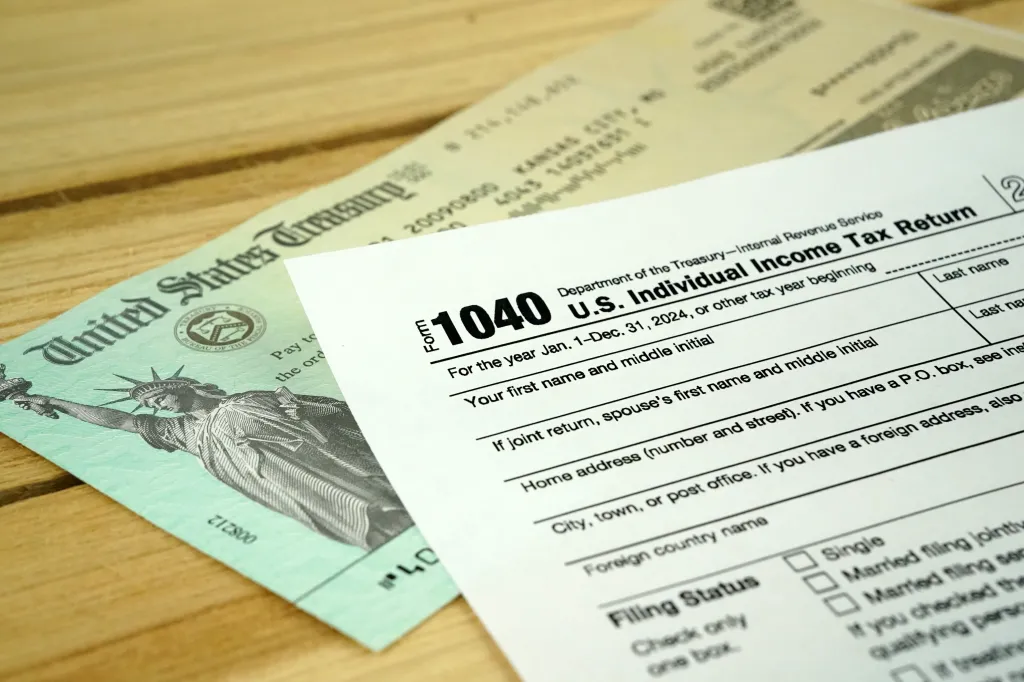
“Many more states—blue and red—start with adjusted gross income or run their own tax system, which means they don’t pick up these new deductions unless they affirmatively pass a bill to do so.”
Michigan — which is currently helmed by Democratic Gov. Gretchen Whitmer — is the only US state so far to have adopted the tax breaks for overtime wages and tips. States like Kentucky and North Carolina have floated similar proposals.
Currently, South Carolina, North Dakota, Montana and Idaho are the only four states that are entirely conforming with Trump’s personal tax breaks on qualified tips, car loan interest, overtime premium pay and the $6,000 enhanced deduction for senior citizens.
Oregon and Iowa will conform to three of those same provisions — without the enhanced senior benefit.
And Colorado will keep the senior benefit but nix the overtime premium pay deduction.
Jared Walczak, vice president of state projects at the non-partisan Tax Foundation, added that there’s good reason for the 42 others not to automatically conform to the federal code for the breaks.

“Most states conform at least in significant part to the Internal Revenue Code, and that’s still the case, but they don’t bring in every provision,” Walczak said, referencing how adjusted gross income levels at the federal level are the most obvious example.
“All of this is still up in the air for next year, and it’s not a clear red blue state divide,” he added. “The tax stuff gets dealt with around the same time that the state budget stuff is getting worked out early in the year in the legislatures.”
Walczak calculated how each provision would affect individual states’ tax revenues — with New York, for example, slated to lose as much as $1.7 billion.
“The temporary personal deductions are not very economically efficient, they’re not great tax policy, and they do come at a cost,” cautioned Walczak. “So states have to evaluate that as they consider whether they want to conform to them, and most states simply won’t do so.”
Reps for New York Gov. Kathy Hochul, California Gov. Gavin Newsom and Illinois Gov. JB Pritzker did not respond to requests for comment.
The post Here are the blue states ‘blocking’ Trump’s popular tax cut provisions appeared first on New York Post.