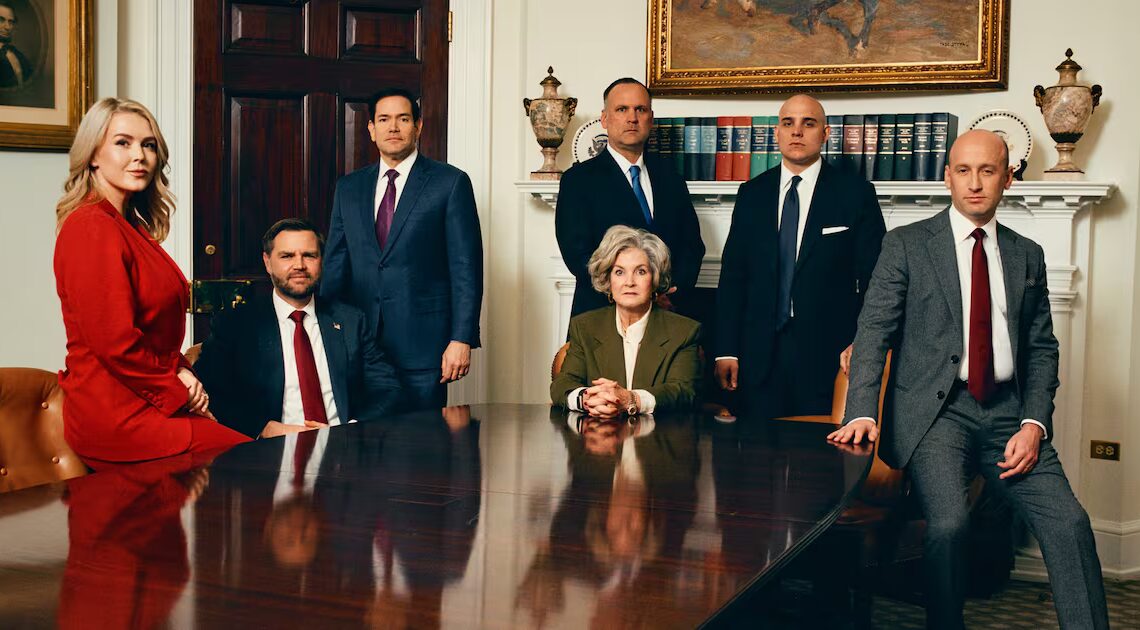
The photographer responsible for last week’s infamous Vanity Fair West Wing profile has revealed that his photo shoot was upended by a scramble to pressure Lauren Boebert not to vote against the government over the Epstein files.
The explosive report on Donald Trump’s inner circle—and, most notably, candid quotes from White House Chief of Staff Susie Wiles—set off days of outrage and fevered online and media analysis.
Christopher Anderson, 55, the man tasked with taking the unsparing close-up portraits of Trump’s closest staff, told the magazine on Tuesday that his tightly choreographed day inside Trump’s second-term White House blew up halfway through, when it was suddenly announced the Cabinet had been called to the Situation Room.
He and the Vanity Fair team assumed it meant war, he said—but the reality was much more bizarre.
“We later found out that day that it was Congresswoman Lauren Boebert who had been called into the Situation Room to put pressure on her about not pushing to release the Epstein files,” Anderson told the outlet.
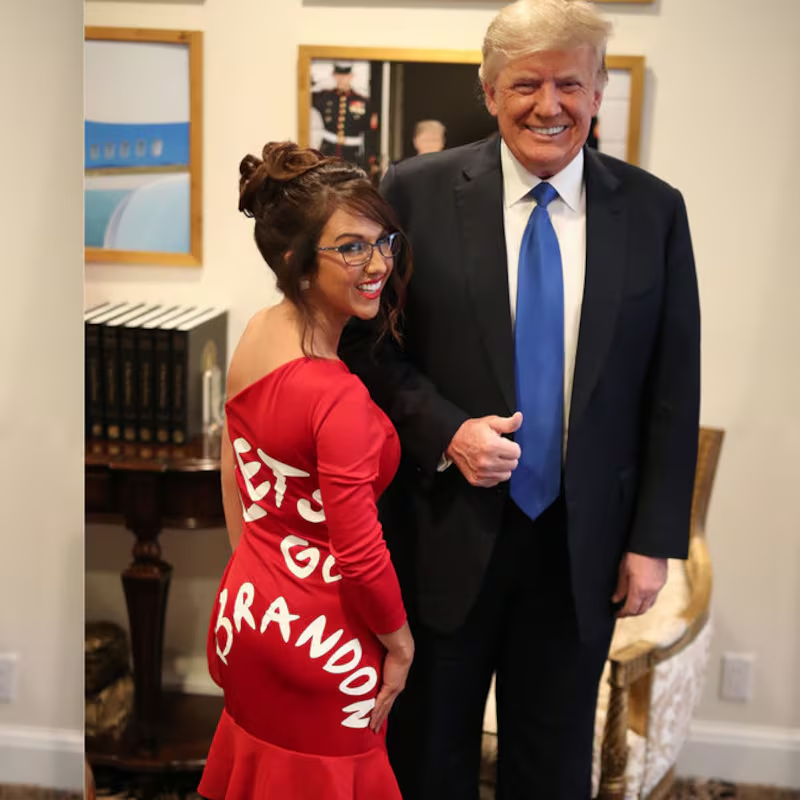
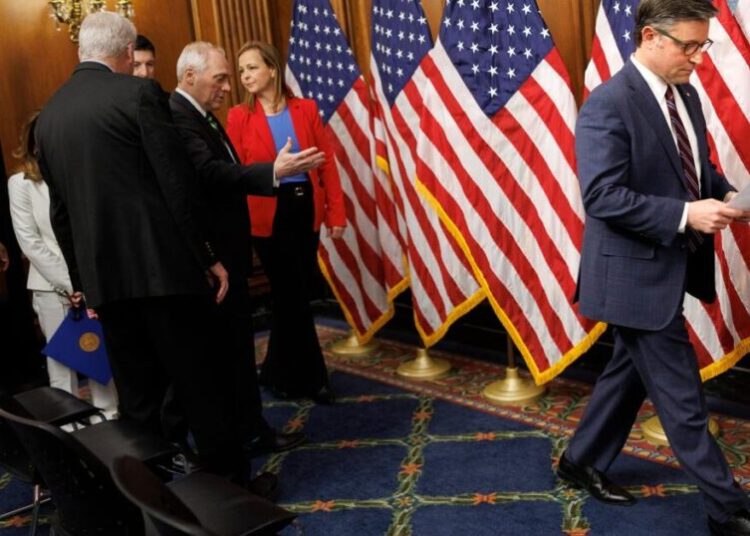
The anecdote confirms a pressure campaign revealed in November, when Trump, 79, personally leaned on a tiny band of Republican “rebels” who were backing a discharge petition to force a House vote on the Epstein Files Transparency Act.
Trump had called Boebert, 39, and she then attended a White House meeting on the files alongside Attorney General Pam Bondi and FBI Director Kash Patel, as the president’s team tried to get her to drop her support.
Aides billed the West Wing sit-down as a briefing but acknowledged it focused on Boebert’s decision to sign Rep. Thomas Massie’s discharge petition to force the release of the Epstein files, joining Nancy Mace and Marjorie Taylor Greene in defiance of GOP leaders and the White House.
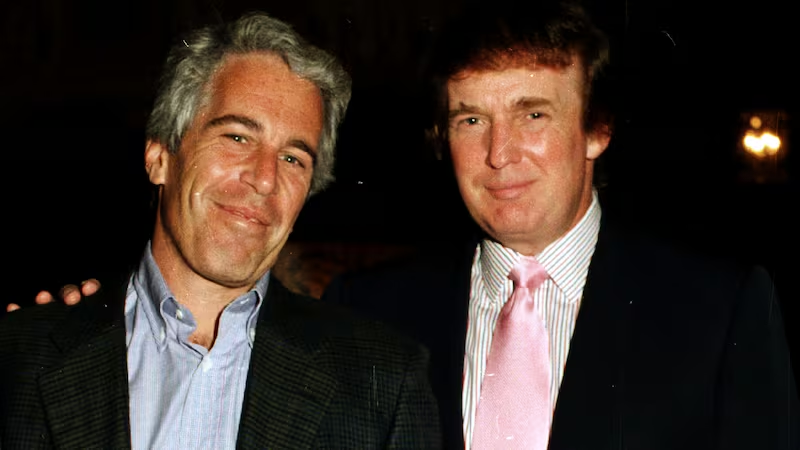
Anderson’s account now reveals that the effort to twist Boebert’s arm unfolded in the Situation Room itself, normally reserved for high-stakes national security crises.
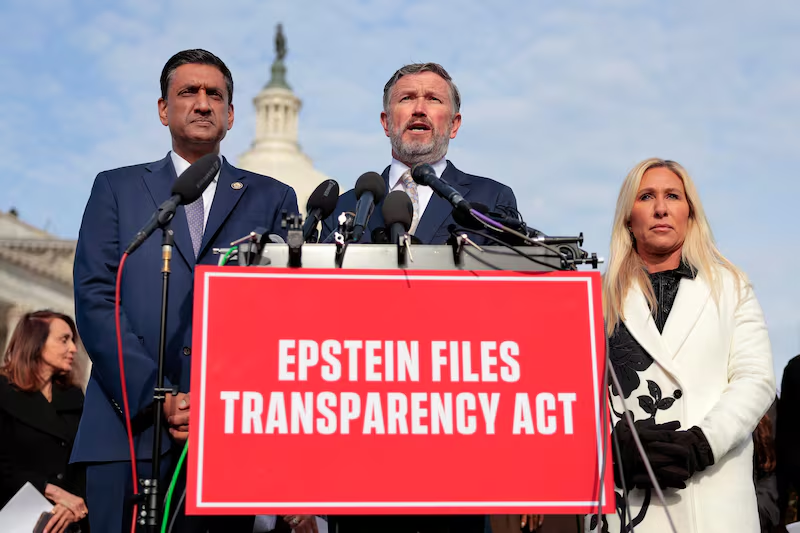
Ultimately, though, the effort failed. On Nov. 18, the House voted 427–1 to pass the Epstein Files Transparency Act under a suspension of the rules, with only Republican Rep. Clay Higgins opposed. Boebert was one of four Republicans who were instrumental in forcing the vote, despite the pressure campaign.
Trump signed the bill into law the next day, triggering a 30-day deadline for the Justice Department to release the trove of Epstein records—with the results beginning to emerge over the past 48 hours.
In the days since publication, the Vanity Fair spread and its accompanying photos became a public obsession—and a major Trumpworld grievance.
A White House spokeswoman accused the magazine of “deliberately” trying to humiliate staff. But critics of the administration embraced the images as a rare, unvarnished look at the people running the country, with photo nerds, art historians, and political junkies dissecting every part of it.
Anderson’s Vanity Fair interview also dwells on the physical feel of Trump’s West Wing. He describes a “small and shabby” complex with messy desks, exposed wiring and scuffed paintwork, likening the experience to seeing “the Wizard of Oz behind the curtain.”
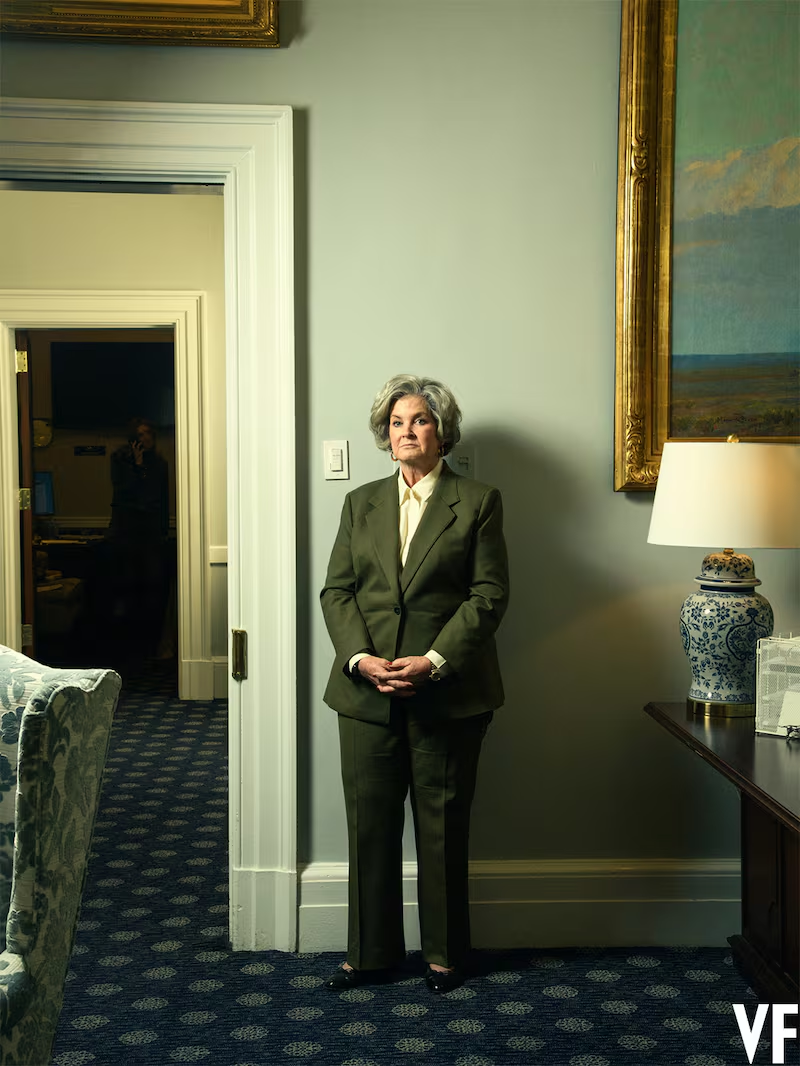
The photographer compared his job to that of a “professional noticer,” moving between wider environmental frames and the ultra-tight close-ups that have dominated social media since the feature went online. The images also included portraits of Vice President JD Vance and Press Secretary Karoline Leavitt.
Anderson says in the interview that his most memorable encounter was with deputy chief of staff Stephen Miller, 40, who peppered him with questions about cameras and angles before telling the photographer he wielded “a lot of power in the discretion you use to be kind to people.” Anderson replied: “Yeah, you know, you do too.”
In one detail that has gone mostly unnoticed, Anderson reveals he built a quiet “Easter egg” into his portrait of Miller. During the group session in the Roosevelt Room, he seated Trump’s hardline immigration aide directly beneath an oil painting showing Native Americans on horseback crossing a river as they return to their teepee village.
The composition places one of the key architects of Trump’s hardline immigration agenda directly under an image of Indigenous people, turning the routine-looking staff portrait into a visual comment on power and history.
“I had Stephen Miller sit underneath one of the oil paintings… a beautiful depiction of Native Americans crossing a river,” he told the outlet, calling the juxtaposition “interesting and maybe incongruous” and urging readers: “Go look for it.”
The Daily Beast has contacted the White House and representatives of Boebert for comment.
The post Vanity Fair Photographer Reveals Epstein Files Panic Derailed Photo Shoot appeared first on The Daily Beast.