

This article is part of the “How AI is Changing Talent” series, which explores how AI is reshaping hiring, development, and retention.
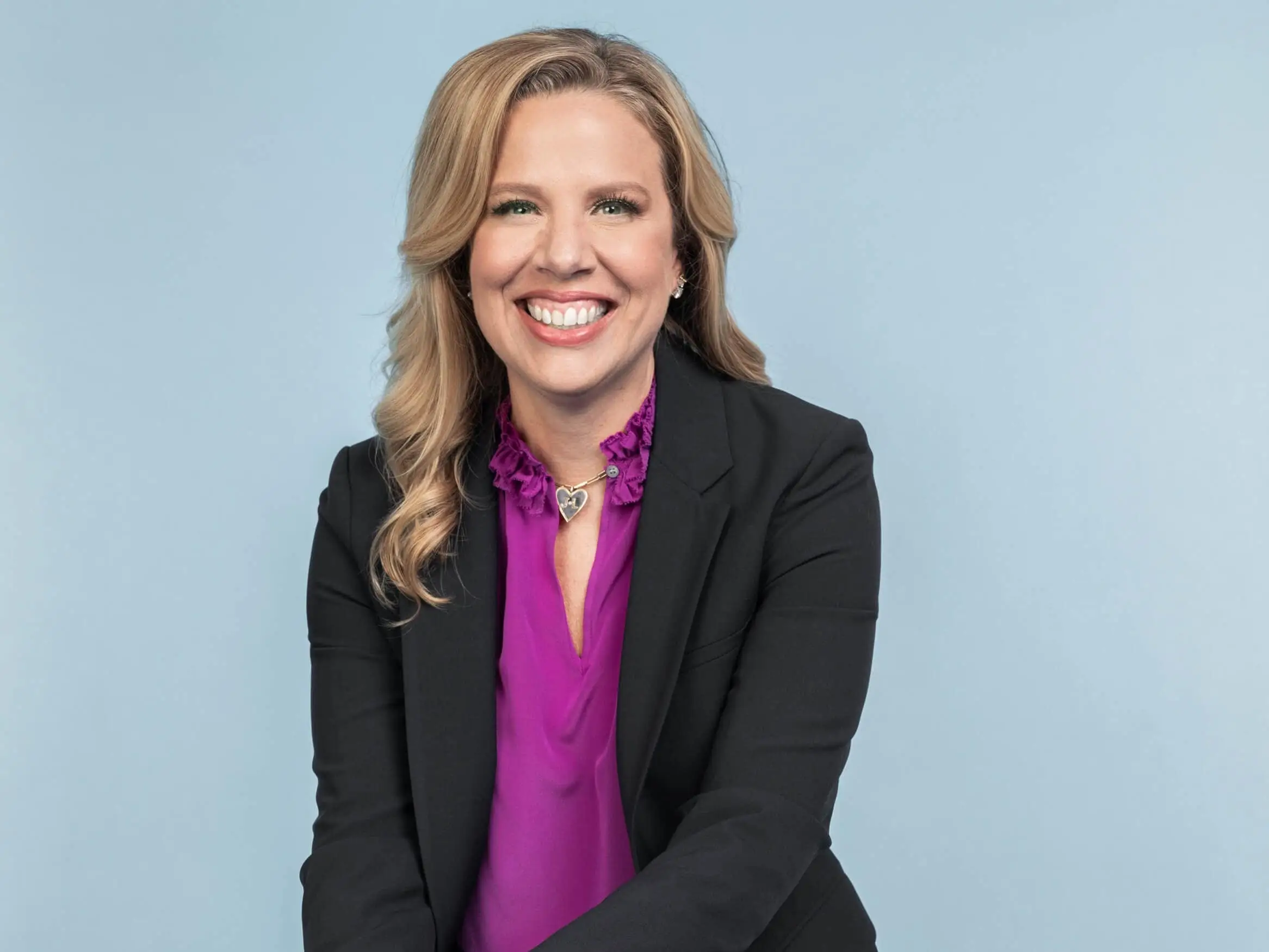
Twelve months ago, Jacqui Canney was ServiceNow’s chief people officer, focused on talent strategy. Today, she’s also the company’s chief AI enablement officer — a title that didn’t exist until recently.
The two roles aren’t separate, Canney told Business Insider. “They’re one strategy, and the companies that understand that are going to be the winners.”
That shift, though, requires letting go of how most organizations have always structured work: by function, head count, and department. “Companies can’t treat this as ‘We’re going to run an AI program over here, and it’ll add capacity,'” she says.
Instead, they need to ask: how does AI change the work across departments? “AI doesn’t follow the same silos people do. That’s why you build the workforce around the new workflow.”
Canney’s approach isn’t an outlier. Rather, it’s a signal of how quickly AI has become part of work and our daily lives.
Three years after the launch of ChatGPT, adoption has reached 54.6%. That’s staggering compared to adoption rates for personal computers (19.7%) and the internet (30.1%) three years after they were widely introduced, according to research by the Federal Reserve Bank of St. Louis.
Meanwhile, about 21% of US workers say that at least some of their job is now done with AI, an increase from 16% roughly a year ago, according to Pew Research Center.
AI is transforming everything about work, from the jobs people do to how they do them. Organizations, meanwhile, are racing to prepare their people for what comes next. While the long-term impact remains uncertain, early patterns are emerging about what’s working and what isn’t.
New job titles, big expectations
AI’s effect on the labor market is showing up everywhere: in how companies screen candidates, which skills command premium salaries, and how performance gets evaluated. Two structural shifts, in particular, stand out: new jobs are emerging, and old jobs are evolving.
An authoritative count of new AI-specific job titles is hard to come by, but data show rapid growth. A report from software company Autodesk found that demand for roles like AI engineer jumped 143.2% in 2024, while prompt engineer rose 135.8%, and AI content creator increased 134.5%. Meanwhile, the number of jobs requiring AI skills rose 7.5% last year, even as total job postings fell 11.3%, according to research from consultancy PwC.
Molly Roenna, global chief people officer at PR firm Weber Shandwick, sees this firsthand. Her company is increasingly seeking specialists in areas like AI integration and AI ethics, and it’s recruiting from disciplines like behavioral science and data analytics.
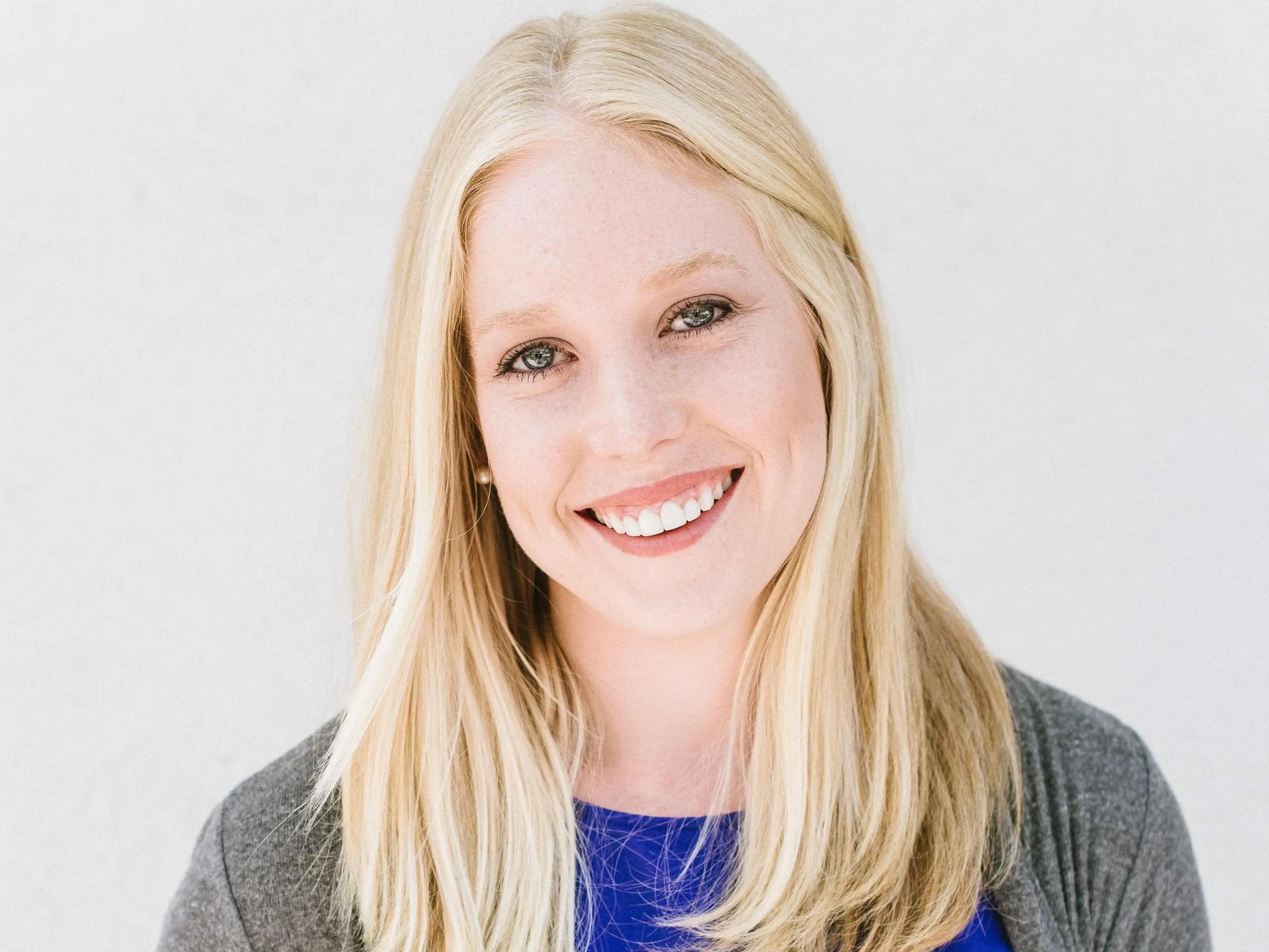
“We’re hiring for a fundamentally different environment,” Roenna says. “Meeting client expectations requires people who use technology as a force multiplier for insight and creativity, not just a shortcut for efficiency.”
The hiring process itself has evolved, too. Many of Weber Shandwick’s interviews now include a “technology conversation,” a practice that appears to be gaining traction. This isn’t to test technical skills, but to gauge how candidates use AI.
“What have they built with AI? What excites or worries them about it? We want perspective that comes from actual practice.”
The dynamic playing out at Weber Shandwick and elsewhere isn’t new. After all, every major technological advancement has created roles that were previously unimaginable, made others obsolete, and forced still others to adapt. What’s different about this AI-driven era, however, is both the speed of change (see above) and the breadth, affecting workers across industries and skill levels.
“We didn’t have programmers before computers,” says Esteve Almirall Mezquita, professor of data, analytics, technology and AI at Esade in Madrid.
Setting the goals for widespread use
Creating new roles and demand for expertise is half the equation. The bigger challenge is helping existing workers figure out how to use AI.
Some companies aren’t leaving that to chance. They’re requiring it, notes Dan Schawbel, managing partner at Workplace Intelligence, a research firm. “CEOs are under enormous pressure to have their AI story intact,” he says. “We have to have our workers using AI. It’s good for productivity, yes, but also our story and bottom line.”
Companies such as Microsoft, Coinbase, and Shopify now mandate AI use, according to previous reporting by Business Insider. Meta plans to measure employees’ performance by their “AI-driven impact.”
Schawbel predicts more scrutiny in the year ahead. Employees will need to function like data scientists, continuously proving their value, he says. “Whether you’re in marketing, IT, or HR, every action can be measured and tracked — and maybe even tied directly to your compensation.”
Tracking the ROI of AI
Measuring AI use and seeing value from it are two different things, however. Even as organizations pour billions into the technology, results have been uneven.
Research by consulting firm BCG of more than 1,250 firms worldwide reports that 60% of companies are investing heavily in AI but seeing minimal returns. Meanwhile, only 5% have taken the step to restructure their operations around AI — and those companies are seeing significant revenue gains over everyone else.
The difference, the BCG research suggests, comes down to several factors. Successful companies have buy-in from the top and have redesigned how work gets done. Most importantly, says Alicia Pittman, BCG’s global people chair, they’ve invested in teaching employees to use AI effectively.

Pittman notes that industries like financial services, insurance, and healthcare are pulling ahead in AI adoption. “We’re seeing companies put real time and energy into this in a way that hasn’t been present before, and that’s good for everybody and good for the global workforce.”
Granted, there’s job displacement that comes with that and some skill sets will go away, she says. “But helping people adapt to AI is a major investment in them as professionals.”
Training AI to work for, not instead of, humans
At Moody’s, the credit ratings firm, that investment involves encouraging employees to teach AI as much as possible.
Ari Lehavi, who runs applied AI there, says this approach frees employees to focus on complex work that requires human expertise.

Take sales, for example. Customer relationship management (CRM) systems can capture basics like company size, contract history, and revenue potential. However, they miss what closes deals: company politics, individual motivations, and who really influences decisions. Lehavi’s team teaches AI systems to learn those details so salespeople can concentrate on managing relationships.
“They can spend their time on things they’re already doing but don’t have enough time for,” he says. “The hard cases, the edge cases, the complex situations, mentoring other people, management, and skill development.”
In other words: the human stuff.
Of course, the path forward isn’t simple or straightforward. Not every company has the resources to retrain its workforce, and some jobs will indeed disappear. Many companies are struggling to make AI work.
Yet, Canney of ServiceNow remains positive. “It’s a human renaissance,” she says. “You’re going to have capacity in your workforce and the chance to guide it toward new revenue streams or creative ways of working. It’s an enormous opportunity, and I’m definitely an optimist about it.”
// How AI is Changing Talent
const seriesTitle = “How AI is Changing Talent”;
// Presented by
const text = “Presented by”;
// 6667548ce07904901817825a
const sponsorLogoID = “6667548ce07904901817825a”;
// Indeed Transparent Logo
const altText = “Indeed Transparent Logo”;
//https://www.businessinsider.com/category/how-ai-is-changing-talent
const hubOrCatURL = “https://www.businessinsider.com/category/how-ai-is-changing-talent”;
document.documentElement.classList.add(“gi-sponsor-module”);
// Selectors and styles last updated: 6-5-25
if (
document.querySelector(“.gi-sponsor-module”) &&
document.querySelector(“.post-body”) &&
!document.querySelector(“.is-enhanced”)
) {
document.querySelector(“.post-hero”).insertAdjacentHTML(
“afterend”,
`
${text}

`
);
}
if (
document.querySelector(“.gi-sponsor-module”) &&
(document.querySelector(“figure.as-full-bleed”) ||
document.querySelector(“.overlay-hero-image”)) &&
document.querySelector(“.is-enhanced”)
) {
document.querySelector(“.timestamp”).insertAdjacentHTML(
“beforebegin”,
`
${text}
`
);
}
if (
document.querySelector(“.gi-sponsor-module”) &&
document.querySelector(“.breadcrumbs-wrapper”)
) {
document.querySelector(
“.breadcrumbs-wrapper”
).innerHTML = ``;
}
Read the original article on Business Insider
The post Work is changing everywhere as AI moves from experiment to expectation appeared first on Business Insider.