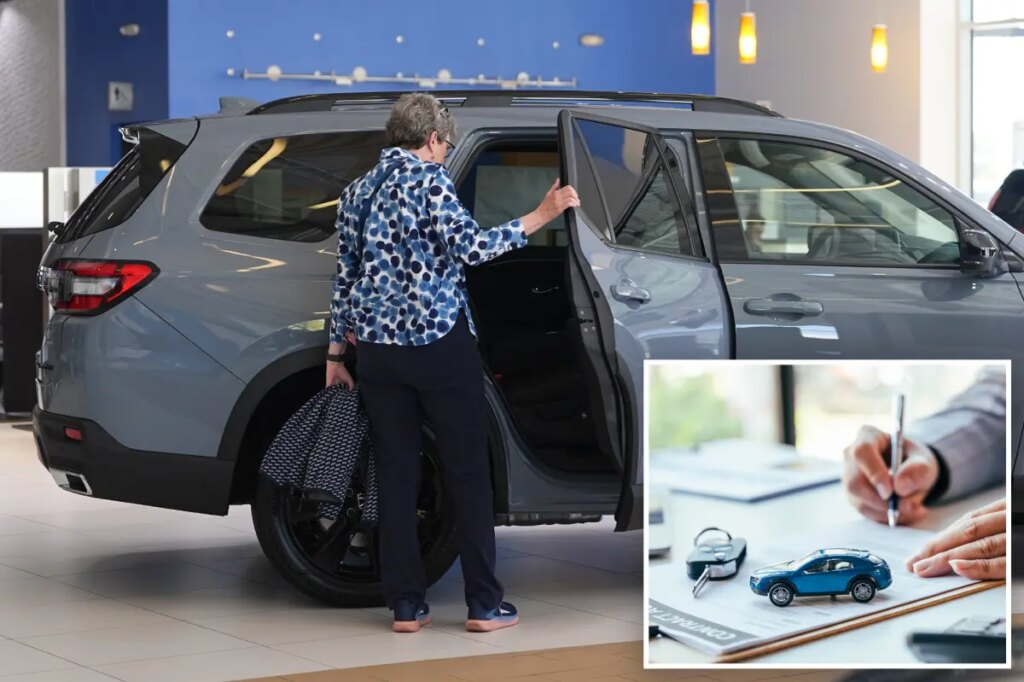
Americans are shelling out record car payments — and now some are signing up for loans stretching nearly a decade to get a new set of wheels.
The average monthly payment for a new car hit about $760 in November, according to industry-research firm J.D. Power, after the typical new-vehicle price surged past the $50,000 mark this fall — up from less than $38,000 in early 2020.
With sticker shock everywhere, buyers are leaning hard on longer financing to keep payments from exploding — even if that means paying far more interest over time.
“We don’t have $300 monthly payments any longer in new vehicles,” David Kelleher, who runs a Dodge and Jeep dealership near Philadelphia, told The Wall Street Journal.
“It’s a thing of the past.”
Industry data show the old norm of 48- to 60-month loans is getting pushed aside. In the third quarter, nearly a third of new-car buyers — 30.5% — took out loans lasting at least 72 months, up from 29% a year earlier.
The longest loans are creeping further into the mainstream. The share of buyers taking 85- to 96-month loans rose to 1.61% through October, and some loans are now reaching 100 months — especially on big pickups.
Longer terms lower monthly pain in the bank account, but they can punish borrowers over time.
A $50,000 loan at 5% over five years works out to roughly $950 a month and about $6,600 in total interest. At 100 months, the payment drops to about $600 — but the interest bill swells to more than $11,000.
Consumers are borrowing more to make it work. The average new loan exceeded $42,000 this year, according to Chase Auto’s head of retail and consumer, Michael Douglas.
“When consumers are deciding what loan term makes the most sense for them, it is important to consider the total cost of car ownership, not just the price of the car at purchase,” he told The Journal.

The debt pile is growing right alongside the loan terms.
Americans carried a jaw-dropping $1.66 trillion in auto loans in the third quarter, about $300 billion more than five years earlier, according to the Federal Reserve Bank of New York.
And the strain is starting to show. As inflation has hammered household budgets, some Americans are falling behind on their car payments, The Journal reported.
One reason affordability is collapsing: automakers aren’t building many new models under $30,000, leaving buyers with few true entry-level options, the newspaper noted.
“It’s a real concern, to be quite honest,” Heath Byrd, chief financial officer of Sonic Automotive, was quoted as saying.
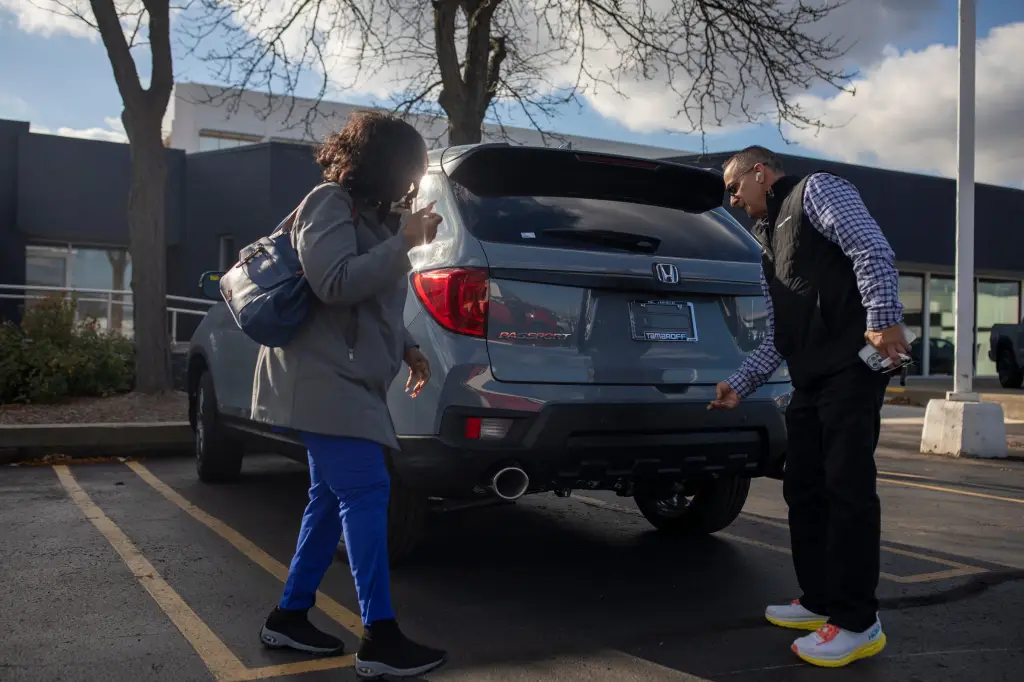
There are signs buyers are scrambling for anything cheaper.
Ford said customers have been gravitating toward lower-priced base packages for its most popular models.
Sales of the entry-level Maverick pickup jumped 43.3% year-over-year in November, according to Ford.
Jeep, which saw sales slump during the pandemic in part because of high pricing, has been lowering prices by thousands of dollars on many vehicles to widen its reach.
A significant portion of Jeep’s lineup now falls below a $50,000 sticker price, said Jeep CEO Bob Broderdorf — a shift that helped boost sales by 11% in the most recent quarter.
“The entire problem we have in the industry right now [is with] rising prices, rising inflation of everything,” the exec told The Journal.
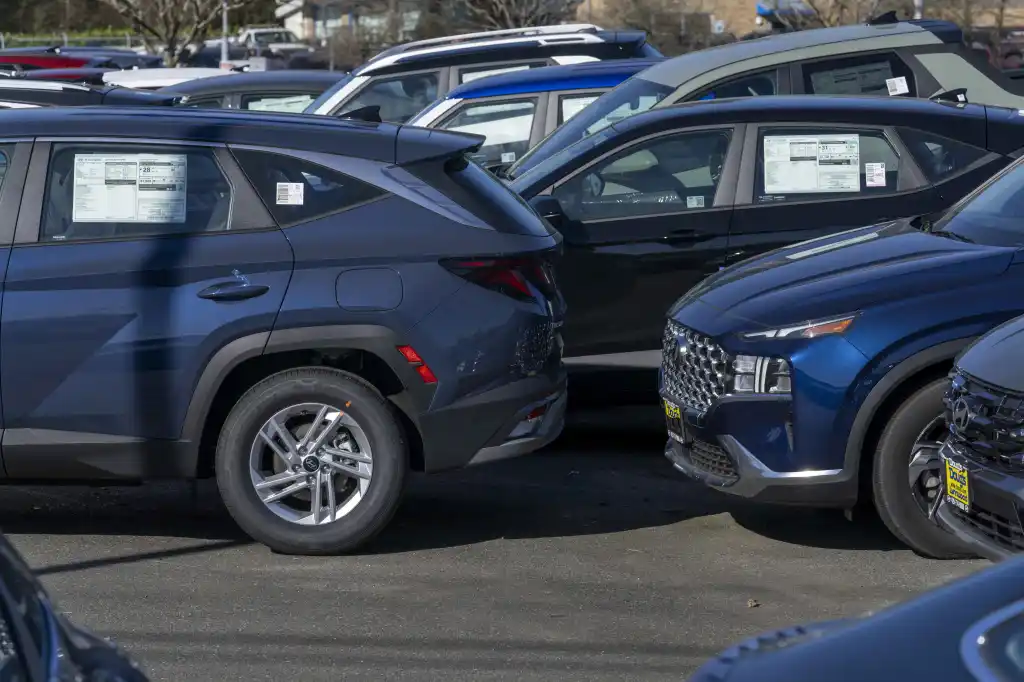
The White House has also started leaning into the idea that cars need to get cheaper.
President Trump recently directed federal regulators to pave a path for automakers to sell tiny, more affordable cars in the US that don’t currently meet government safety standards.
For many shoppers, the new reality is still hard to process.
Steve Levy, a 62-year-old wealth-management adviser in Texas shopping for a replacement pickup, said today’s loan lengths are jarring compared with what he remembers.
“The fact you can go out as long as you can go now is actually stunning to me,” Levy told The Journal.
The post Americans are getting locked into decade-long car loans as new vehicle prices skyrocket appeared first on New York Post.