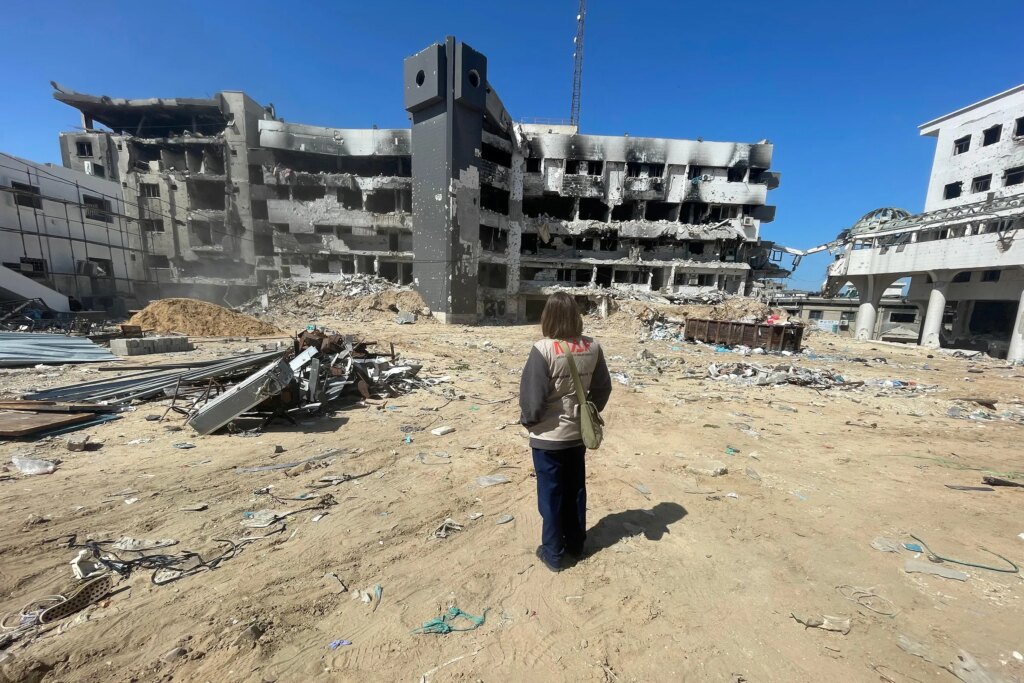
The doctors who volunteered in Gaza during some of the war’s most punishing months say the images have not faded with time. They still recall the same scenes with unsettling clarity: emergency rooms so crowded that patients lay on the floor, malnourished children arriving without their parents, and Palestinian colleagues working through hunger, exhaustion, and private grief. The Oct. 10 cease-fire has given them a moment of pause, but it has done little to loosen the grip of the memories they carry.
[time-brightcove not-tgx=”true”]
Dr. Tanya Haj-Hassan, a Jordanian-American intensive care specialist, is among the many international doctors who traveled to Gaza to volunteer at the height of the Israel-Gaza war. Although she has worked in mass-casualty settings around the world, she says her missions in Gaza in March 2024 and again this past February were unlike any deployment she had undertaken.
“It felt like Armageddon. It was awful. I don’t remember caring for a single child that was brought in by their parents,” she says, recalling how neighbors, rather than family members, often carried injured children into the hospital.
In interviews with TIME, other volunteer doctors described similar scenes, detailing the lasting, psychological impact of what they witnessed and experienced in Gaza.
Dr. Sarmad Tamimy, a reconstructive surgeon from Nottingham, England, completed two stints in Gaza—first in December 2024, then again the following June—and says no part of his medical career spanning more than 25 years prepared him for what he encountered. Dr. Livia Tampellini, an Italian physician with Médecins Sans Frontières (MSF) who worked in Gaza over the summer, describes struggling with the transition home.
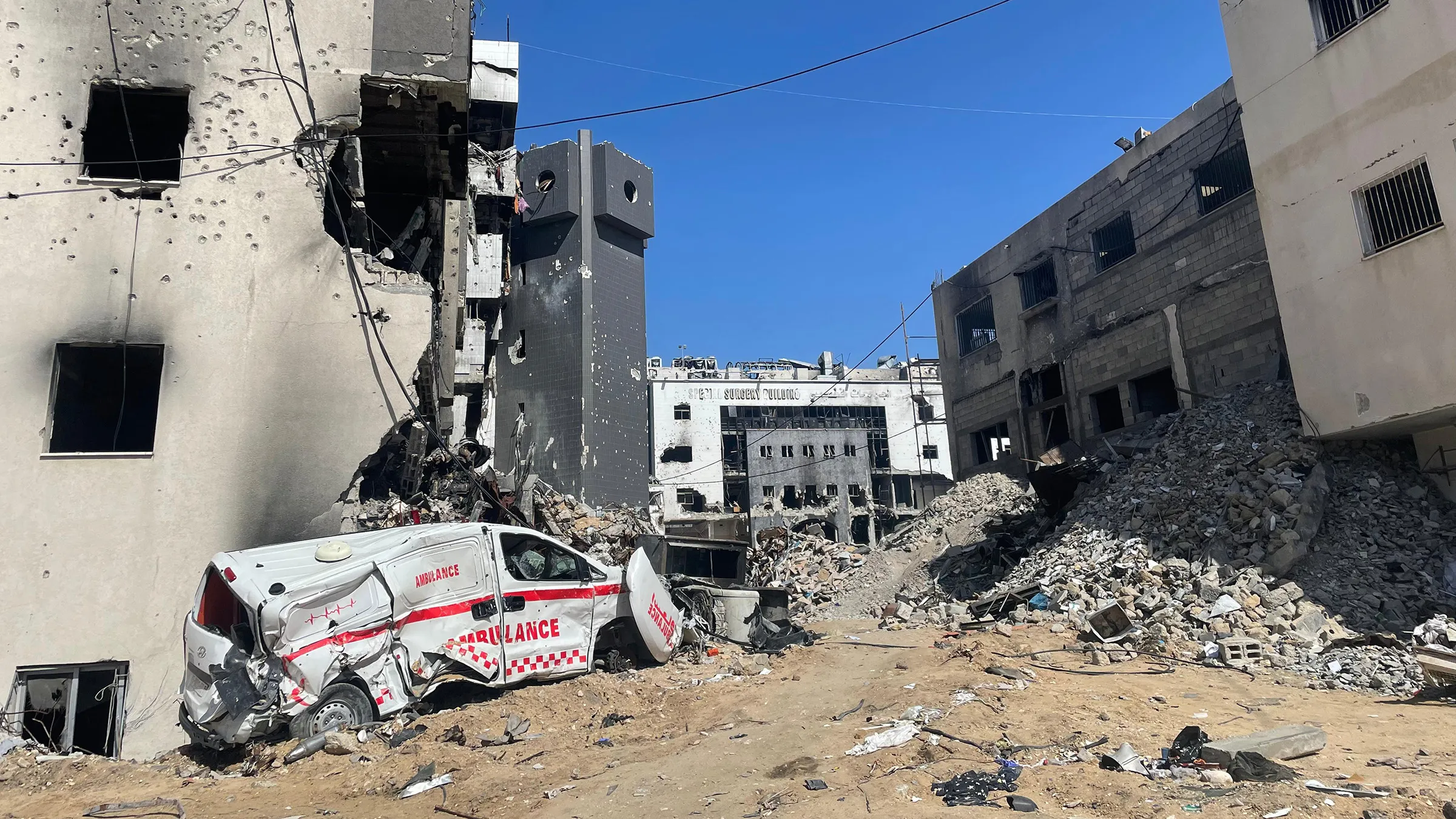
What follows are their accounts of the conditions they witnessed on Gaza’s hospital floors.
Overwhelming influx of seriously injured patients
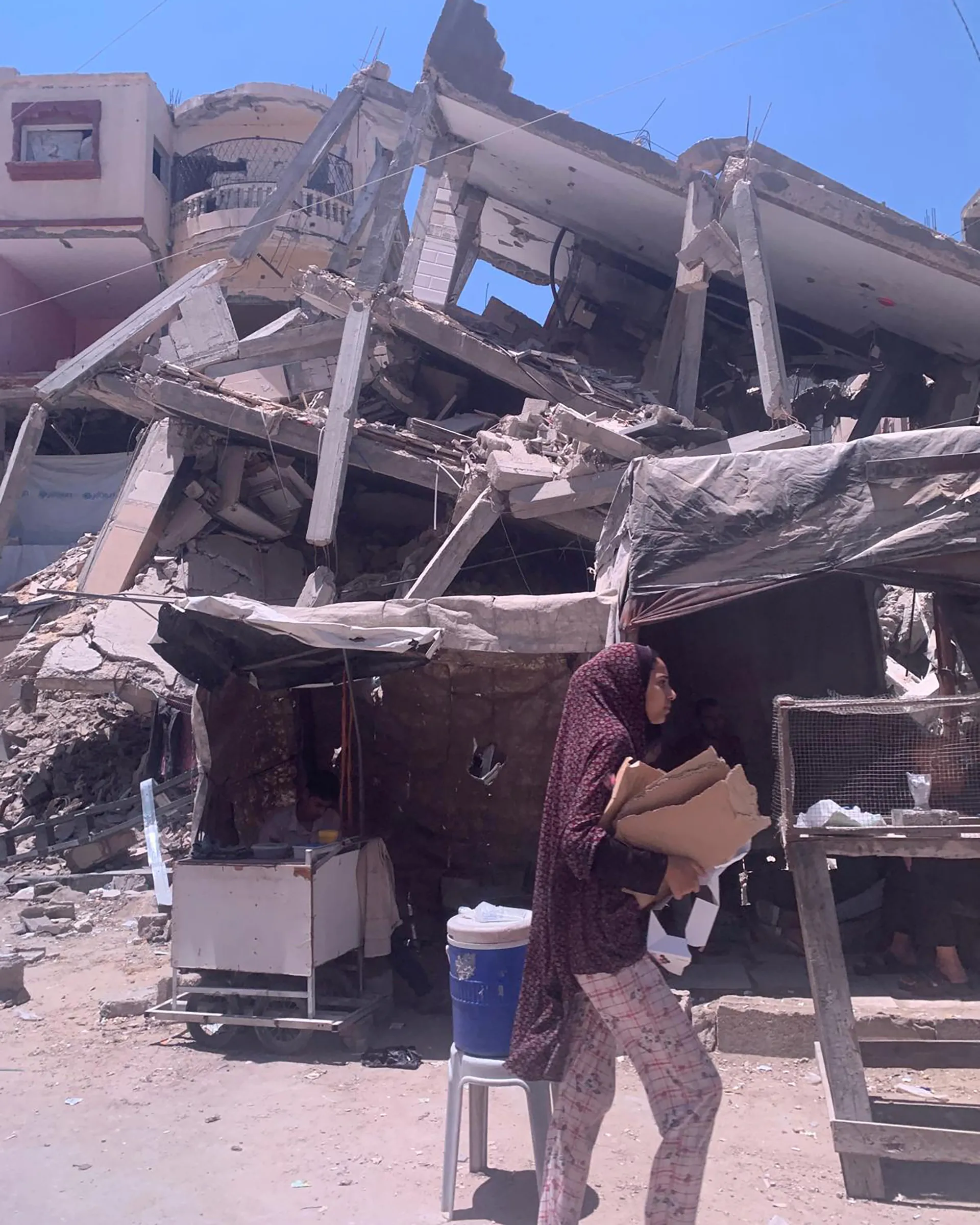
Gaza’s Health Ministry estimates that more than 70,000 Palestinians have been killed since Oct. 7, 2023, and more than 170,000 Palestinians in Gaza have been injured, according to U.N. data. It is estimated that over 80% of the territory’s infrastructure remains damaged or destroyed. Half of Gaza’s 36 hospitals no longer function.
As the war escalated, the medical facilities became overwhelmed by the influx of the wounded.
“It was so chaotic that random neighbors were just picking up the casualties and running with them to the hospital,” Haj-Hassan recounts. “You had traumatic amputations, people lying on the ground, it was a horrific sight.”
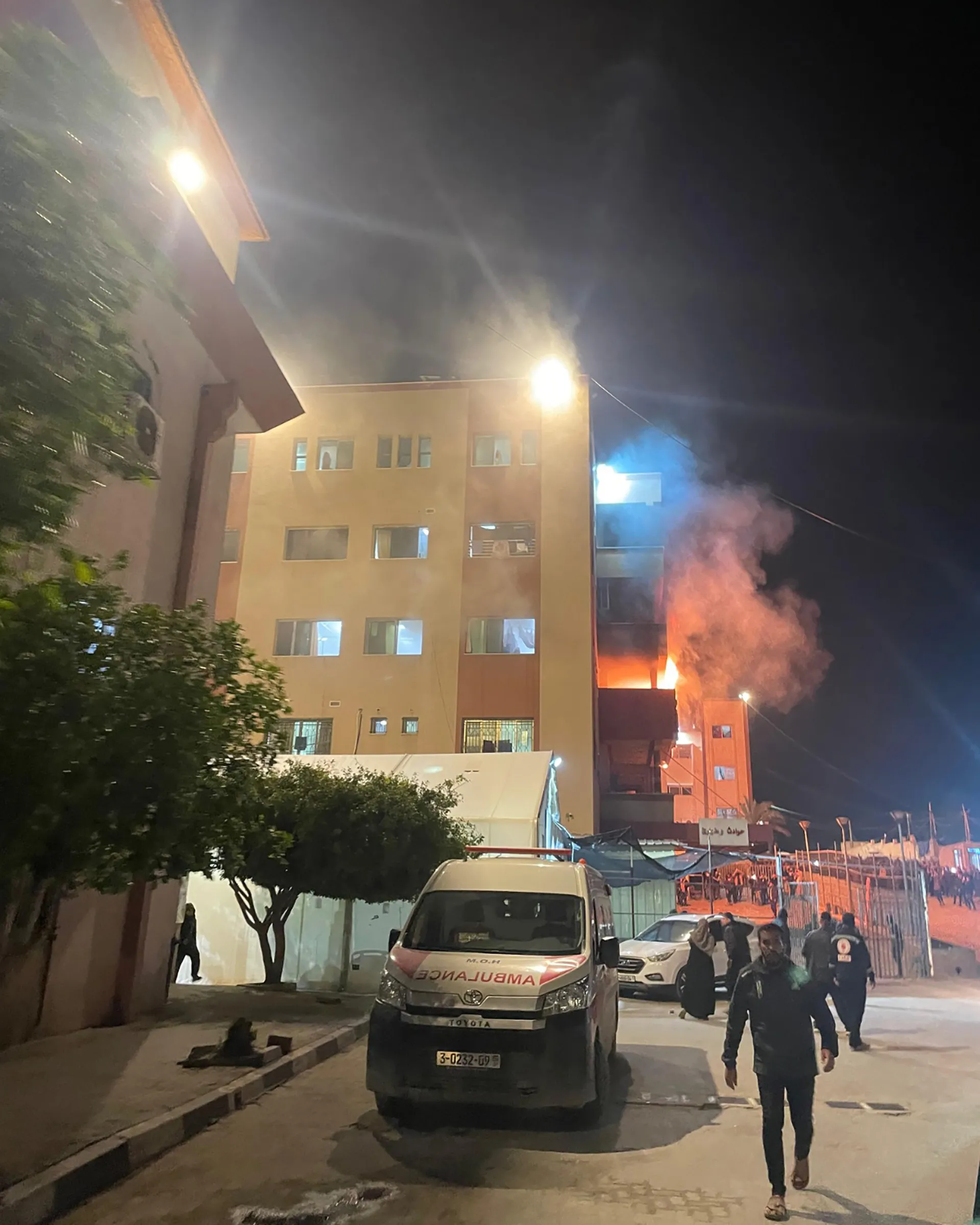
Her time at Nasser Hospital in Khan Younis left a particular impression. Patients who were beyond saving were often left without proper end-of-life care. “When a patient was really suffering, we were not able to provide them with a merciful or dignified death,” she says.
There was a time when I started feeling that the people who died at the bombings were better off compared to the people who came to the hospital.
Dr. Sarmad Tamimy
Tamimy, who also spent time at Nasser Hospital, recalls a similar feeling of helplessness—made starker by the number of minors among the wounded.
“I think at least 50% of my patients were children,” he says. One day remains vivid in his memory: a one-and-a-half-month-old baby injured when a camp was bombed, followed by a six-year-old, an eight-year-old, and a twelve-year-old. “It felt wrong, but you had to make some sort of prioritization system in your mind. So most of the time you ended up treating children over others.”
Unhygienic operating conditions and lack of medical supplies
Medical supplies became increasingly hard to acquire, particularly when routes such as the Rafah crossing were closed. From prescribed medication to basic soap, everything had to be used sparingly.
Haj-Hassan recalls her colleagues treating an eight-year-old boy who had encountered “extremely painful” femoral fractures in both legs in March 2024.
“You have to actually push it [the bone] back in line before all the tissues swell,” she says. The lack of supplies meant doctors were forced to do the procedure without any pain relief. “It was so inhumane. I remember the child screaming as they relocated both legs,” she says.
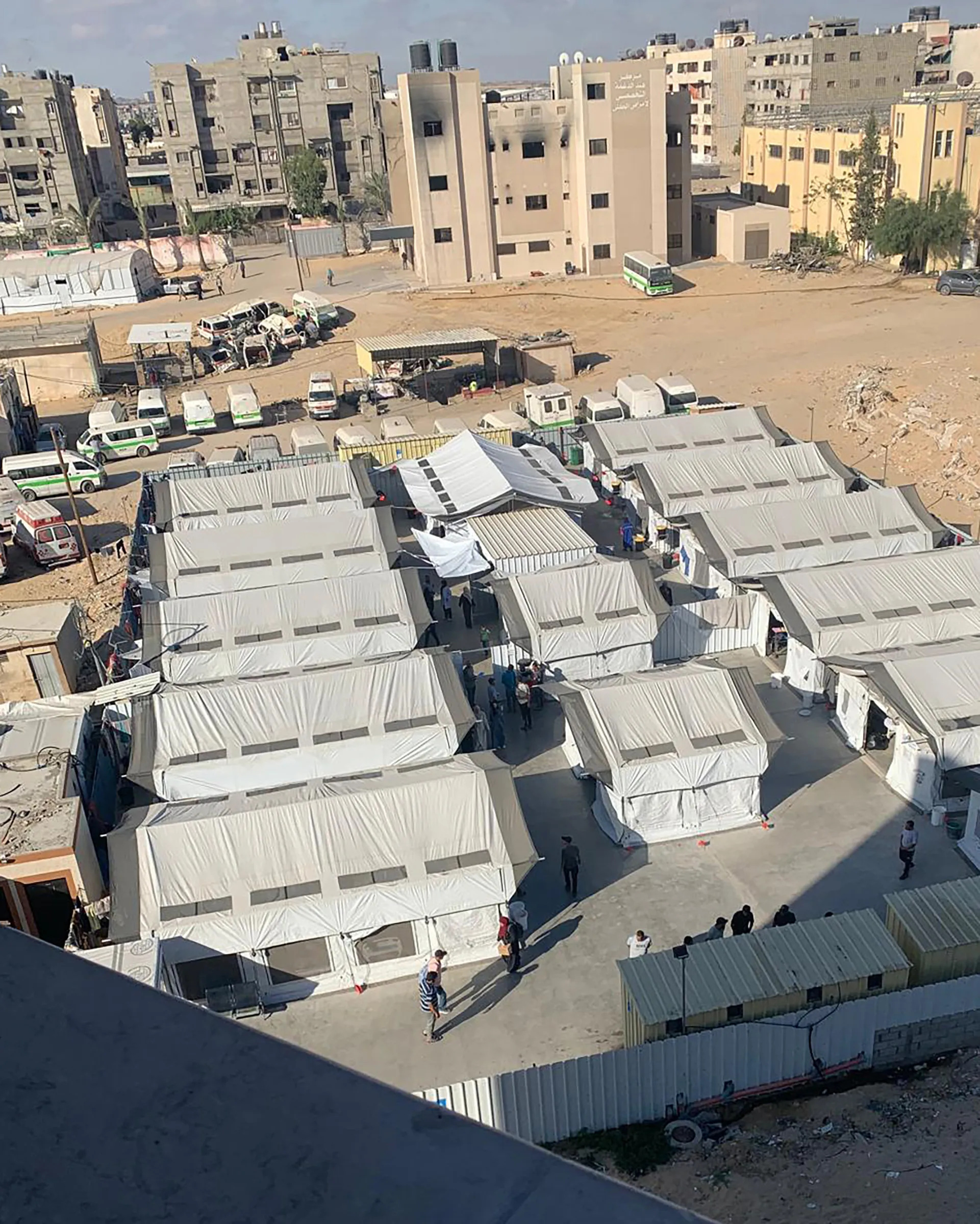
At her field hospital in Deir al-Balah, Tampellini recalls trying to ration the most basic of medical supplies, unsure when more would arrive. “We were really counting how many spoons of soap we could use,” she says.
Tamimy faced similar constraints. On several occasions, patients would leave the hospital without the required dressings, only for them to return shortly thereafter with their wounds infected.
“There were flies everywhere in the [operating] theater, because we could not get rid of them, and we were seeing patients with their wounds with maggots in them,” he recounts. “Antibiotics were also hit and miss… there was no rationalization with using them. Whatever we would get, we would just use.”
So horrific were the conditions, Tamimy at times pitied those brought to the hospital. “There was a time when I started feeling that the people who died at the bombings were better off compared to the people who came to the hospital,” he says.
The toll on Palestinian colleagues
Volunteer doctors also describe the emotional toll of watching their Palestinian counterparts. Many staff members were grieving lost relatives, displaced from their homes, or lacking access to food.
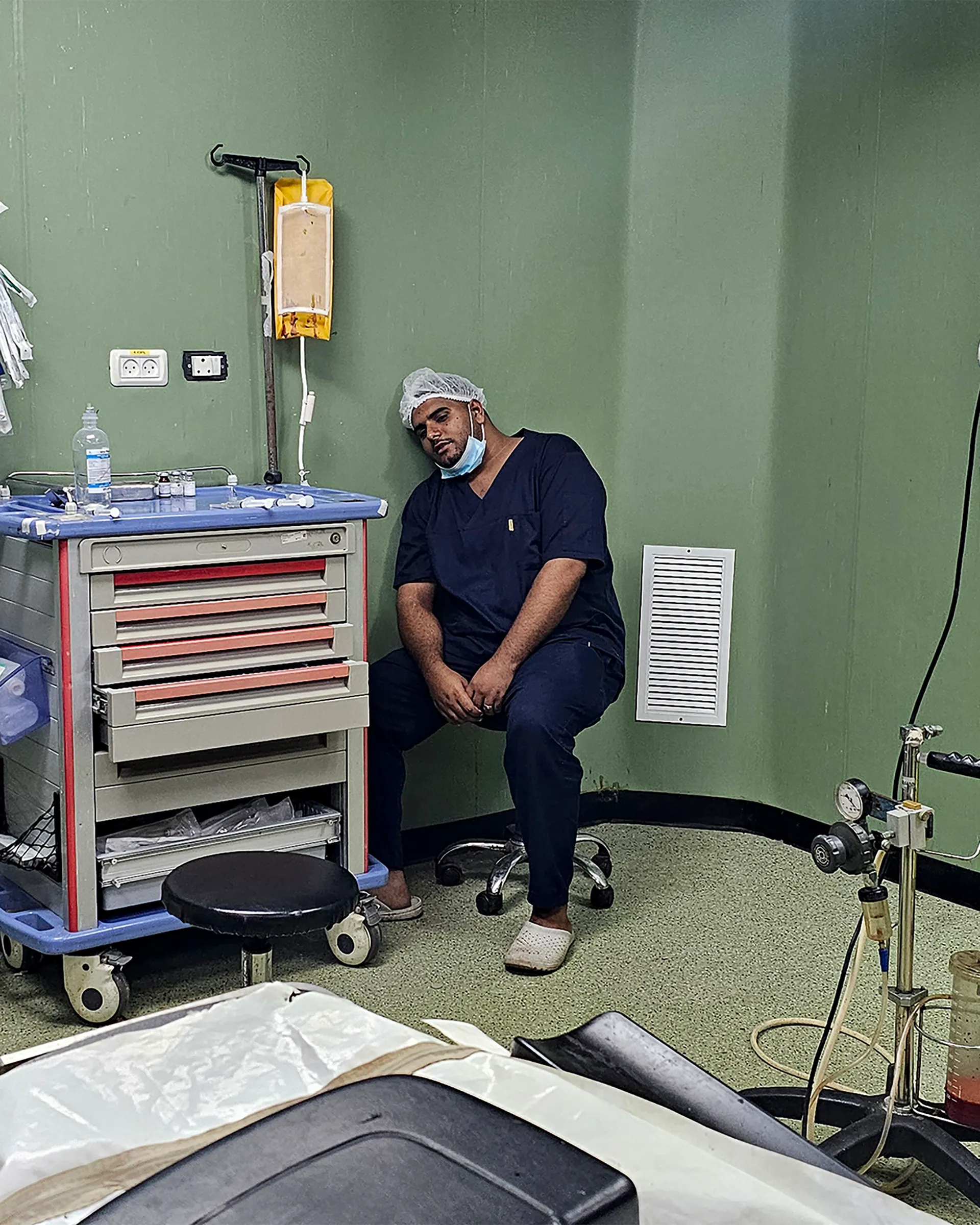
When Tamimy returned in June, six months after his first mission, the change among staff was unmistakable. “The same staff members—doctors, nurses and operation theater staff—that I had worked with before had lost an immense amount of weight,” he says. “They were literally skin and bone.” The operating theater had become “eerily quiet,” he recalls, the result of profound mental and physical exhaustion.
Palestinian staff received one daily hot meal without protein, he says, and relied on unpredictable aid trucks for anything more. Many arrived at work hungry. “They would try to keep up with [our] pace as much as they could, but they just physically couldn’t,” Tampellini says. “We were the lucky ones. I could go home to eat, drink, and rest.”
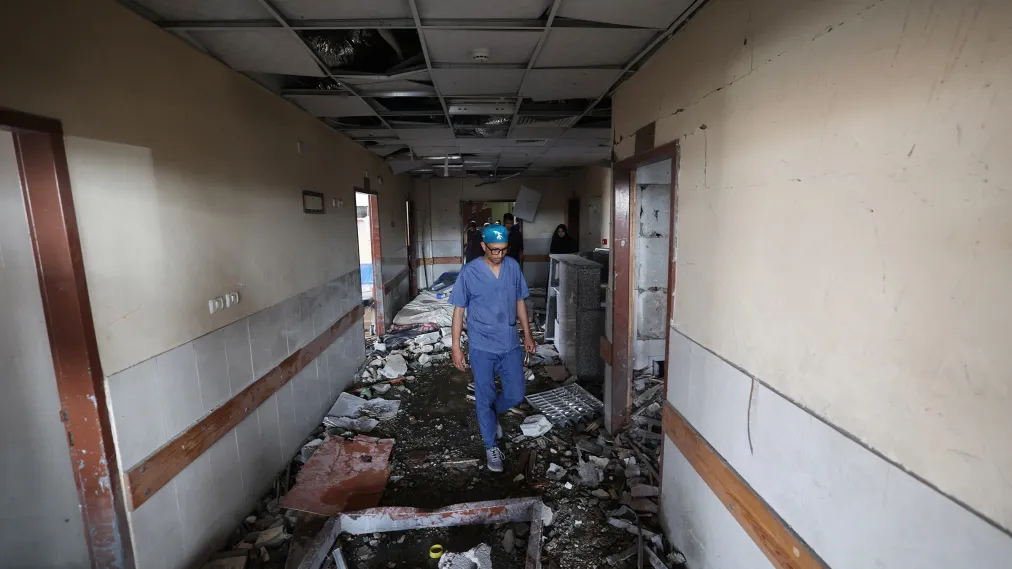
For some, the strain became unbearable. Haj-Hassan remembers a nurse who broke down upon seeing the blood-streaked floors of the emergency department during one particularly grueling shift.
“For us foreign medical workers, our families were safe, but I honestly can’t fathom how the staff on the ground felt,” Haj-Hassan says. “Our Palestinian colleagues had no light at the end of the tunnel.”
Since returning home, Haj-Hassan draws strength from her memories of the Palestinian staff.
“There’s a steadfastness in Palestinians that I think comes from generation after generation of living under oppression,” she says.
The post Volunteer Doctors Reflect on Working in Gaza: ‘It Felt Like Armageddon’ appeared first on TIME.