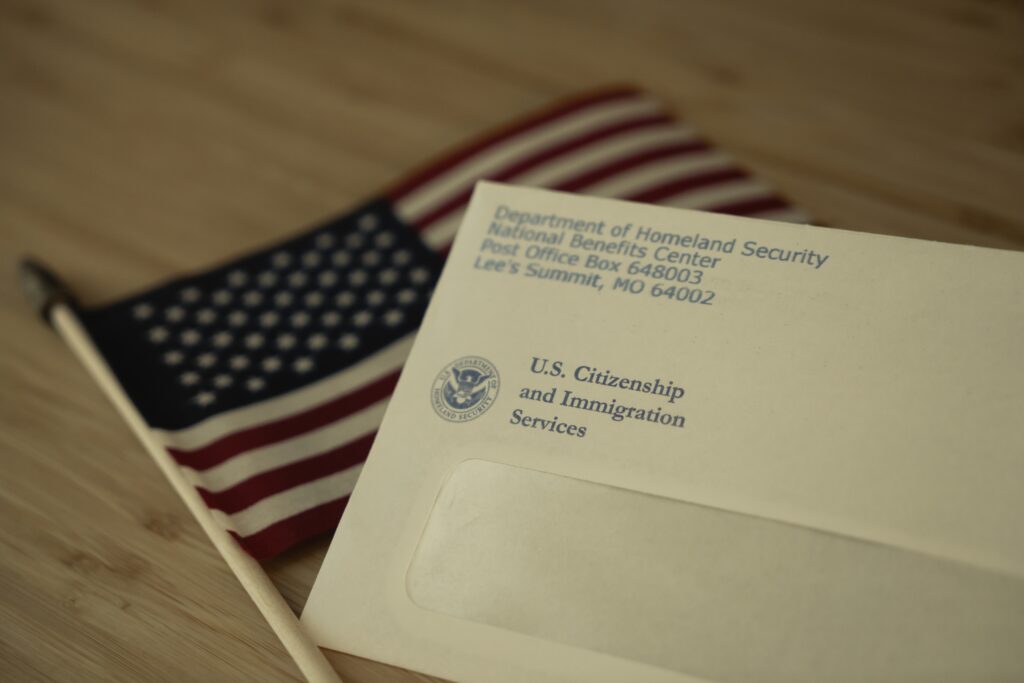
A visa lotterypermits lawful entry of up to 55,000 people annually from countries with low rates of immigration to the United States. The Trump administration swiftly suspended that program for everyone after announcing that Claudio Neves Valente, who murdered two Brown University students and an MIT professor, entered from Portugal in 2017 with such a visa. He had previously studied at Brown on a student visa but dropped outof his physics PhD program, apparently fueling resentment and disaffection, but investigators do not believe he had any prior criminal record.
Using awful tragedies as a pretext for far-reaching policy changes has become a pattern. Last month, President Donald Trump suspended all immigration processing for anyone from Afghanistan after Rahmanullah Lakanwal’s attack on two National Guard members in D.C. The government believes the suspect, who assisted U.S. forces, became radicalized after entering this country.
Next, a potential war with Venezuela could be used by Homeland Security Adviser Stephen Miller to justify invoking the Alien Enemies Act to deport hundreds of thousands of Venezuelan migrants and refugees, The Post reported Thursday. Never mind that these people fled the regime of Nicolás Maduro that the administration hopes to change.
Plenty needs reforming in the immigration system. The routes to becoming American are complex, onerous and include dozens of visa categories, with endless exemptions. In addition to the case of the Portuguese madman, who killed himself, the merits of a lottery system are debatable. Scrutinizing how immigrants are vetted is worthwhile, especially after an evildoer slips through the cracks. At the same time, it does not follow that the U.S. government should cut off an entire pathway for legal immigration because of the actions of one man.
Meanwhile, Trump is stopping citizenship ceremonies for immigrants from 19 countries who have already been approved for naturalization. The administration has instructed Citizenship and Immigration Services field offices to identify 100 to 200 caseseach month in which they might try to denaturalize foreign-born U.S. citizens based on a fraudulent statement they might have made in their application.
This is also incoherent. Trump interjects from time to time with something that sounds more sensible, like when he made the case in September for South Korean immigrants to teach Americans how to do high-skilled manufacturing work. Trump’s insistence that such workers are “welcome” was an attempt to clean up damage caused by rounding up hundreds of workers at the Hyundai-LG electric vehicle battery factory in Georgia. In the weeks that followed, Trump offered a robust defense of high-skilled H1B-visas. He’s also expressed sympathy this year for farmers and hospitality businesses who depend on illegal immigrants.
This lurch between Miller’s nativist approach and a more nuanced approach creates endless confusion. A majority of Americans still say they support Trump closing the border, something he did decisively after returning to office yet spends surprisingly little time touting. Attention goes instead to crueler tactics, such as ICE agents rounding up elderly people and women working in nail salons.
Taken together, the Trump policy seems to be: wait for something bad to happen, and then restrict as much immigration as possible. And if the incident doesn’t arise, start it yourself. Or go back into the archives and find one. Trump is throwing away his own policy wins on the border by stoking a needlessly messy immigration system, which strips away certainty and incentives to follow the law.
The post Trump again uses a tragedy as the pretext to target legal immigrants appeared first on Washington Post.