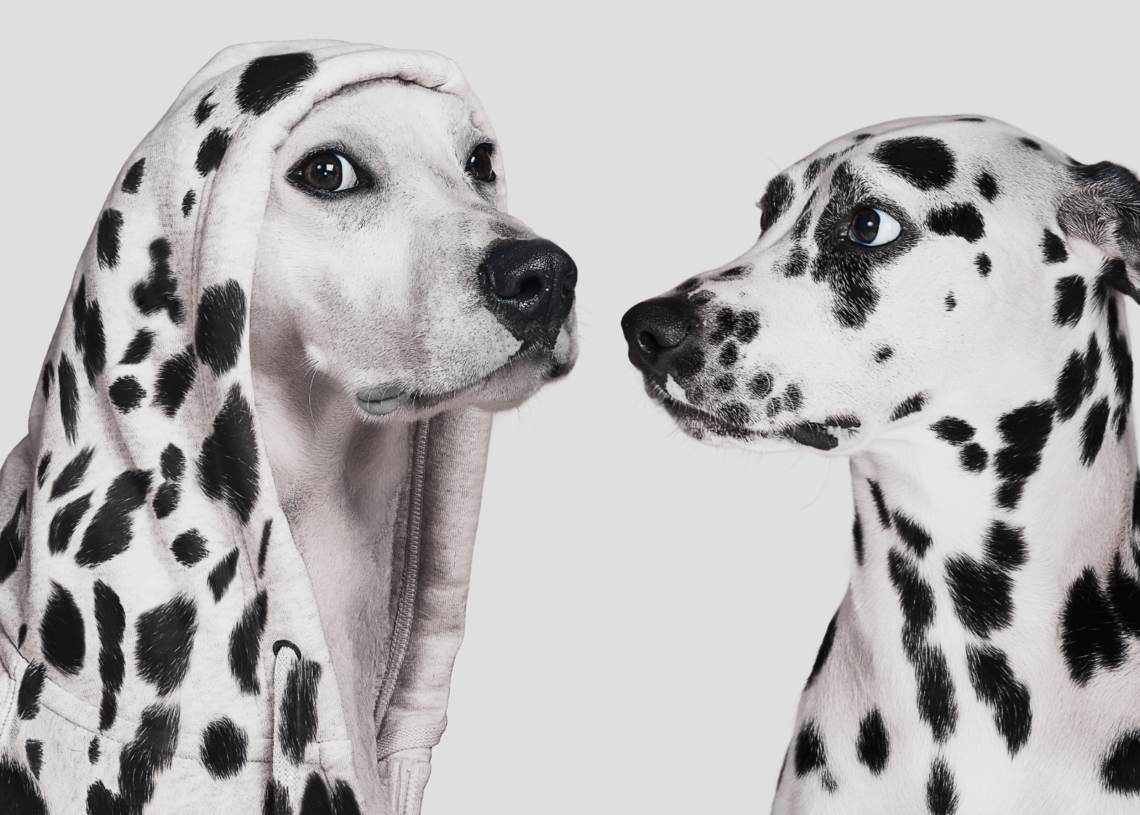
When Venessa Johnson met her new puppy, Ollie, she recognized him instantly. Same eyes. Same nose. Same way of looking up at her that felt familiar and a little disturbing all at once. What didn’t match was their existence in time. Ollie was eight weeks old. Oliver, the dog Johnson had loved for more than a decade, had died the previous December.
“It was strange because it was Oliver’s eyes looking at me, but it was not wholly him,” Johnson, 48, told the New York Post about meeting Ollie in upstate New York.
Ollie exists because Johnson spent $50,000 cloning her late Shih Tzu through ViaGen, a Texas-based biotech company that specializes in pet cloning. The process relies on somatic cell nuclear transfer, the same technique used to create Dolly the sheep in 1996. Tissue collected from the original pet gets used to create an embryo, which is then implanted into a surrogate dog. Months later, a genetically identical puppy is born.
Pet cloning has moved beyond novelty and into the mainstream among wealthy pet owners, including high-profile figures like Tom Brady, who has publicly acknowledged cloning his family dog and investing in the technology behind it. Johnson, an Amazon executive living in Los Angeles, said she found cloning while searching online for help after losing Oliver. “It gave me a lifeline where I felt a ray of hope, having a piece of Oliver to continue on,” she told the Post.
ViaGen reports a success rate close to 80 percent and says it has cloned more than 1,000 cats and dogs since 2015. A 2024 CBS News investigation found the company in compliance with USDA and animal welfare rules. Still, critics remain vocal. Animal welfare groups, including PETA and the ASPCA, oppose the practice, urging adoption instead.
Another ViaGen client, Kay, a 37-year-old software developer in Seattle, ended up with three clones of her 18-year-old pinscher, Feto. She named them Feto 4, Feto 5, and Feto 6. “It feels stupid to say out loud, but it felt like reaching across the universe back in time,” she told the Post. The puppies smell like the original, whimper the same way, and share little behaviors she recognizes. But they also show differences. Each one has a slightly different piece of the dog she lost.
Veterinarian Dr. Rebecca Greenstein told the Post that physical similarity doesn’t guarantee identical personalities. Environment, diet, and owner behavior all shape who an animal becomes. “The personality isn’t necessarily going to be the same,” she said.
Johnson admits the decision came from deep grief and says she wouldn’t make it again. Weeks later, she’s also honest about the comfort Ollie brings. The cloned puppy doesn’t replace Oliver. He reminds her of him. For some people, that reminder feels healing. For others, it raises harder questions about love, loss, and how far technology should go when grief is driving the decision.
The post People Are Spending $50,000 to Clone Their Dead Pets appeared first on VICE.