You can tell a lot about a cultural moment from the movies it produced. And by that measure, the mid-1970s were both harrowing and exhilarating. In 1975, you could see “Jaws,” “One Flew Over the Cuckoo’s Nest,” “Nashville” or “Three Days of the Condor” at the theater. The next year, you could catch “All the President’s Men,” “Taxi Driver,” “Network” or “Assault on Precinct 13.” That’s just a tiny sampling.
The premise of “Breakdown: 1975” (streaming on Netflix), Morgan Neville’s new documentary about those bracing, chaotic years, is that 1975 represented a brief turning point in American cinema, a time of disillusionment but also artistic freedom and incisive political commentary. The “1975” of the title is a little misleading — really, this is about the period from roughly 1974 to 1976, with a little bit of overhang on either side.
“Breakdown: 1975” pulls together a dizzying array of filmmakers, artists and other commentators — Martin Scorsese, Ellen Burstyn, Joan Tewkesbury, Albert Brooks, Josh Brolin, Seth Rogen and many more — to talk about the movies of that moment and what they meant then and now, often interspersed with film clips and archival news footage.
The structure of “Breakdown: 1975” could have used a firmer hand: It jumps from topic to topic, with rocky transitions and occasionally hokey narration from Jodie Foster. (“Were we living the American dream or an American nightmare?”) There’s not a clear argument being made so much as a lot of information being imparted in a hurry, which means everything’s covered at surface level and sometimes we get only half the picture. For instance: Noting that the 1971 blaxploitation film “Sweet Sweetback’s Baadasssss Song” became the highest-grossing independent film ever made at its release, “Breakdown: 1975” informs us that “Hollywood learned that success is not black or white — it’s green.” But it takes only a cursory knowledge of Black film history to know that Hollywood is still learning that lesson.
If you’re an aficionado of ’70s cinema, there’s probably not much new here. The films covered are certainly a murderer’s row of masterpieces, but they’re familiar to cinephiles.
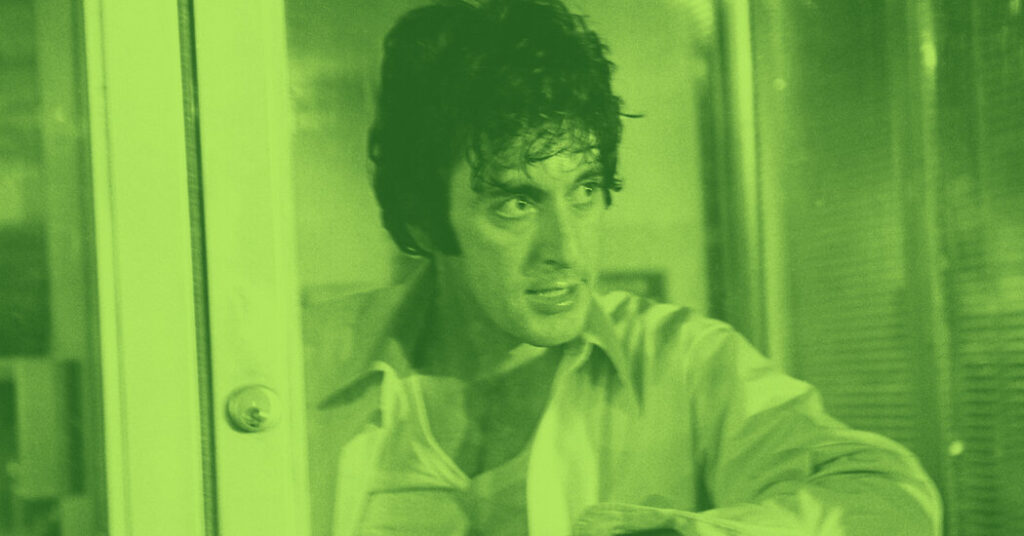
Yet despite its lack of depth, there’s value to “Breakdown: 1975” as an introduction to an era, particularly for younger people or newer movie lovers who might relish learning about the films of the time and the ways they weave into history. Major streaming platforms — including Netflix — have a pronounced recency bias in their offerings, and some audiences (not just young ones) have formed the opinion that “old” movies are boring. Yet watching “Breakdown: 1975,” you remember just how far from boring “The Towering Inferno” or “The Parallax View” or “Dog Day Afternoon” is.
The reason, as many of the interviewees remind us, is that this was a time in which distinctive filmmakers’ voices were evident in their work. As Brolin puts it, the movies “didn’t pander to trend. It was about a personal point of view.” Films were a way to understand the topsy-turvy, often frightening world outside the theater. And the best thing that “Breakdown: 1975” can do is help viewers discover films from the past that might have something to say to the present, too.
Alissa Wilkinson is a Times movie critic. She’s been writing about movies since 2005.
The post ‘Breakdown: 1975’ Remembers the Distinctive Cinematic Voices of an Era appeared first on New York Times.