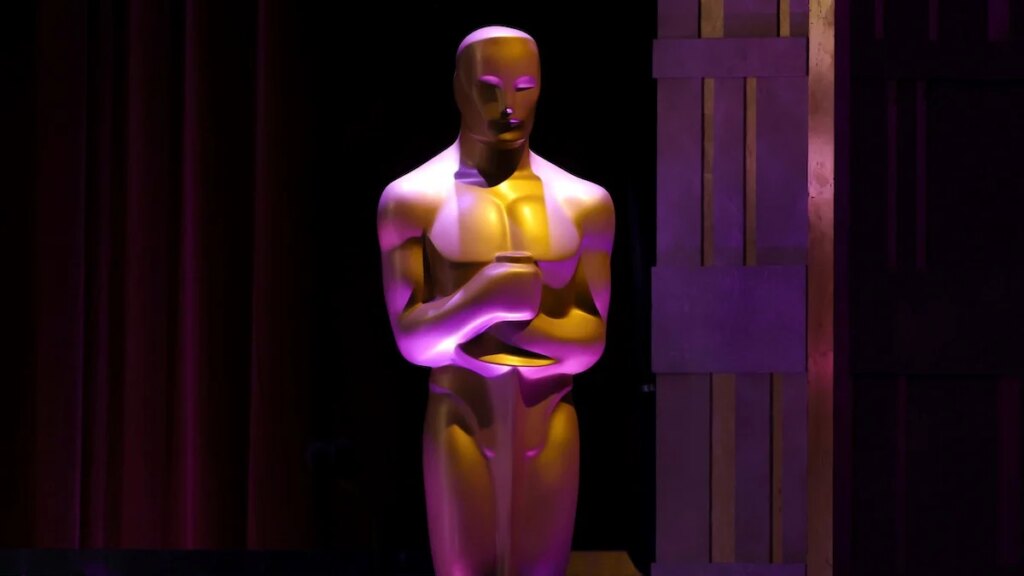
The Oscars are headed to YouTube, and we’ve heard the reactions. It’s a game-changer, it’s the end of an era, it’s the death of broadcast television. And for the Academy Awards, it’s …
An opportunity? A reset? A makeover?
The deal announced on Wednesday is risky and leaves a lot of unanswered questions that need to be dealt with over the next four years. Let’s face it, there’s something inherently troubling about the biggest night for theatrical films heading to a platform that has virtually nothing to do with theatrical.
But after years – or decades, really – of the Academy and ABC having a tug of war over what the show should be, how long it should last and which awards should be presented on the air, this could be an opportunity for the Oscars to work out for themselves what they want to be.
As ratings have declined precipitously since the highs of the late 1990s, the push from ABC and its parent company Disney has been not to reach for the audience that loves the old-school Oscars, but to woo the one that isn’t really interested in that show. The 2029 move to a new platform, and a new type of platform, will no doubt come with a different set of pressures from the new overlord, but it also gives the Academy four years to really think about the second century of Oscar.
The move says this: You don’t have to do what you’ve been doing. Maybe that means you don’t have to present all 25 awards on the big show, that you can distill the Oscar show to a dozen big awards and come up with different ways to showcase everything else in the virtually unlimited YouTube landscape.
Or maybe it means you can present all 25 awards and lean into the show as a smorgasbord for true movie lovers. (There will be some of those left in 2029, won’t there?)
They’ve got four years to figure out whether to embrace their Oscar-ness or to remake it. That’s a hefty chunk of time that may nonetheless fly by under the pressure of knowing that their show could be well on its way to irrelevance if they make the wrong choices.
It’s safe to say that they made some of those wrong choices by trying to appease ABC’s demands for a faster, shorter, more blockbustery show. The addition of the “Popular Oscar” category in 2018 was such a bad idea that they tabled it after less than a month; the decision that same year to give out four below-the-line awards during the commercial breaks was also reversed before it happened. And the 2021 experiment of giving out eight awards prior to the telecast was such a bad idea that it was mocked ahead of time, criticized by some of the winners while it was happening and savaged afterwards.
In that environment – declining ratings, pressure to streamline the show and a body of voters uninterested in nominating too many big hits – it seemed out of character for the Academy to announce a new award for casting in 2024 and one for stunt design in 2025. (Casting will be honored for the first time at this year’s Oscars, stunts two years from now at the 100th Oscars.)
When the second of those announcements broke, I wondered if the sudden willingness to add categories after only doing so once in the previous 43 years meant that AMPAS was planning to create a new show that would incorporate the two new categories, the beleaguered shorts awards and some of the below-the-line categories. Maybe, I thought, they were finally going to succumb to the pressure and introduce their own version of the Creative Arts Emmys show.
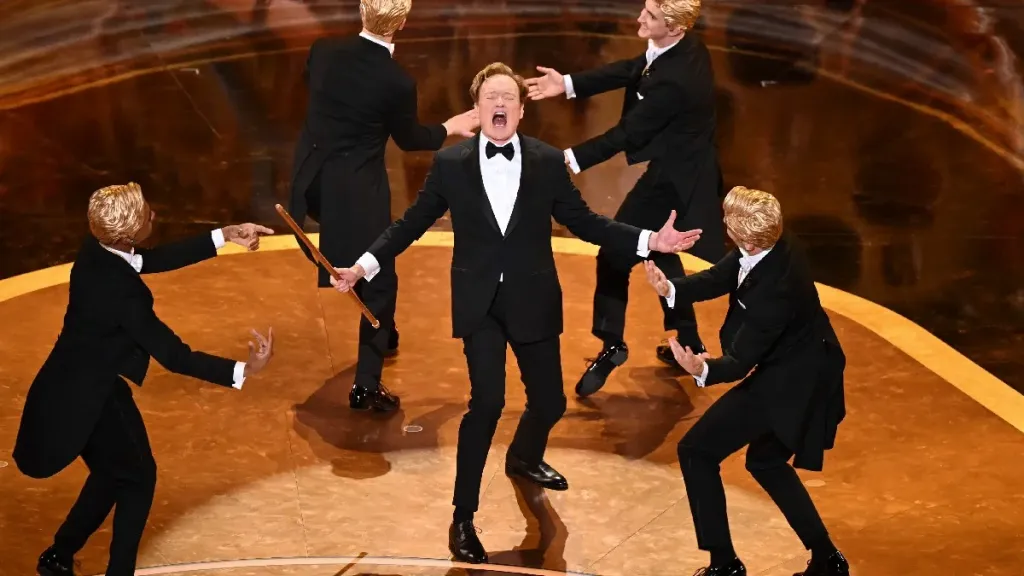
That didn’t feel like the tradition-bound Academy, which had mostly acted as if it were a badge of honor that theirs was the only major show to present all the craft awards on the air. But when the highest-rated Oscar ceremony of the post-Covid era drew fewer than half the viewers of most of the shows during the stretch that ended only 12 years ago, these are desperate times, right?
In those kind of times – which is to say, these times – the move to a streaming service may have been inevitable, especially given the Academy’s need for the kind of money that ABC was once willing to pay. But if it has the potential to be a surrender of sorts, it could also be a valuable reset.
If the pre-TV Academy Awards ceremonies (1929-1952) were Oscars 1.0 and the broadcast-network shows (1953-2028) were Oscars 2.0, we’re now in a countdown to Oscars 3.0. And while YouTube probably has plenty of expectations for the kind of show they’ll be getting for their money, the Academy is all but duty-bound to do some serious thinking about what a new Oscars should be.
The post YouTube Deal Could Help an Embattled Oscars Hit the Reset Button appeared first on TheWrap.