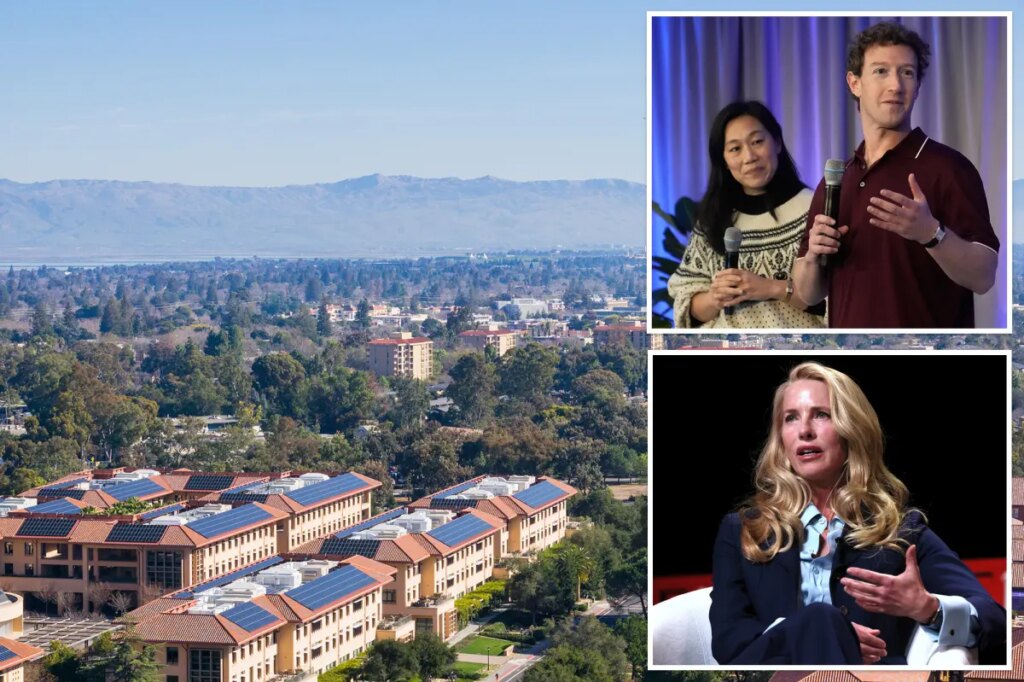
Palo Alto is finally pushing back against Silicon Valley’s billionaire sprawl.
City leaders in the ultra-wealthy tech enclave are weighing sweeping new restrictions aimed squarely at Mark Zuckerberg, Larry Page, Laurene Powell Jobs, Marissa Mayer and other billionaires who have quietly turned residential neighborhoods into private compounds.
Tech billionaires have drawn the ire of local lawmakers, neighbors and housing advocates by buying up multiple properties, running yearslong construction projects, deploying private security and pulling houses off the market in the middle of a housing crisis.

A new proposal spearheaded by City Councilman Greer Stone would limit nonstop construction, curb long-term vacancy, regulate private security practices and rein in the takeover of entire blocks by single owners, according to the New York Times.
Stone, a high school teacher who rents a one-bedroom apartment in the city, said the legislation is about restoring basic livability in a town where median home prices hover between $3.5 million and $4 million and middle-class residents are increasingly forced out.
“To see other people take housing out of the housing stock in such a flippant way is frustrating,” Stone told the Times.
The push gained momentum after a string of high-profile cases involving some of the world’s richest tech figures.
Zuckerberg’s Crescent Park compound has become a key flashpoint.
The Meta founder and his wife, Priscilla Chan, have spent more than $110 million assembling roughly 11 homes in the neighborhood, often paying double or triple market value to buy out neighbors.

The properties are wrapped in tall hedges and feature guest houses, gardens and a pool with a movable floor.
Neighbors have complained for years about relentless construction, delivery trucks clogging streets and a heavy private security presence.
The backlash intensified after reports that an unlicensed private school that served 14 children was operated on the property. The school was later relocated.
Earlier this year, it was reported that Zuckerberg gifted his neighbors noise-canceling headphones, sparkling wine and Krispy Kreme donuts as a goodwill gesture that was not particularly well-received.
“Mark, Priscilla and their children have made Palo Alto their home for more than a decade,” a spokesperson for the couple told The Post.
“They value being members of the community and have taken a number of steps above and beyond local requirements to avoid disruption in the neighborhood.”
The rep for the couple said that the Zuckerbergs’ “home improvements have been thoroughly reviewed and approved by the appropriate city agencies, including the Palo Alto Building and Planning Departments, and they will continue to follow applicable laws.”
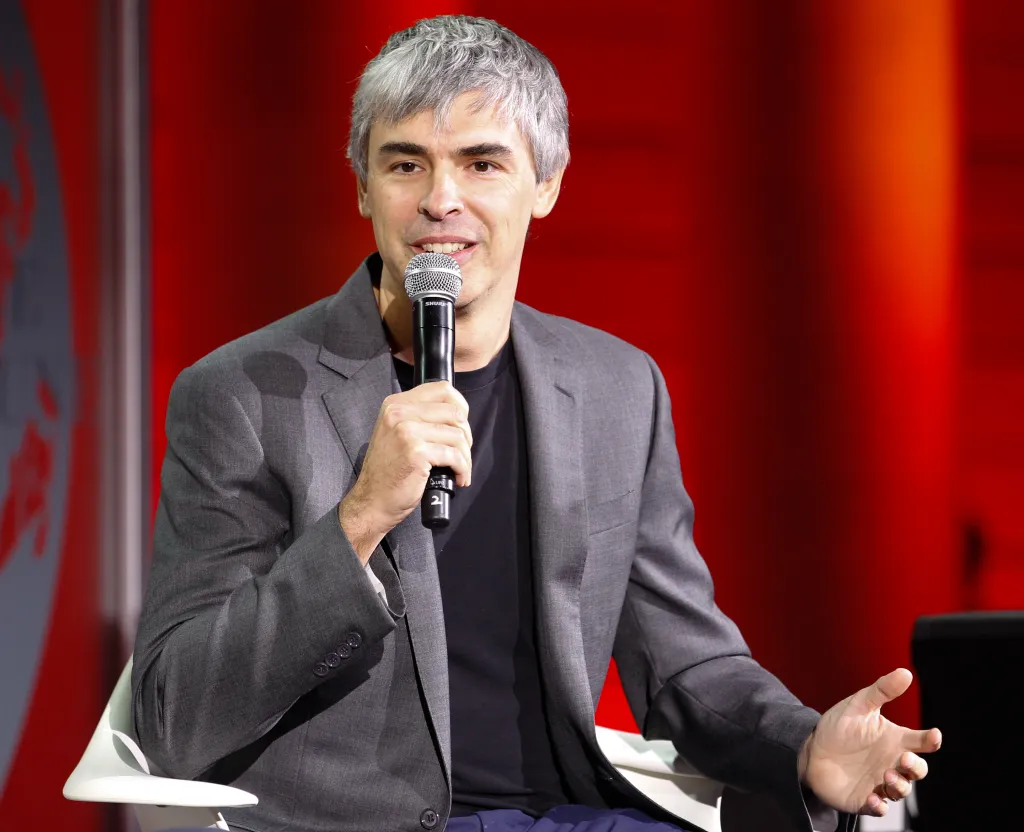
Just blocks away in Old Palo Alto, Larry Page’s compound has drawn similar scrutiny. The Google co-founder, worth an estimated $256 billion, owns several homes through LLCs tied to his family office.
In 2021, one Page-associated home caught fire and was later cited by city inspectors after complaints that it was being used for business purposes in a single-family zone.
Neighbors reported daily flows of staff, including maids and nannies, along with constant security presence. The damaged home was later demolished and is now being rebuilt into two new houses.
Requests for comment from Page were not acknowledged.

Laurene Powell Jobs, the philanthropist and widow of Apple co-founder Steve Jobs who is worth a reported $12 billion, also owns multiple homes in Old Palo Alto. She still owns the house she shared with her late husband, along with additional properties on nearby blocks.
The Times reported that a photographer for the newspaper was approached by two men on the sidewalk her main residence. The men told the photographer they were not wanted in the area, according to the report.
A spokesperson for Powell Jobs declined comment.
Marissa Mayer, the former Yahoo chief executive, has reportedly pursued one of the most aggressive redevelopment campaigns.
She has purchased and demolished three Palo Alto townhomes, replacing them with a pool and accessory dwelling unit.
Mayer is also reportedly seeking approval to knock down a fourth to build a 4,600-square-foot home with a “grand hall,” elevator and large basement.
Mayer also bought a nearby mortuary in 2013 for $11.2 million and explored converting it into a private women’s club before neighbors objected.
The city has said it is aware of occasional events hosted there under special permits. Mayer declined comment when reached by The Post.
Stone’s proposal would apply to owners who buy three or more homes within 500 feet. Construction projects lasting more than 180 days would require detailed schedules to prevent street blockages.
After completing one major project, owners would need to wait three years before starting another, according to Stone’s proposal.
Homes could not be left vacant for more than six months in a year.
The plan would also clamp down on private security, requiring marked vehicles, city permits and identification on request, while barring guards from harassing people on public sidewalks.
Enforcement would largely fall to neighbors, who could bring lawsuits — a feature critics say is unrealistic when billionaires are involved.
“Who would sue Mark Zuckerberg?” one neighbor who is surrounded on three sides by Zuckerberg-owned properties asked the Times.
The full City Council is expected to take up the proposal early next year. Stone said it could take six months or longer to reach a final vote.
The post Wealthy Silicon Valley suburb looks to crack down on billionaire tech titans’ compounds appeared first on New York Post.