The Office of Special Counsel took the unusual move Thursday of filing a complaint against a local Virginia sheriff for allegedly using his public office to fuel his 2025 reelection bid, marking the first time the ethics watchdog has brought this kind of disciplinary action against a local or state official in at least a decade.
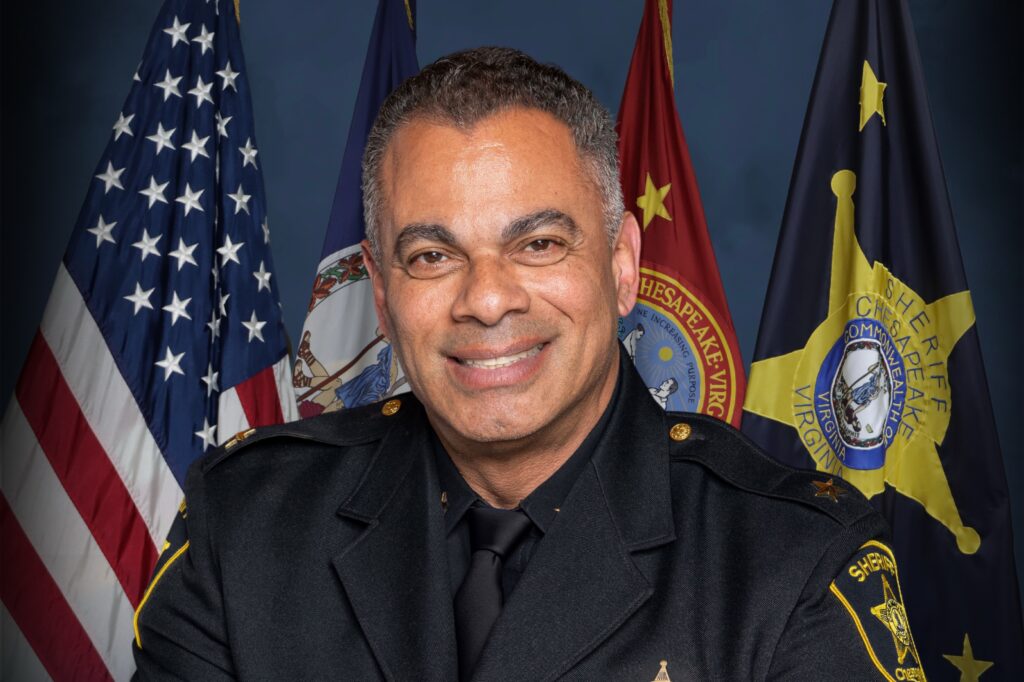
The complaint, filed with the Merit Systems Protection Board, accuses Chesapeake Sheriff David Rosado of violating the Hatch Act by pressuring subordinates for political contributions and using the southern Virginia sheriff’s office as a personal campaign machine.
The federal ethics law prohibits federal employees, as well as state and local officials whose positions are federally funded, from using their official authority to engage in politics. However, OSC has rarely brought forward complaints against state and local employees. The case is likely to serve as a significant warning for other nonfederal government officials who also fall under the independent office’s purview.
Rosado was defeated in the Republican primary last year, refused to concede and left his party. He launched a write-in campaign, earning the endorsement of the Chesapeake Democratic Party despite his staunch support for U.S. Immigration and Customs Enforcement. Rosado lost to his GOP rival in November. He remains in office until Jan. 1, and while OSC is seeking his removal, he would not be able to be removed before his term ends.
The OSC alleged that Rosado “oversaw a coercive workplace environment,” pressuring employees to spend time, money and effort to further his campaign, sometimes with help from his undersheriff Christopher Pascal. The Special Counsel said employees allegedly feared professional retaliation if they did not actively participate in these political activities.
Official community events and employee appreciation nights were repurposed as thinly veiled campaign rallies, according to the complaint. At these events, Rosado is accused of distributing political literature, and at one point, using a sheriff’s office vehicle to announce over the speaker to “vote for Dave Rosado.”
In another instance, investigators found that sheriff’s office supervisors were expected to sell tickets to a campaign fundraiser, and if they didn’t, they had to contribute the value of the unsold tickets, according to the complaint.
“The constant pressure on CSO employees to support Rosado’s candidacy and to engage in campaign activities on his behalf adversely impacted CSO staff morale as well as the personal lives and familial relationships of some who dedicated substantial personal time to supporting the campaign in addition to their regular official CSO responsibilities,” the complaint said.
The sheriff’s office receives federal grants for victim witness programs and funding for joint law enforcement operations with various agencies, including ICE, the U.S. Marshals Service and the U.S. Drug Enforcement Administration.
Not only is this a rare case to involve a local official, but it is also one of a few Hatch Act cases that the Special Counsel has taken to the semi-judicial merit protection board. This year, the board has been mostly frozen due to Trump’s firing of enough members to leave it without a quorum.
Trump had also fired the head of the Office of Special Counsel and installed loyalists to lead the independent office. It is currently managed by Charles Baldis, a former Senate staffer, on behalf of U.S. Trade Representative Jamieson Greer, a Trump appointee who took over as acting special counsel from Veterans Affairs Secretary Douglas A. Collins earlier this year.
In fiscal year 2025, four Hatch Act complaints were filed by OSC with the merit board, and only two of those were public, including one case brought at the end of President Joe Biden’s term against White House Domestic Policy Advisor Neera Tanden for posting solicitations for campaign donations.
The post Virginia sheriff accused of violating ethics law in rare case appeared first on Washington Post.