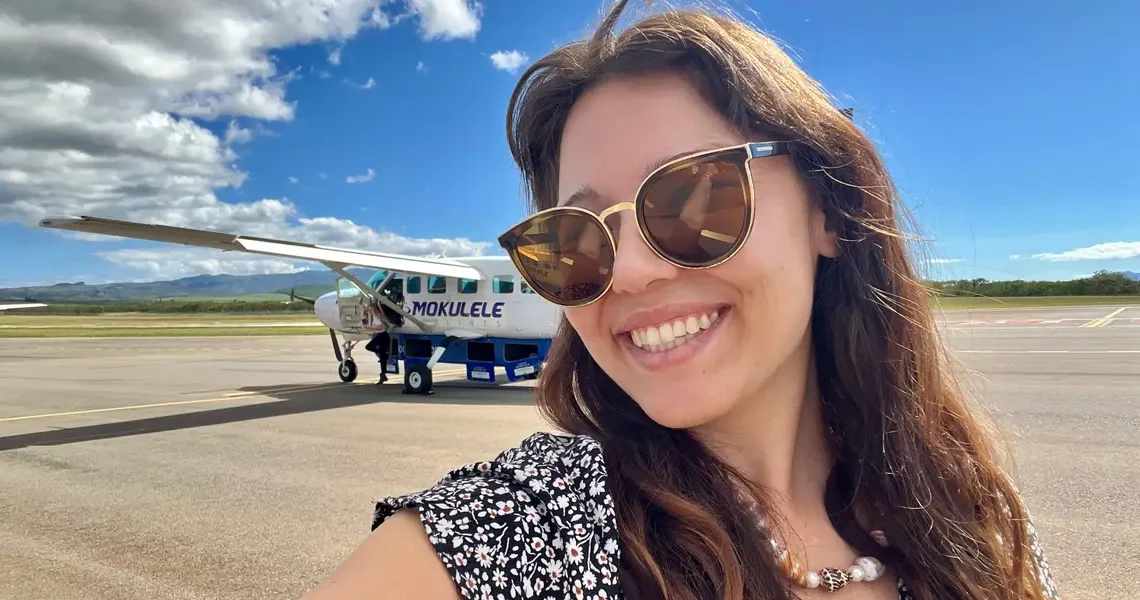
I grew up on Maui and have spent much of my adult life living in and exploring Hawaii’s many islands.
However, I’d never visited Molokai — one of three populated islands in Maui County — until recently.
Molokai isn’t popular with tourists, and the island can only be visited by commuter plane.
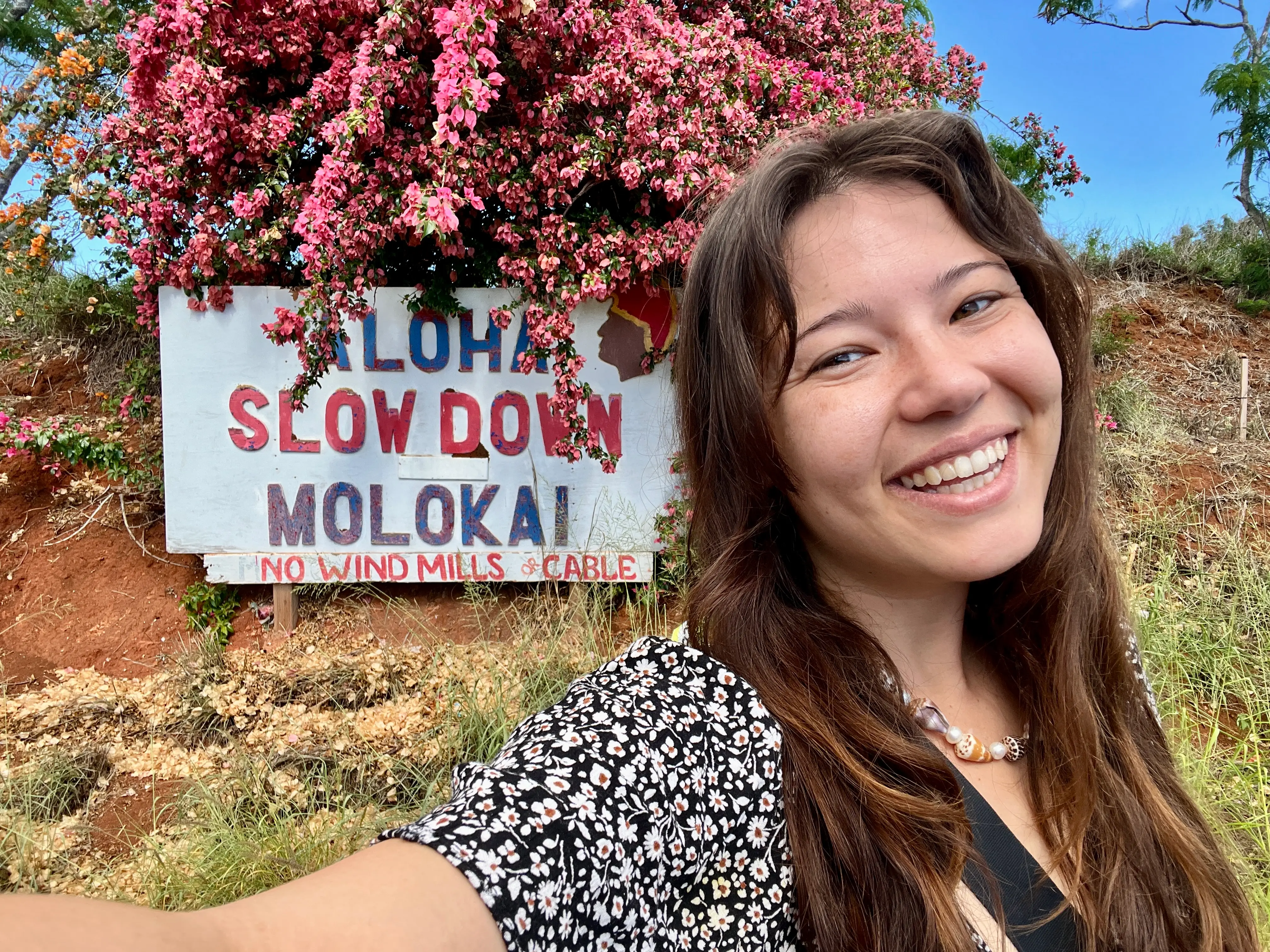
Often described as Hawaii’s “least touristy” island, Molokai hosted around 30,000 visitors in 2024, a minuscule percentage of the millions of tourists who came to our state.
Home to about 7,400 residents, much of the island’s land remains dedicated to agriculture, cultural preservation, and rural areas.
The island has no big-box resorts, not much nightlife, no permanent traffic lights, and limited visitor infrastructure. The tight-knit community has historically resisted large-scale tourism to protect its slower pace of life.
Until 2016, travelers could reach Molokai by ferry from my hometown of Lahaina, but the service was discontinued due to competition from commuter air travel and declining ridership, Maui News reported.
Today, small commuter planes are the only way to access the island.
I paid $190 for my round-trip ticket from Maui, and the turbulent 20-minute flight quickly made it clear to me why this trip isn’t for everyone.
I confidently arrived at the airport just 15 minutes before my flight.
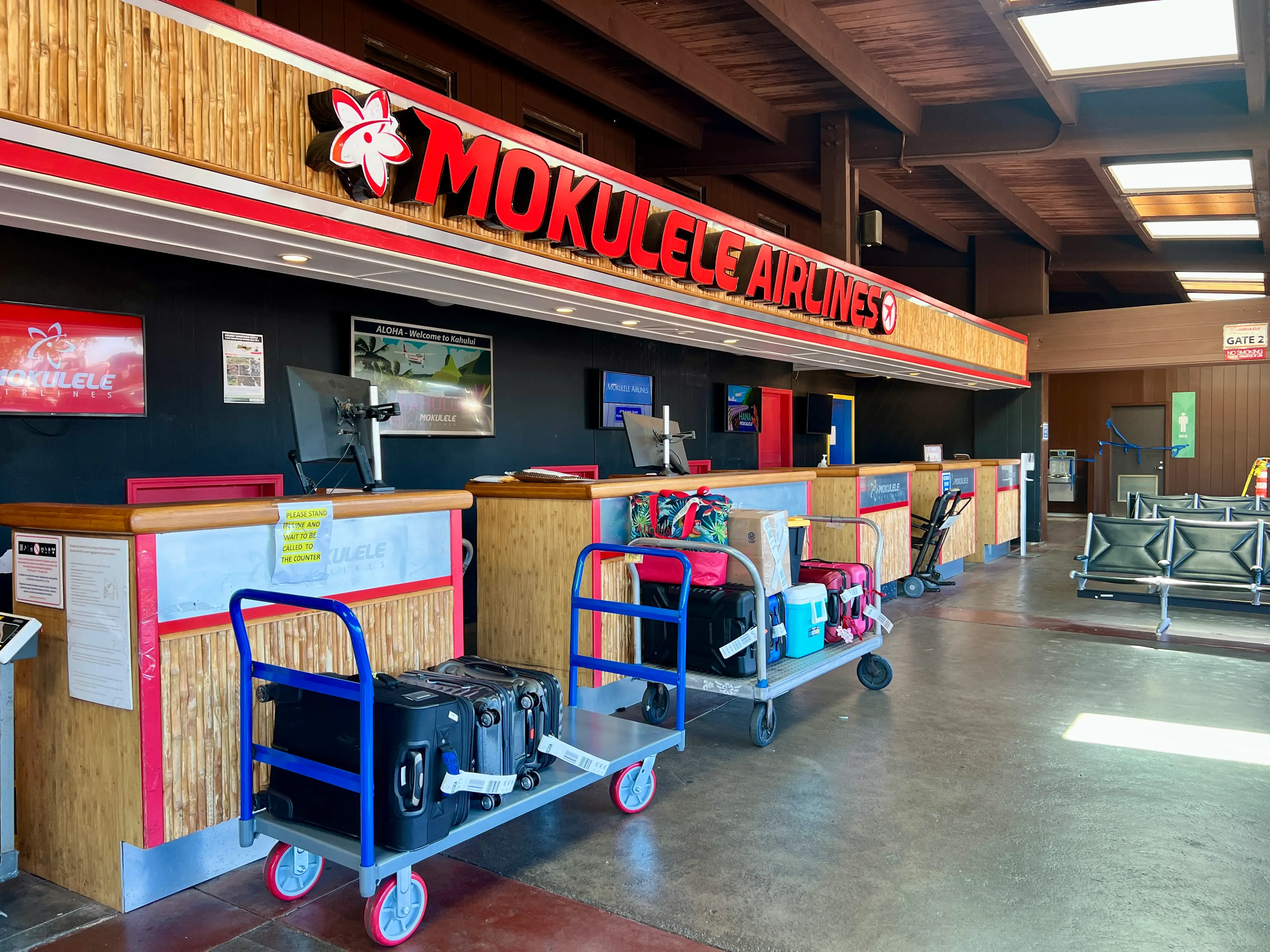
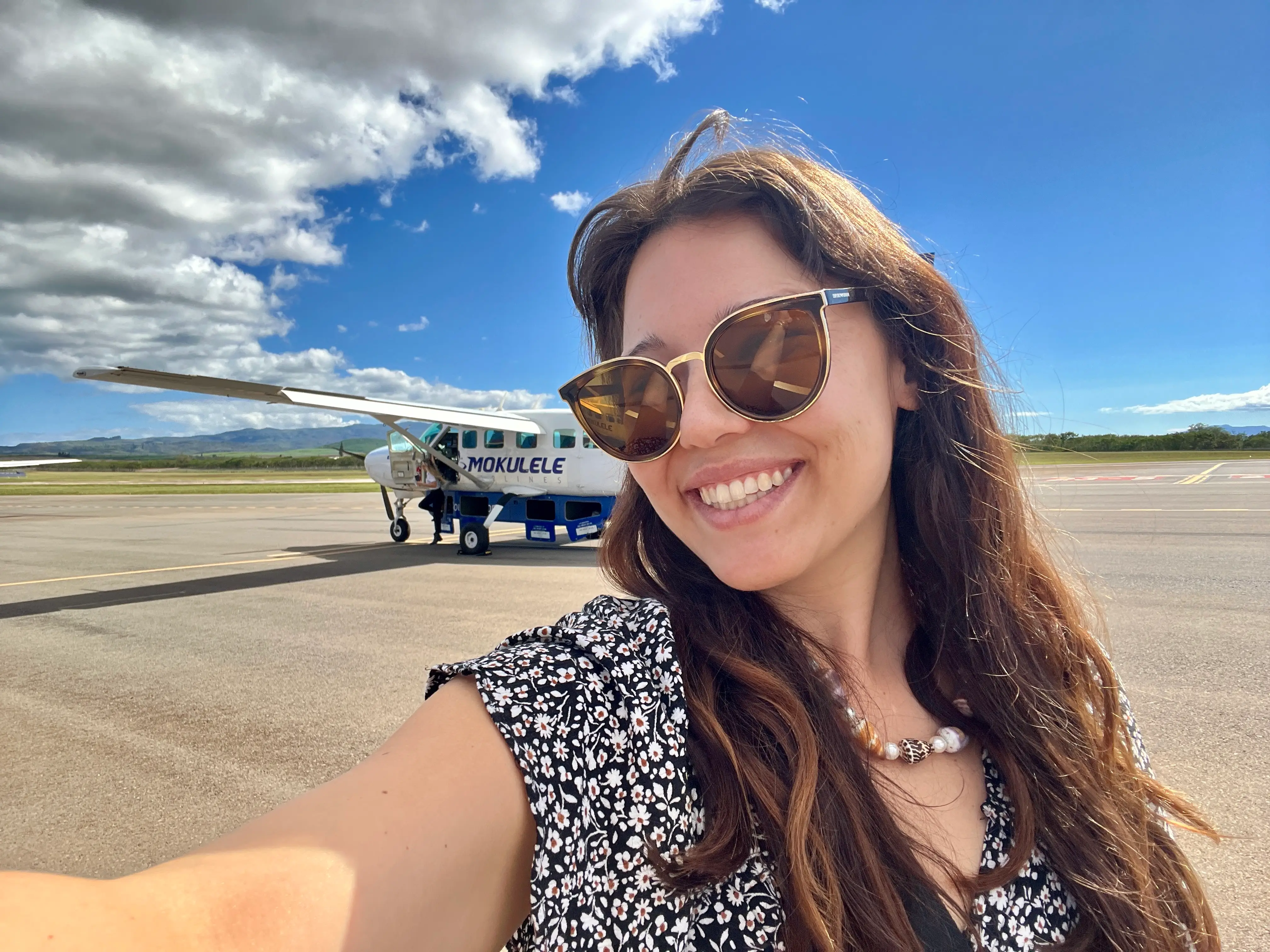
Having traveled on Mokulele Airlines, a Hawaiian airline popular with commuters and island hoppers, before, I knew what to expect.
Check-in is usually quick, there’s no security checkpoint, and passengers receive their seat assignments before walking out to the plane as a group.
I knew 15 minutes would be more than enough time, even if I just checked in and went straight to the plane.
Weight is a major factor on commuter planes.
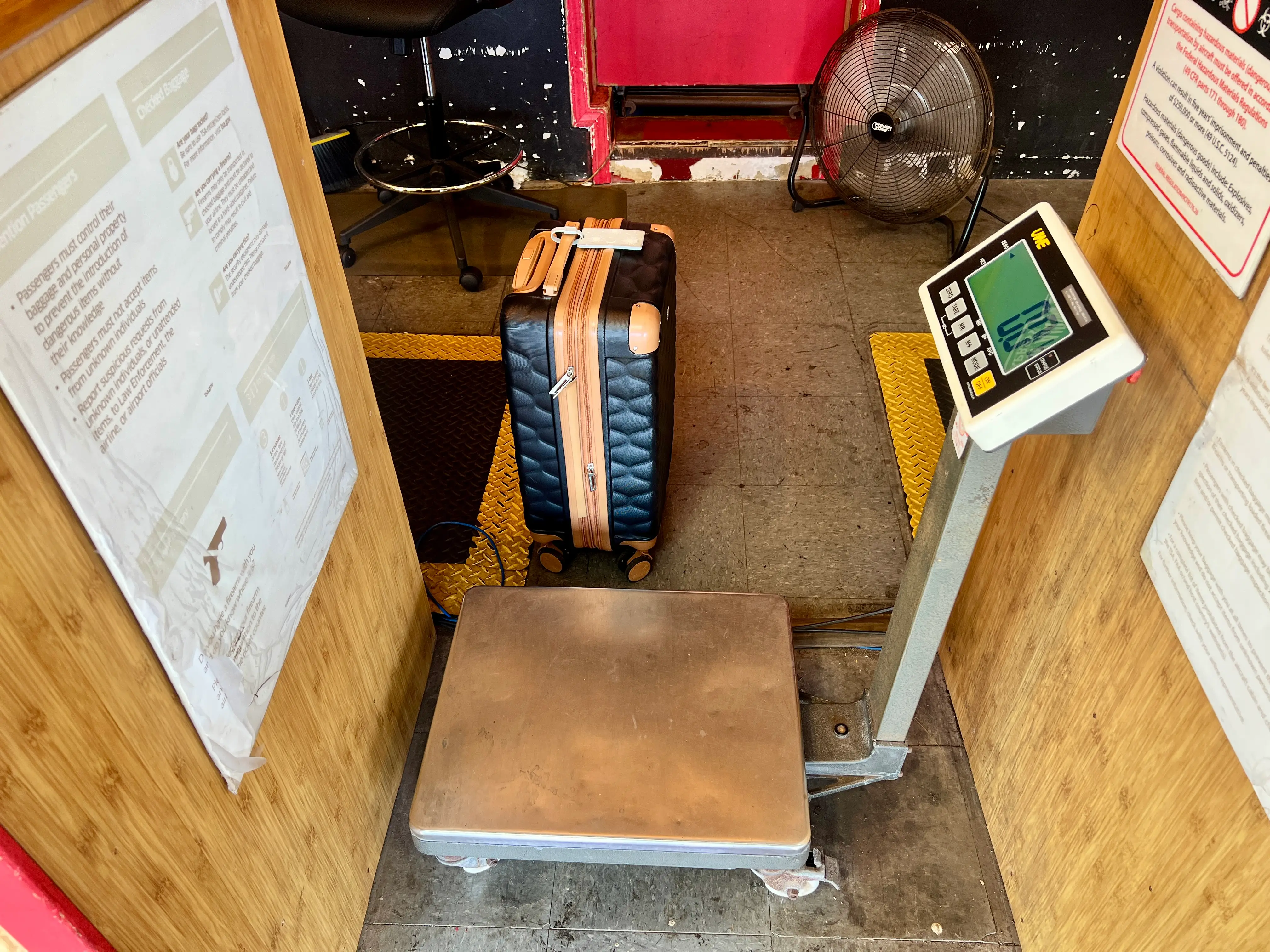
All baggage must be weighed upon check-in.
I had provided my weight ahead of time, but I was also asked to step on the scale with my carry-on items for the most accurate measurement.
From there, seating assignments are based on the safest way to distribute everyone’s weight.
Only in Hawaii would you run into someone you know in a terminal with fewer than 20 people.
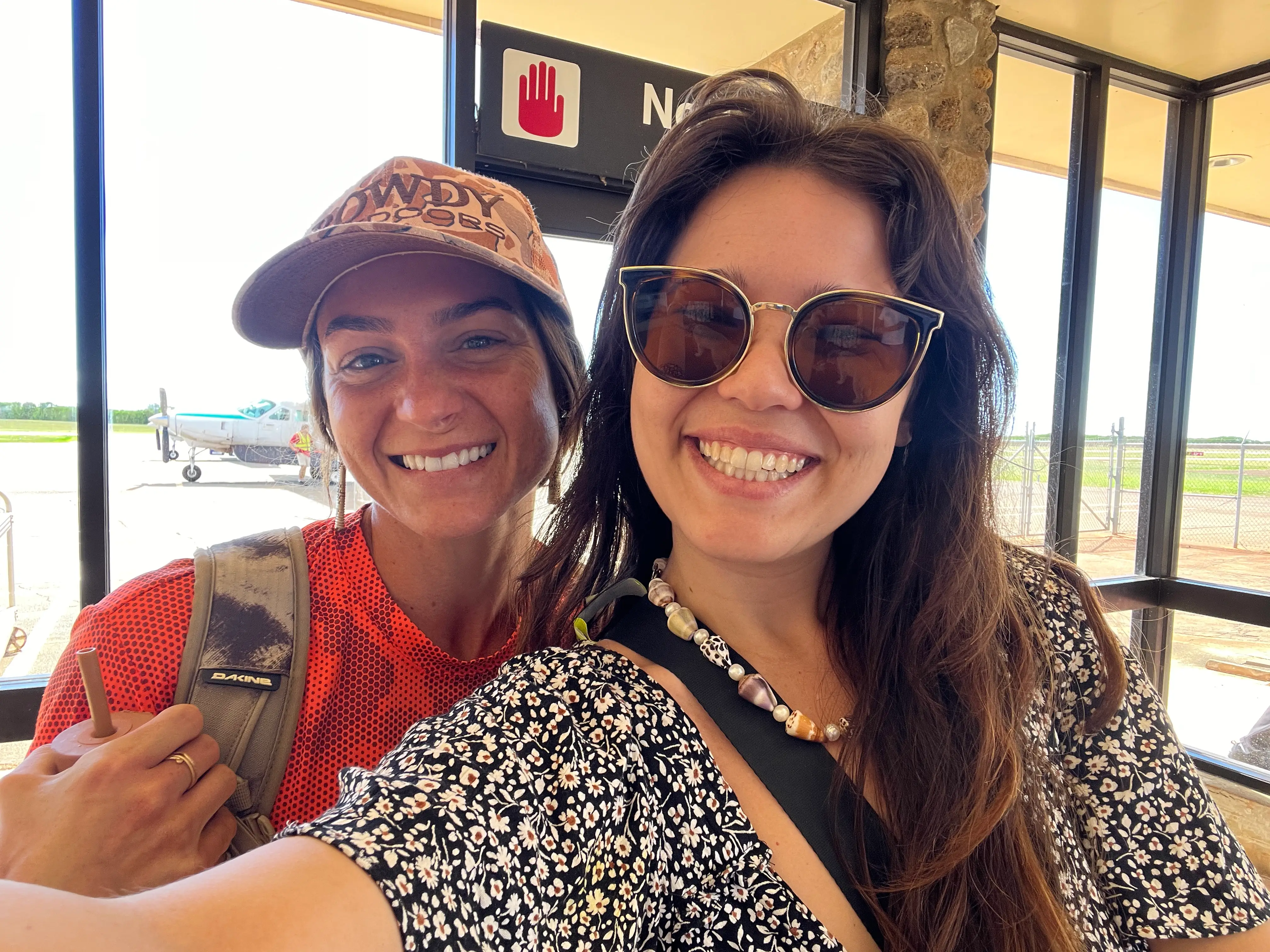
I ended up on the same flight as a childhood friend. She was traveling to see her parents, who had moved to the island after their retirement.
She told me she loves visiting Molokai and unplugging by putting her phone on airplane mode for the duration of her trip — not that reception is always easy to come by on the island anyway.
We ended up boarding the plane at 11:10 a.m.
The day before my flight, I received an email notifying me that my 9:50 a.m. departure had been moved to 10:55 a.m.
I wasn’t given a reason for the change, so I wondered if it was due to inclement weather (as noted on a flyer at the check-in counter) or simply the consolidation of flights to ensure there were enough people (namely, weight) on the plane.
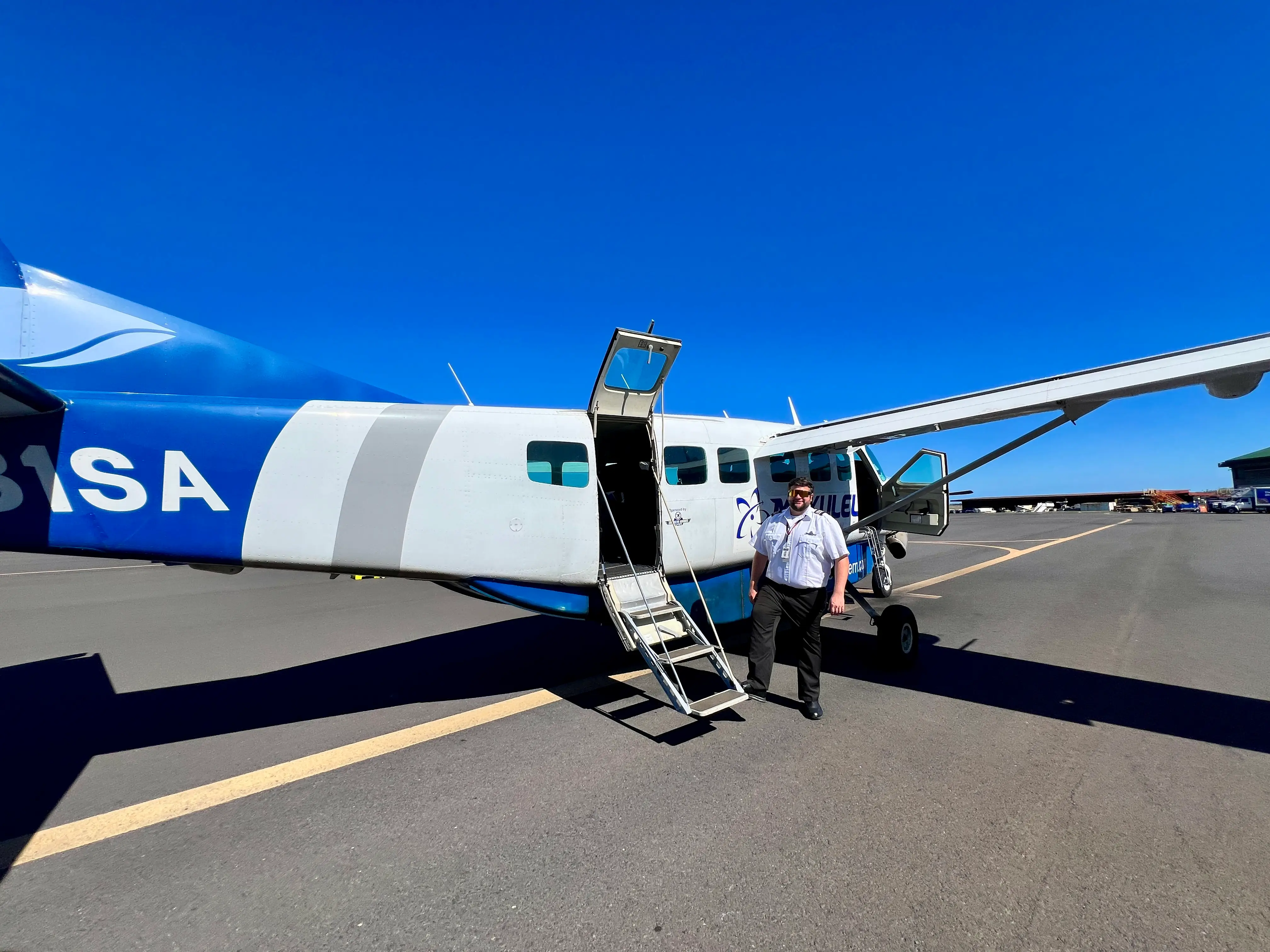
My group boarded the plane together a little after 11 a.m.
The plane had nine seats, but only seven were occupied.
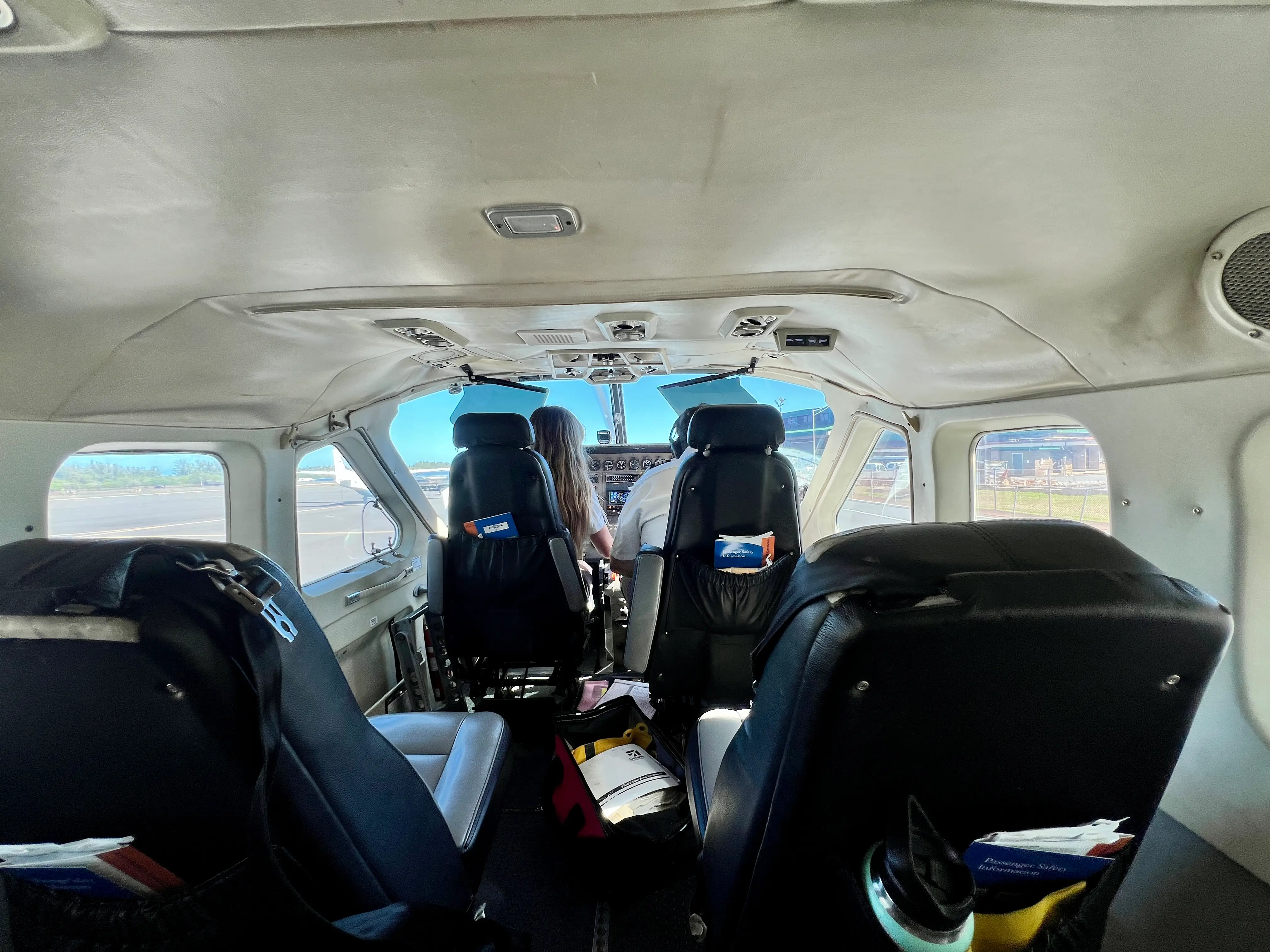
I was assigned to the second row, but I didn’t have a specific seat. Since the passenger next to me boarded first and chose the left side, I took the right.
Our flight consisted of six humans and — to my delight — a dog.
Most passengers seemed to be local Hawaii residents as well.
I suspected the person sitting across from me was either a Molokai resident or visiting one because they were carrying boxes of Krispy Kreme doughnuts — the go-to treat for anyone visiting Maui from another island, since we have the state’s only location of the famous bakery.
My seat felt spacious, and I had plenty of legroom.
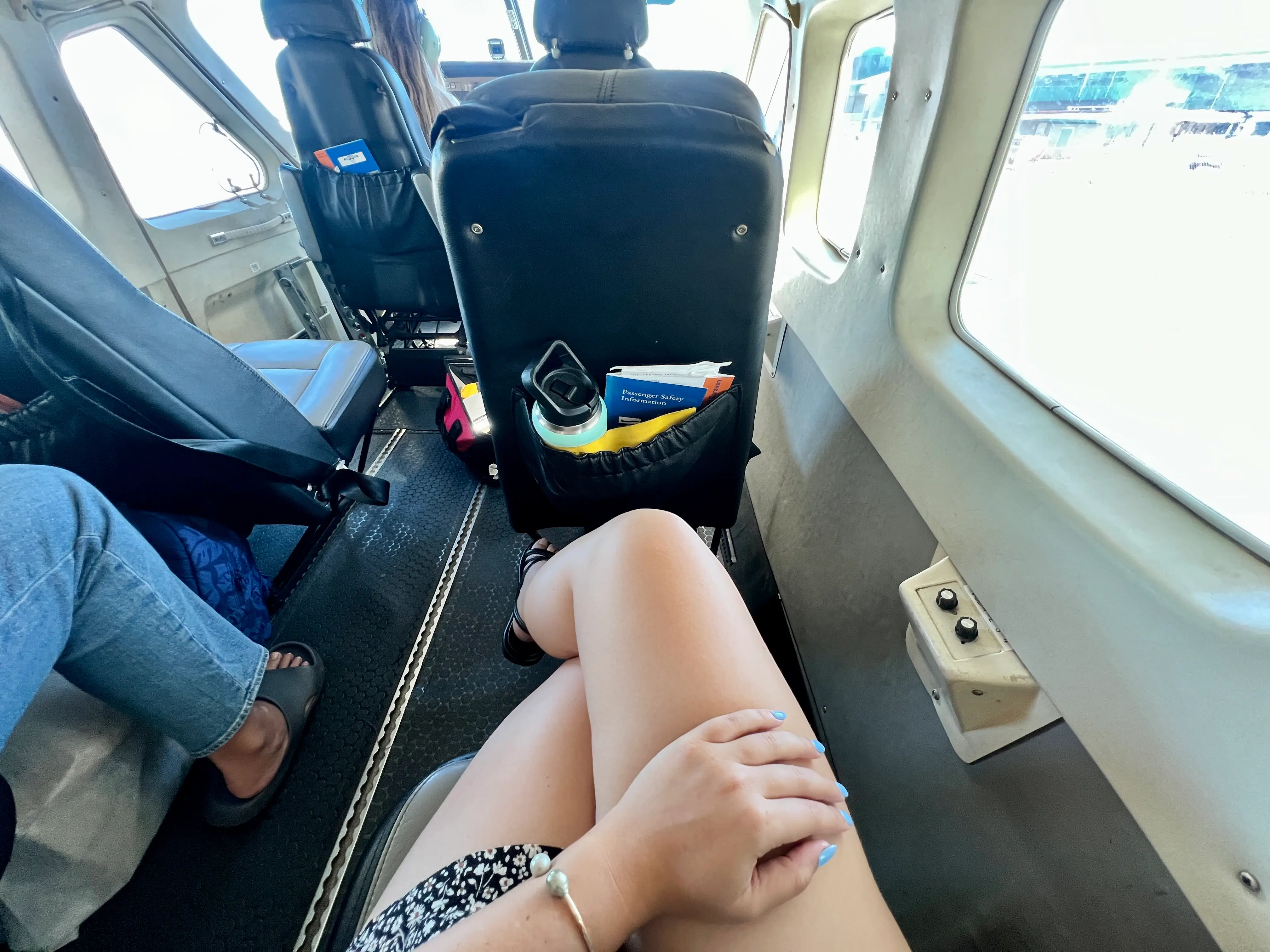
I’ve always loved being short — 5’3″ to be exact — because I can comfortably fit into most compact spaces, including airplane seats.
For such a small plane, the seats felt surprisingly roomy, and I could stretch my legs.
I was impressed that the seat-back pocket in front of me stretched enough to fit my large water bottle — though that may not have been a good thing, since I accidentally left it on the plane and have yet to recover it.
We started to taxi at 11:15 a.m.
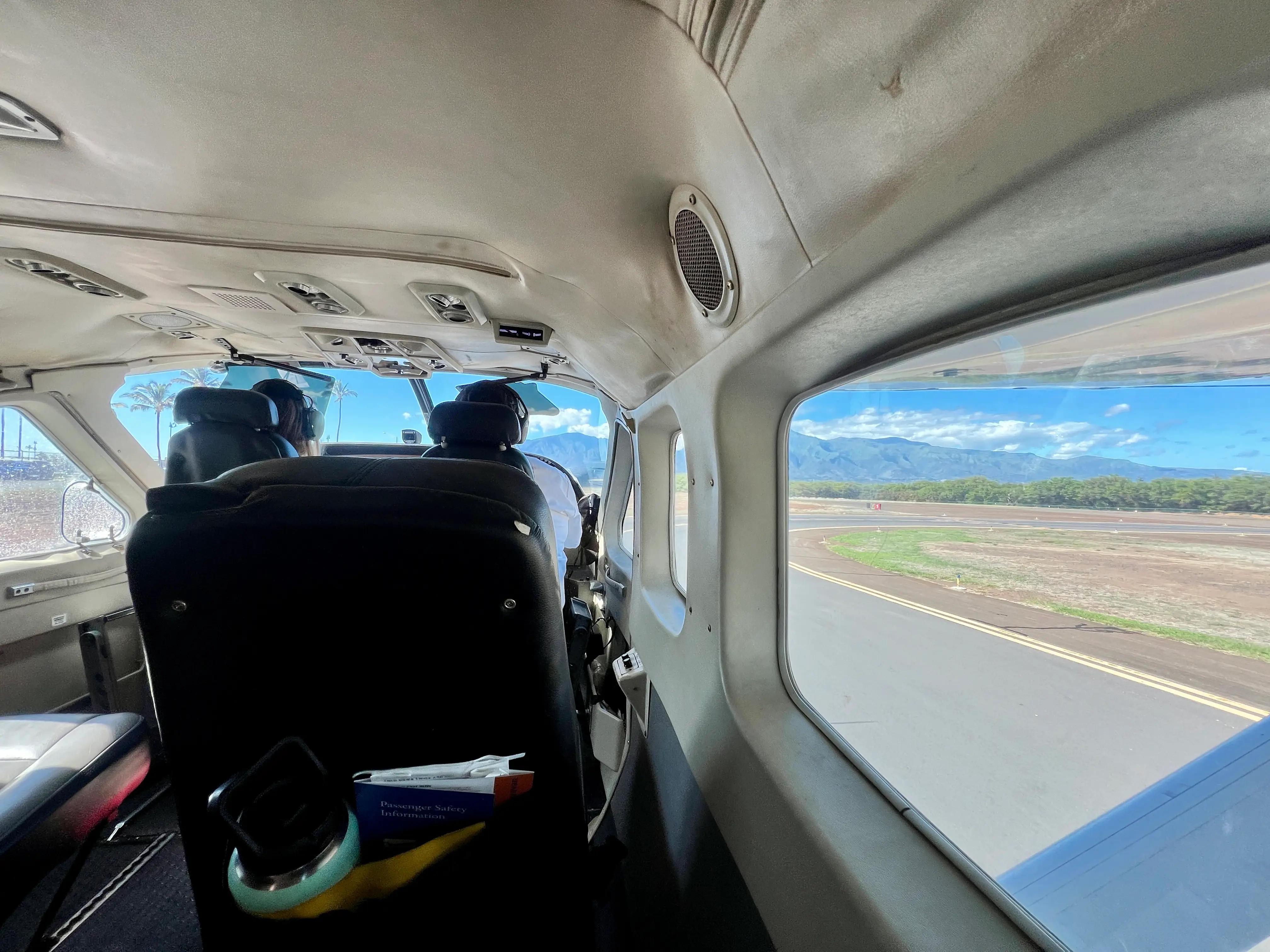
Seeing palm trees and the West Maui Mountains through the plane windows made for a scenic departure and set the tone for the natural beauty I’d soon experience on Molokai.
I got stunning aerial views of Maui’s North Shore.
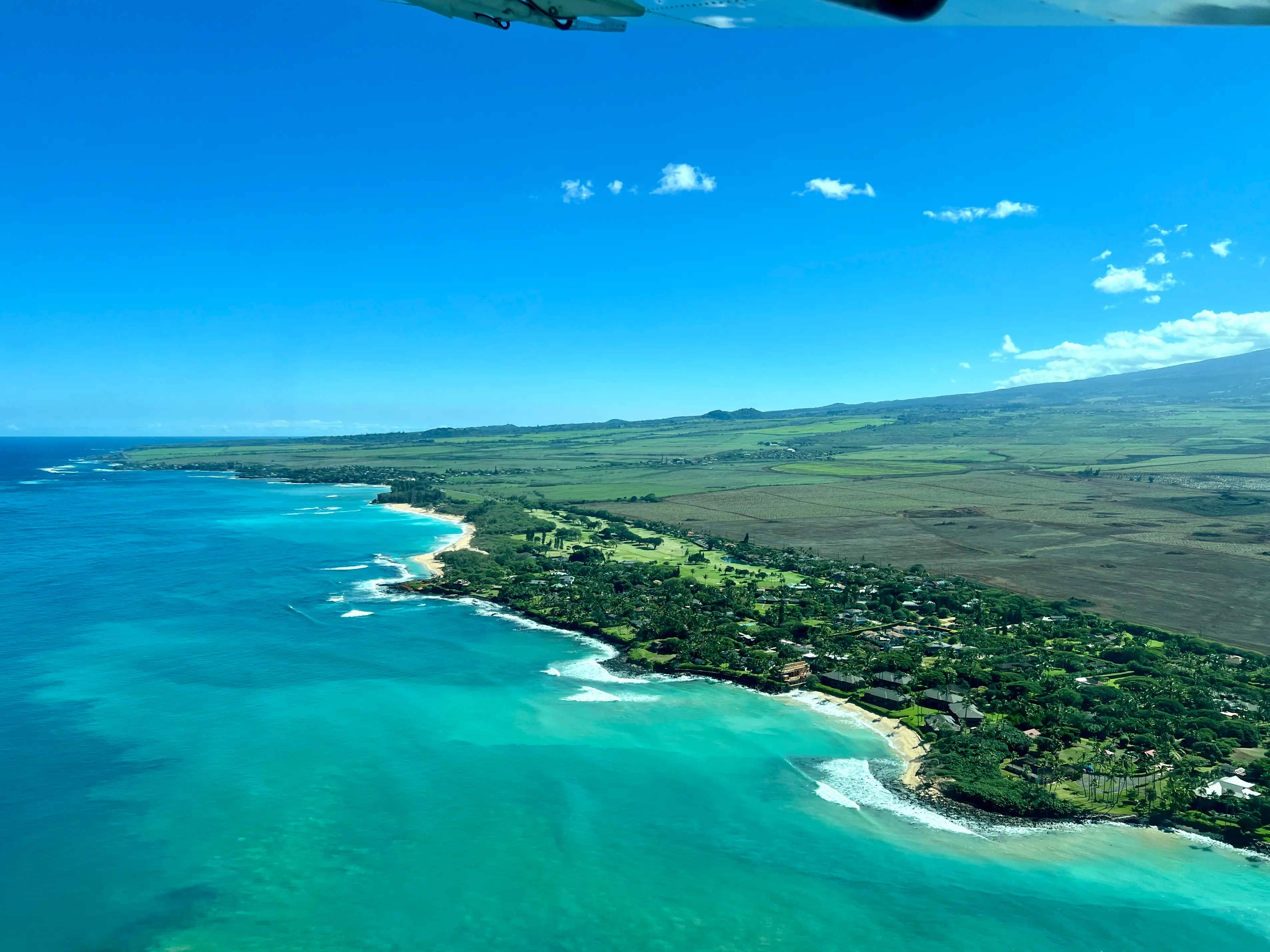
Shortly after takeoff, the coastline came into full view and revealed several beaches below, including Paia’s expansive Baldwin Beach.
A few minutes into the flight, we looped around the northwest side of Maui, passing over West Maui.
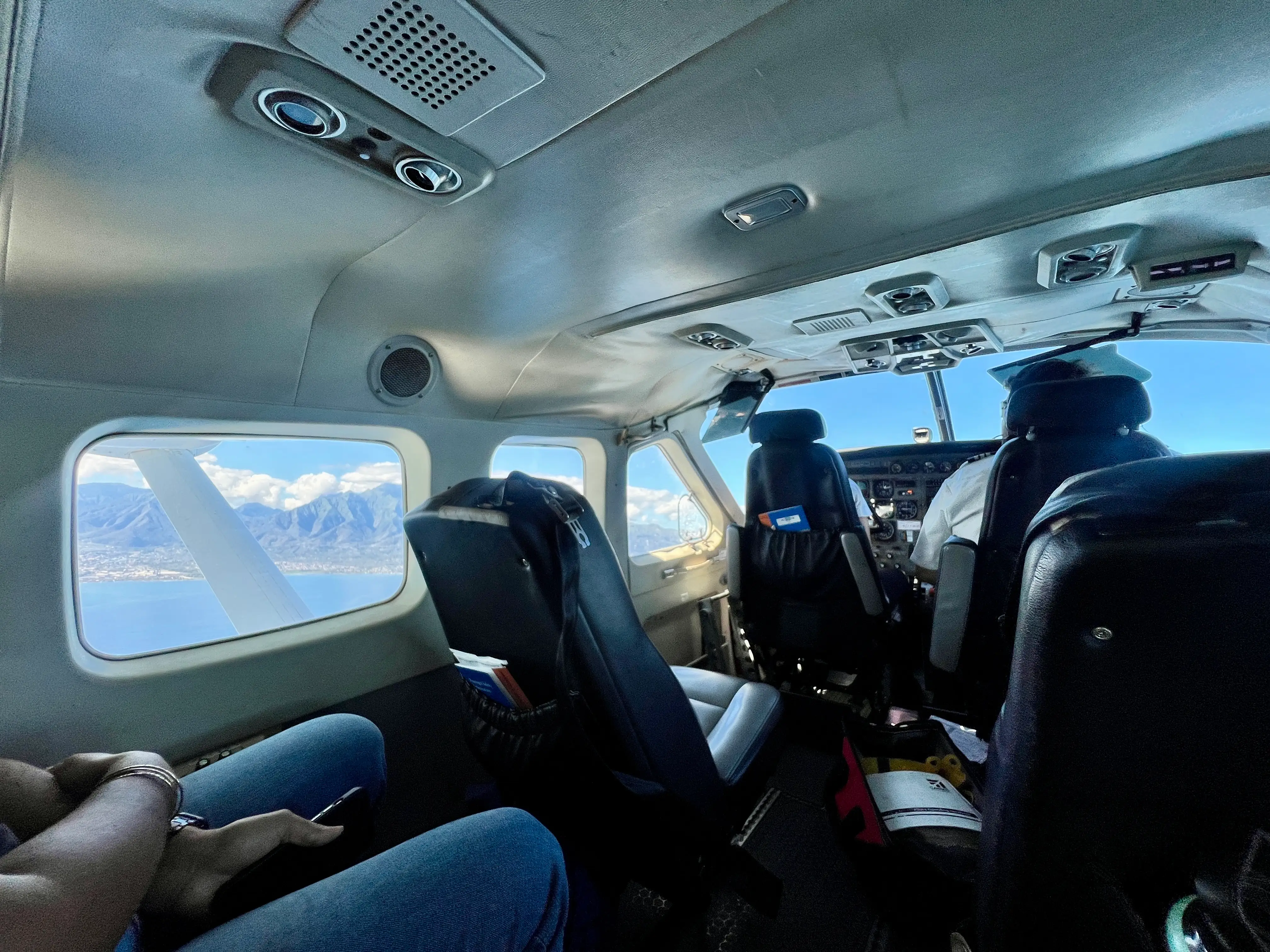
Home to the island’s only other commuter terminal, I would have flown out of Kapalua Airport if I still lived on the West Side.
As the plane found its course, my view became obscured, and I could only see Maui’s mountainous landscape, with Lanai off in the distance, through the window across the aisle.
For a moment, I wondered if I should’ve sat on the left side for better views.
Once our destination came into view, I realized the right side actually offered the better perspective of Molokai.
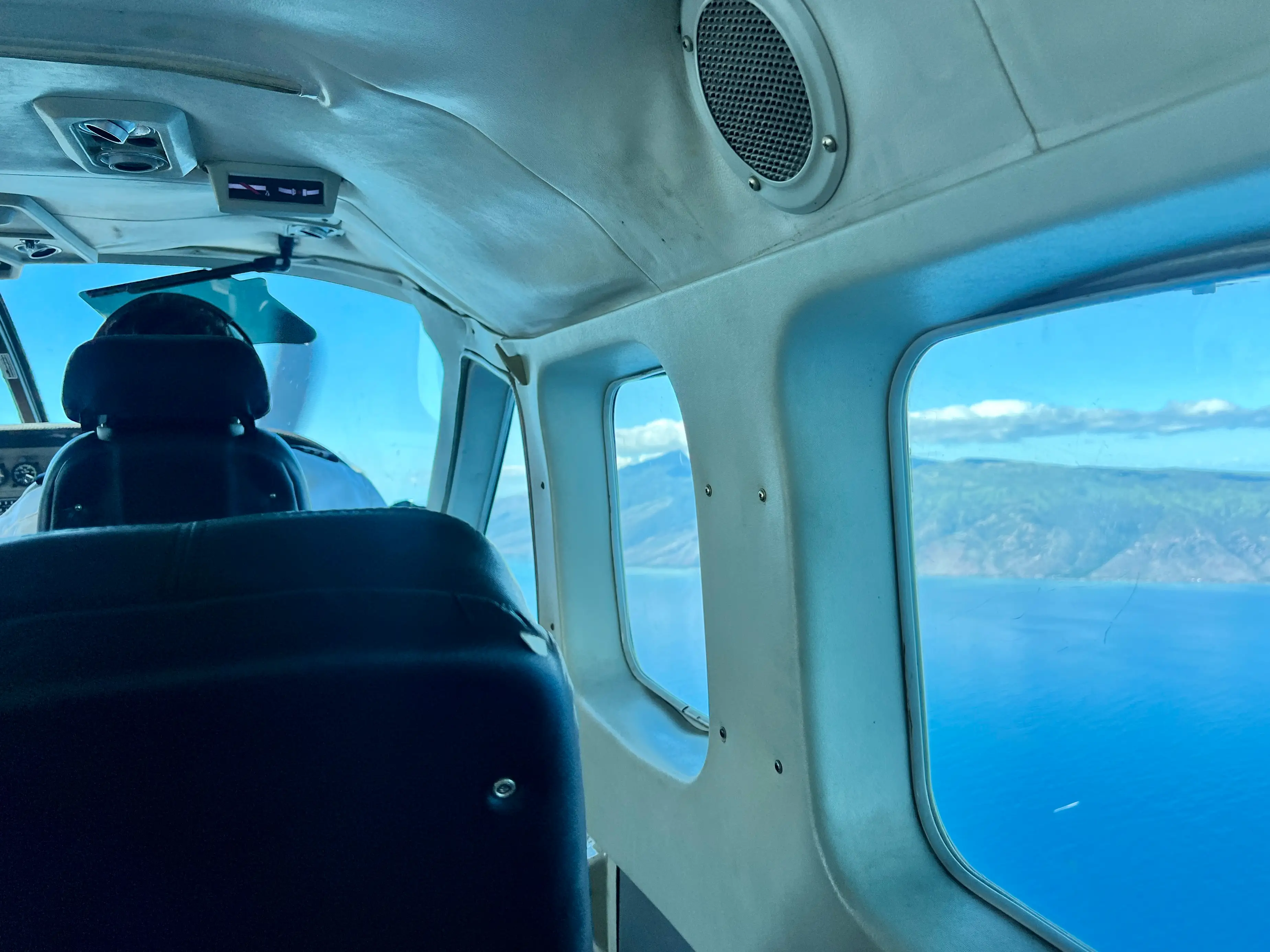
I’d been so engrossed by the scenery on the opposite side that I didn’t notice how quickly Molokai appeared outside my own window.
As we approached the island, I stared in awe at the ocean’s gradient and the new yet familiar mountains.
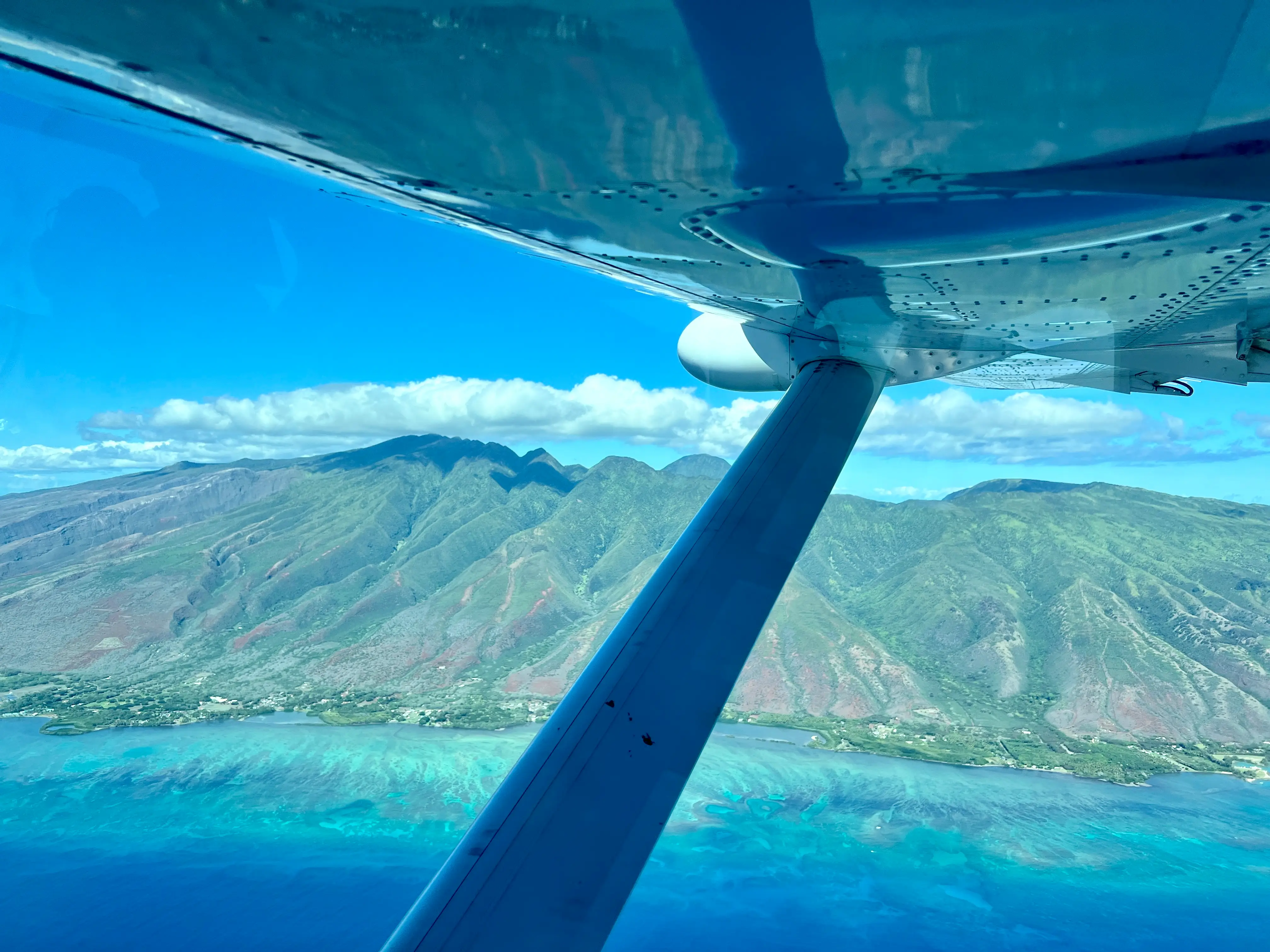
On this flight, I saw the most beautiful Hawaiian waters I’ve ever seen, and the land reminded me of the landscapes on my home island.
After all, Maui, Molokai, Lanai, and Kahoolawe once formed a single landmass called Maui Nui before rising sea levels and erosion separated them.
We passed over the island’s reef system and ancient fishponds from above.
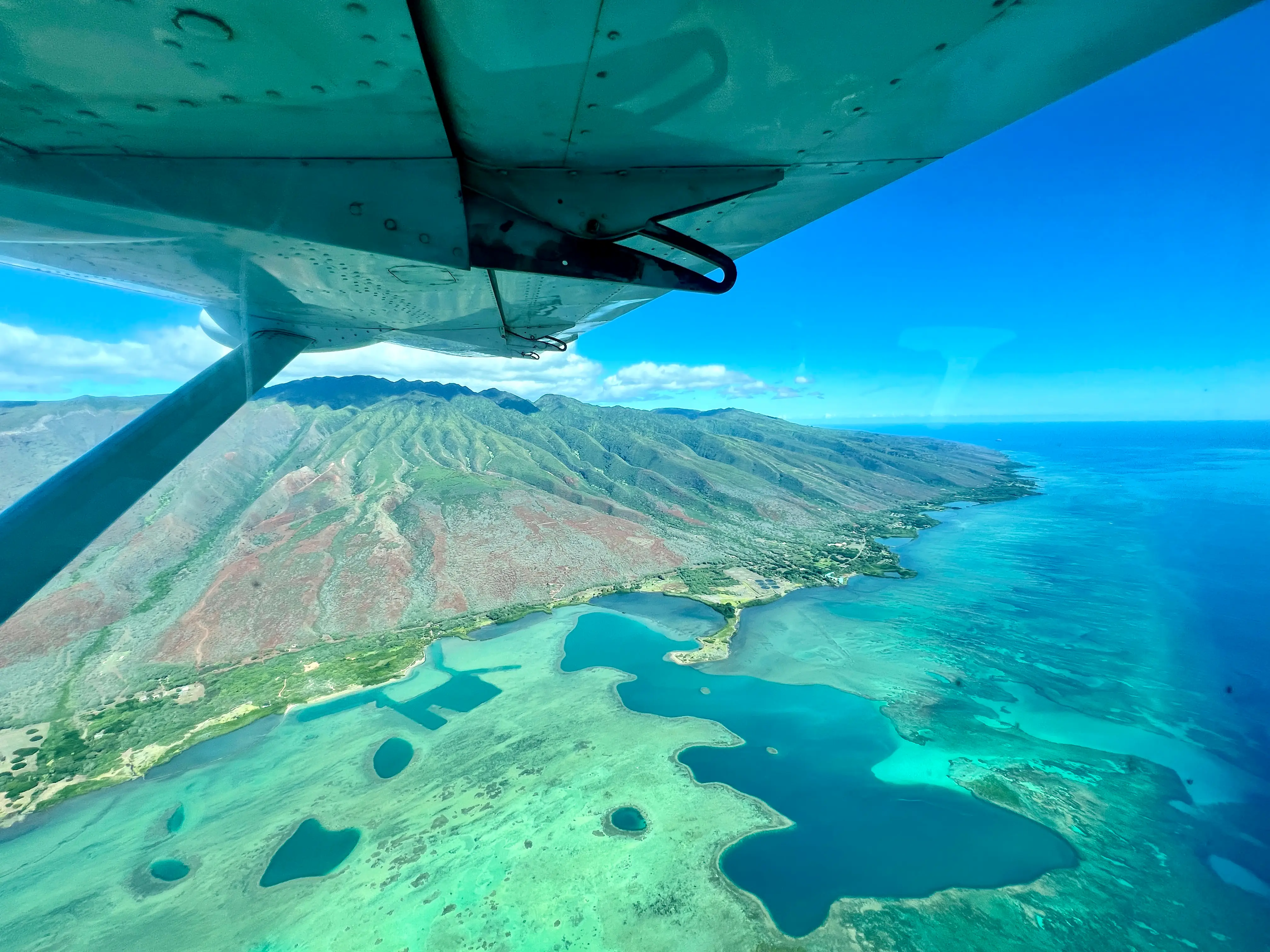
Molokai is home to one of the longest fringing reefs in the US, which spans about 30 miles.
Turquoise reef flats and darker blue channels created a distinct, patchwork appearance.
We also flew over several ancient Hawaiian fishponds that sit along the island’s south shore — including Ualapue Fishpond, a national historic landmark recognized for its well-preserved traditional engineering.
As we approached Molokai, I could see agricultural land, water-filled patches, and Maui County’s iconic red dirt beneath us.
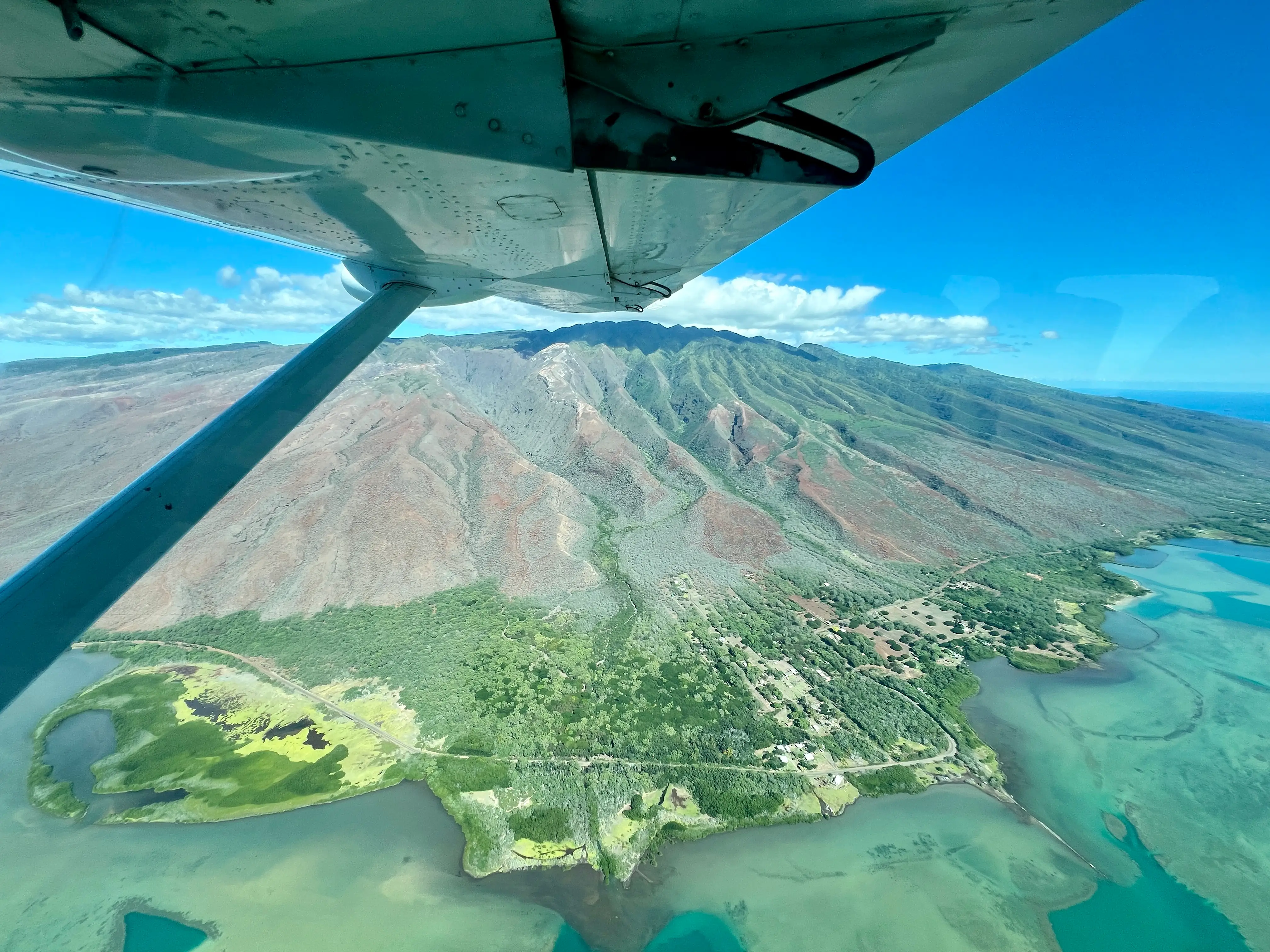
Agriculture is a major industry on Molokai — even the high school’s mascot is the Farmers — and the island’s lands are primarily used for cattle grazing and for growing crops like coffee, fruits, and vegetables.
Turbulence got exponentially worse as we descended into Molokai.
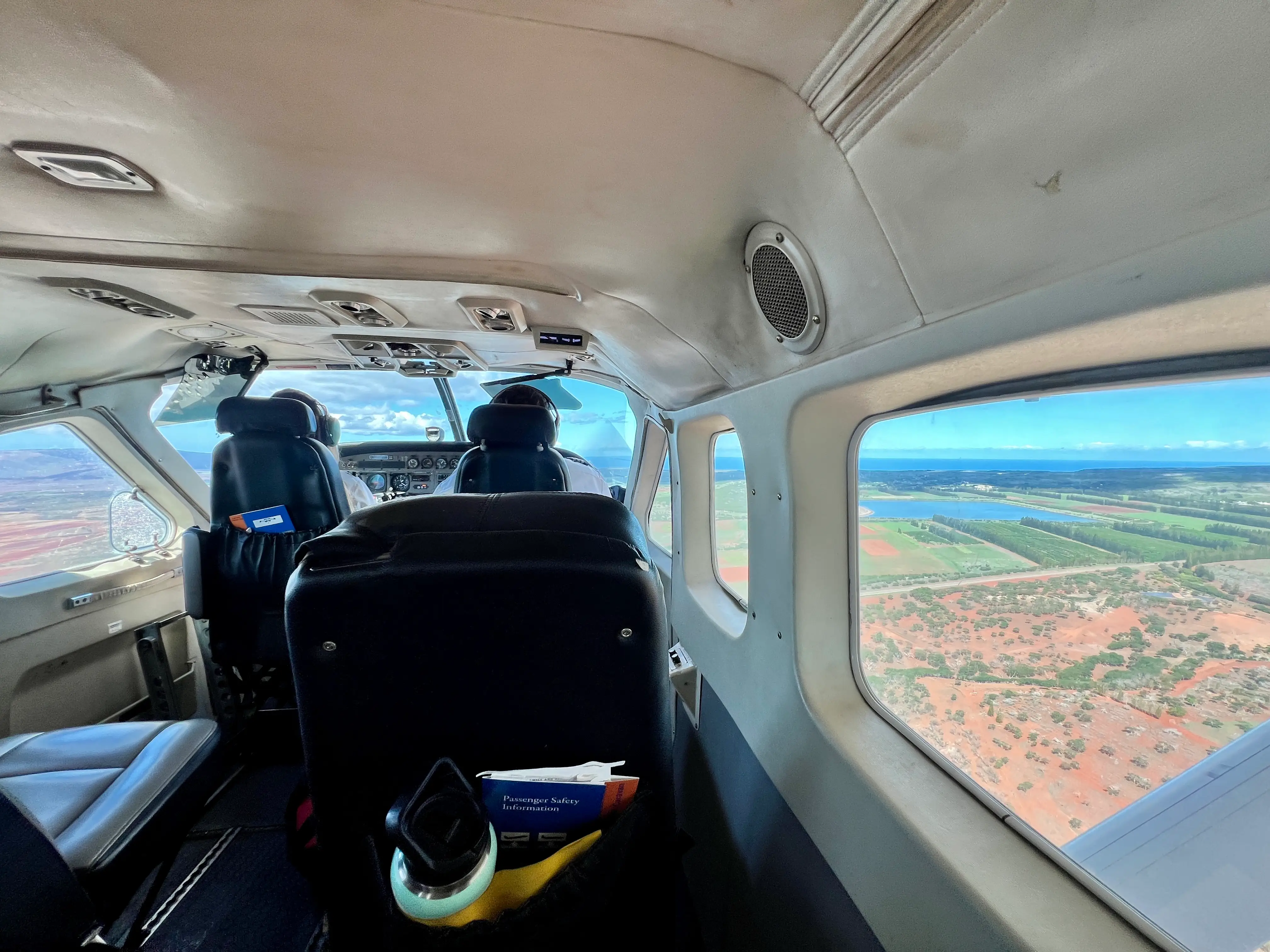
Smaller aircraft are more susceptible to wind, which can make for a noticeably bumpier ride.
I wouldn’t recommend this trip for nervous flyers because the turbulence got surprisingly intense, especially in the last few minutes of the flight.
After 20 minutes in the air, we arrived on Molokai at 11:35 a.m.
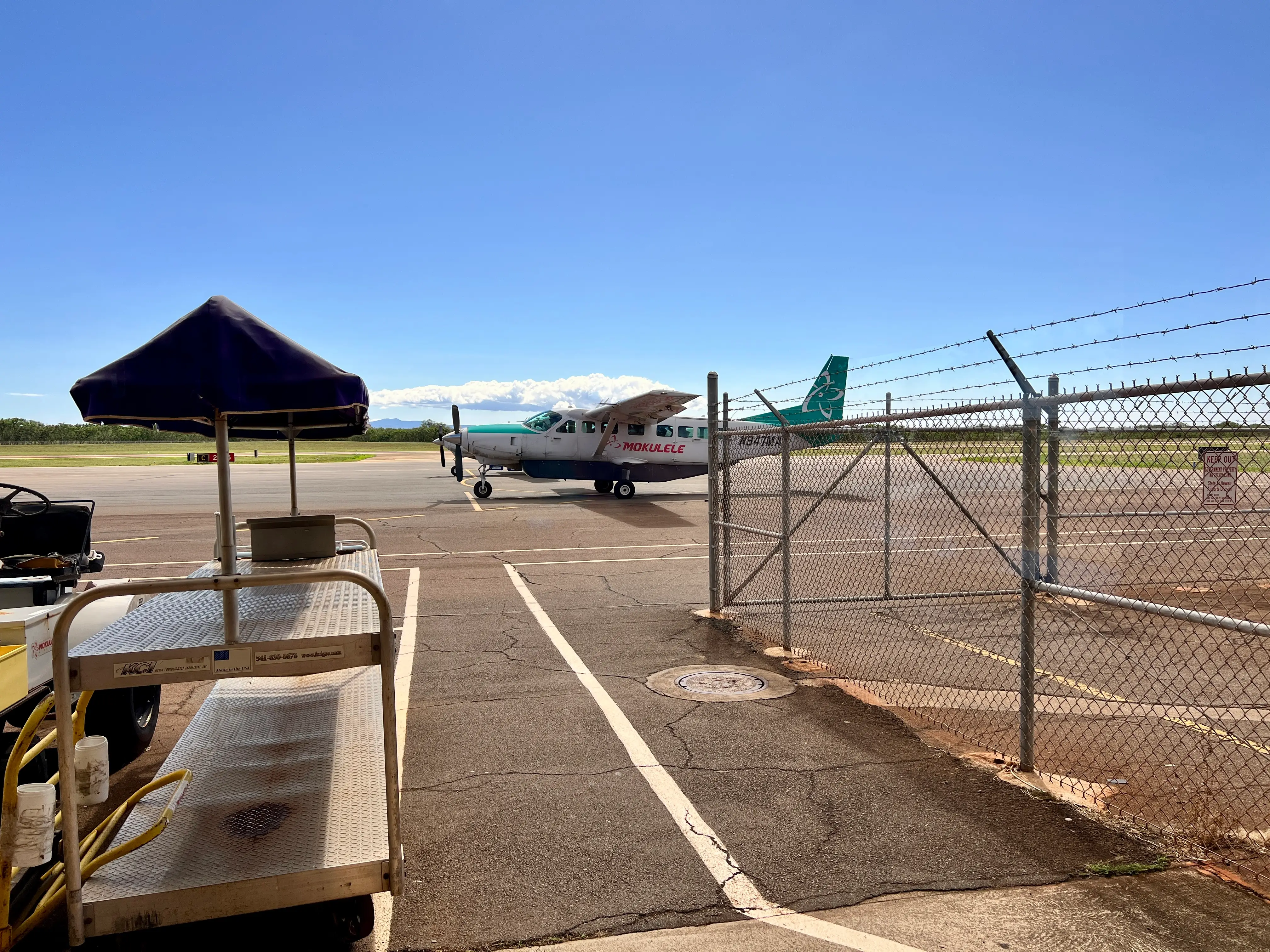
The tiny terminal and ironwood trees lining the property reminded me of Kapalua, and the familiar landscape made me feel like I’d never actually left Maui.
Baggage claim was the simplest setup I’ve ever seen.
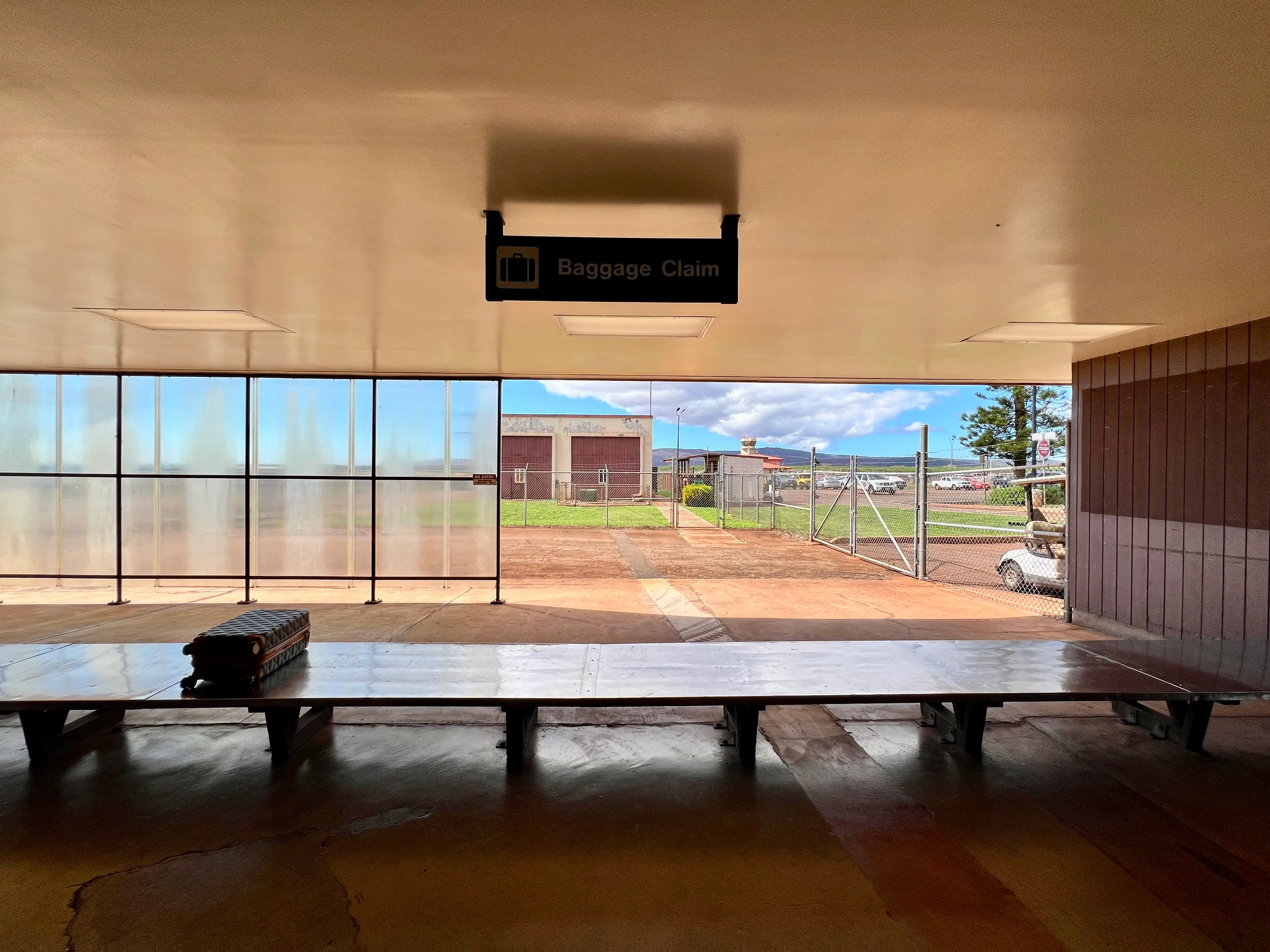
It was literally an elongated bench — something you might mistake for regular seating if not for the “Baggage Claim” sign hanging above it.
Exploring the whole airport took me about 25 minutes.
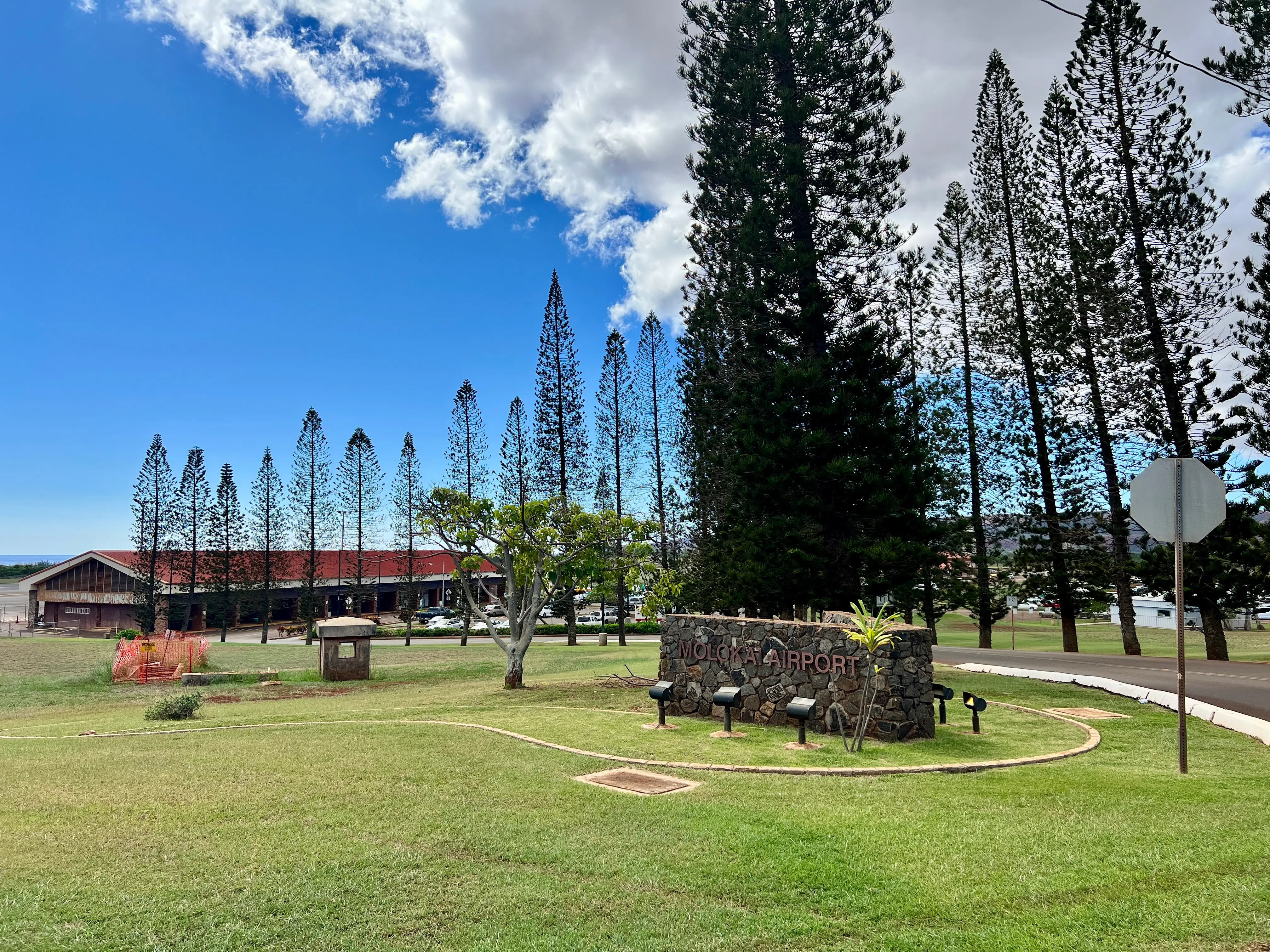
The Molokai Airport has only two runways and occupies a small area of a few hundred acres.
Walking through it, I spotted a display by the Molokai Arts Center and Molokai History Project; an uncrewed activity counter by Molokai Outdoors; Aunty’s Leis & Little Things gift shop; and a small wall of brochures, including an excellent one from the Hawaii Tourism Authority about visiting this precious island.
Ultimately, I’d only recommend this flight to certain types of travelers.

The journey is best for those who can handle turbulence — children and nervous flyers may find the ride challenging.
Though the planes are ADA accessible, seat assignments are based on weight distribution rather than proximity to the door, which may be challenging for travelers with mobility concerns.
As I mentioned earlier, though, Molokai is generally not a popular stop for tourists anyway.
Its limited offerings in terms of nightlife, resort amenities, and high-end dining seem to reflect the long-standing preference for preserving Old Hawaii’s slower, community-centered way of life.
This island feels meant for those looking to unplug — whether by choice or because of the spotty reception — slow down, connect with nature, and embrace solitude.
Still, I was excited to explore the island and get a taste of it myself … but more on that later.
Read the original article on Business Insider
The post I flew to the ‘least touristy’ island in Hawaii on a 9-passenger plane. I’d only suggest this trip to certain travelers. appeared first on Business Insider.