He went to drug treatment 18 times as a teenager. He had a heart attack on a plane after doing cocaine. He tormented his family with violent outbursts, stints living on the streets and a never-ending cycle of relapse.
Nick Reiner, 32, struggled with drug addiction for nearly two decades, something he and his family shared with the public. This week, he was charged with murder in the death of his parents, the director Rob Reiner and his wife, Michele Singer Reiner.
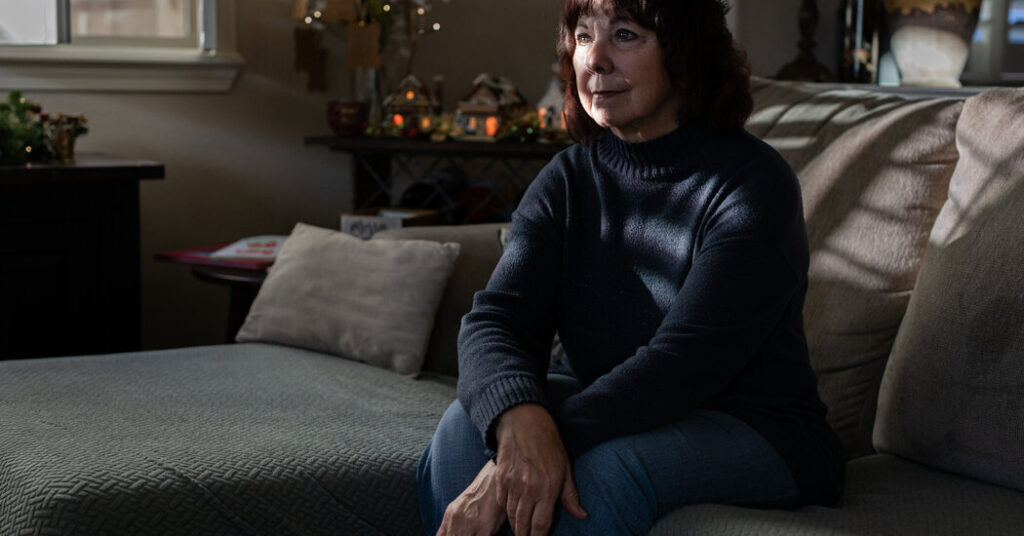
His ordeal, and its impact on his parents and family, has resonated with millions of people, including Pattie Vargas. Her daughter isolated herself and lived on the streets while battling addiction to alcohol and drugs. Her son developed a heart condition from drug use and died of heart failure in 2017 while intoxicated, just one month shy of turning 36.
“As a parent, I would have cut off both my arms to save my kids,” said Ms. Vargas, of Vacaville, Calif. She took out a second mortgage and eventually lost her home covering treatment costs, she said. “This is a health crisis. It’s not a moral failing, it’s not a family screw-up. It’s an illness.”
Some 50 million Americans struggle with drug and alcohol addiction. It can require multiple stints in rehab before people truly begin the recovery process, according to experts. Others may never reach that point — drug overdose is the leading cause of death for Americans between 18 and 45 years old.
“It’s really hard to know whether or not someone is going to recover,” said Colleen Berryessa, a Rutgers University professor who studies addiction.
Though rare, drug use and related mental health disorders can sometimes lead to violent and deadly actions, usually while a person is under the influence of some types of drugs or trying to obtain them. In 2021, a man whose family said he was addicted to opioids — and grew angry when doctors wouldn’t prescribe them — was sentenced to life in prison for a deadly shooting at a Minnesota health clinic.
Prosecutors in the Reiners’ killing have not indicated whether they believe substance use played a role in the murders, and no information about Nick’s mental health history has emerged.
As the celebrity son of a prominent Hollywood filmmaker, Nick Reiner and his family had access to the highest-end resources to treat his addiction. But sometimes money and resources aren’t enough, said Gary Mendell, a hotel executive whose son, Brian, killed himself in 2011.
His son was 25 and had struggled with addiction for over a decade, said Mr. Mendell, who lives in Westport, Conn. Mr. Mendell founded Shatterproof, an addiction crisis nonprofit, after his son’s death.
“I had all the resources that anyone could have,” he said. “I could afford anything related to the treatment of my son.” But shame and stigma still drove Brian to die by suicide, he said.
The Reiners also struggled with how to treat Nick’s addiction. In 2015, Rob Reiner told The Los Angeles Times that he regretted not listening to his son, who said a drug-treatment program was not working for him.
“We were desperate, and because the people had diplomas on their wall, we listened to them when we should have been listening to our son,” Rob Reiner said.
That sentiment resonated with Kathy Strain of Berks County, Pa., who became the legal guardian to her nephew, Tommy, and considered him a son. She lost him to an opioid overdose in 2018, when he was 27.
He died in his recovery home, which Ms. Strain said did not have Narcan, the medication that can reverse an opioid overdose.
Ms. Strain now leads support programs at Partnership to End Addiction, one of the nation’s largest nonprofit groups dedicated to helping families dealing with substance use. She said Nick Reiner’s history spotlights a need to improve mental health and addiction treatment centers and to provide ongoing services after patients leave rehab.
She has two adult children who are also recovering from substance use and said she has often felt judged for their struggles. Many people have told her that the only way her children would get better was to let them hit rock bottom, a sentiment she disagreed with.
“We’re often told, ‘They’re choosing this, this is what they want,’” Ms. Strain said. “But addiction is a disease.”
Ms. Vargas’s daughter, Rebekah Mutch, is four years into recovery. As someone who grew up in the California suburbs with a loving family, Ms. Mutch said she never expected to be someone who was overwhelmed by addiction.
She remembered that while she was struggling, she would constantly wonder: “Why am I doing this? How did I find myself in this situation?”
Shame and guilt mounted as she watched her inability to stop using affect her family, she said. Those feelings kept her out of recovery for years. She imagined that someone with Nick Reiner’s history could have felt similarly.
“He had so many opportunities and so many things that were available to him, and didn’t have to worry for much or want for much,” Ms. Mutch said, “but still had that dependency that he couldn’t exactly explain.”
“It takes you into some pretty dark places,” she added.
Sonia A. Rao reports on disability issues as a member of the 2025-26 Times Fellowship class, a program for early-career journalists.
The post For Families Fighting Addiction, Reiner Tragedy Strikes a Nerve appeared first on New York Times.