I was on my knees in my November garden at 72, jeans soaked, wrestling bishopweed from the cold earth. Some things just keep coming back — bishopweed, old hurts, family patterns, and the stories we tell ourselves about how life was supposed to go.
I glanced at the bag of bulbs — tulips, crocuses, daffodils that I should have planted last month. I’m late, as usual. Best-laid plans. Four generations of my family have lived through divorce: my parents, mine, my son’s, and now my grandchildren’s experience of its aftermath. It’s not the story any of us planned, but it’s the one we live with tenderness and humor — mostly.
I am the matriarch of this sprawling, untidy bunch — nephews, nieces, their children, in-laws, exes, half-siblings, and step-grandparents. I once believed I could keep everyone together, as if some ancient Sicilian bargain required it: family stays together, no matter what. No matter the divisions — divorce, hurt feelings, politics, betrayal, religion.
Now, as the holidays approach, I’m trying to map out what they’ll look like this year. Is my first husband’s wife hosting? Or my ex-daughter-in-law? Who’s on the email chain, and who’s on the text thread? Which day? Who might not come at all? Making sure no one — accidentally or on purpose — gets left out.
I juggle competing plans and multiple households
When I was a child in the 1950s, the entire extended family gathered around a long holiday table that stretched from the dining room into the living room. We dragged in folding tables, scavenged mismatched chairs from the basement, and Uncle Tony had to shout from one end to talk to Aunt Lee at the other. My mother sighed in the kitchen, wondering aloud why she always had to host this huge gathering. I lifted the heavy velvet-lined box to take out the fancy silverware while my father raked leaves in the yard, chatting with neighbors over the fence. Divorce was rare.
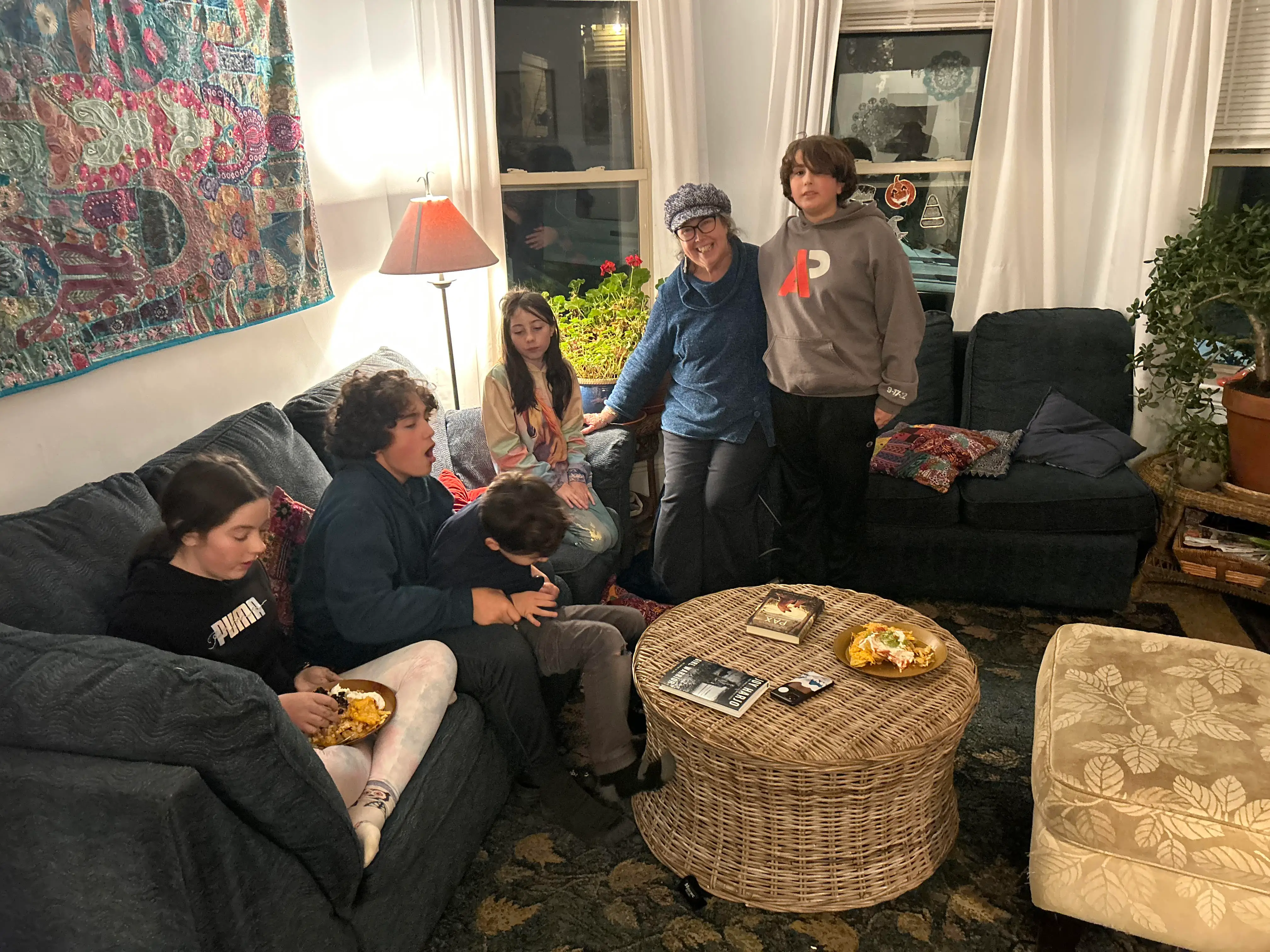
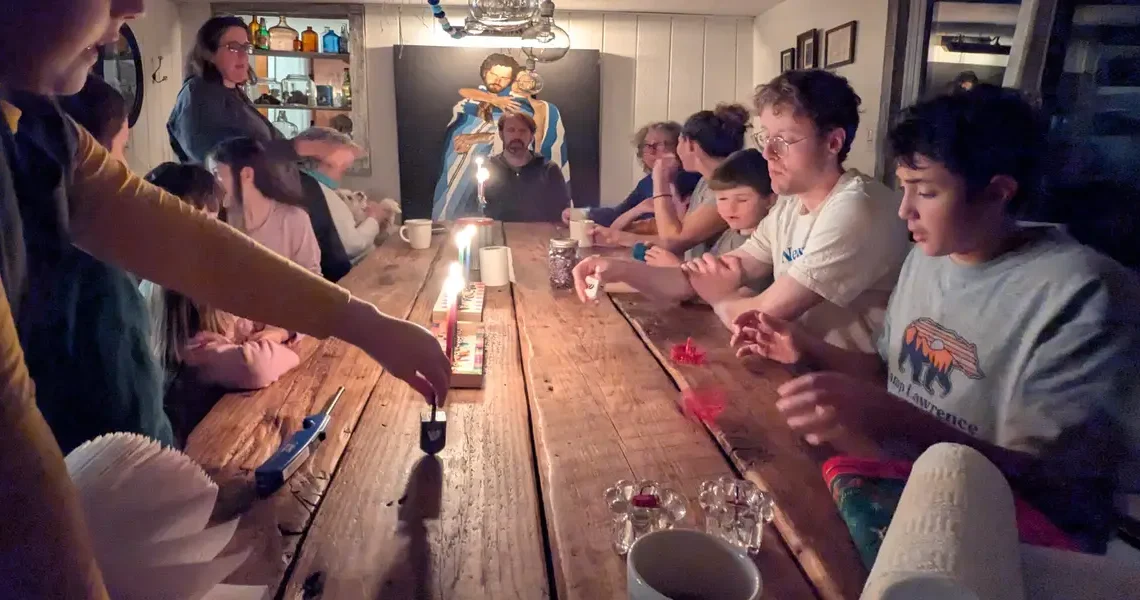
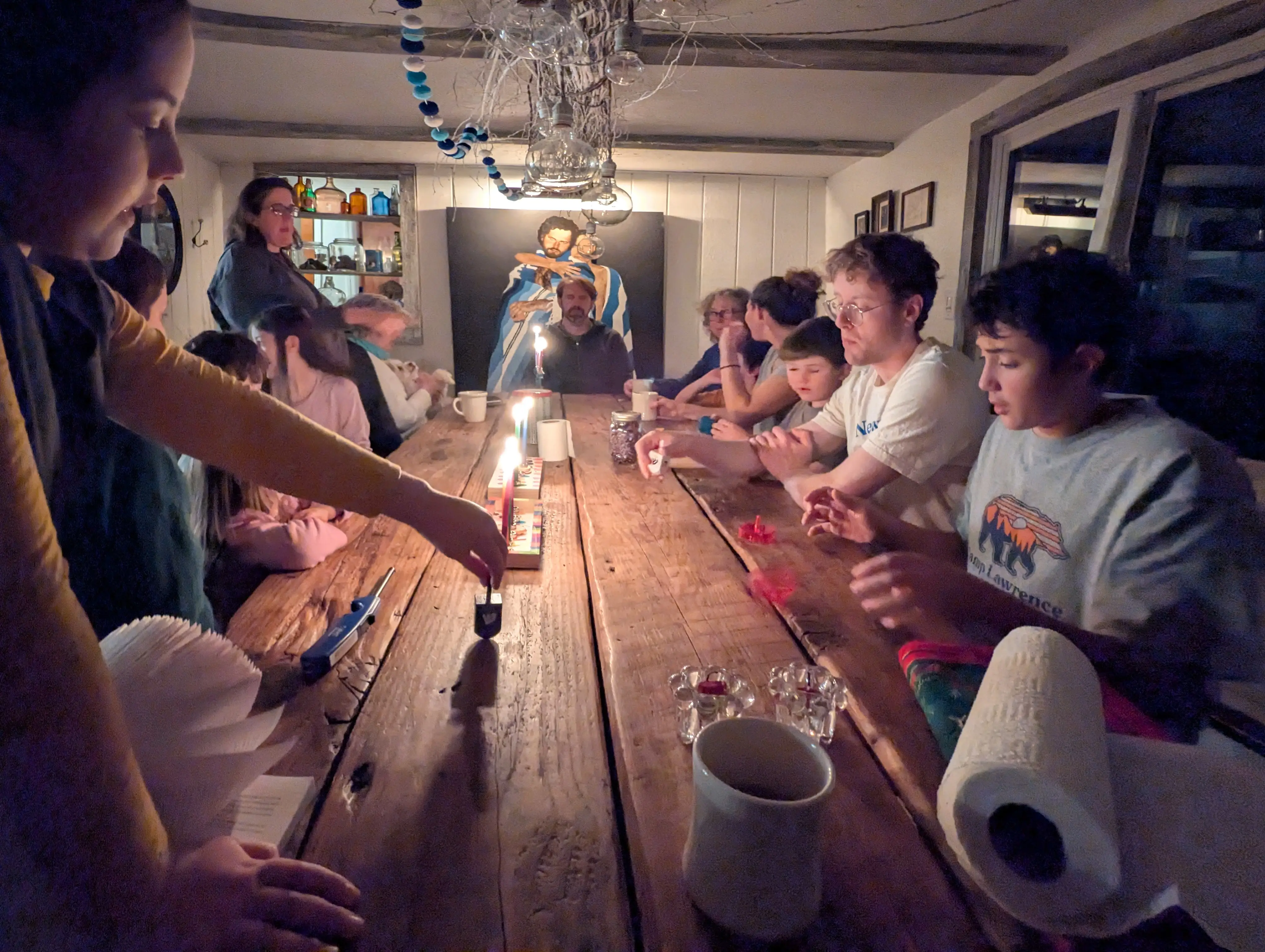
Now, the picture looks very different. Our family tables have multiplied. During the holidays, we juggle multiple households, competing plans, and shifting versions of “together.” I’ve learned to hold my expectations loosely. It’s not the Norman Rockwell version, but it’s ours. Love looks different when every branch of the family tree is healing in its own messy, imperfect way. And though the coordination sometimes makes my head spin, I’m quite pleased that everyone still wants to gather — in some form, at some table, somewhere.
When everything gets too tangled, with the group texts, the expectations, and the quiet grief, I go outside. The garden never demands RSVP lists or follow-up emails. It asks only that I show up, hands in the dirt, and remember that what’s alive doesn’t always look orderly.
I struggle with change
I want traditions and people to stay the same — or at least familiar. As a child, I believed that if I could just figure out the right way to do things, I could have love that was always peaceful and adventures that weren’t risky. I didn’t know how ironic — how oxymoronic, really — that was. Even as I aged, I believed that once I got old, life would finally be easy and that all the negative feelings would be behind me. Denial is powerful.
Maybe it’s the therapist in me that still wants to make sense out of every rupture and eliminate the chaos. But healing isn’t tidy, and most families can do is clean up after the storm and rake up the leaves.
The kids are watching
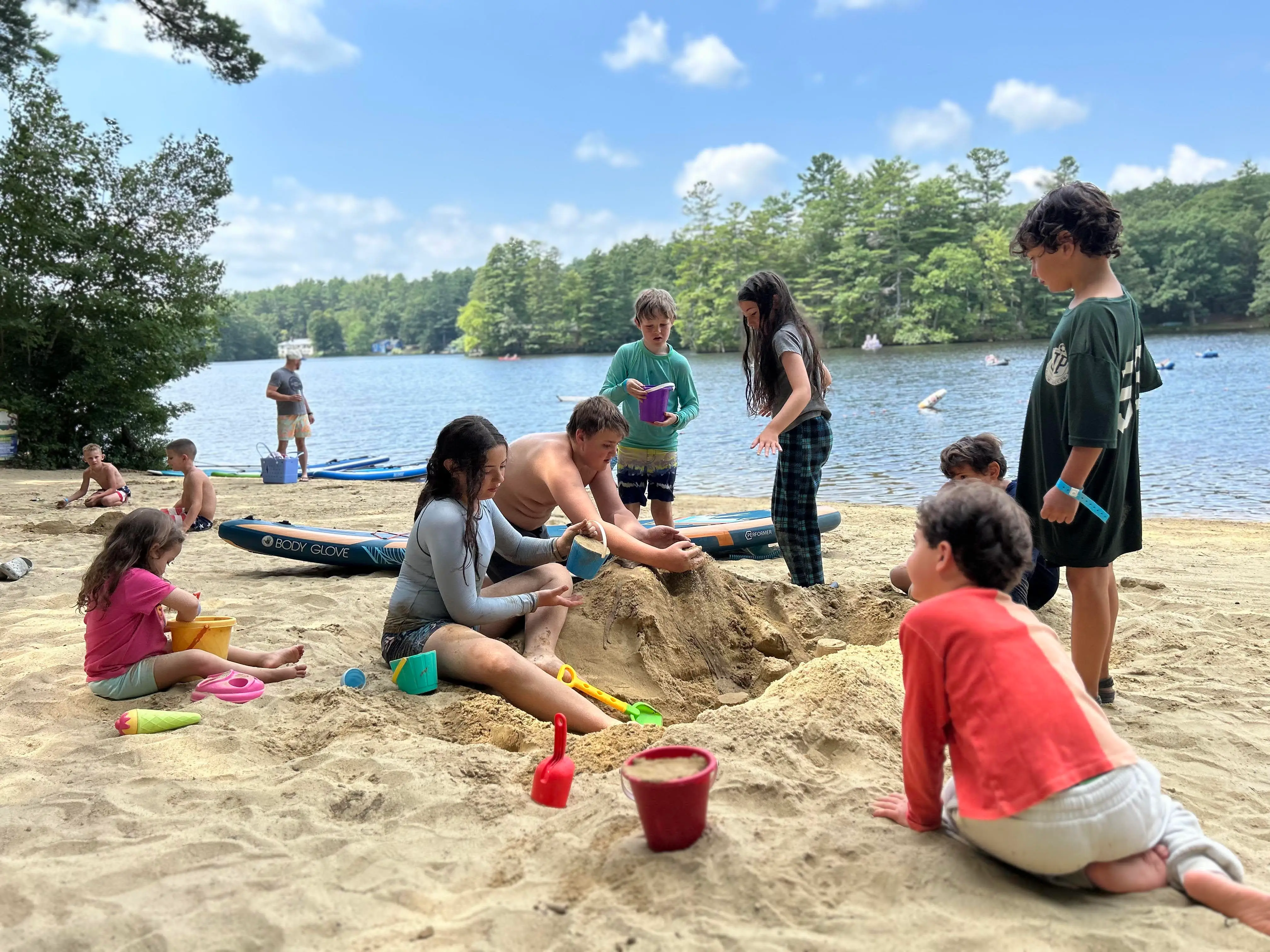
Grief takes up a lot of room at the table. I want to wrap a warm blanket of comfort around the whole family. I want to change all negative feelings into safety and coziness, and have everyone be OK. But the only way I’ve ever reached “it’s OK” is by admitting when it isn’t, and by asking for help when I need it, and by letting the people who love me see that I’m not always fine. No matter who’s coming where or who might not come at all, my challenge now is to stand beside my family rather than try to manage or fix them — to let go without withdrawing.
My grandchildren are watching all of us, trying to figure out how love works after endings. Sometimes, I think they handle emotional complexity with more grace than we adults do. Still, I worry. Is that grace — or just what powerlessness looks like when you’re young? What will they remember?
What I do know is that they continue to love. Their instinct to connect shows me that love doesn’t depend on tidiness. It depends on presence, on trusting that it can stretch. They make room for everyone without overthinking it. Maybe that’s what they’ve learned growing up in families like ours: by not expecting perfection, they’re free to keep loving.
What surprises me most isn’t the breaking — it’s that we keep trying. The family I have now is wide and imperfect, with exes who sometimes bring pies to dinner, step-grandparents who’ve reached inclusion, holidays that span multiple homes and don’t always hold everyone.
I look at my garden, knowing the bishopweed will return no matter how deep I dig. The roses never bloom exactly when I expect them to. The bulbs I planted late will still find their way up through the cold ground come spring. There’s something comforting in that — a reminder that life, and love, don’t follow our timelines.
Virginia DeLuca is a therapist and the author of “If You Must Go, I Wish You Triplets.” She writes about family, aging, and the ways love changes shape over time.
Read the original article on Business Insider
The post Coordinating holidays with multiple divorced families is tough. At 72, I’m learning when to let go. appeared first on Business Insider.