Megan Jenkins is director of strategic research at Pacific Legal Foundation, where Paige Gilliard is an attorney in the environment and natural resources practice group.
Enacted in 1969 — before the Clean Water Act and the Endangered Species Act — the National Environmental Policy Act was meant to ensure that federal agencies consider environmental effects before approving major actions. But today, NEPA has become a blockade that prevents common-sense projects from moving forward.
The result is an America trapped in the past and unable to build the infrastructure of the future. That needs to change.
There are signs that it finally may be, as lawmakers on both sides of the aisle increasingly agree that NEPA is holding the country back. Recently, the House Natural Resources Committee began markup of the Speed Act — a bipartisan effort to reform and streamline NEPA that is long overdue.
NEPA’s review process is a litigation-driven obstacle that delays projects the United States desperately needs. Virtually everything gets caught up in the NEPA web, from new highways to energy-generation facilities to mining projects that would provide the critical minerals we need to power clean energy and national defense. According to the Council on Environmental Quality, the average environmental impact statement — a key review document under NEPA — takes 4½ years to complete. One-quarter of projects took six years or longer.
In addition to delays, federal agencies spend millions of taxpayer dollars preparing NEPA documents that have few concrete environmental benefits. The Energy Department reported that it paid an average of $6.6 million per project between 2003 and 2012 to prepare an EIS. As the Government Accountability Office notes, these are the costs paid by government agencies only. Project developers pay additional expenses.
Data on the cost of NEPA is incomplete, but data on the law’s benefits is even harder to come by. The GAO notes that reports on those benefits typically list increased public participation and transparency, which are difficult to quantify. NEPA’s benefits are also difficult to separate from those of laws such as the Endangered Species Act and the Clean Water Act. NEPA was passed before substantive environmental laws existed. Now it is duplicative of the many environmental protections we have today.
NEPA’s defenders describe it as a tool for ensuring environmental transparency. But decades of expansive judicial interpretation have turned it into a bludgeon for opponents to use to quash projects through costly and time-consuming litigation.
Even once a project makes it through the multiyear NEPA process, there is no guarantee that it will move forward. According to research by the Breakthrough Institute, NEPA litigation results in an average delay of 19 months, with many lawsuits taking much longer. These aren’t minor slowdowns. They are major barriers that make many projects financially or logistically impossible.
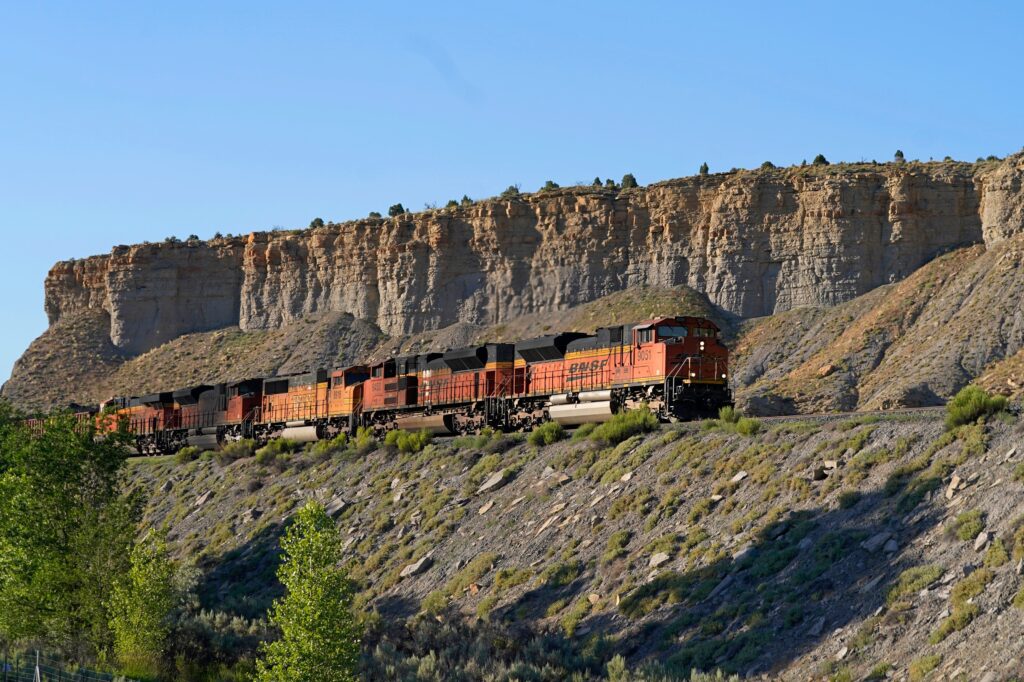
A recent case, Seven County Infrastructure Coalition v. Eagle County, illustrates the problem. The Seven County Infrastructure Coalition sought approval to build 88 miles of railroad connecting Utah’s Uinta Basin to the national freight rail network. Federal regulators spent years producing an EIS. Although the project was finally approved, a federal appellate court blocked it. The project was stopped not because the review contained mistakes, but because judges believed regulators should have analyzed speculative upstream and downstream environmental impacts (including effects on climate change) that the agency neither controlled nor regulated.
In May, the Supreme Court unanimously rejected that reasoning. The court explained that agencies need only consider the environmental effects of the project actually before them, not hypothetical or remote consequences. The ruling reaffirmed NEPA’s procedural limits.
However, it also underscored a deeper truth: A statute that requires constant correction from the Supreme Court is a statute that no longer functions as intended.
Repealing NEPA would not eliminate environmental review. It would eliminate duplication. Substantive modern laws already impose strict, enforceable limits on how projects may be built. Repealing NEPA would still require federal agencies to evaluate projects under existing laws.
If wholesale repeal is not possible, Congress can and should make incremental improvements. The Speed Act would narrow the definition of “major Federal actions,” shorten deadlines, reduce litigation risk and codify the Supreme Court’s recent clarification that NEPA is procedural, not a lever to slow down the entire economy.
Even strong reforms, however, cannot address the underlying issue: NEPA was written for a world without modern environmental laws. Since its passage, layers of guidance, precedent and litigation have transformed it into a rigid, unpredictable and costly barrier to building.
A prosperous future requires abundant energy, reliable infrastructure and affordable housing. It’s time for Congress to end NEPA and let America build again.
The post The law that is trapping America in the past appeared first on Washington Post.