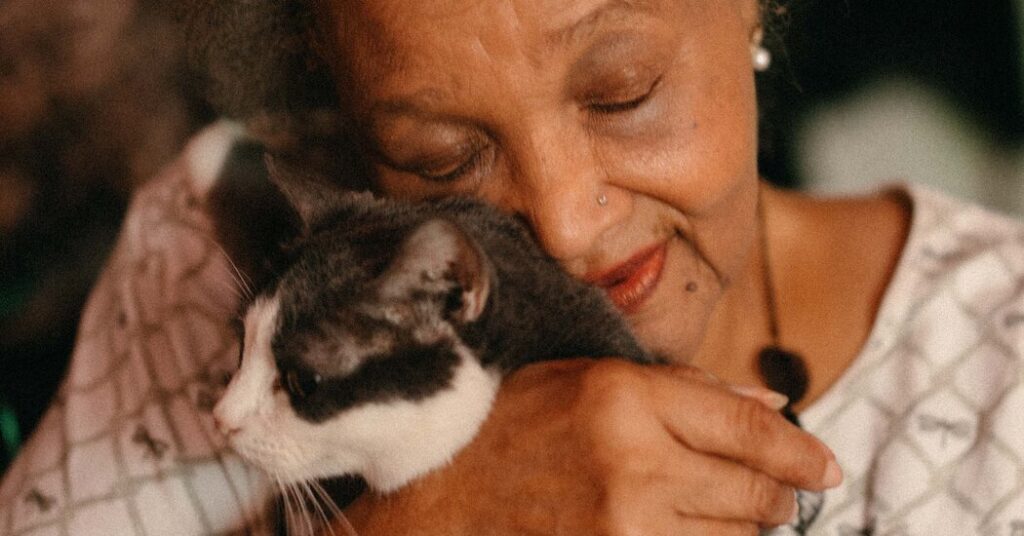
On a chilly fall afternoon in Far Rockaway, Queens, Deborah Otts, 75, parked her wheelchair in front of her computer monitor, clicked on a virtual music class and entered with a burst of energy. “Hi, Beverly! Hi, Janice!” she said, before naming every other member of the class.Once the class began, two musicians played guitar and sang a mix of songs, including some by Ms. Otts’s favorite artist, Neil Diamond. She swayed in her chair and announced, “Music is good for the soul.”
She had long lived an active life. She had a daytime job as a home health aide and nighttime gigs as a security guard in Brooklyn nightclubs. But hip and knee replacements pushed her out of the work force. She was homebound, in need of an outlet.
In 2015, when she was 65, a caseworker connected Ms. Otts with Selfhelp’s Virtual Senior Center, an online platform that provides interactive classes on history, exercise, self care and more. Selfhelp delivered a computer to her home for free and sent a tech support worker to set it up and show her how to join classes. She could call tech support whenever she had an issue, but she quickly learned how to navigate the site on her own.
Before long, Ms. Otts was taking classes nearly every day and jumping into conversations. She made friends with classmates and spent hours on the phone with them, sharing stories about grandchildren, careers and grief over lost loved ones. Occasionally, she and other homebound classmates would arrange to meet for dinner at restaurants like Olive Garden, thanks to family members who helped them go out.
Ms. Otts has now been involved with the Virtual Senior Center for 10 years, and she has become its de facto social chair. She rallies her classmates to dress up on certain days, including Halloween and Easter, when they wear fancy hats. The community breaks up the monotony of homebound living and brings its members joy.
“There’s so many classes that I take that give me so much meaning,” Ms. Otts says. “You can make friends — you know, open your heart.”
For people like Ms. Otts, an online community can be lifesaving. Social isolation among older adults is associated with elevated rates of depression, dementia, heart disease and mortality. Close relationships and a sense of purpose can help them thrive. “There are times when we feel left out,” she said. “With the computer, we have a full day.”
UJA-Federation of New York supports Selfhelp in running free, high-quality programs for older New Yorkers. Consider donating to UJA through The New York Times Communities Fund.
A $178 donation to UJA allows an older adult to take Virtual Senior Center classes. You can learn more about the Communities Fund beneficiary organizations and donate at nytcommunitiesfund.org. To donate by check, please make your check payable to The New York Times Communities Fund and send it to P.O. Box 5193, New York, N.Y. 10087.
The Times is committed to publishing a diversity of letters to the editor. We’d like to hear what you think about this or any of our articles. Here are some tips. And here’s our email: [email protected].
Follow the New York Times Opinion section on Facebook, Instagram, TikTok, WhatsApp, X and Threads.
The post A Vibrant Community for New York’s Seniors appeared first on New York Times.