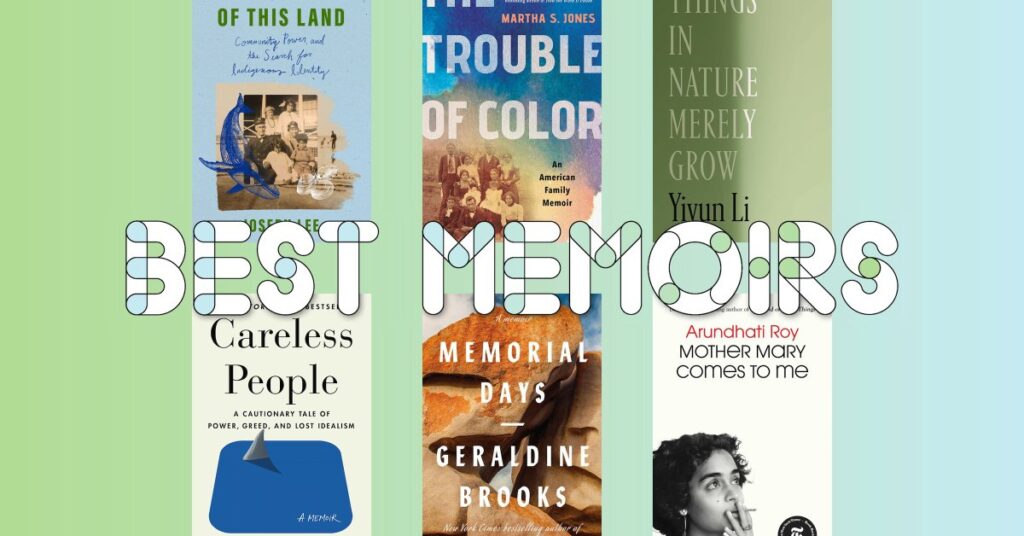
Why are we drawn to the stories authors build from their own lives and experiences? A good memoir might spark your curiosity, offer you much needed insight, or allow you to step into another person’s shoes—but, as a reader, what brings me back to this genre time and again is simply the hope that I will find, in the intimacy and specificity of another person’s narrative, a new way to think about my own. Memoirists often prompt me to reflect on the people and communities I’ve known and the experiences that have shaped me, even as they bring me into their own search for meaning and truth on the page. Whether I’m awakened or inspired, challenged or changed, I’m always thankful when a true story finds me at just the right time.
[time-brightcove not-tgx=”true”]
Here, my picks for the top 10 memoirs of the year.
10. Medicine River: A Story of Survival and the Legacy of Indian Boarding Schools, Mary Annette Pember
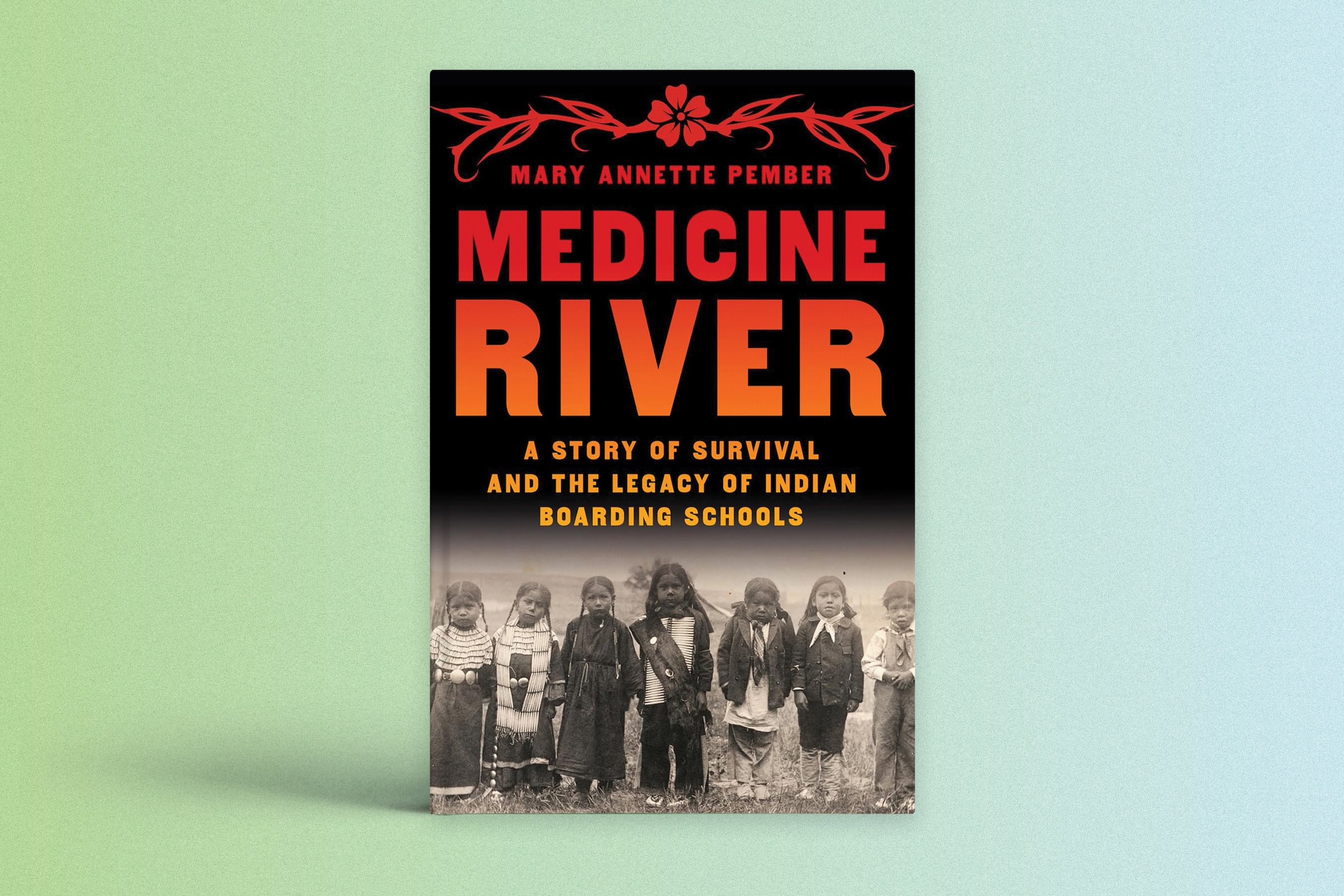
Mary Annette Pember’s mother never wanted to answer her daughter’s questions about what she had experienced during her eight years at St. Mary’s Catholic Indian Mission School. As a result, Pember, a journalist and national correspondent with ICT News and a citizen of the Red Cliff Band of Wisconsin Ojibwe, was unable to fully grasp her mother’s trauma and the impact it had on their family. After her mother’s death, Pember felt she needed to know what happened to her in order to better understand her own place in the world, which led her to research the boarding schools where countless Native children, including her mother and grandmother, endured years of hardship and abuse. She situates her family’s story within the broader history of these government-sponsored institutions as she grapples with both the trauma of family separation and her own complex relationship with her mother. Pember’s search supplies her with some needed clarity, while her exploration of her Ojibwe culture—and bearing witness to her people’s ongoing capacity for joy and survival—brings her a measure of healing.
Read More: The 10 Best Books of 2025
9. Strong Roots: A Memoir of Food, Family, and Ukraine, Olia Hercules
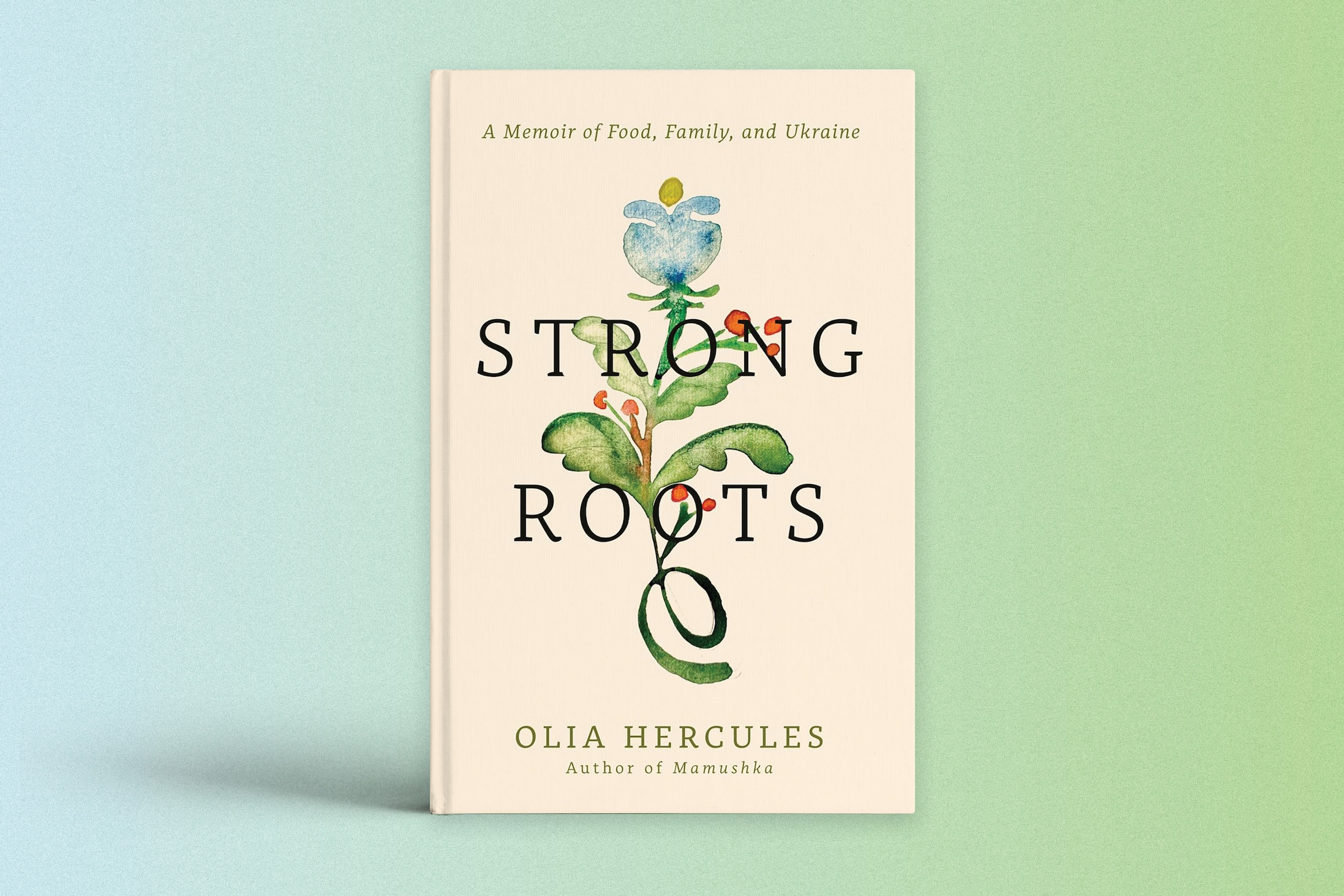
When tending rose bushes, Olia Hercules’ maternal grandmother Liusia instructed her family to “look at the roots”—if they are strong enough, she would say, even petals and stems lost to storms can grow back. In Strong Roots: A Memoir of Food, Family, and Ukraine, Hercules, a chef and author who was born in Kakhova and now lives in London, writes a work of memory, love, and quiet defiance. She names what her family and others have gone through since Russia’s 2022 invasion of Ukraine: her parents had to flee their home; her brother joined the defense forces; their hometown flooded after Russia destroyed a nearby dam. But the heart of her book is found in the resilience of her ancestors, whose legacy Hercules holds closer than ever. Amidst a war that hasn’t ended, what she eventually writes her way toward is not peace or resolution, but a ringing assertion of life: “Now I know that we are not victims. And we are not just survivors. We, Ukrainians of many ethnicities, cultures and histories, are united…. And here I am, living and breathing, writing these words for you, dear reader, to feel and understand our story.”
8. Articulate: A Deaf Memoir of Voice, Rachel Kolb
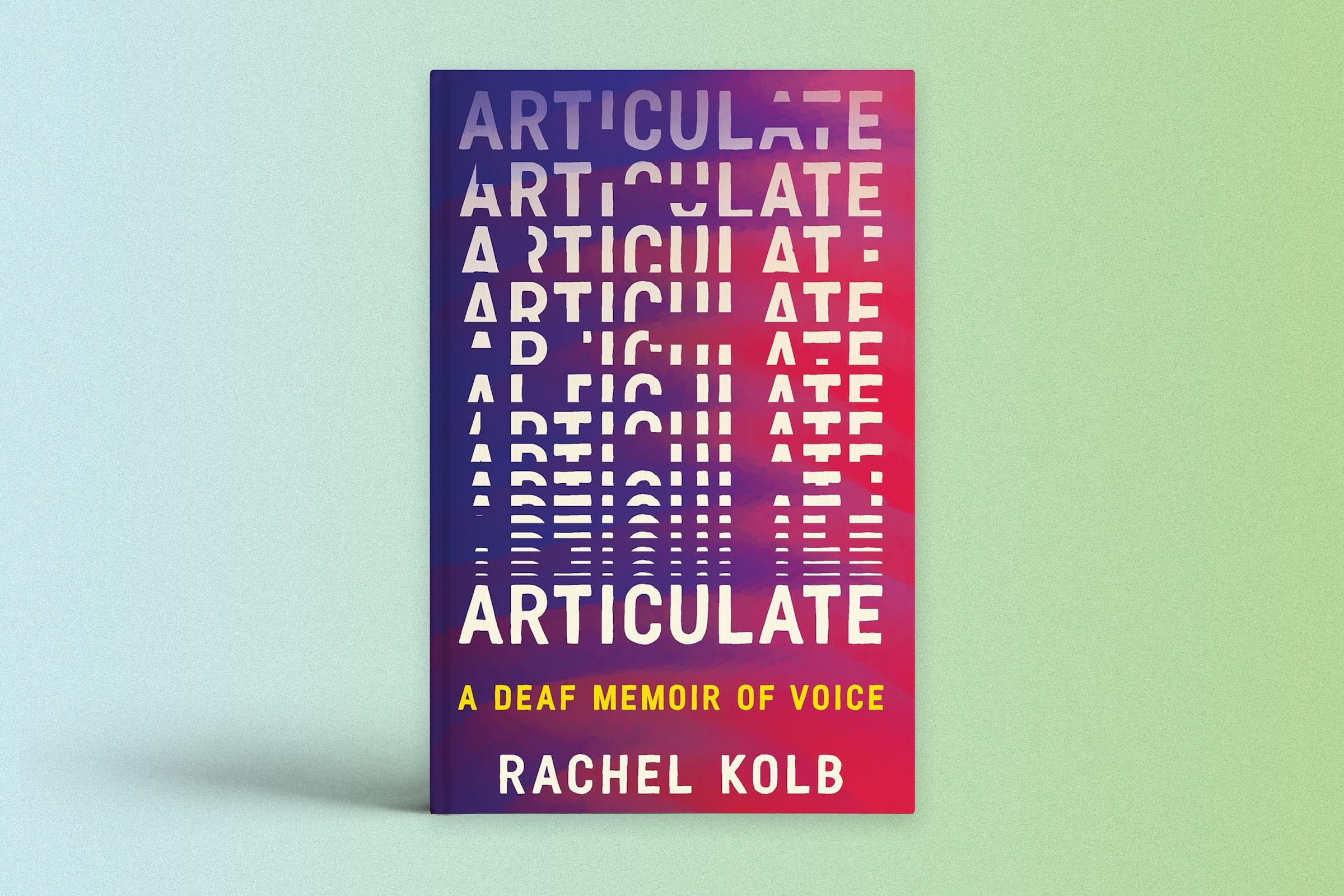
What does it mean to know and claim your voice, to be articulate, as a deaf person in a culture that often prioritizes hearing individuals and the spoken word? In this engrossing debut memoir, writer and scholar Rachel Kolb deftly combines personal storytelling and cultural commentary on deafness and disability, encouraging readers to consider the vast possibilities of language, communication, and dialogue—including the opportunities we might miss if we exclusively focus on verbal and hearing-dominant interactions. “Our ideas about fluency and sameness are…modern-day fictions,” Kolb writes, “extensions of those notions we’ve inherited about the normal and the standard and the typical…. But language, by its very nature, blooms from far more varied ground—which, to me, feels like its greatest miracle.” Curious and contemplative by turns, Articulate will make you think about self-expression, accessibility, and connection in new ways.
7. Careless People: A Cautionary Tale of Power, Greed, and Lost Idealism, Sarah Wynn-Williams
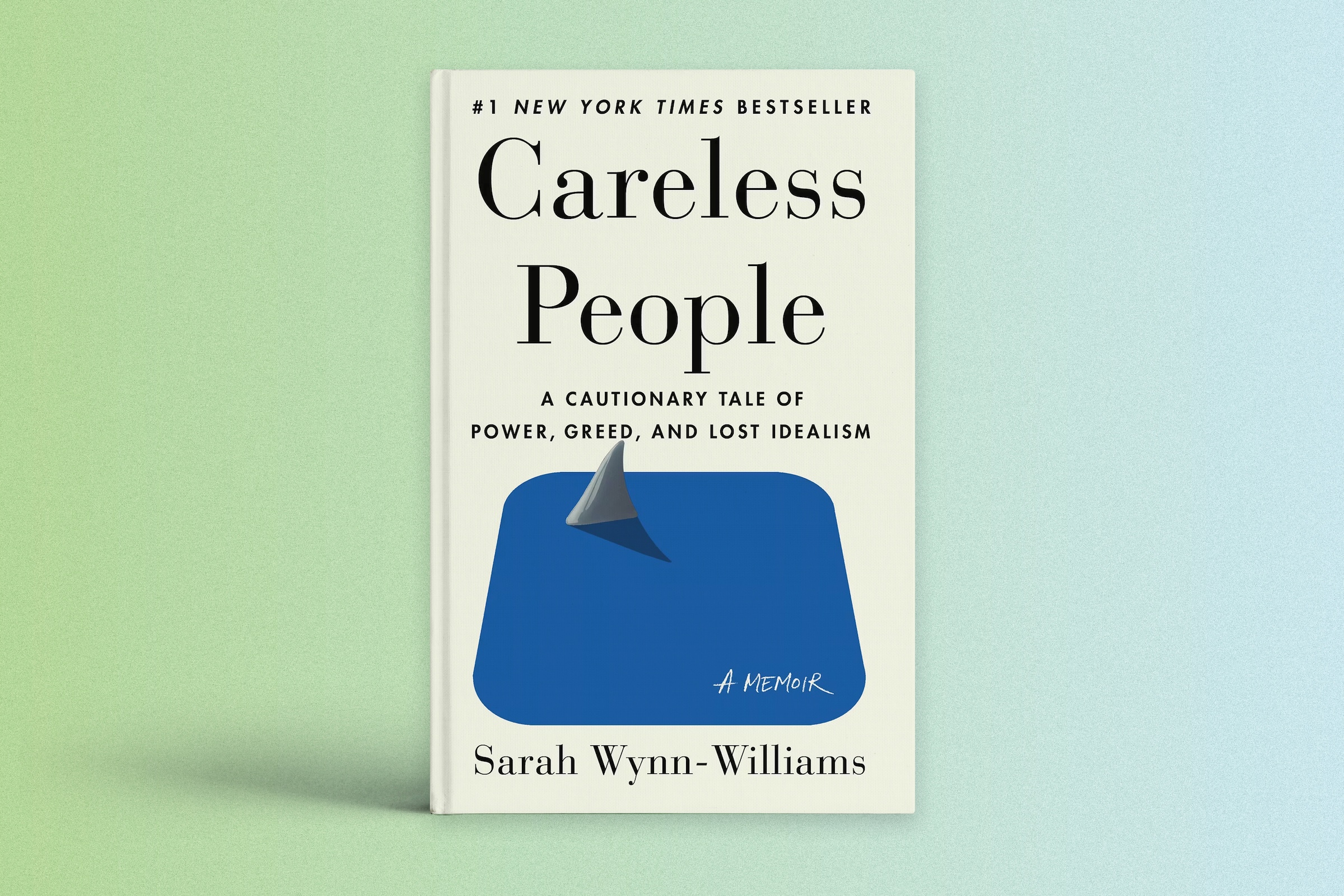
Sarah Wynn-Williams was a true believer in Facebook and its potential to “make the world more open and connected” when she pitched herself into a job as the company’s Manager of Global Public Policy in 2011. But what she once viewed as a dream role eventually gave way to a nightmare as she realized the extent to which what she describes as “a lethal carelessness” seemed to rule the company’s culture. In her memoir, Wynn-Williams portrays Facebook leadership as irresponsible, misogynistic, and power-obsessed; by the time she writes about founder Mark Zuckerberg being confronted with Facebook’s alleged role in Trump’s 2016 electoral victory, readers probably won’t expect much meaningful reflection or accountability in the company she refers to at one point as an “autocracy of one.” Wynn-Williams, for her part, does seem willing to interrogate her past aspirations: “I was part of it. I failed when I tried to change it, and I carry that with me.” While she is unafraid to name names or call out feckless behavior, it is the openness, warmth, and wit of her narration—all the more evident against the backdrop of a frequently absurd working environment—that makes her memoir a compelling read.
6. Memorial Days, Geraldine Brooks
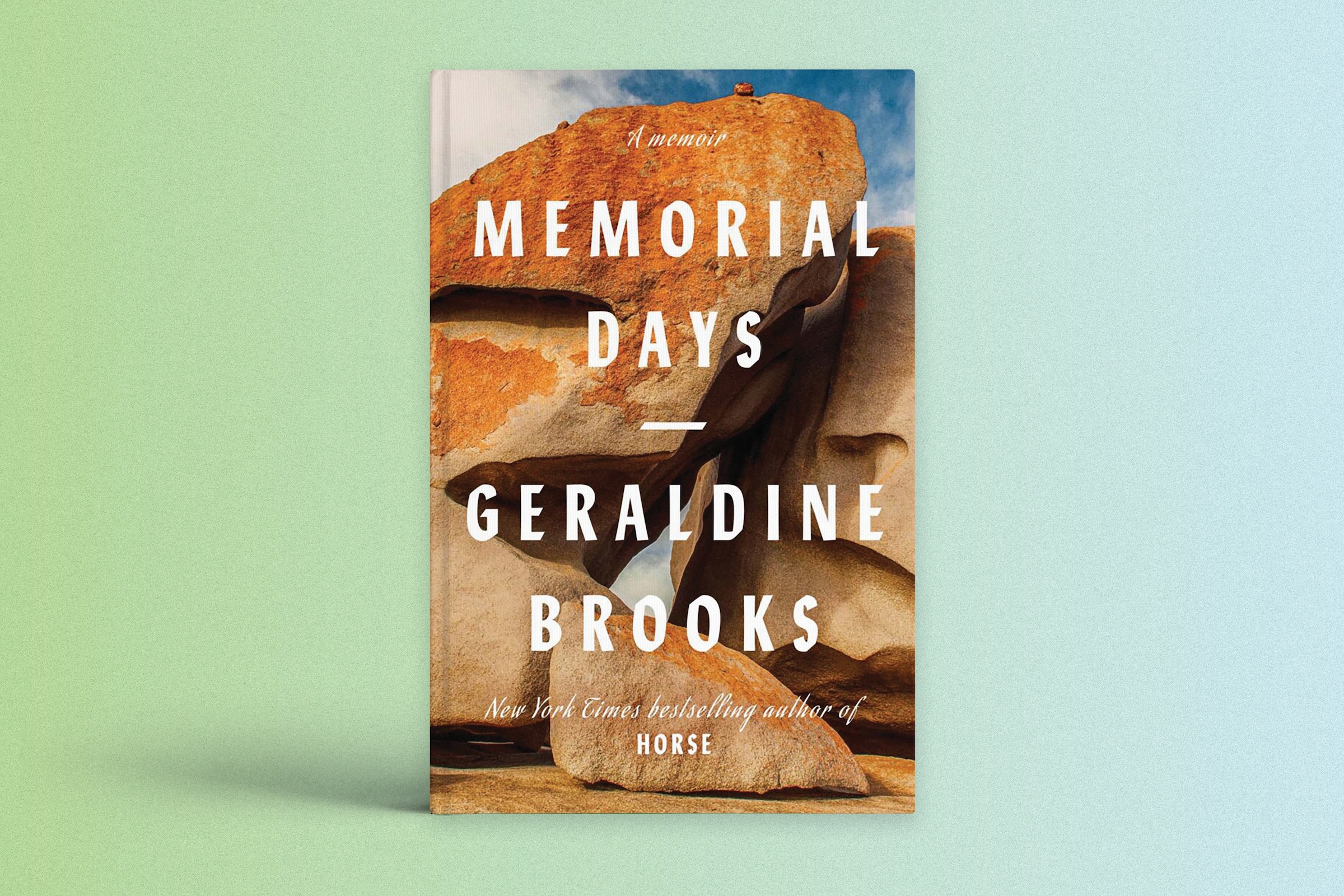
As I read Geraldine Brooks’s memoir, I kept thinking of something a friend said to me while I struggled to complete the many administrative tasks triggered by my mother’s death: “No one warns you that death comes with a checklist.” Brooks begins with the moment when everything in her life changed: an emergency-room physician in Washington, D.C. calls to tell her that her 60-year-old husband, Tony Horwitz, has died suddenly while on a book tour. After this shock, the “first brutality” in “a brutal, broken system,” she cannot give into the need to scream or cry or collapse, because there is so much she must attend to. This cascade of responsibilities, as well as what Brooks describes as the “endless, exhausting performance” of life after a loved one’s death, will ring true to anyone who has suffered an unexpected loss. It is only when she travels to a remote island off the coast of Australia that she is able to mourn her husband. In Memorial Days, Brooks honors the life they shared and reclaims “something that our culture has stopped freely giving: the right to grieve.”
5. Nothing More of This Land: Community, Power, and the Search for Indigenous Identity, Joseph Lee
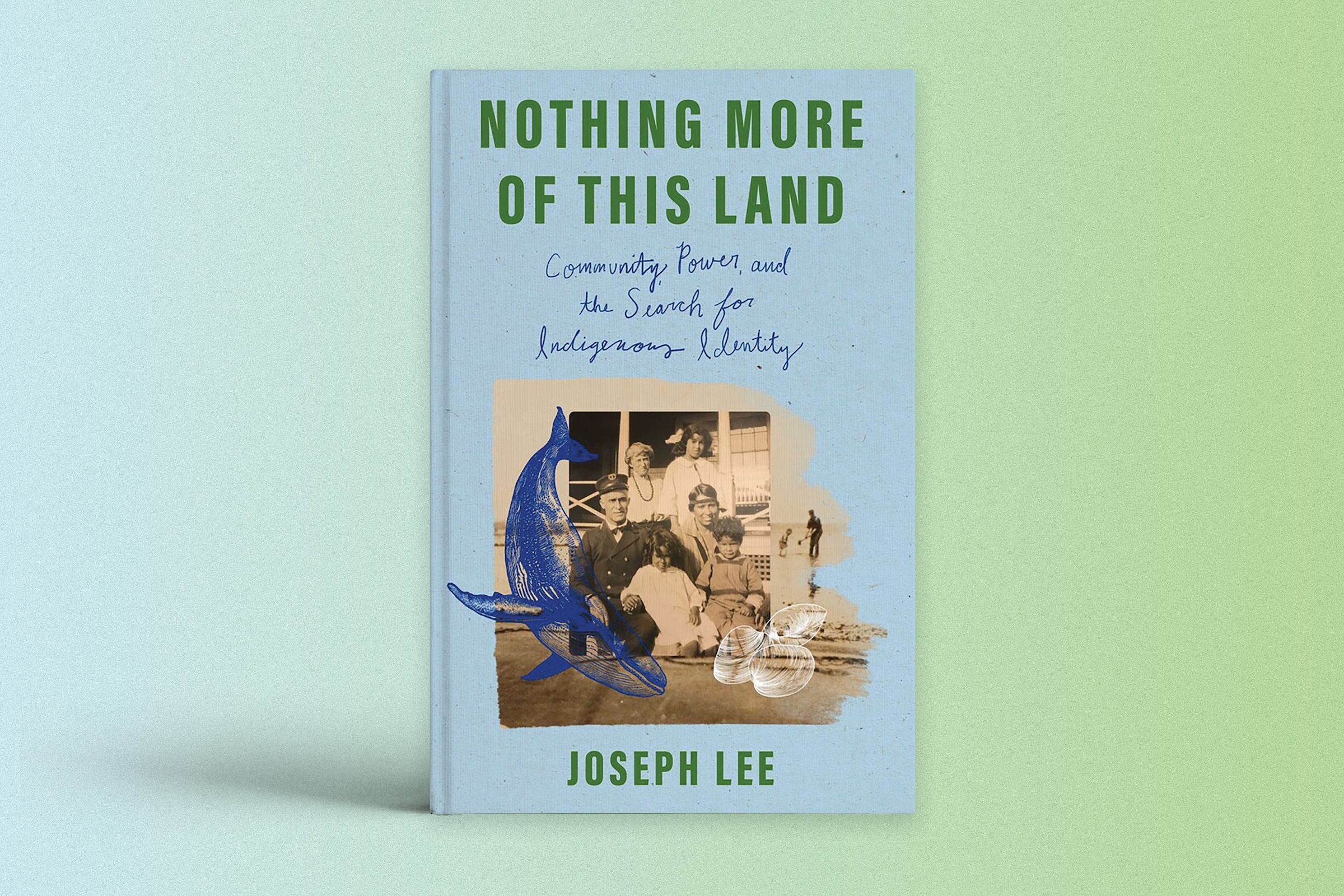
In Nothing More of This Land: Community, Power, and the Search for Indigenous Identity, Aquinnah Wampanoag author and journalist Joseph Lee shares the history of his family and his tribal community on the island of Martha’s Vineyard—known to Wampanoag people as Noepe—and reflects on questions of sovereignty, tradition, and belonging in Native communities from Oklahoma to the Pacific Northwest to the Yukon-Kuskokwim Delta. Lee brings his expansive journeys and conversations to life in this consistently thoughtful, accessible narrative that blends cultural history and memoir, research and reportage. Clear-eyed about both the destructive legacy of colonialism and the complications and contradictions often forced upon those working to challenge it, he positions himself as a curious and deeply engaged fellow learner, inviting readers to explore questions of community and identity along with him.
4. The Waterbearers: A Memoir of Mothers and Daughters, Sasha Bonét
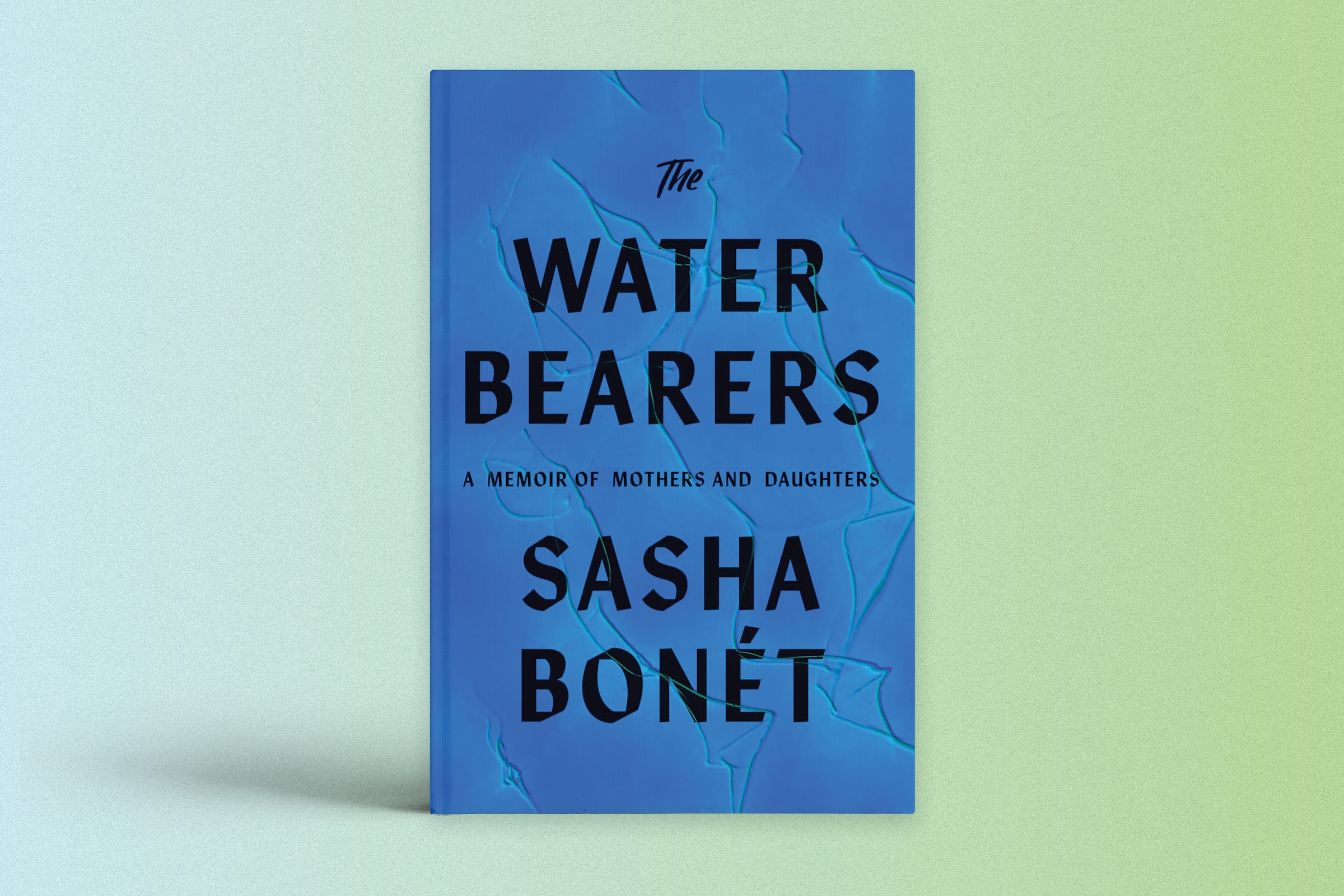
“Each generation of women in my family seeks to transform realities,” Sasha Bonét writes in her exquisite memoir, “but somehow we always find our way back to what we know. And we come from a long line of Louisiana women who traversed these troubled waters of the South.” The Waterbearers: A Memoir of Mothers and Daughters is both the story of those who raised Bonét—the Black women in her family who fought with everything they had to build lives and legacies for themselves and their children—and the story of our country; as she notes, the waters she and her family have crossed can also “tell you the true history of America.” A lyrical, unflinching exploration of motherhood, love, and survival across generations, The Waterbearers is a meditative and unforgettable read.
3. Mother Mary Comes to Me, Arundhati Roy
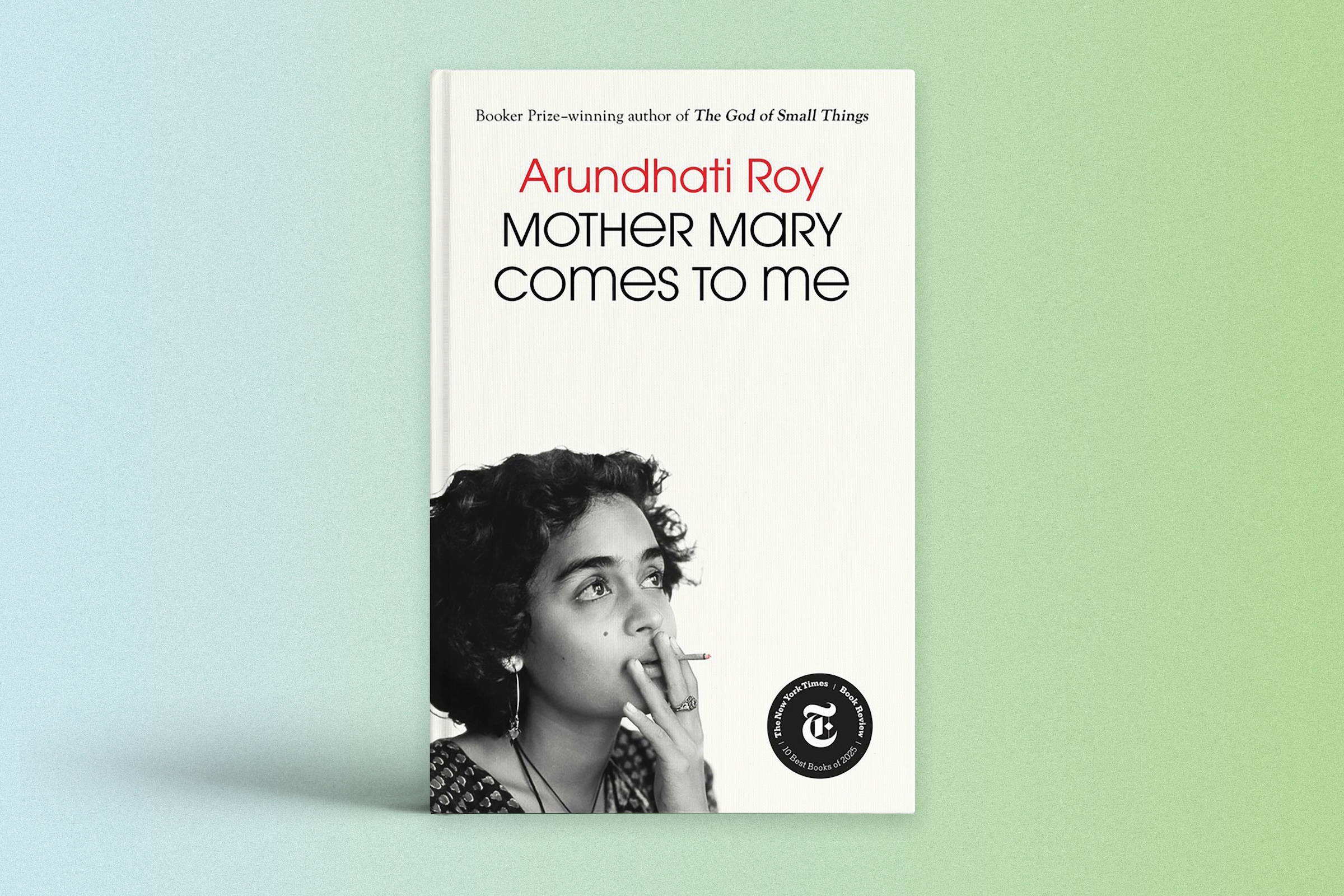
After the death of her mother, Mary Roy, in 2022, novelist Arundhati Roy felt “heart-smashed” and “unanchored”—and also somewhat surprised at the depth of her own devastation. At 18, Roy had declared her independence from her mother, the strong-willed founder of a school who was determined to “make space for the whole of herself” in the world. Their relationship was never easy, and for years Roy had to love her formidable, sometimes terrifying parent “from a safe distance.” In Mother Mary Comes to Me, she tries to make sense of who she is after the loss of the woman she calls “my shelter and my storm”—and around whom, she also recognizes, she learned to construct her own life and identity. Writing of how she worked over the years to try to accommodate and understand her mother, Roy recognizes that her writing itself is yet another kind of inheritance: “I turned into a maze, a labyrinth of passages that zigzag underground and surface in strange places, hoping to gain a vantage point for a perspective other than my own. Seeing her through lenses that were not entirely colored by my own experience of her made me value her for the woman she was. It made me a writer.”
2. The Trouble of Color: An American Family Memoir, Martha S. Jones
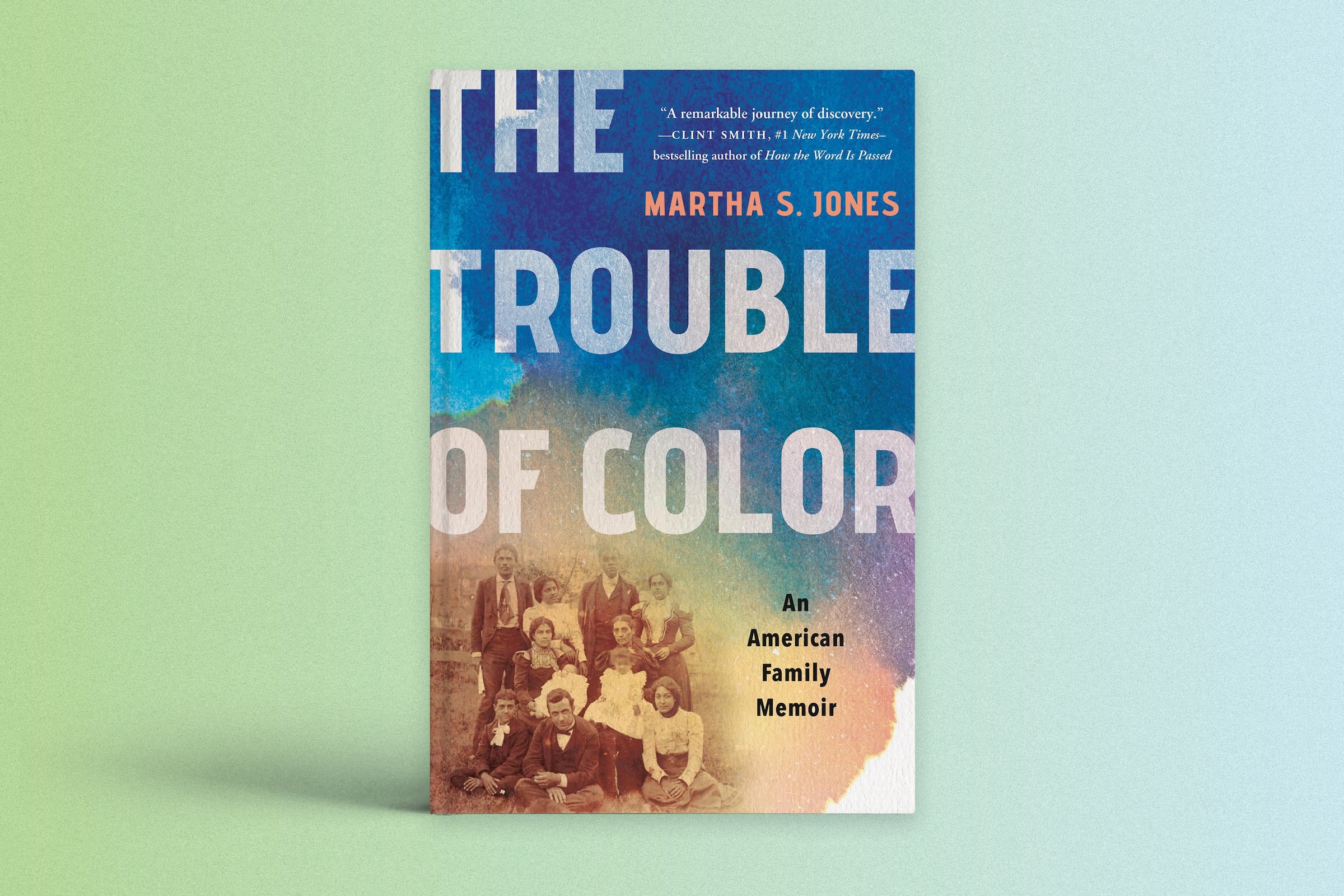
In the opening pages of this powerful and contemplative memoir, historian and author Martha S. Jones recalls how a college classmate once mistook her for white during a presentation on Frantz Fanon’s A Dying Colonialism in their Black sociology class. Though the two later became friends, she never forgot his accusation: “Who do you think you are?” In The Trouble of Color: An American Family Memoir, Jones answers this question on her own terms, painstakingly researching and tracing the story of her family since the days when her oldest known ancestor, Nancy Bell Graves, was enslaved in Kentucky. She shares a photograph of Graves at the age of 80, noting that “her skin was closer in tone to the white bonnet on her head than to the deep, rich dye of her… dress,” and states that “Nancy bequeathed to us not only her portrait but also the trouble of color—somewhere between too little and too much of it.” Yet Jones does far more than find and introduce us to her dynamic, determined forebears, many of whom were also “caught up along the jagged color line”; in pursuing a richer and more nuanced family history—one that she herself can hold onto and share in—she shows us what it means to be in deep, earnest conversation with one’s ancestors, and to seek truths beyond the bare facts of their lives or the circumstances they were born into. Hers is a book that, she explains, “emanates from longing”: to better comprehend those she came from, to learn from them, and to know her place among them.
1. Things in Nature Merely Grow, Yiyun Li
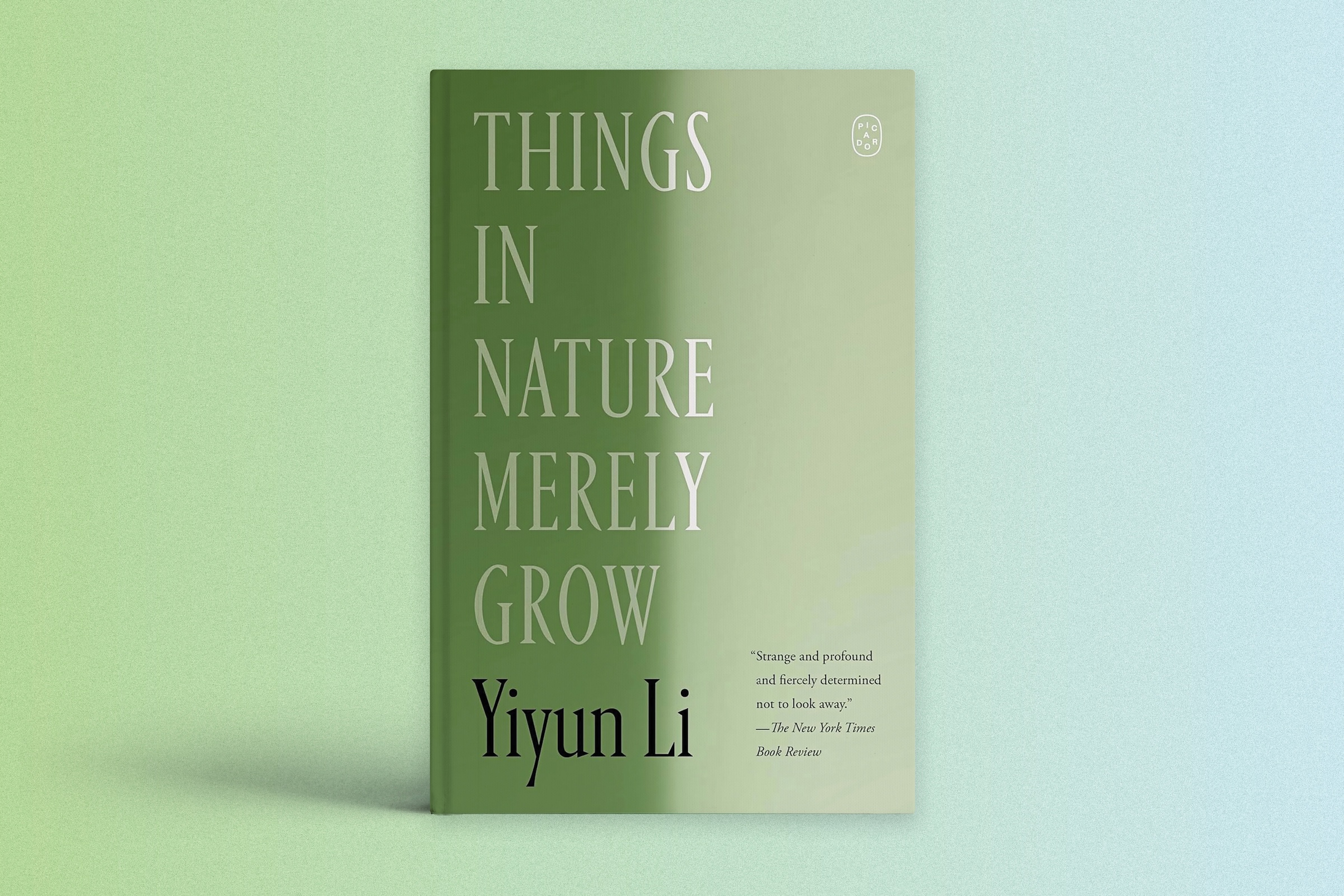
“This is not a book about grieving or mourning,” Yiyun Li writes in Things in Nature Merely Grow, the remarkable book she wrote for James, her son who died from suicide in 2024. Li knew that she would write a book for James, as she had for his older brother Vincent, whom she lost to suicide in 2017. But she also knew that James, unlike Vincent, “would not like a book written from feelings.” In order to find words for her younger son, Li felt she had to try to “live thinkingly,” as he did: holding onto logic, reason, facts. Her book, while starkly, brutally honest, is not overly emotional; nor does it engage in “questions of whys and hows and wherefores or the wishful thinking of what-ifs”—because such questions would seem to argue against the irrefutable fact of James’s death, and would thus be “a violation of [his] essence.” Instead, it is a work of profound and purposeful consideration, written from the abyss in which Li finds herself: “If an abyss is where I shall be for the rest of my life, the abyss is my habitat. One should not waste energy fighting one’s habitat.” Not everyone will feel they have the capacity for the kind of “radical acceptance” Li writes about, but no reader could be unmoved by her tenacious search for understanding; her commitment to the truth of her sons’ lives; her need to find “the most straightforward language” for a loss that seems unfathomable, despite knowing that words so often fall short.
If you or someone you know need help, call or text 988 to reach the 988 Suicide and Crisis Lifeline or go to SpeakingOfSuicide.com/resources for a list of additional resources.
The post The 10 Best Memoirs of 2025 appeared first on TIME.