They got a rise out of their raise.
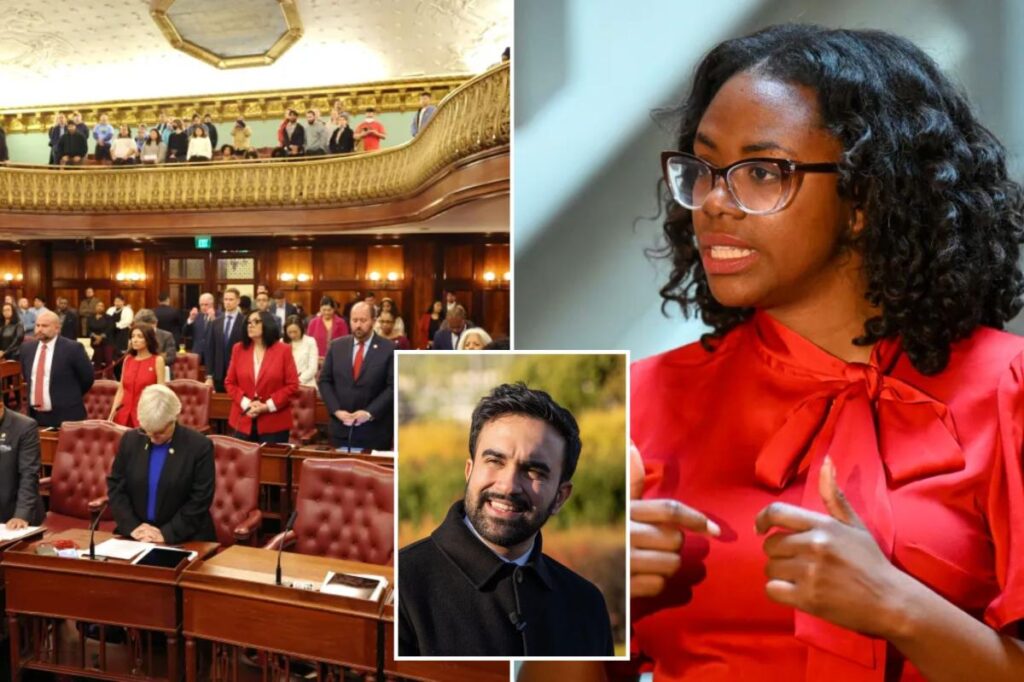
Good government watchdogs raked City Council members over the coals during a hearing Tuesday for trying to sneak in an 11th-hour raise for themselves.
The self-serving proposed 16% pay bump shamelessly skirts the City Charter’s ban from raising pay while in the lame duck period, argued Grace Rauh, the executive director of the Citizens Union.
“The approach that you all are considering undermines public trust and creates a troubling precedent,” she said.
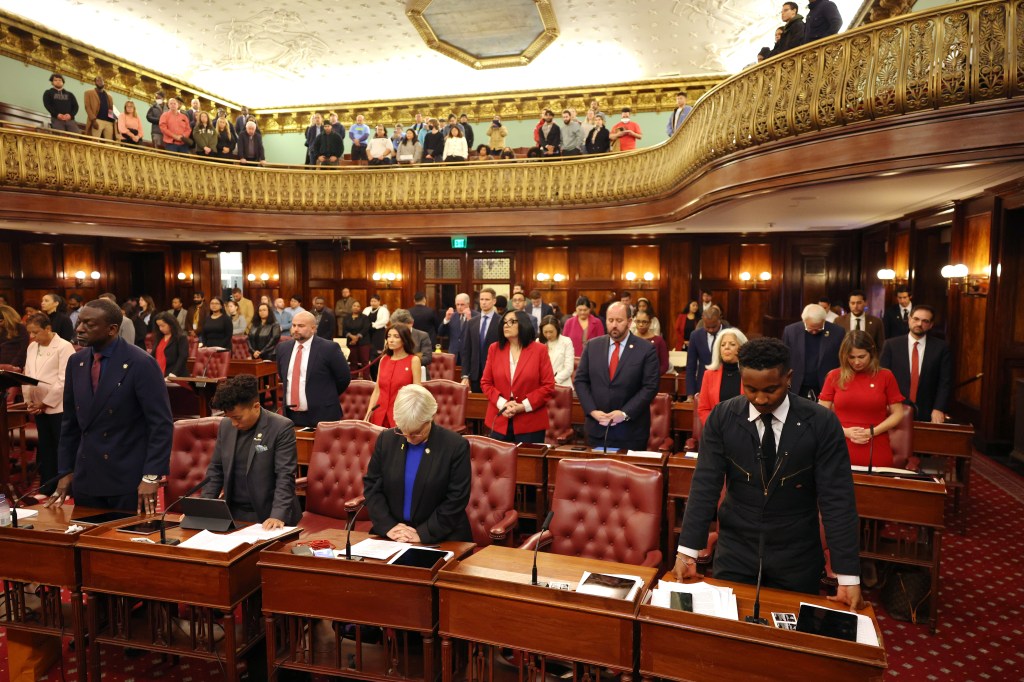
The hearing exploits a legal wrinkle to effectively put the salary jump on the council’s plate for 2026 — and potentially make it one of Zohran Mamdani’s first decisions as mayor.
City Council members’ salaries have remained flat at $148,500 for nearly a decade — a growing source of frustration for the elected public servants, who’ve seen other city employees get pay bumps.
The bill introduced by Councilwoman Nantasha Williams (D-Queens) would increase their salaries to $172,500.
And the paychecks of the mayor, public advocate and borough presidents would also see bumps, if the bill is passed.
But the legislation arguably puts Mamdani, a democratic socialist who campaigned on affordability for working class New Yorkers, in a bind.
He’d potentially be asked to give himself a pay bump from the current $258,750 to $300,500 within days of taking the oath of office — or risk alienating the City Council, if he vetoes the bill.
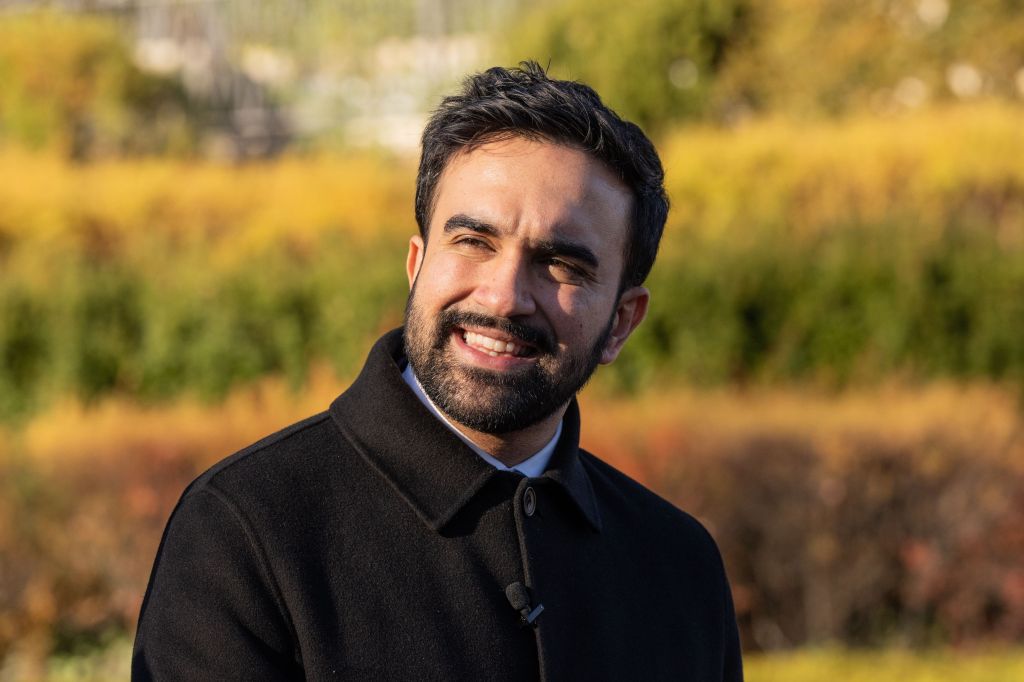
Both Rauh and Samantha Sánchez, a policy manager at the Common Cause New York watchdog, agreed elected officials should be well paid, given the rising cost of living.
They argued council members should have instead waited for Mamdani to convene a “compensation commission” tasked with making recommendations on pay.
“This approach would preserve independent review, maintain continuity with decades of established practice, and ensure that compensation decisions are made through a legitimate and accountable process,” Sánchez said.
“It is, however, possible to raise salaries through an honest, transparent and credible process, but the legislation before you today does not do that,” Rauh said.
Rauh noted council members could pursue other routes that bypass Mamdani, such as amending the law to allow another elected official to appoint the pay commission.
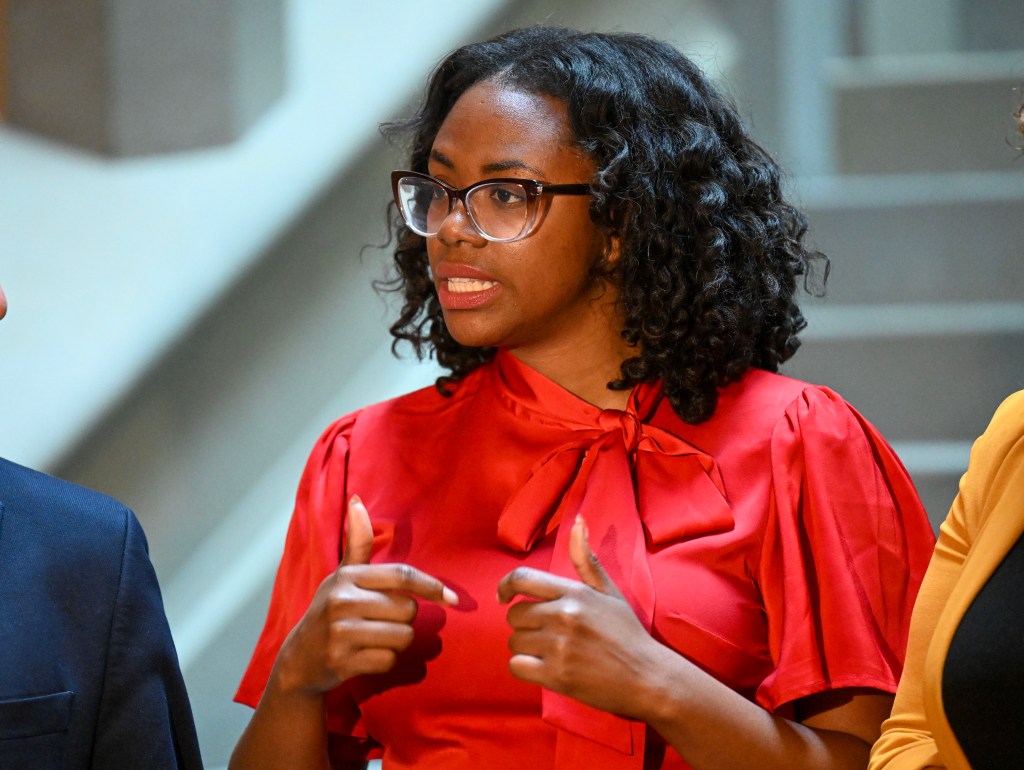
Williams initially tried to push the bill for a speedy vote before Mamdani took office, but had to scrap the plan when officials pointed out city law blocks lawmakers from voting on pay raises during the post-election lame-duck period.
She argued that calls to create a commission simply would take more time.
“I am a hopeless believer in democracy, but oftentimes it’s very hard to be deliberate in democracy, and it takes a lot of time, and so that’s just the only thing I want to add,” she said.
“Like, I completely get it, and I understand and having commissions certainly are better for public consumption, but the public has always been upset about any raises no matter how the raises have come.”
Councilman Lincoln Restler (D-Brooklyn), who chaired the hearing, seemingly tried to get ahead of negative press by slamming Mayor Eric Adams.
Adams, he noted, had unilaterally signed a personnel order in 2024 granting all managerial staff retroactive pay increases.
“They are his political appointees,” Restler said. “Do you think it’s appropriate for the mayor to give his political appointees a $2 billion salary increase that got significantly less scrutiny than today’s hearing?”
The post NYC Council pols bashed for trying to sneak in 16% raises for themselves before Mamdani takes office appeared first on New York Post.