Low-tax Florida is convincing itself it has a tax problem. Some conservatives in the Sunshine State, including Gov. Ron DeSantis (R), want to largely eliminate property taxes, and lawmakers have proposed a constitutional amendment to do so by 2027. But Florida already has an ideal mix of taxes and spending for its population.
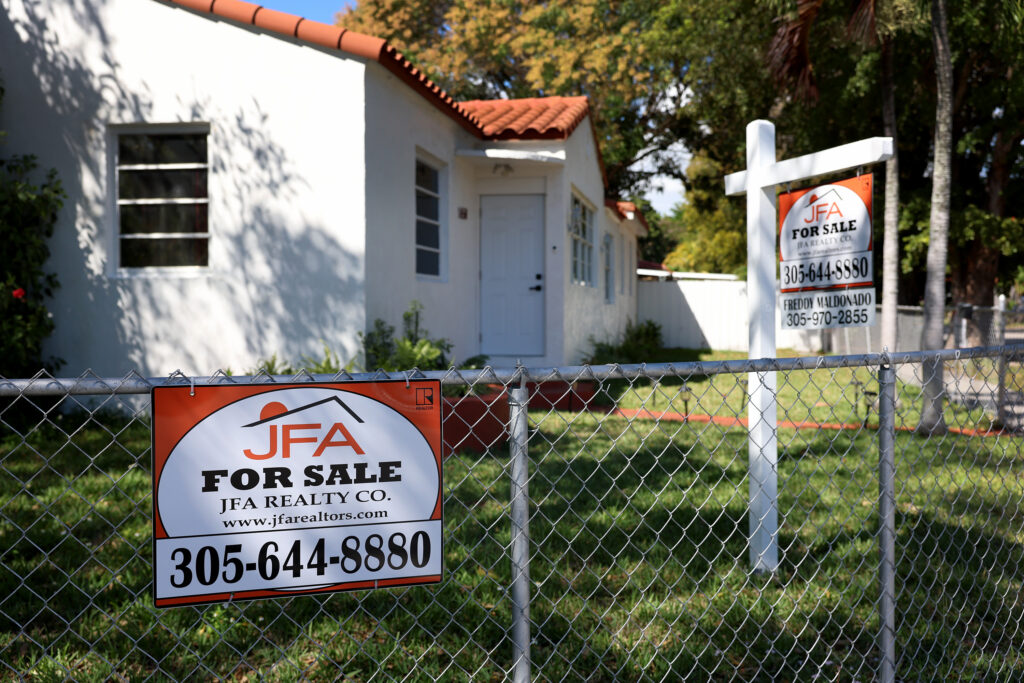
Florida’s property tax burden is not high compared to other states. It ranks 28th in property tax collections per capita and 30th in property taxes paid as a percentage of home values.
Perhaps policymakers would like to rank even lower, but Florida is already tied for last on the individual income tax: It doesn’t have one. Its sales tax is not overly burdensome either, at a rate of 6 percent, below the national average of around7.5 percent.
Florida matches its relatively light tax burden with relatively low levels of government spending. Usually when politicians talk about “cutting spending,” they mean reducing the rate of spending growth. But in Florida this year, the budget is actually $3 billion smaller than it was last year.
Florida’s state government spends less than half as much as New York’s, despite Florida having over 3 million more residents. As a percentage of total population, Florida has the smallest full-time state government workforce. In addition to AAA bond ratings, the state benefits from low debt per capita and above-average pension system health.
Running balanced budgets with low spending and low taxes is a great way to run government. Florida is passing with flying colors. Why mess with it?
Nuking property taxes would significantly increase the state’s budgetary burden, since Tallahassee would need to make up the difference to localities. The most obvious way to do so would be to start taxing income, which would be a complete nonstarter for a state that rightly prides itself on having a flat tax — of zero.
Analysis from the Tax Foundation finds that Florida would need to roughly double its average combined state-and-local sales tax rate to over 15 percent to replace lost property tax revenue. If counties had to replace the revenue themselves, small counties would need sales tax rates of more than 30 percent, and even large ones with lots of economic activity would need rates of at least 11.3 percent. That, of course, is not going to happen.
The property tax has a lot to recommend it. It’s transparent, hard to cheat, raises stable revenue year-over-year and doesn’t discourage work or investment. It’s better than the income tax on all of those counts.
Of course, there can be problems with property tax burdens. Home values have risen quickly in recent years. Local policymakers should limit the speed of those increases by reducing rates or capping annual revenue growth with levy limits. Failing to do so invites outrage that germinates bad ideas like abolishing property taxes altogether.
Past property tax reform in Florida, the Save Our Homes assessment limit, contributes to a feeling of unfairness. By capping annual assessment growth at 3 percent, or the rate of inflation, it creates disparities where people who have lived in a home for a long time pay far lower rates than new buyers. The idea was to allow seniors to age in place and not be forced to sell.
A better option would be to allow assessments to rise but cap the revenue a jurisdiction can raise. There’s no reason a person who is new to a neighborhood should pay significantly more in property tax than their more established neighbor with a similarly valued house. But they shouldn’t both be punished with a major tax hike just because the housing market had a good year.
Removing the Save Our Homes limit is politically impossible. But even putting a levy limit on top of the current system would address many of the concerns residents have while maintaining sensible tax policy.
On the whole, Florida is a fiscal role model for other states. It has been able to successfully attract families and businesses from other states with its low tax burden and pro-growth tax mix. Tinkering with property tax levy limits would make it even better. Abolishing property taxes would not.
The post Not all taxes are equal appeared first on Washington Post.