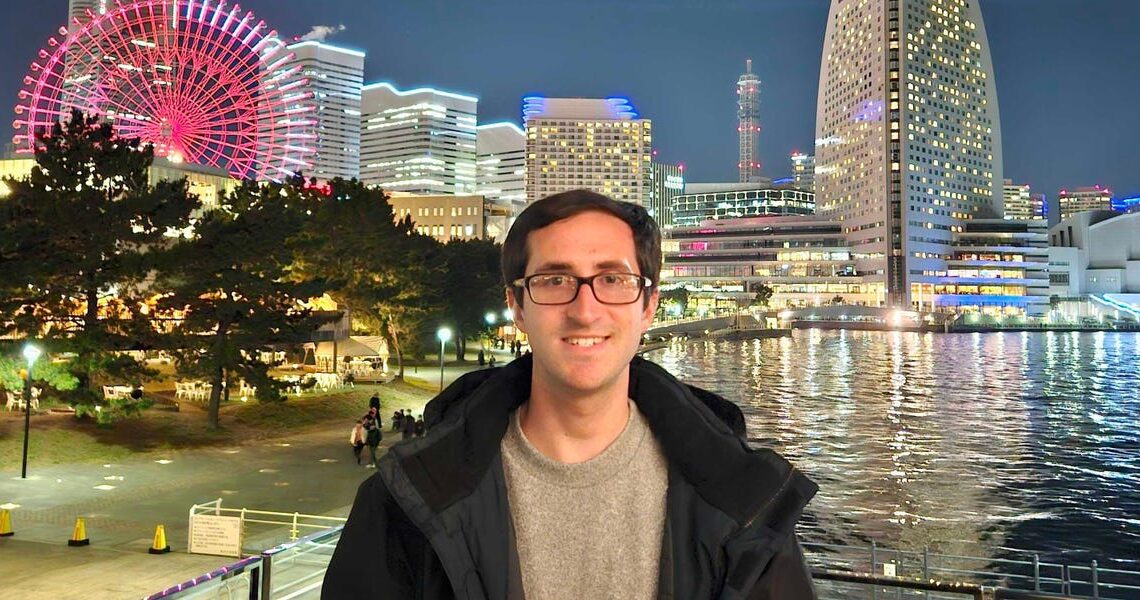
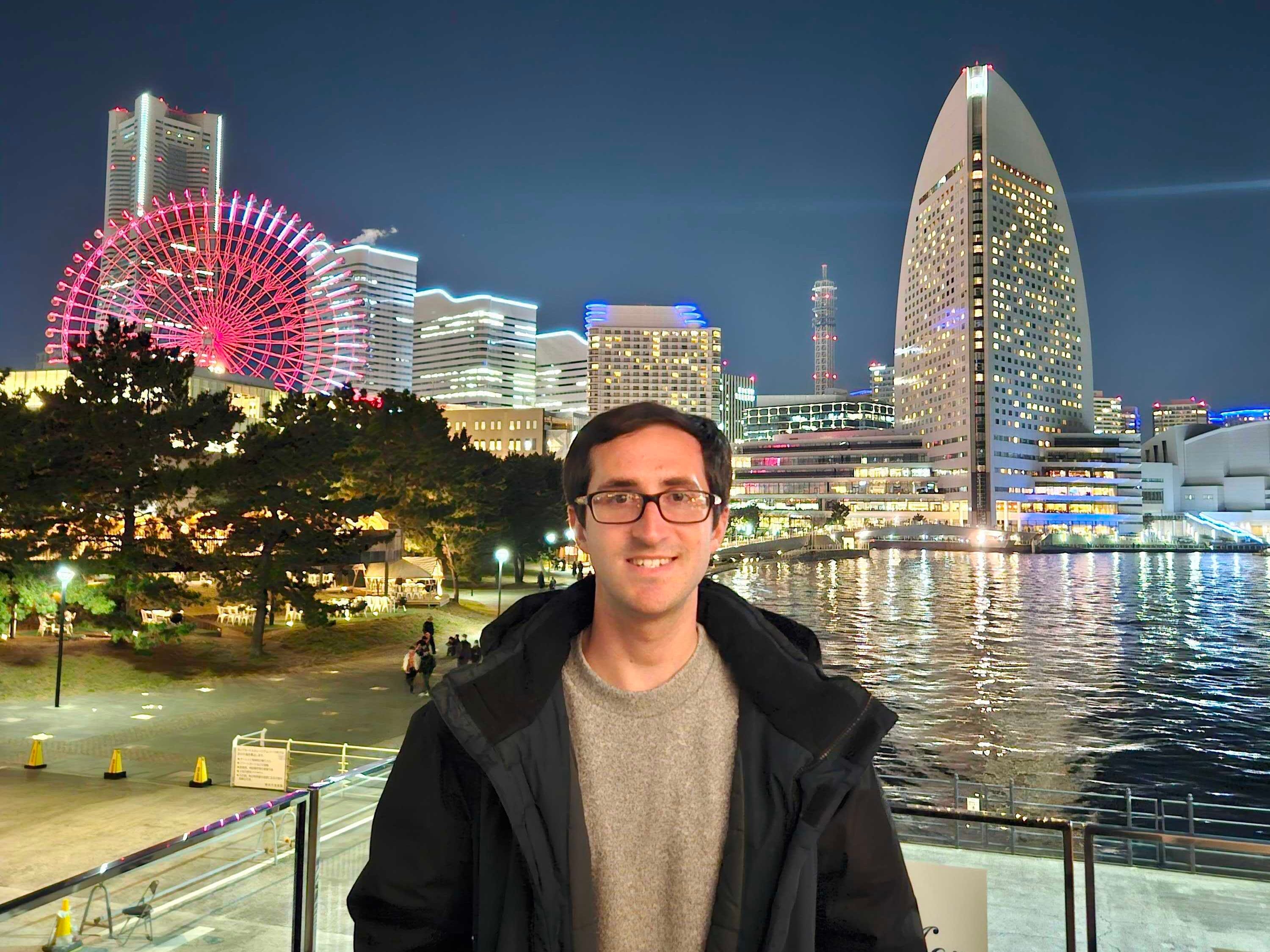
This year, I finally fulfilled my dream of visiting Japan, spending a week in the country with two friends.
About a month before, I purchased a round-trip ticket from New York City to Tokyo for $1,000.
We chose to visit in early December — the month isn’t as popular with tourists, and we hoped to catch the tail end of the area’s peak fall foliage.
I loved my trip, as I got to explore much of the sprawling city, the area around Mount Fuji, and easily accessible cities such as Yokohama and Kamakura.
I was constantly impressed by the architecture, historic and religious sites, transportation, and food — and it was a plus that the exchange rate was heavily in our favor when we traveled.
However, I wish I had done six things differently during my trip — most of which involved money. (Yes, even economy reporters make money mistakes.)
I should’ve gotten cash at the airport.
My friends who had traveled to Japan before had warned me that many businesses in Tokyo only accept cash, so I had planned to visit an ATM at a convenience store after checking into my hotel.
However, I wasn’t expecting to need cash before that.
My trip to the hotel required two transfers. At the airport, I bought a ticket on the Keikyu Airport Line train with my credit card.
However, when I needed to transfer to the line that took me to my hotel, I couldn’t pay with my credit card, nor buy a rechargeable contactless card called a PASMO, because the station only accepted cash.
I also wasn’t able to load a public transportation card on my Android phone, so I had to visit the help desk for assistance with charging a credit card. This worked once, but the next station’s help desk wouldn’t process credit cards.
Instead of taking an easy ride to my hotel, which would have cost about $5, I lugged my suitcase out of the station and went to an ATM.
At this point, though, my friend and I were so tired from the 14-hour flight that we took a $30 Uber to the hotel.
Looking back, I should’ve just converted my dollars to yen at the airport.
By trying to be frugal, I missed out on special local dishes and experiences.
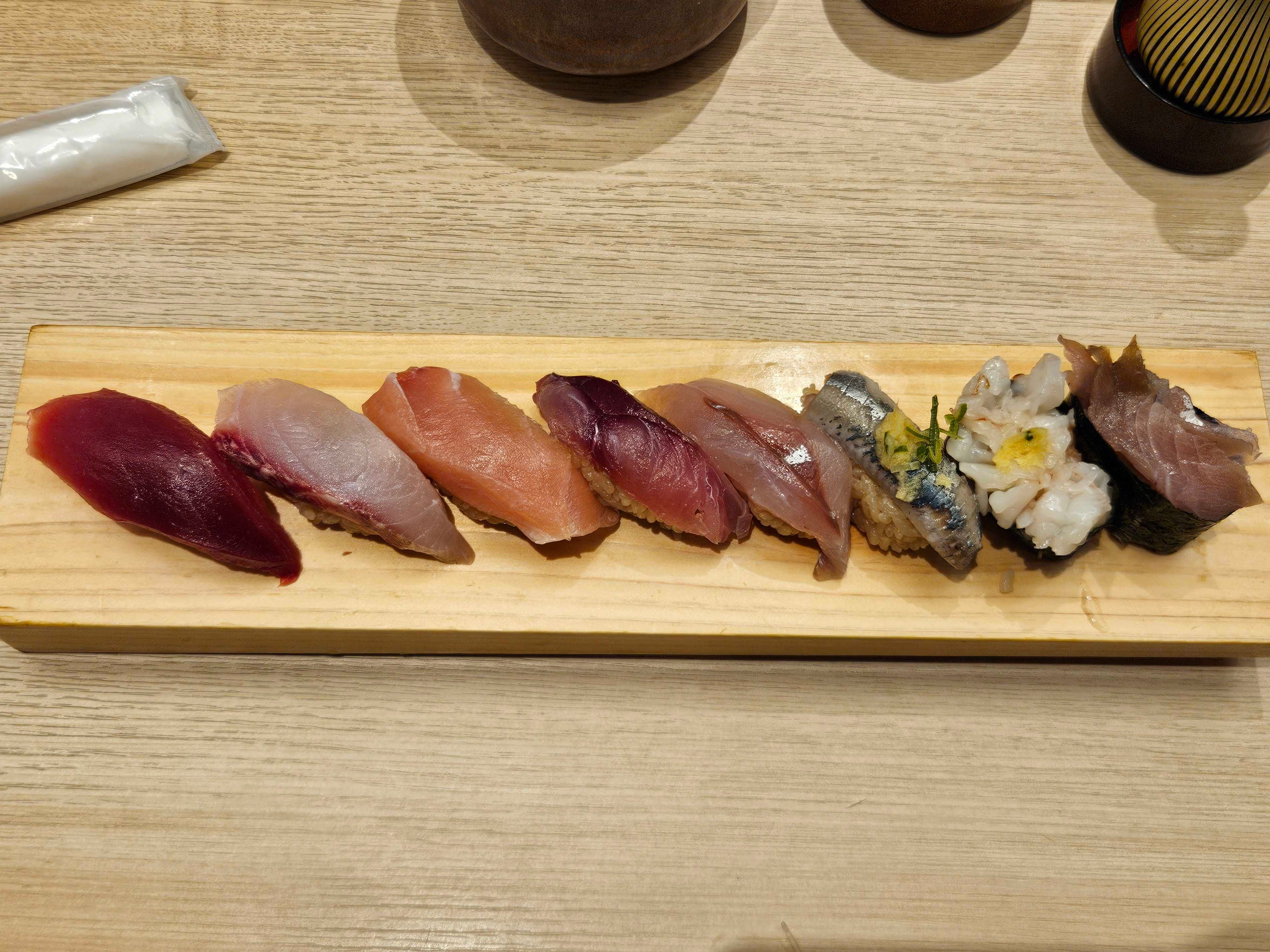
I was pleasantly surprised when I realized that most of the food options near my hotel, located in a quieter neighborhood north of the Imperial Palace, offered many dishes that’d cost me under $10.
After conversions, I paid between $5 and $15 for most of my meals.
However, I became so accustomed to the low prices from the favorable exchange rate that I felt as though anything more expensive was either a scam or not worth it.
At various restaurants, I opted not to try the premium pork katsu, the expensive sushi cuts, or wagyu because I deemed them too expensive — even though they would’ve been the price of an average dinner back home in NYC.
By having a tight wallet, I missed out on tasting fresh local specialties I’d hoped to try for years. This also applied to experiences.
I really wanted to take the scenic, direct train route to the town of Fujikawaguchiko, one of the most popular destinations for viewing Mount Fuji. Instead, I booked a cheaper bus ride that had views of a few small towns.
I also missed out the Ghibli Museum and the Yayoi Kusama Museum. The entrance fees would’ve cost me less than $15, but I opted instead to walk around the city for free.
Though in the end, I felt good about saving the extra few dollars on things I didn’t absolutely need, I felt like I was being overly cautious and, in some ways, blinded by the pursuit of affordability.
That same mindset — and my poor packing skills — also stopped me from buying as much as I wanted.
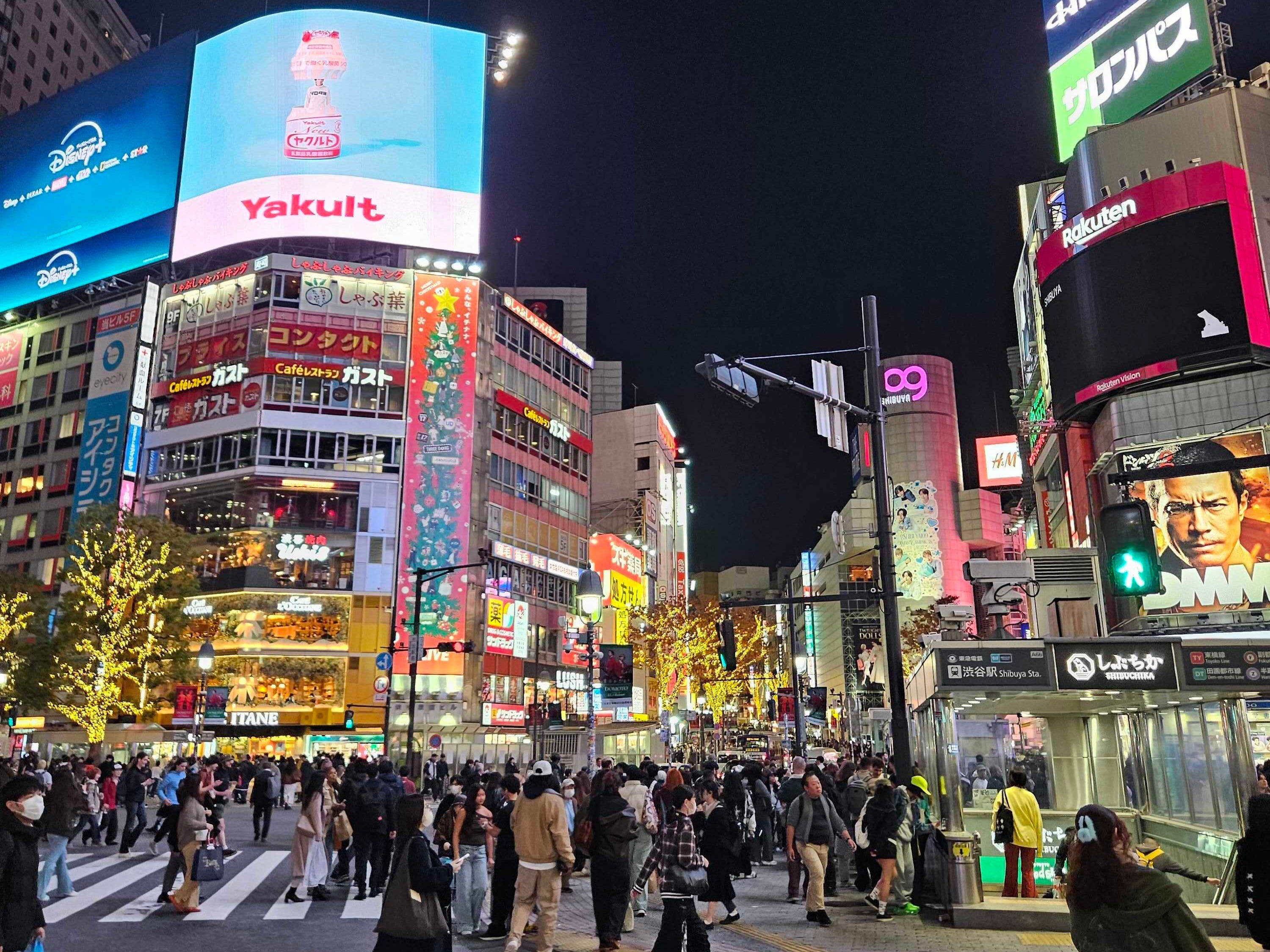
I made the rookie mistake of overpacking and not leaving enough room for clothes or other bigger souvenirs in my suitcase, as I only brought a backpack and a carry-on.
Since I had hardly any extra space, I prioritized purchasing gifts for loved ones and friends, which were mostly limited to postcards or small trinkets.
Though I bought two shirts and a few clothing items for Uniqlo (for much cheaper than what I’d have spent on them in the US), I wish I’d taken more advantage of shopping in Japan.
After all, the exchange rate was favorable, and some stores are tax-free. I’m still annoyed I didn’t buy a special locally made shirt from Mount Fuji, which would’ve only cost $15.
I could barely zip my suitcase on the way home, and I had to rely on my friend to stuff some of my purchases in their bag.
Looking back, I wish I’d just packed half the number of clothes and done a load of laundry mid-trip. I would’ve had way more room in my suitcase for new purchases.
I wish I’d prioritized seeing more of Japan.
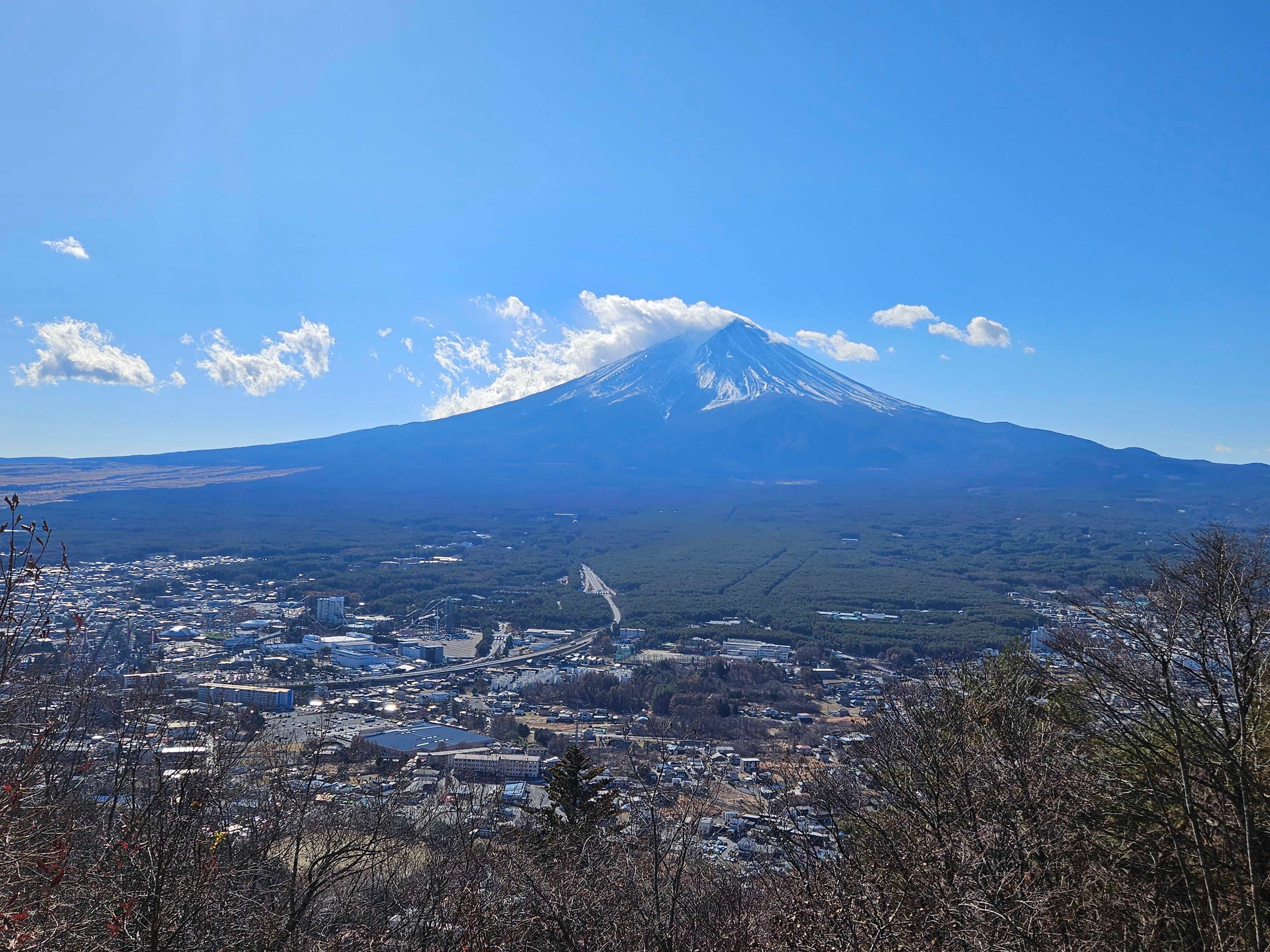
I chose to stay in Tokyo for the duration of the trip, as I felt it would have been overwhelming to spend two or three days in a handful of cities.
It would’ve been great to see Osaka or Kyoto, the two other cities my friends encouraged me to visit. However, I intend to return to Japan in the next few years, so I guess this is more of a note for later.
At the very least, I’m glad I made sure to visit the Tokyo suburbs and Mount Fuji, which satisfied my desire to leave the urban core.
My bigger regret was not diversifying where I stayed within Tokyo.
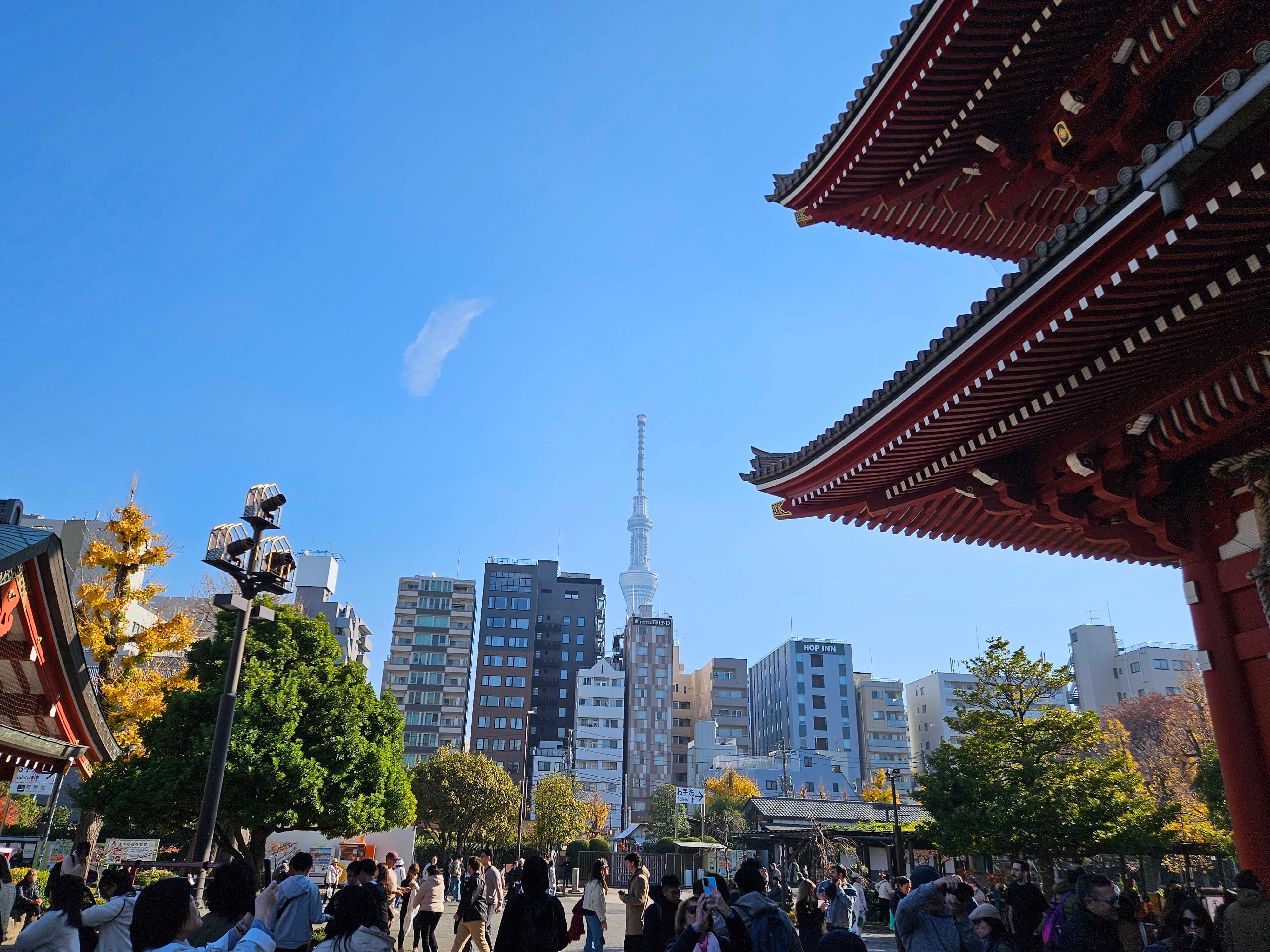
We stayed in a district of Chiyoda called Iidabashi, which is north of the Imperial Palace. We then switched to a hotel in Akasaka, further west.
It was great to get accustomed to one or two areas, but I would’ve loved to feel like a local by staying in a few sections of the city instead of just passing through them.
I knew Tokyo was large, but I wasn’t expecting there to be so much to do in each area. For example, I would have liked to have stayed close to Shinjuku or the eastern side of the city.
I also wish I’d stayed in a wider variety of accommodations.
I spent the first seven nights at an apartment-style hotel, and the last night at a much nicer traditional hotel.
Looking back, it would’ve been nice to splurge on an even nicer hotel with more amenities, like a sauna or gym, or even rent a home outside the city for more diversity.
It also could’ve been a good experience to try a capsule hotel, a popular pod-style accommodation in Japan.
I should’ve prepared more for the cultural shift
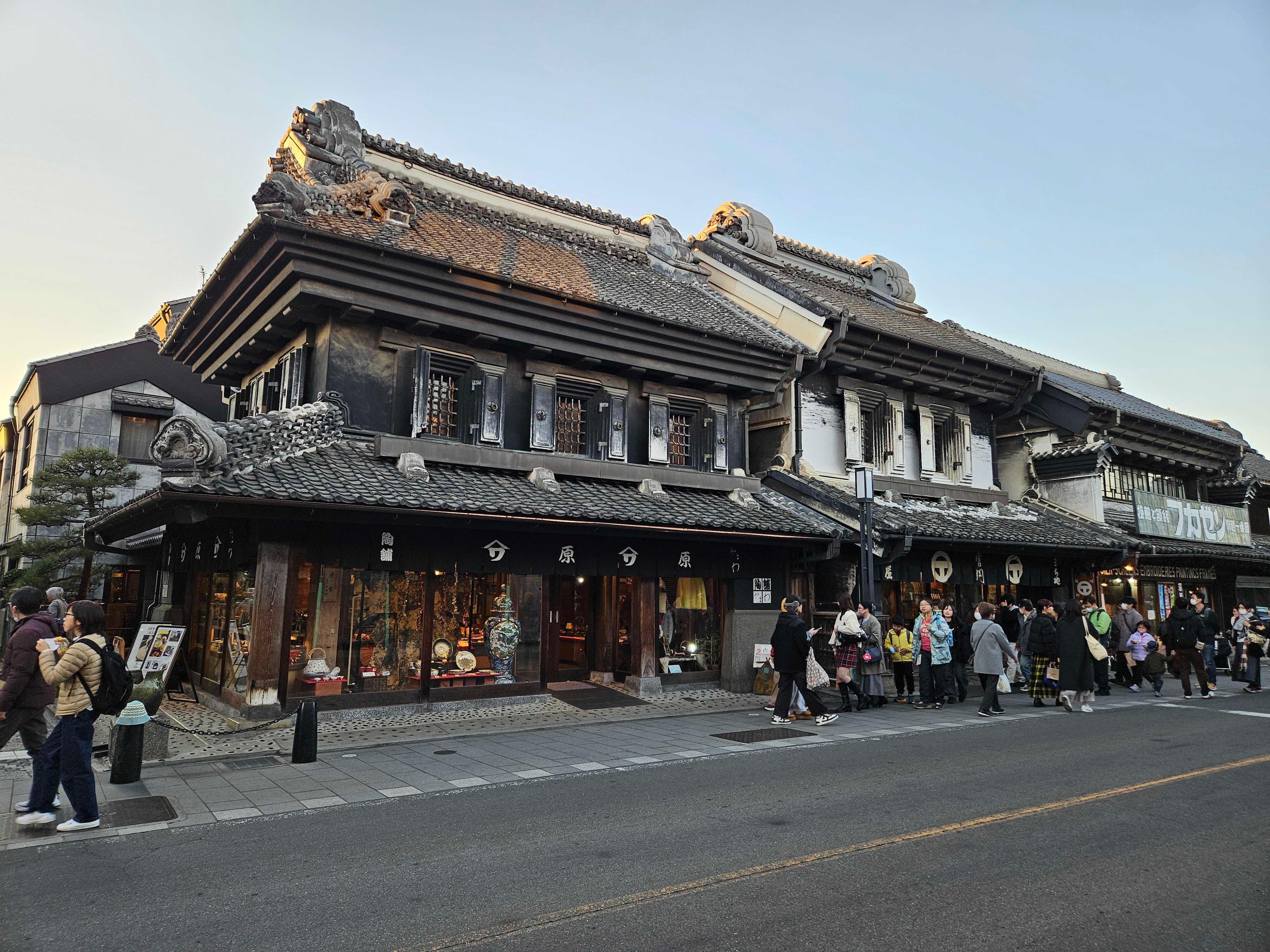
I expected to experience cultural differences in Japan, but a few changes threw me off quite a bit. At times, I definitely failed to follow some politeness standards.
For example, in certain public spaces, such as trains, it’s frowned upon to talk on the phone or to others. Throughout several rides on the trip, I started conversations with friends, then stopped myself.
I also learned the hard way that eating and drinking in public can be viewed as impolite. At one point, I received some hard stares for eating an ice cream on a subway platform.
Though I knew Tokyo’s reputation for being an extremely clean city, I also wasn’t expecting it to be quite so spotless.
I rarely saw trash cans on the streets, which meant I was often carrying wrappers or bottles for over an hour before I could toss them in a convenience store or back at my hotel. Next time, I’d bring a small bag for trash that I can stuff in my backpack.
It also surprised me how many restaurants I visited didn’t have waiter service or even many opportunities for customers and staff to interact.
I often used screens or ticket machines to order food, and the only exchange I had with any worker was to say “thank you” or ask for more of something.
The degree of quiet was, in some ways, deafening. I wish I’d been more prepared for it — in part by knowing more essential Japanese phrases.
Read the original article on Business Insider
The post I visited Japan for a week. From missed experiences to money mistakes, I should’ve done these 6 things differently. appeared first on Business Insider.