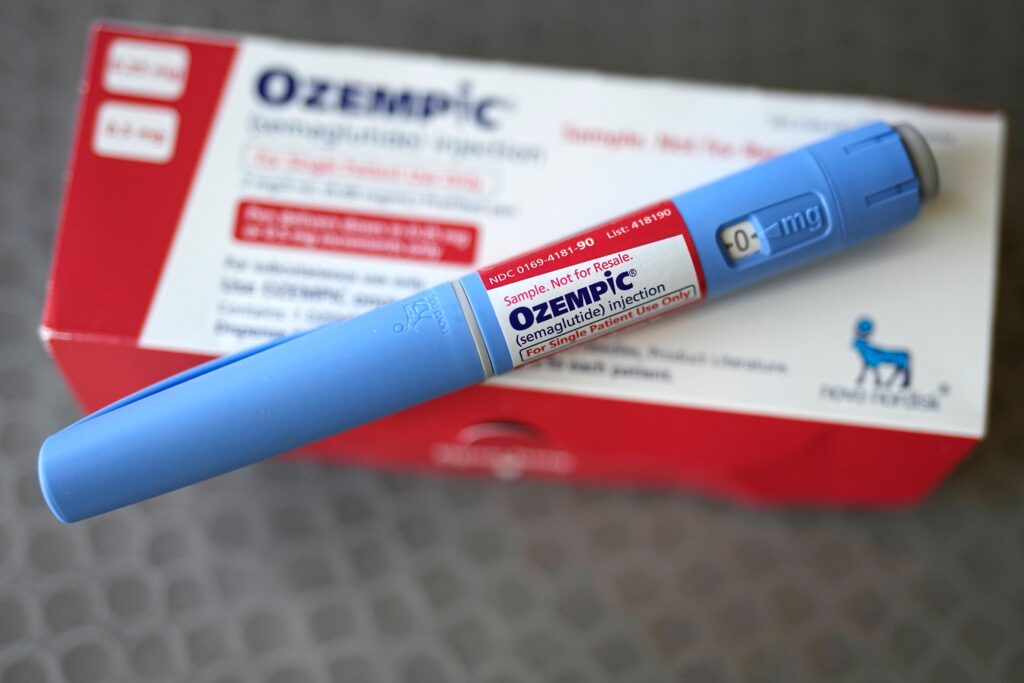
GLP-1 medications have developed a reputation for being able to do just about everything. Initially developed to treat Type 2 diabetes and later found to be highly effective for weight loss, these drugs have been shown to reduce the risk of heart attack and stroke, slow the progression of chronic kidney and liver disease and combat a myriad other chronic conditions, such as sleep apnea.
One of the most closely watched frontiers has been dementia, particularly Alzheimer’s disease, which affects more than 7 million Americans. Early research suggested that GLP-1 medications might slow cognitive decline, fueling optimism that the drugs already transforming metabolic care could extend their reach to brain disorders.
That optimism, however, proved to be premature. Newly released results from a highly anticipated study fell far short of those expectations. They make clear that, despite their many benefits, GLP-1 medications have their limits after all.
There was good reason to believe that this drug class could deliver much-needed hope for neurodegenerative diseases. GLP-1 medications appear to reduce inflammation, which many scientists believe plays a central role in Alzheimer’s disease by triggering immune activity in the brain that increases toxic protein buildup and damages brain cells. Moreover, GLP-1s improve glucose regulation, and poor glucose control has been associated with faster cognitive decline and a higher risk of Alzheimer’s disease.
Indeed, animal research uncovered evidence of GLP-1s reducing neuroinflammation and protecting brain cells. Anecdotal reports abounded of people taking the drugs for diabetes or obesity who swore they felt sharper mentally, and some studies found patients showing delayed cognitive impairment after starting them.
Most notably, a clinical trial published in Nature Medicine reported that patients with Alzheimer’s treated with liraglutide, a first-generation GLP-1 medication, had slower cognitive decline compared to those who received a placebo. But the study was small; it followed just over 200 patients for about a year.
Unfortunately, a pair of larger and more rigorous tests dashed those hopes. The two trials were randomized and placebo-controlled, and included more than 3,800 adults between the ages of 55 and 85 with early symptomatic Alzheimer’s disease. Participants were randomly assigned to receive semaglutide (the drug marketed as Wegovy and Ozempic) or a placebo and were followed for about two years. The trials were designed with an additional one-year extension to further evaluate longer-term effects.
As presented at a conference on Alzheimer’s disease this month, the medication did not meaningfully slow memory loss. Patients receiving the drug experienced cognitive decline at a similar pace as those who did not, and they saw no delay in the decline of their day-to-day functions. Based on these results, the drug’s manufacturer, Novo Nordisk, announced it would not proceed with the planned one-year extension.
This outcome is especially disheartening because treatment options for Alzheimer’s disease remain extremely limited. Only two drugs have been approved to slow progression in early disease, and both offer limited benefit while carrying significant side effects. The GLP-1 trials also mirror the trajectory seen with Parkinson’s disease: Initial studies generated optimism that the GLP-1 drug exenatide was effective against the neurodegenerative condition, but a larger trial published in the Lancet in February concluded otherwise.
None of these findings mean that this line of research should be abandoned. GLP-1 medications might yet prove helpful for particular subgroups of patients or for treating diseases at earlier stages before more irreversible damage has occurred. It’s also possible these drugs could help address symptoms rather than alter disease progression. In fact, they are already being studied to see if they could reduce cognitive fog in long-covid patients. And the new data do not diminish the substantial, well-established benefits of GLP-1 drugs for diabetes, obesity and a growing number of other chronic conditions.
Still, the Alzheimer’s results serve as an important reminder for people to resist the hype cycles that often plague the fields of consumer health and popular science. As research into GLP-1s broadens to include cancer, addiction and migraines, studies showing lack of benefit deserve as much attention as those reporting success. Large-scale, carefully designed studies remain essential, not only to identify what these therapies can do, but also to define their boundaries. Progress depends on what science shows, not what we wish the drugs can do.
The post GLP-1s can’t cure everything after all appeared first on Washington Post.