
The housing market is stuck, and not just because of high mortgage rates and affordability. In many metros, longtime homeowners with large gains are delaying sales to avoid triggering a steep capital gains tax bill, keeping would-be listings off the market.
That dynamic has put capital gains back on the table in Washington, DC, where lawmakers are weighing reforms to the federal exclusion on primary-home sales.
It is currently $250,000 for single filers and $500,000 for married couples filing jointly—a threshold that hasn’t changed since 1997 even as home values have climbed more than 260%.
The result is a growing pool of homeowners who can’t sell without taking a tax hit. Nearly 29 million households (about 34% of US homeowners) may already exceed the single-filer exclusion limit, exposing them to a hidden home equity tax if they move.

By 2030, that share is projected to reach 56%, turning what used to be a niche tax issue into a widespread drag on housing mobility, and, by extension, supply.
The National Association of Realtors® argues the effect is already showing up in the resale market.
“Based on our best information and insight, there would be a significant increase in the number of homes that would be put up for sale [if the capital gains tax was reformed], but it would vary quite a bit between local markets,” says Evan Liddiard, NAR’s director of federal taxation, citing studies the group commissioned.
And the sellers most likely to respond may not look like “luxury” on paper. In many high-appreciation markets, a $1 million home is no longer a mansion but a starter benchmark.
That’s created a rising class of “accidental luxury” owners: People who bought ordinary homes decades ago and now sit on windfall equity they never expected, and a tax bill they had no idea they’d be on the hook for.
The open question is whether a policy that unlocks listings can also cool prices. Research suggests it can reduce the lock-in effect and increase turnover. Whether that’s enough to shift prices—or ease the broader affordability crisis—is a tougher question.
What’s being proposed
There are two proposals driving the capital gains debate in Washington right now.
The first is a bill from Rep. Marjorie Taylor Greene (R-Georgia) that would eliminate capital gains taxes entirely on primary-residence sales.
“I just think this is a great gift for the American people, and it’s very core to what we were founded on,” Greene told Realtor.com® in an exclusive interview in July.
While President Donald Trump voiced his support for the measure, the proposal’s future has become unclear after the congresswoman announced that she’ll be departing Congress at the end of the year.
That has put the more targeted More Homes on the Market Act, from Rep. Jimmy Panetta (D-California) back at center stage.

Panetta’s bill would raise the federal capital gains exclusion on primary-home sales and then index it to inflation, so the threshold moves with the housing market instead of staying frozen for decades.
It’s an elegant solution for a threshold that has been frozen in place since 1997, when the median home price was $145,000, and Netscape was America’s preferred web browser.
While Greene’s approach is more blunt, Panetta’s would still have a significant effect, roughly doubling the current exemption to $500,000 for individuals and $1 million for couples, restoring the law’s original intent to protect everyday homeowners, not penalize them.
The rise of ‘accidental luxury’ homeowners
To understand how changing the capital gains exclusion could impact housing prices, it’s worth considering a growing class: accidental luxury homeowners.
These are everyday people who bought what was, at the time, an ordinary home. But because of market dynamics outside of their control, they are now sitting on windfall gains.
“When enacted in 1997, the exclusion largely captured true windfall gains on unusually high-performing properties,” explains Anthony Smith, senior economist at Realtor.com®.
“Today, many homes that are ‘normal’ for their market, especially long-tenured primary residences, are exceeding the exclusion simply because of price appreciation, not speculative upside.”
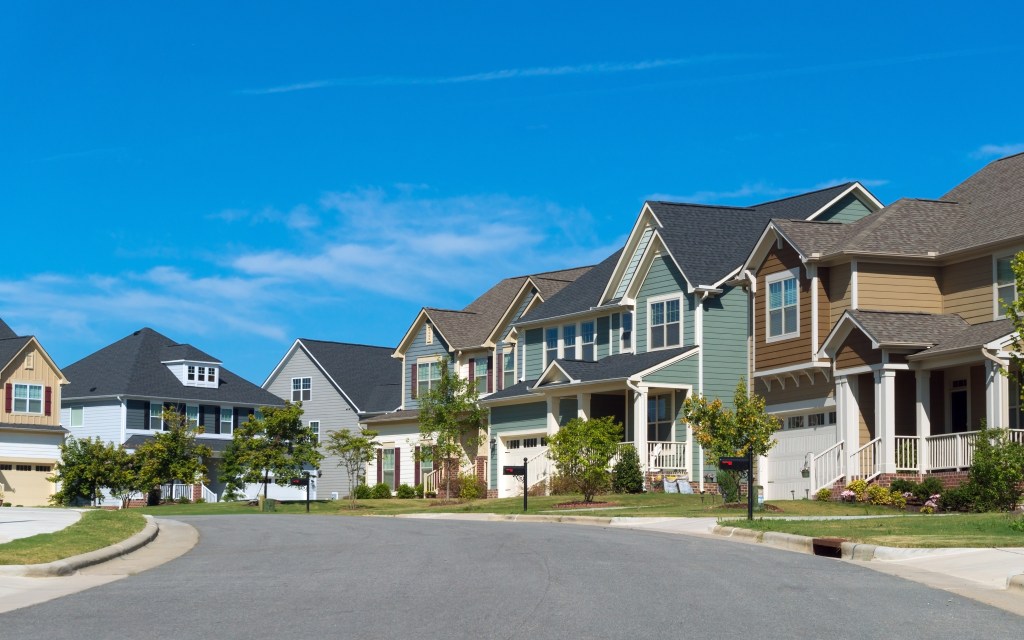
That dynamic is especially visible in “staple luxury” metros where seven figures have become a baseline instead an outlier.
That includes coastal California, along with Sun Belt boom markets like Austin, TX; Nashville, TN; Phoenix; and parts of Florida.
In the Seattle-Tacoma metro, for example, 596 homes currently listed for sale were purchased before 2010 for less than $1 million and are now listed at $1 million or more, says Smith, “illustrating how long-term appreciation has pushed many longtime homeowners into a million-dollar home.”
It’s a perfect illustration of the policy bottleneck: As more “normal” homes breach the cap, more owners have a reason to sit tight, shrinking the resale supply that would otherwise help cool prices.
Why home equity taxes create a ‘lock-in’ effect
Just consider my parents. They bought their home in Phoenix in 1989 for just under $64,000, long before the metro’s growth and demand surge.
Over the decades, their income has generally tracked in the lower end of the middle-income range as defined by Pew Research—not the profile most people associate with a large capital gains tax bill.
But if they had sold near the top of the recent market, when their modest two-bedroom ranch-style home was valued at more than $700,000, a sizable share of that appreciation would have become taxable.
Even after factoring in the federal exclusion for married couples and the capital improvements they’ve made, they would have been looking at tax liability on roughly $200,000 of hard-earned equity.
For long-tenure owners like them trying to move, that tax math can become a reason to opt out, and that friction is already showing up in the data.
Older households have become far less likely to move than in previous decades, with mobility among people 65 and older falling from 10% in the 1970s to around 3% in 2023, according to research from the Federal Reserve Bank of Richmond.
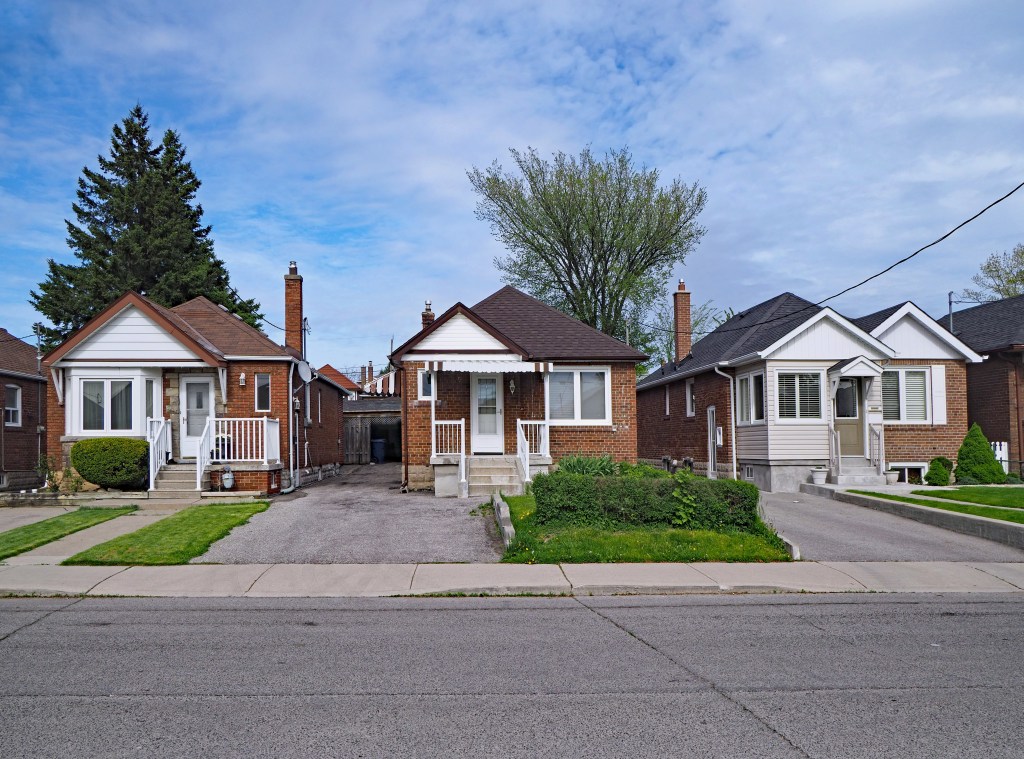
It’s a precipitous drop-off that points to just how many seniors alone may be locked in place.
What the 1997 Taxpayer Relief Act teaches us about seller behavior
For those skeptical that a simple tax reform could lead to more homes on the market and lower home prices, it helps to look at the last time the capital gains tax was reformed.
The 1997 Taxpayer Relief Act replaced a one-time capital gains exclusion for homeowners over age 55 with the current thresholds.
The shift wasn’t radical, but it did yield results: Researchers found that lowering the tax friction encouraged more people to sell, especially those near the new exemption threshold.
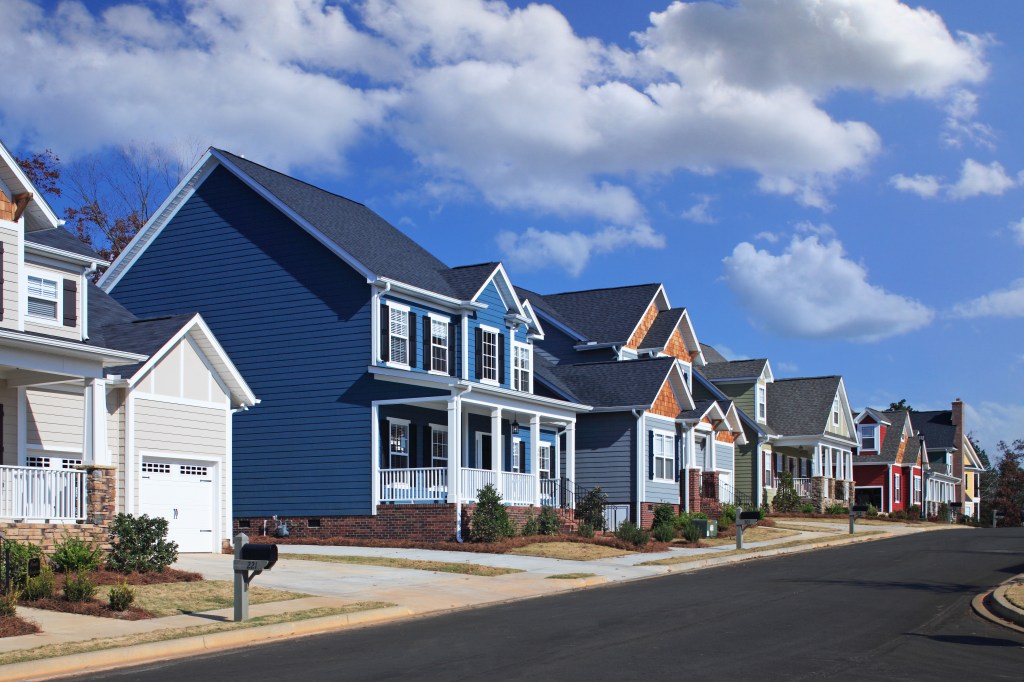
Around the same time, the repeal of the age-based exclusion also spurred mobility. Households in their early 50s, many of them empty nesters or downsizing after a divorce, became significantly more likely to move, according to another analysis. In targeted groups, mobility rose between 22% and 31%.
The people who moved weren’t random, either. They were often in high-appreciation markets, facing a higher expected tax bill if they stayed put, and primed to trade down.
In other words, they looked a lot like today’s long-tenured owners in overheated metros, people sitting on large gains and grappling with whether now is the right time to sell.
So, would this actually lower home prices?
Even a modest shift in supply can change pricing behavior fast. Better yet, the price impact likely wouldn’t look like a dramatic national collapse.
Instead, it would show up in what buyers actually feel: more negotiating power, fewer bidding wars, and more listings sitting long enough to invite price cuts.
In that way, reforming the capital gains tax could be the key to lowering home prices for buyers.
“The nation as a whole has a significant and growing problem with inventory being held back by older and long-tenured homeowners, who are not selling at the historic rates, due to the fact that they would owe significant capital gains tax on the profit from the sale of their home,” says Liddiard.

He points to a breakdown in the typical housing cycle, where many empty nesters or owners who are approaching or reaching retirement are downsizing at unusually low rates.
“Many older homeowners know that if they hold on to their property until death, they can pass it on to their heirs without a tax, so this leads many to not want to sell,” he says.
“Others are unhappy with the prospect of handing over their long- and hard-earned equity to Uncle Sam when they need it to pay for their next home.”
If you remove that friction, the market starts to clear. Buyers stop having to bid like it’s an auction, sellers lose leverage, days on market rise, and price reductions become more common.
That’s how you get downward pressure on prices—not through a single shock, but through a shift in bargaining dynamics as choice returns.
None of this means capital gains reform would fix the housing market on its own. But it could offer a direct mechanism for relief.
The post Could capital gains tax cuts reduce high home costs? appeared first on New York Post.