AI cloud computing company CoreWave exploded onto the scene in March with the biggest tech IPO since 2021.
The company’s stock soared by more than 40 percent in the following days, riding on the coattails of immense hype surrounding generative AI. The hype was driven by insatiable AI companies like Microsoft, OpenAI, and Meta leasing hundreds of megawatts of compute as outfits like CoreWeave construct enormous data centers.
If AI chipmaker Nvidia is the one selling shovels during the ongoing AI gold rush, in other words, CoreWeave is the one buying those shovels in bulk and leasing access to the digging sites.
But persistent fears of an AI bubble have put a massive damper on investor enthusiasm, leaving many to wonder whether CoreWeave could be the canary in the coalmine — and even drawing comparisons to Enron, a company with an extremely speculative valuation that imploded following a major accounting scandal in 2001.
As the Wall Street Journal reports, CoreWeave’s share price has plunged 46 percent in just six weeks, with $33 billion of value going up in smoke. At press time, shares are hovering at just under $70, meaning the company has lost a staggering 56 percent of its stock value in just six months.
It may well be a sign that investors are jittery that the enormous spending by the likes of CoreWeave may not be justified in the long run. Even AI leaders have warned that a return may still be many years out, with OpenAI admitting last month that it won’t make any money until at least 2030.
It doesn’t take much reading between the lines to understand why they’re nervous. Taking on an enormous amount of high-interest debt to construct and lease AI data centers leaves the firm with a considerable degree of risk, potentially putting it first on the chopping block in case the AI bubble were to implode.
Its operations are also meeting some major headwinds, both literally and figuratively. Rainstorms in Texas forced the company to delay the pouring of a foundation for an AI data center complex, pushing back the completion date by months, the WSJ reports.
Investors have also balked at circular financing arrangements in the sector. For instance, Nvidia owns six percent of the company’s shares, while CoreWeave has signed an exclusivity contract with the AI chipmaker to only use its GPUs. Microsoft represented 62 percent of CoreWeave’s 2024 revenue, as the Wall Street Journal pointed out last month, and is also a major shareholder of CoreWeave’s top customer, OpenAI.
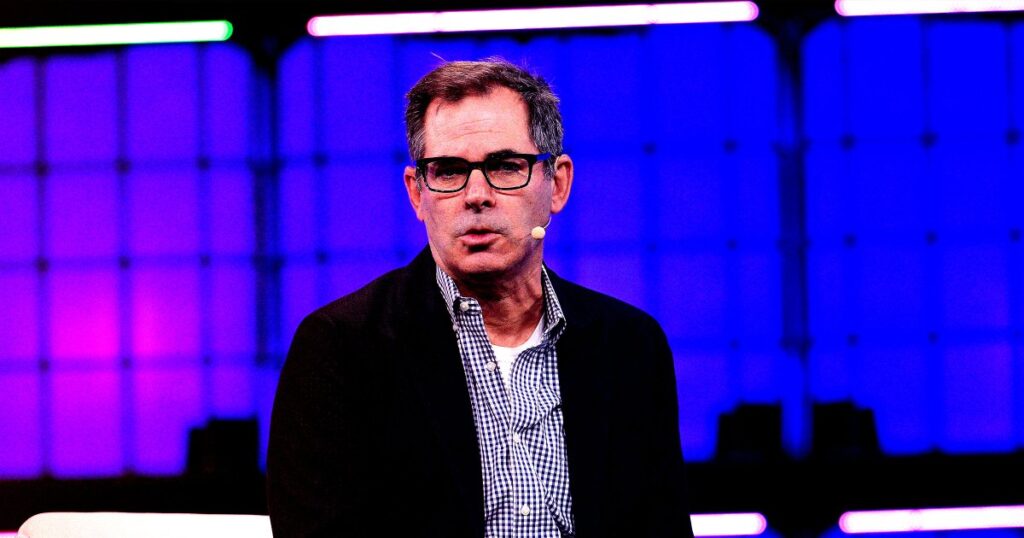
Then there’s CoreWeave CEO Michael Intrator, who downplayed those fears last month.
“If you’re building something that accelerates the economy and has fundamental value to the world, the world will find ways to finance an enormous amount of business,” he said at a Wall Street Journal event in early November.
Days after downplaying concerns over an AI bubble, Intrator was probed by investors during a quarterly earnings call about the delays at the Texas data center construction site.
He argued that “there are 32 data centers in our portfolio,” and that “this one data center will catch up, and then we will move forward from there.”
As per the WSJ, the company’s CFO, Nitin Agrawal, was forced to intervene and clarify that there were delays plaguing several data centers for a single “data center provider.”
Investors are also concerned that the enormous amount of debt being taken on could compound significantly due to supply chain bottlenecks. Delays may not sound like a big deal in the grand scheme of things, but considering how much money and interest are on the line, an enormous amount of pressure is on CoreWeave to deliver some good news.
“The bull case is that they’ll scale into it, and that a lot of companies have low margins to start, but this is a company at scale,” DA Davidson analyst Gil Luria told the WSJ. “There is no scaling going on here.”
More on the AI bubble: AI Investors Furious at Suggestion That There’s an AI Bubble
The post CoreWeave Has Lost a Staggering Amount of Stock Value Over the Past Six Months appeared first on Futurism.