Regarding Marc Lamber’s Dec. 11 op-ed, “The single most important test to judge robotaxis by”:
For most people in D.C., hailing a ride is a mundane act. You tap a few buttons, wait a few minutes, get in and go. It is an extremely convenient way to get door to door when other options aren’t the right fit. For those of us who are blind or have low vision, that same routine is a source of profound anxiety because of uncertainty that I will be accepted by the driver.
This is the reality of traveling with a guide dog. Despite federal laws prohibiting discrimination, rideshare denials are a weekly, if not daily, indignity. Blind Washingtonians are frequently left curbside because drivers refuse to transport a service animal.
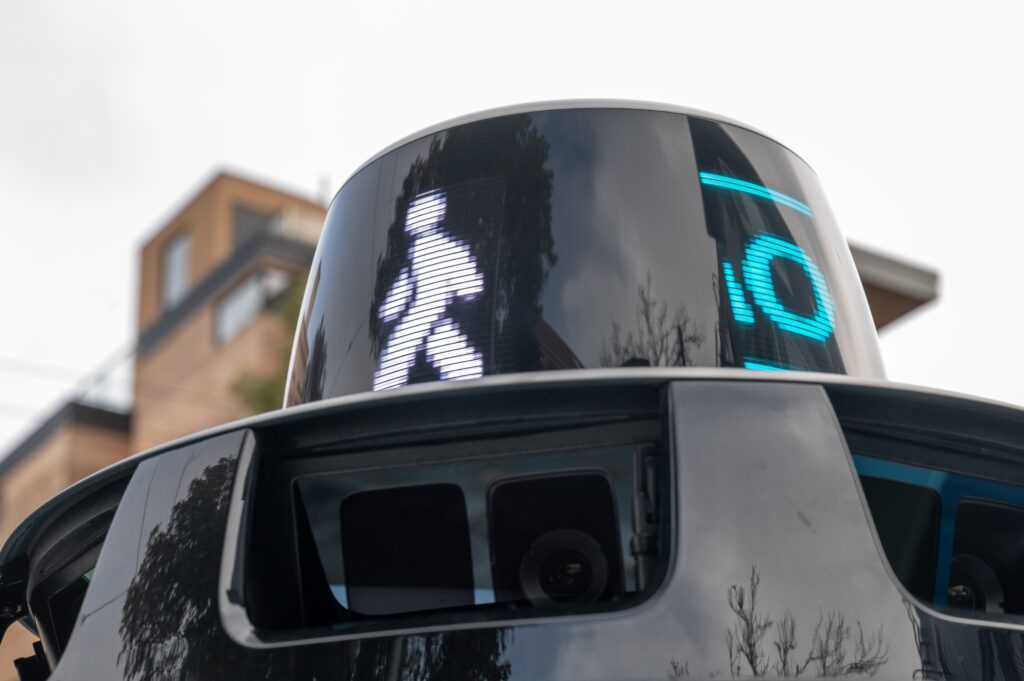
Recently, I experienced a glimpse of a future where that anxiety does not exist: I traveled to the West Coast on a business trip and hailed a Waymo. These vehicles use advanced technology to navigate complex city streets entirely on their own. It’s a dream for someone like me.
For the first time in a long time, I did not feel like a passenger with a “special request.” I was just a passenger. The sensors on the car did not care that I was blind. They were focused on getting me safely to my destination.
This renewed sense of independence is why many blind and low-vision Washingtonians are excited about Waymo’s arrival in D.C. District officials need to provide a legal path for Waymo to remove the human from the vehicle and accept all riders.
We support this technology because it breaks down the isolation so many of us face, and promises a driver that doesn’t discriminate, and is never distracted or impaired, yielding safety benefits for everyone.
Claire Stanley, Rockville
The writer is director of advocacy and governmental affairs at the American Council of the Blind.
Wishlist woes
Regarding Michelle Singletary’s Dec. 6 online column, “Gift wish lists are fine for kids. For adults, they can be money grabs.”:
Though receiving a strict wish list may be frustrating, railing against your loved ones’ holiday wishes doesn’t exactly embody the spirit of the season of giving. Instead of directing holiday stress at your friends and family, consider why they’re making detailed requests in the first place.
Wish lists can be an invitation rather than a mandate. They communicate the kinds of gifts you value, what is missing in your life, and opportunities for loved ones to support and contribute. That’s why baby shower registries can be so helpful for new parents. If your loved ones’ wish lists are filled with expensive luxury items, direct your frustration at the corporations that have commercialized our holidays.
Concerns about returned gifts can’t be waved away. The National Retail Federation estimates that 15.8 percent of holiday gifts will be returned, and about a quarter of returns end up in landfills. Returned inventory generates more than 5 billion pounds of waste each year. This is an enormous environmental and health cost for both wildlife and humans.
If you don’t want to give people what they say they want, skip the wasteful novelty gifts and give them an experience like sports tickets, a massage or a trip to an art museum. Or get creative with fulfilling wish lists at your local thrift shop or other avenues of secondhand gift-giving.
What makes gift-giving special isn’t always the surprise. Sometimes it’s communicating what you need and having the people in your life show up to provide it.
Malia Becker, Minneapolis
The writer coordinates the Center for Biological Diversity’s Simplify the Holidays program and runs its wish list website SoKind.
Northwestern trades away the rights of its students
Regarding the Nov. 30 news article “Northwestern will pay U.S. $75 million in deal to restore federal funds”:
Northwestern University’s capitulation to President Donald Trump’s demands is inexcusable. Forcing universities to adhere to an ideological agenda in exchange for federal funding is a violation of academic freedom. It threatens to dismantle the principles of higher education: freedom of thought, expression and discourse.
Northwestern has handed the Trump administration control of its university life, leaving its students as collateral damage. It is especially disheartening that the university abandoned its negotiated commitment to students protesting the conflict in Gaza, as spelled out in the 2024 “Deering Meadow Agreement.” Students have the rights to free expression, association and peaceful assembly on campus. These rights are integral to the social fabric of university life and must be preserved. In withdrawing from the Deering Meadow Agreement, Northwestern traded the rights and demands of its students for political approval and financial gain. Consequently, Northwestern students are left to wonder whether their university represents them or the Trump administration.
As Trump continues his relentless assault on higher education, Amnesty International USA urges other universities to act differently. Universities must defend their students’ rights to an education free of censorship and discrimination. They must resoundingly reject political coercion in higher education.
Justin Mazzola, New York
The writer is deputy director of research at Amnesty International USA.
The post I am blind. Self-driving cars like Waymo give people like me independence. appeared first on Washington Post.