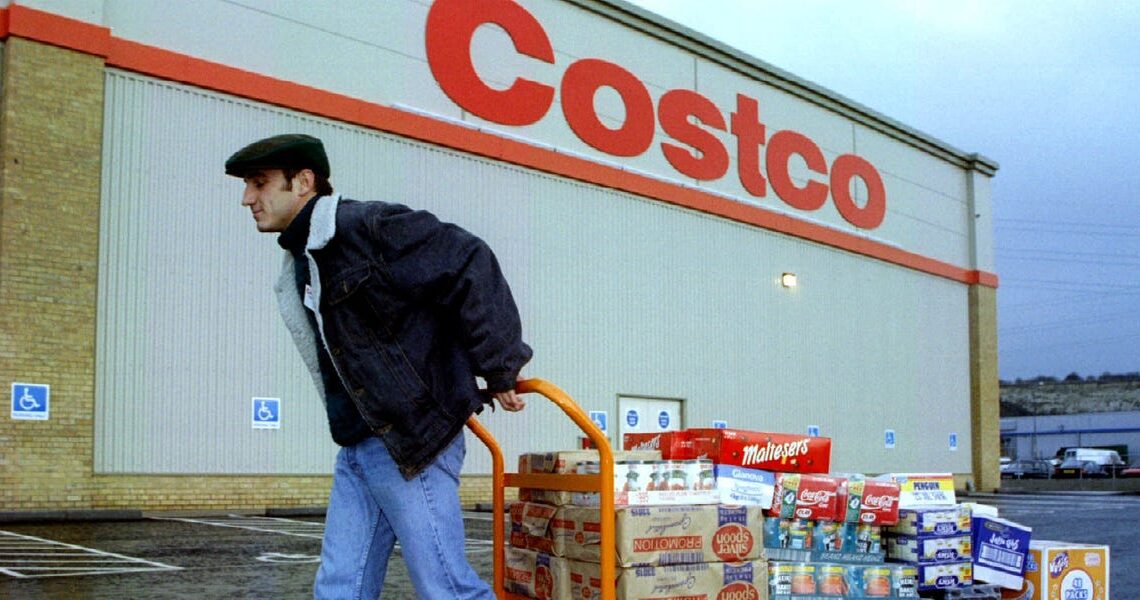
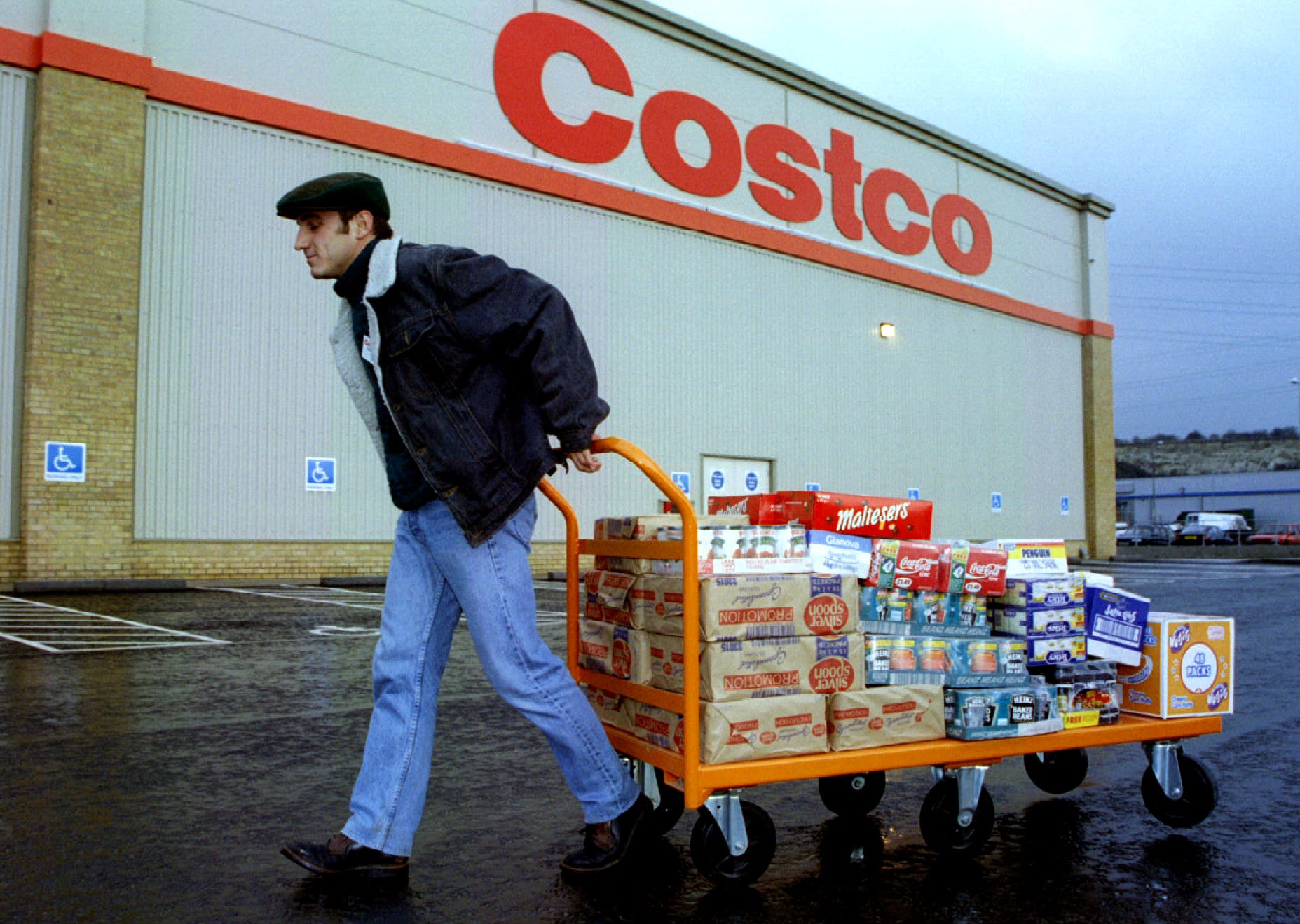
Costco is a members-only wholesale club that offers a variety of products and services at extremely competitive prices.
The company was founded in 1983 by Jim Sinegal and Jeff Brotman, who opened the first Costco warehouse in Seattle, Washington.
Now, more than 40 years later, Costco is the third-largest retailer in the world, with over 920 locations, more than 145 million cardholders, and annual revenue exceeding $269.9 billion.
Here’s how the wholesale club redefined retail.
Costco’s story begins decades before its first location launched in 1983, tracing its roots to FedMart, a discount department store for government employees.
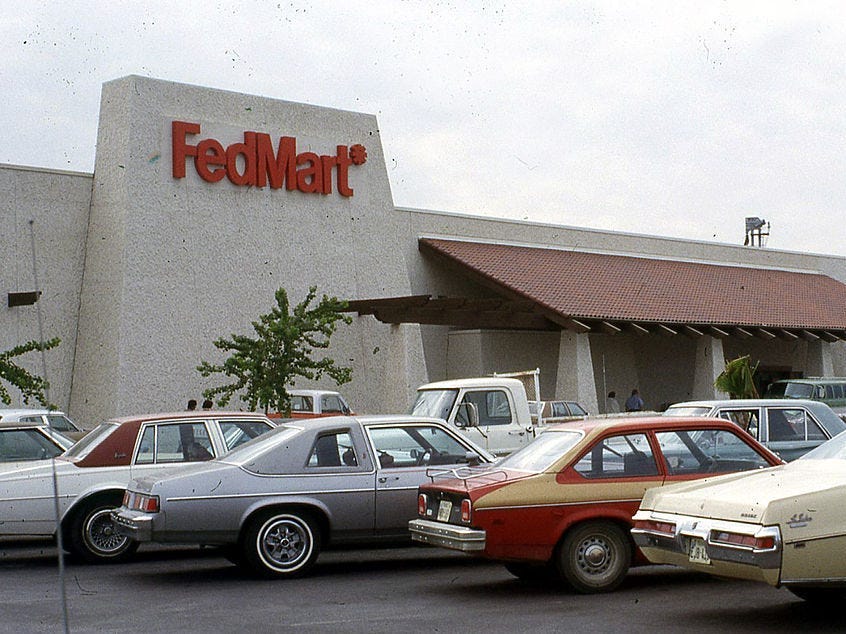
FedMart was founded by entrepreneur Sol Price. Jim Sinegal started his career at FedMart and thought of Price as a mentor.
The pair developed and refined the wholesale club strategy together at FedMart, which was one of the first general merchandise retailers to expand into other categories like groceries, gasoline, and prescription drugs.
Sam Walton liked what Price and Sinegal were doing with FedMart in California so much that he opened the first Walmart in Arkansas 1962.
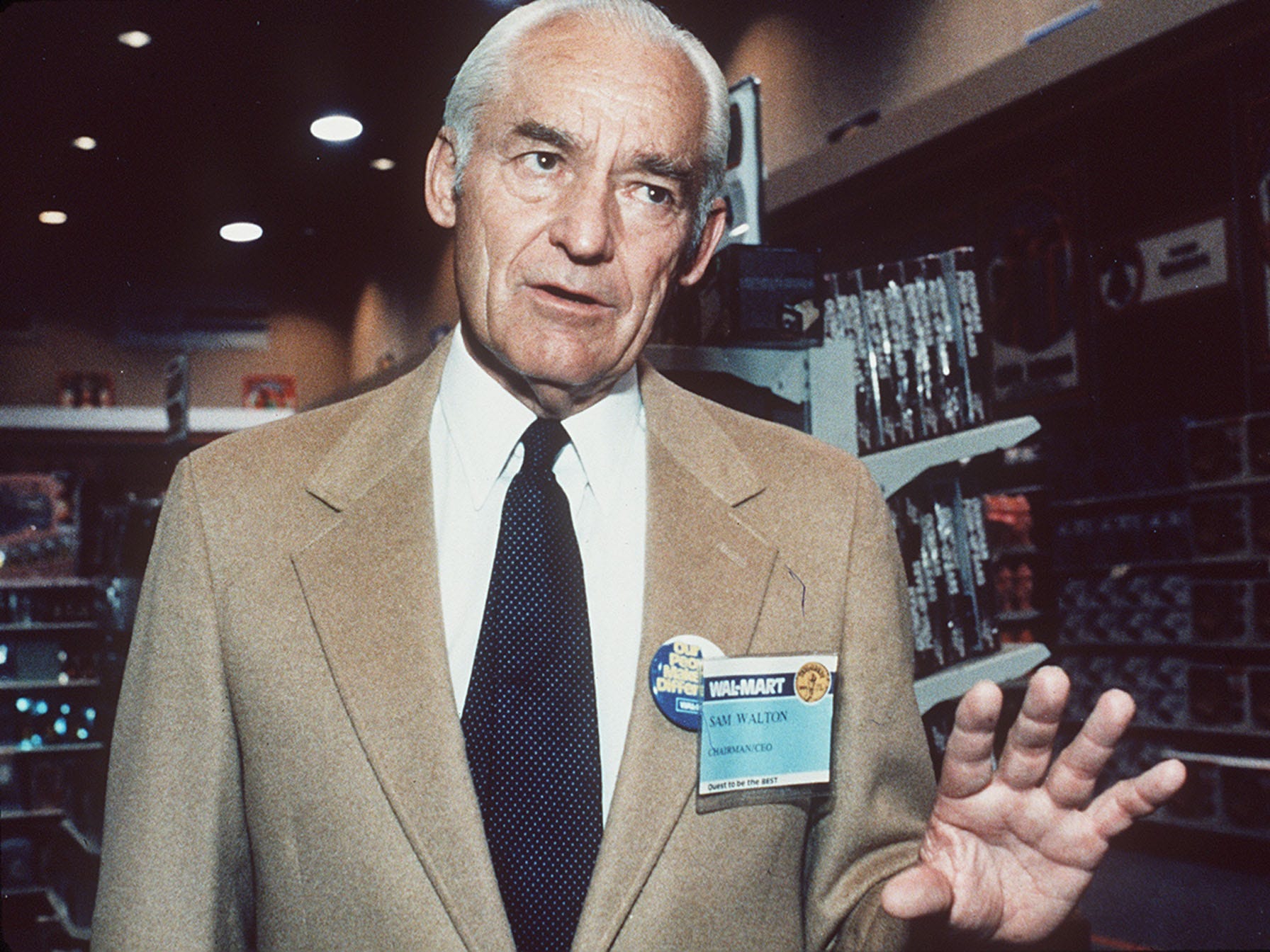
“I guess I’ve stolen – I actually prefer the word ‘borrowed’ – as many ideas from Sol Price as from anybody else in the business,” Walton later said.
After an investor forced Price out of FedMart, he leaned more heavily into the membership club model in 1976 with Price Club.

Price wanted his store to be a wholesale supplier for small businesses, and he opened his first location in an old aircraft hangar that was once used by aviator Howard Hughes.
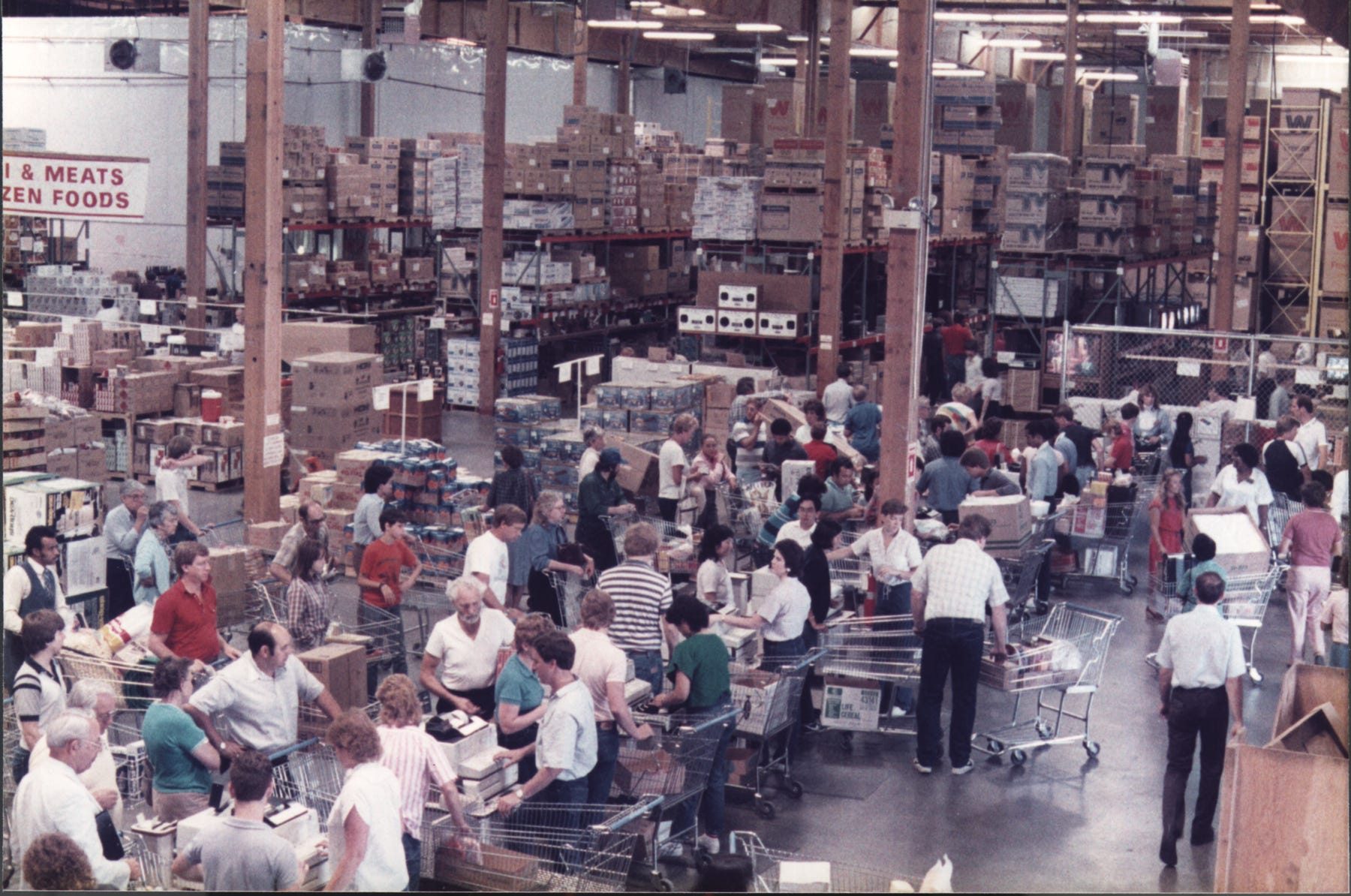
In 1983, Sinegal and Walton each launched members-only warehouse clubs — Costco and Sam’s Club — that bore a striking resemblance to Price Club.
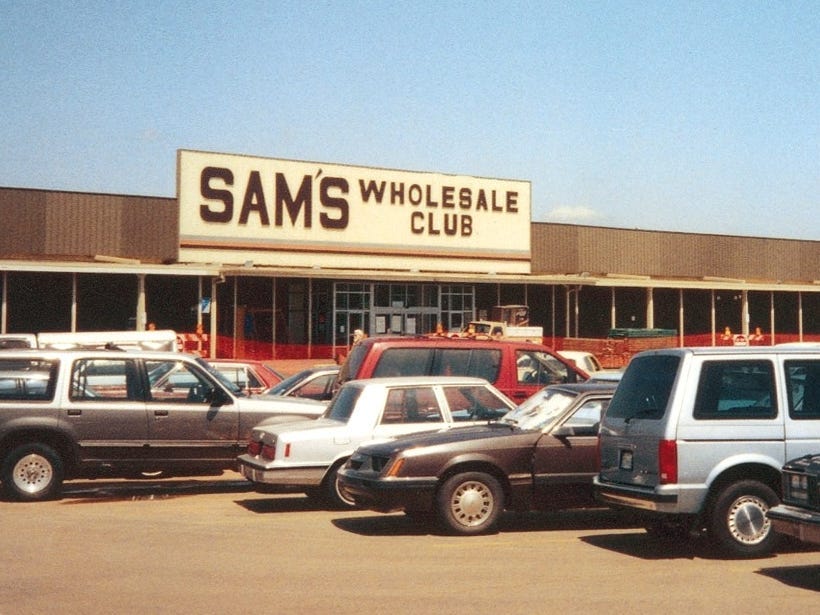
The basic concept across each company was the same: shoppers pay a fee to gain access to bargain pricing. In each case, the business relies on membership fees more than product markups to earn a profit.
Company sales in that first year reached $101 million, plus $1.3 million in membership fees.
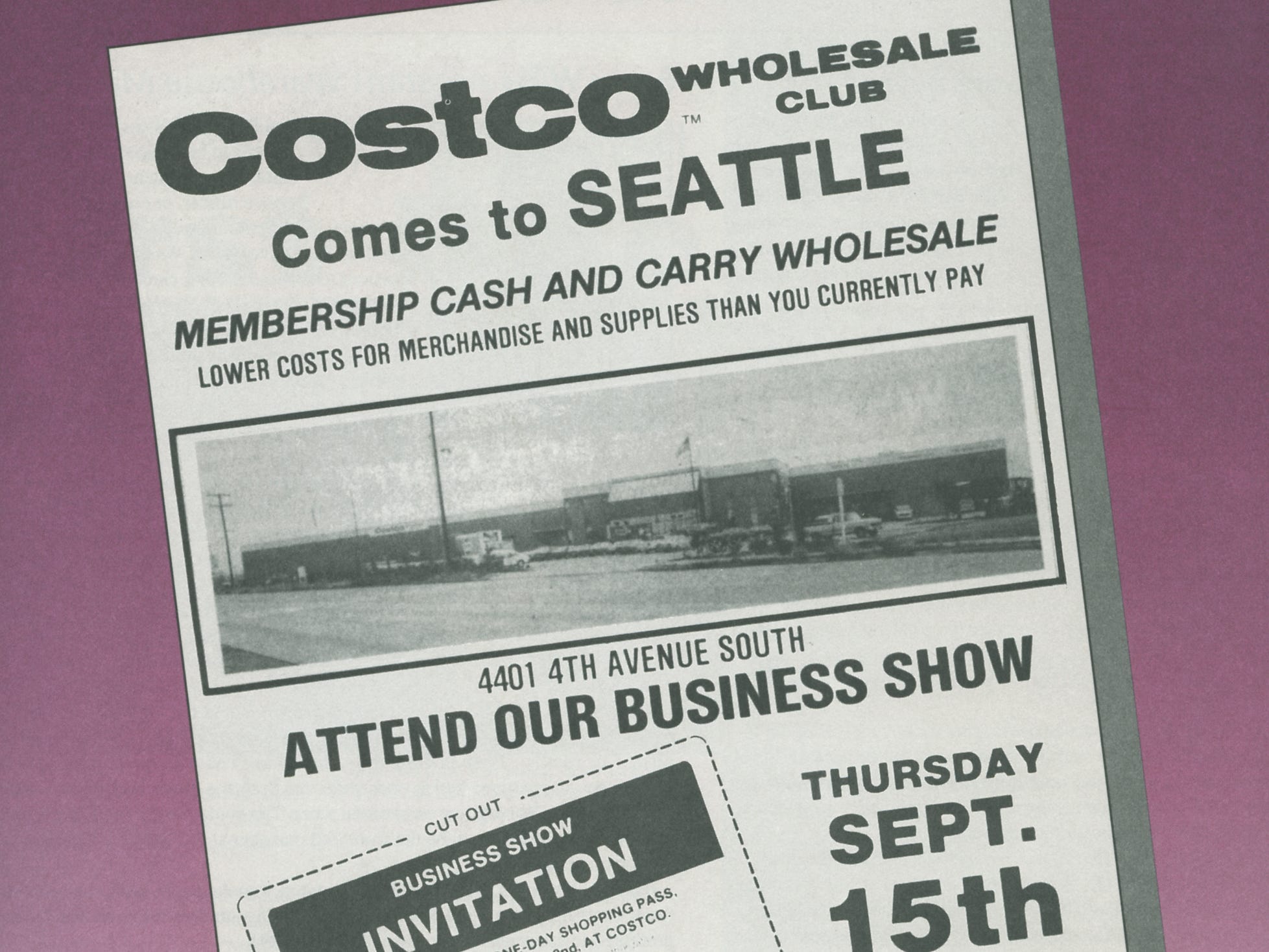
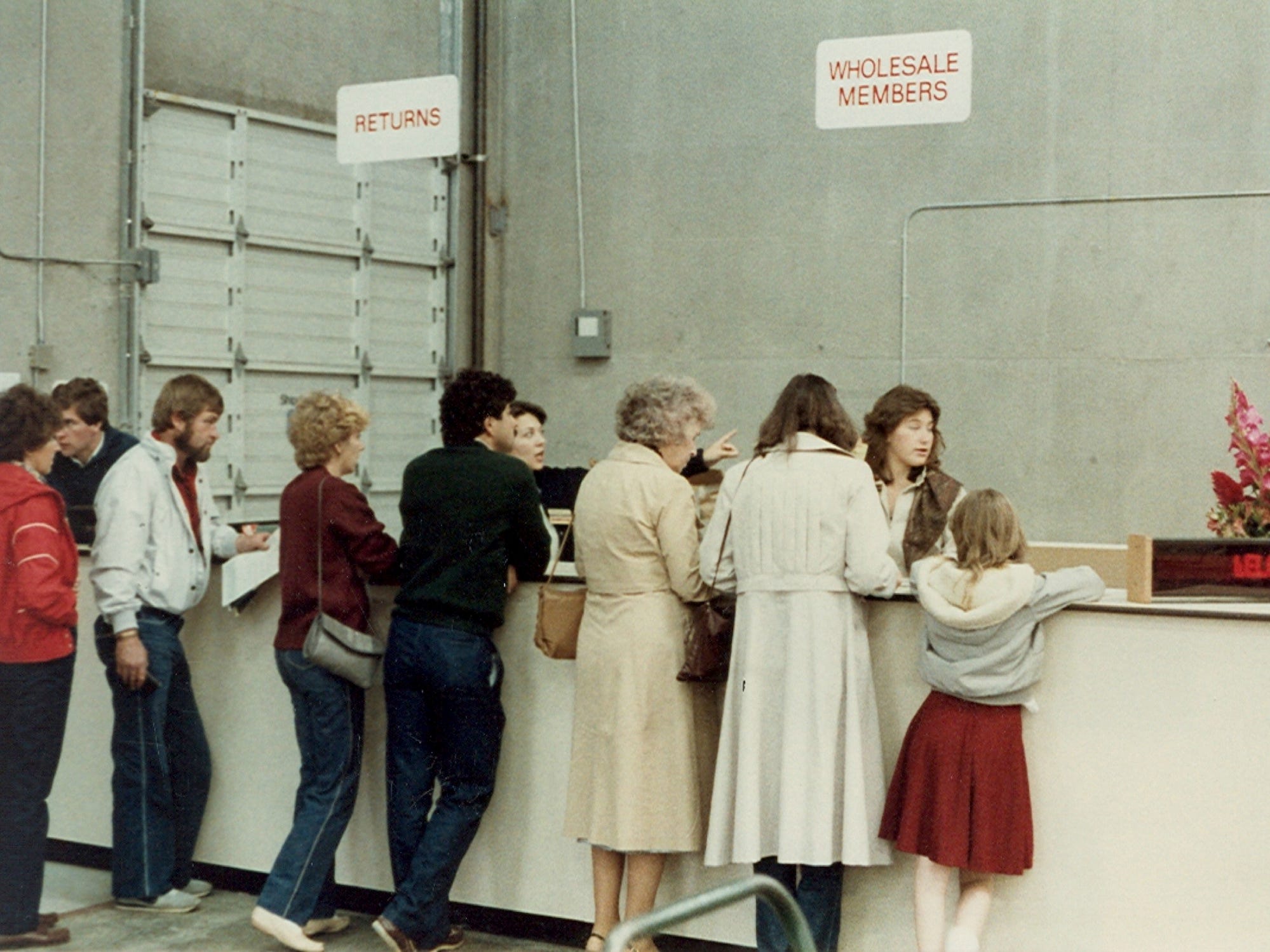
In the beginning, non-members could shop as long as they paid a 5% surcharge on their purchases. There are still a few ways to shop Costco without a membership.
Sales at Costco rocketed from zero to $3 billion in less than six years — a first for any company in history, according to the company.
Costco became a publicly traded company in 1985, initially offering shares for $10. Due to several stock splits, one initial Costco share would be equal to six today, worth a total of more than $5,250 as of December 10.
Despite their similarities, Costco, Price Club, and Sam’s Club weren’t direct competitors, as each had a sizable geographic territory in which to expand.
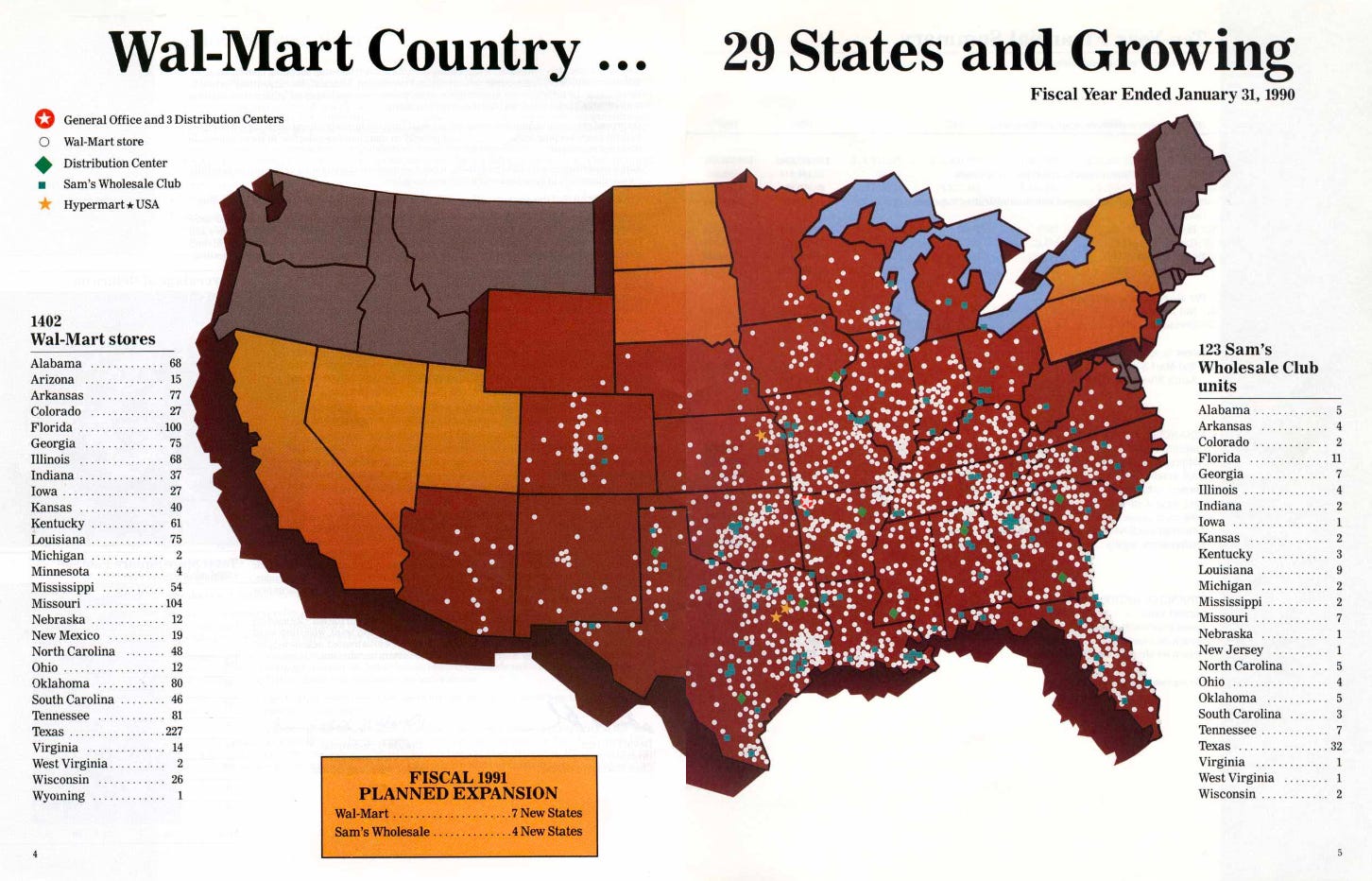
Price Club was largely in the Southwest, centered in San Diego, while Arkansas-based Sam’s Club had the Midwest and Southeast, and Costco took the Northwest, headquartered in the Seattle area.
One way Costco found to keep prices low was to sharply limit the number of different products in its inventory.
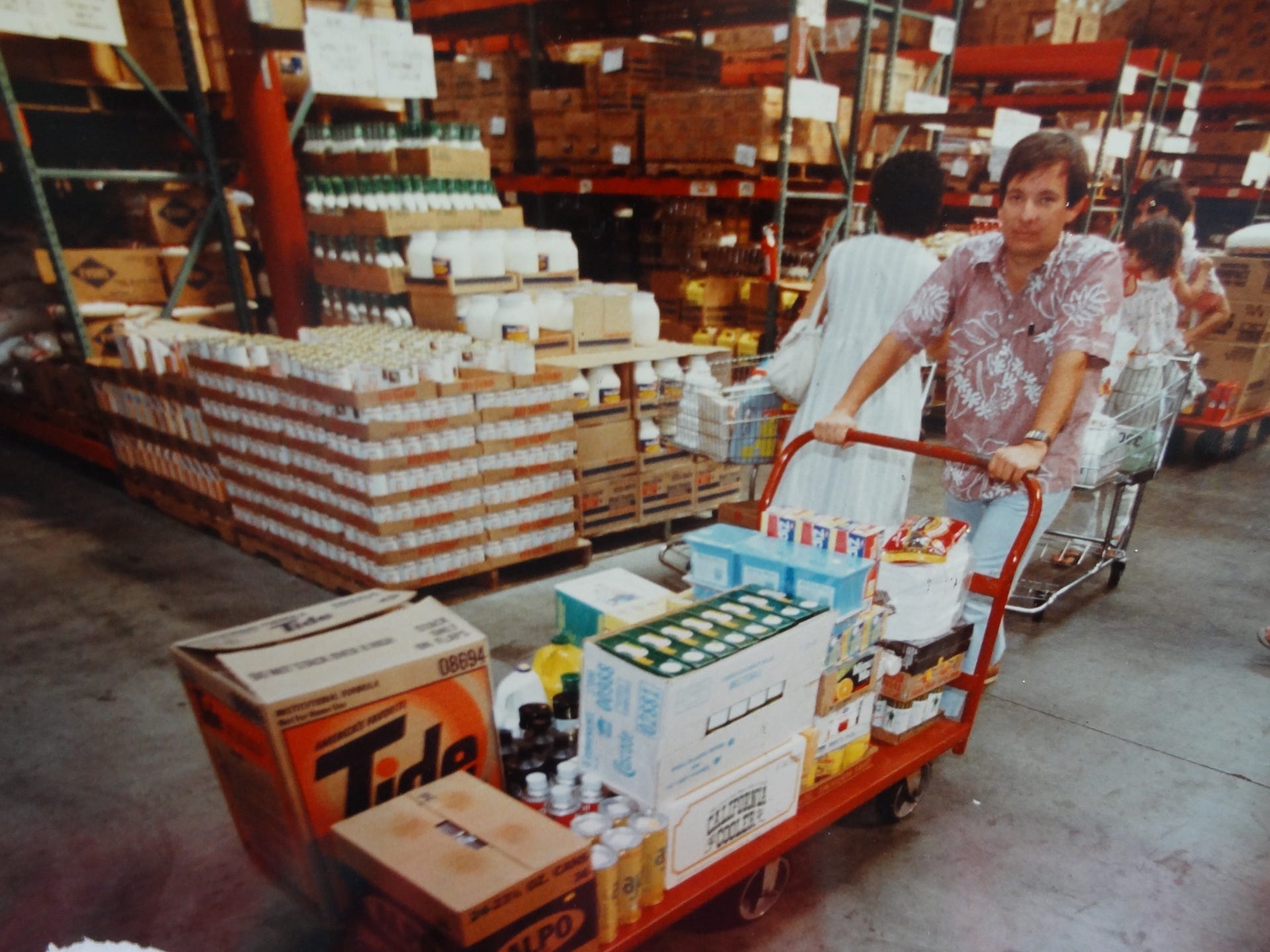
Even today, Costco only carries around 4,000 unique products in its assortment — referenced by stock-keeping-unit codes or SKUs — while typical supermarkets carry 30,000 or more. By comparison, a Walmart Supercenter typically carries around 120,000 SKUs.
In 1993, Price Club and Costco joined forces and began operating as PriceCostco with 206 locations and $16 billion in annual sales.
Memberships from each brand were honored by the other.
The company dropped the awkward PriceCostco branding in 1997 and reverted to Costco.
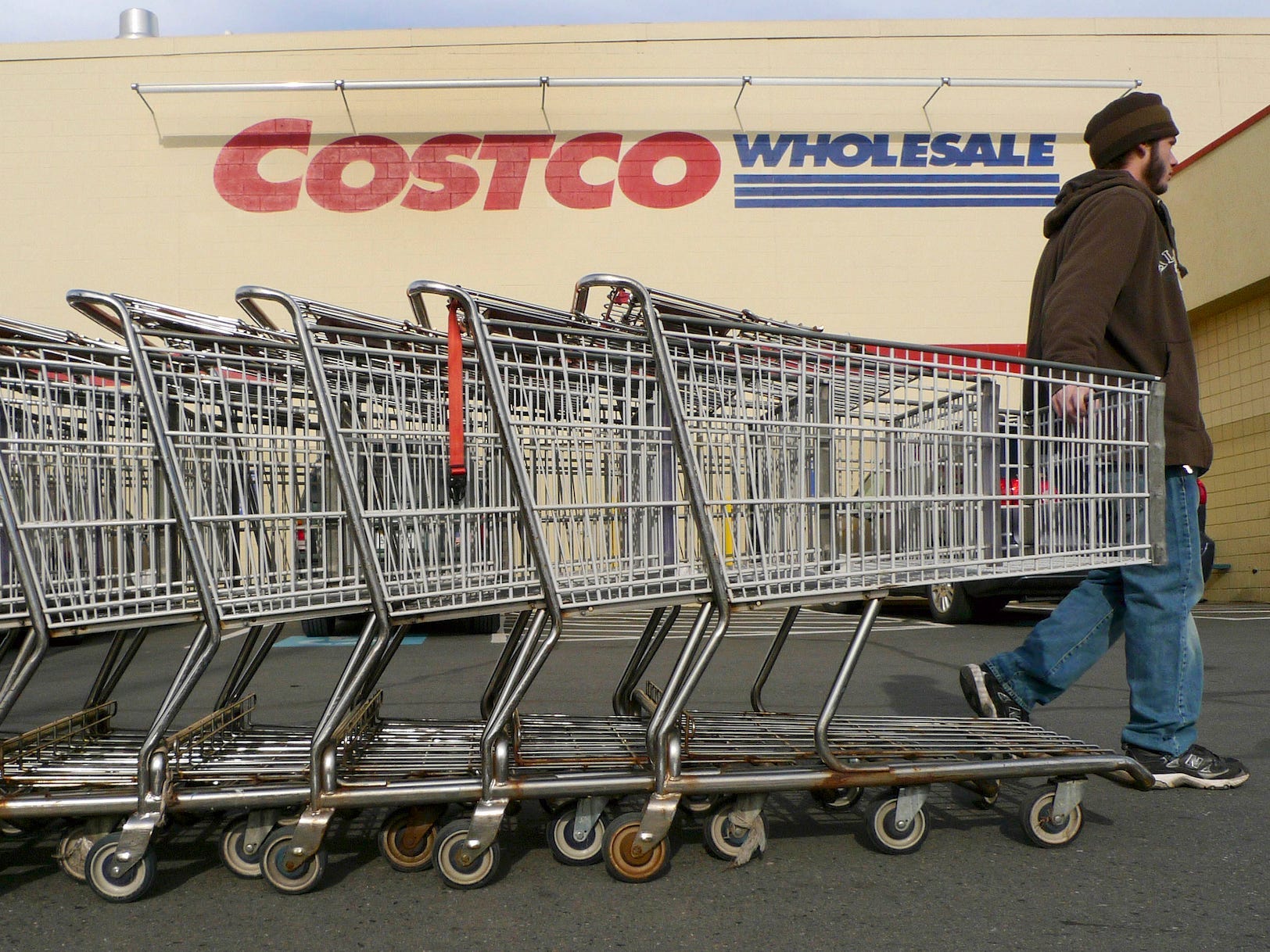
A few remaining Price Club locations were rebranded to Costco at this time as well.
In its 20th anniversary year, Costco had 430 warehouses in North America, Asia, and the UK, over 40 million membership cardholders, and generated $42.5 billion in revenue.
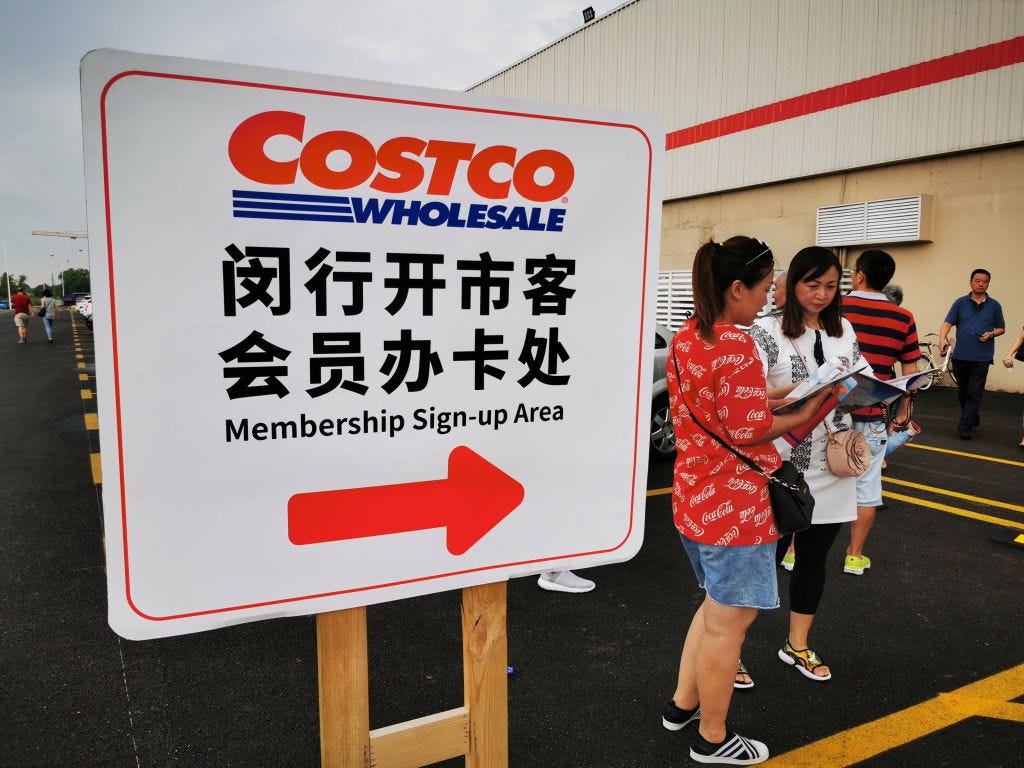
That year, the company ranked ninth among the world’s largest retailers.
US warehouses that year generated an average of $112 million in annual sales, while 11 locations exceeded $200 million.
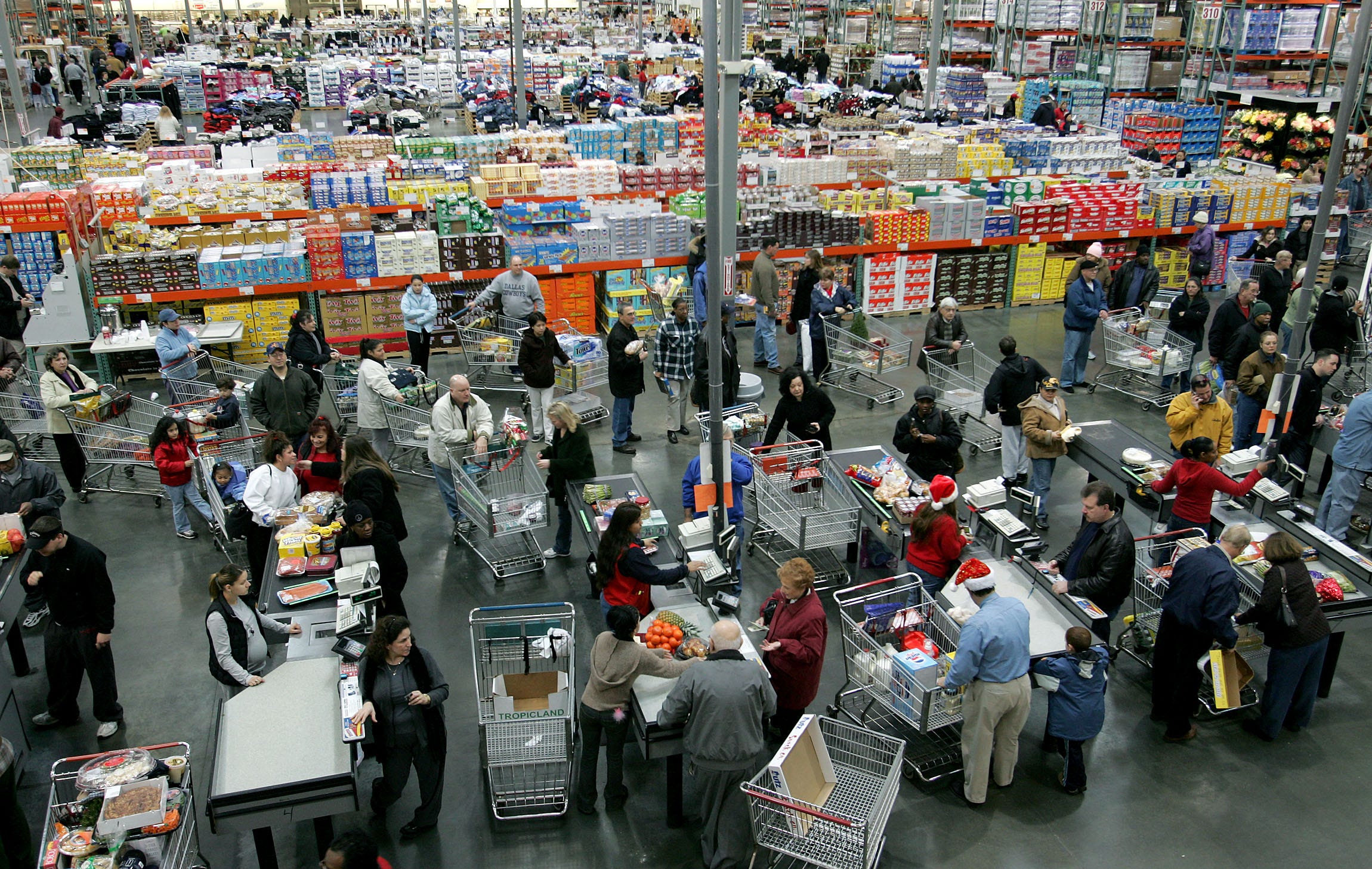
Costco also opened its fifth Business Center that year, a concept that caters more to small business owners than to household shoppers.
Sinegal retired as CEO on January 1, 2012, handing the leadership of the company to its head of merchandising, Craig Jelinek.
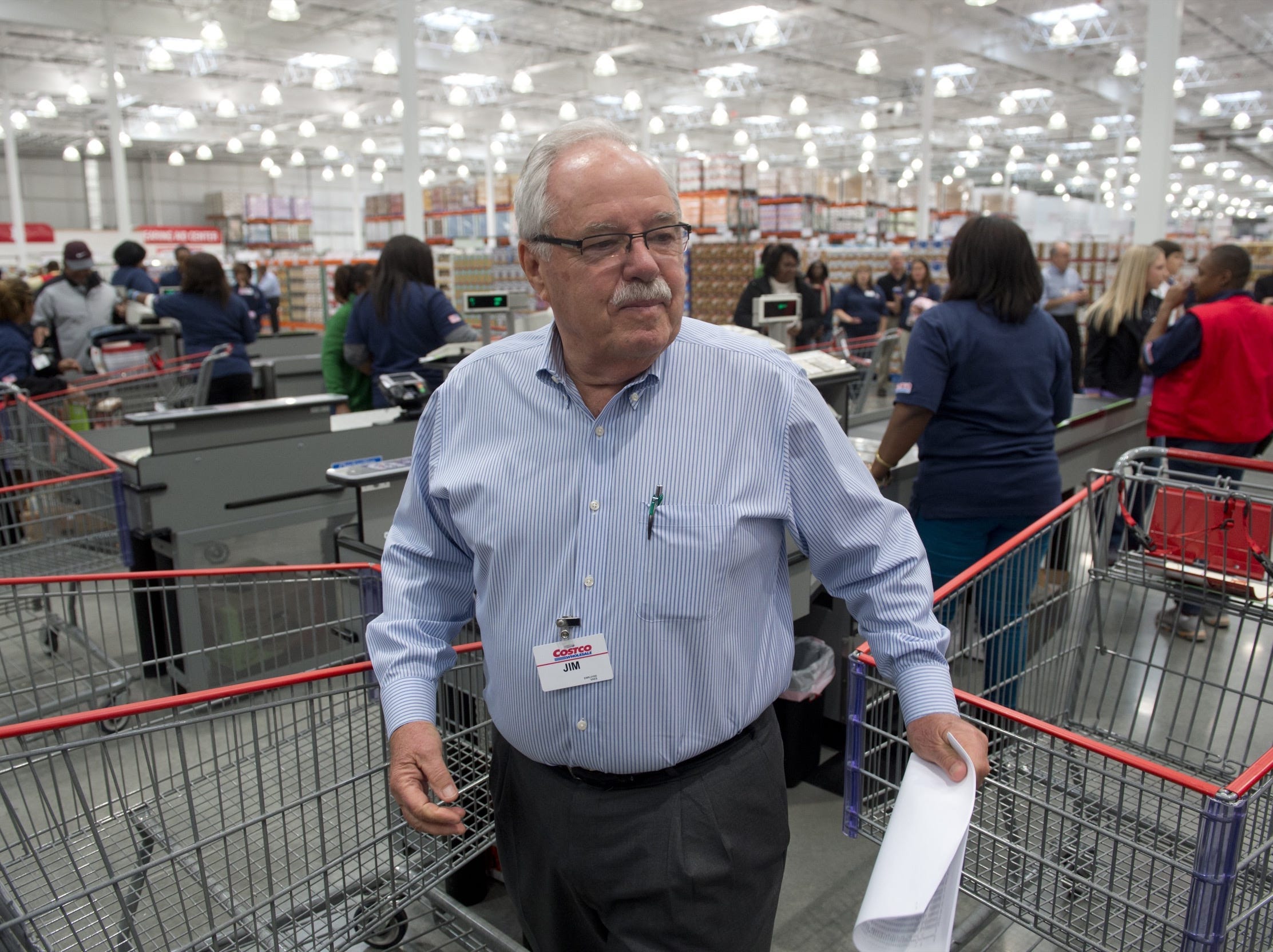
Sinegal continued to serve as Company Advisor and Director, ultimately retiring from the board in 2018.
Jelinek had also previously worked for FedMart, and was one of Costco’s early hires in the 1980s, rising to vice president in 2004 and ultimately CEO.
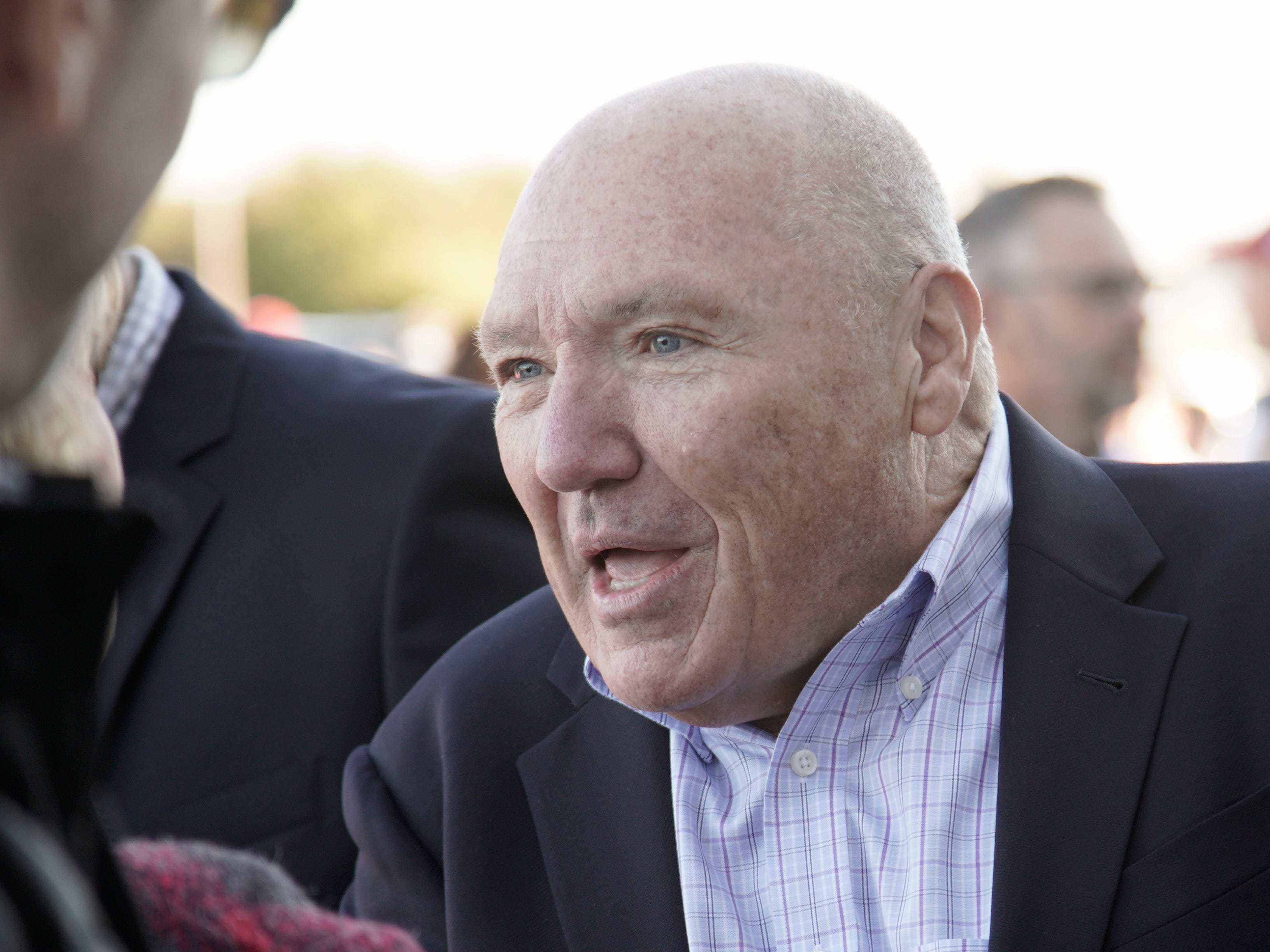
Jelinek was in charge of opening Costco’s sixth location and helped the company expand in Nevada and California. As vice president of merchandising, he oversaw a range of priorities, including e-commerce, foods, and pharmacy.
Costco became the third-largest retailer in the world in 2014, a ranking it still holds today behind Walmart and Amazon.
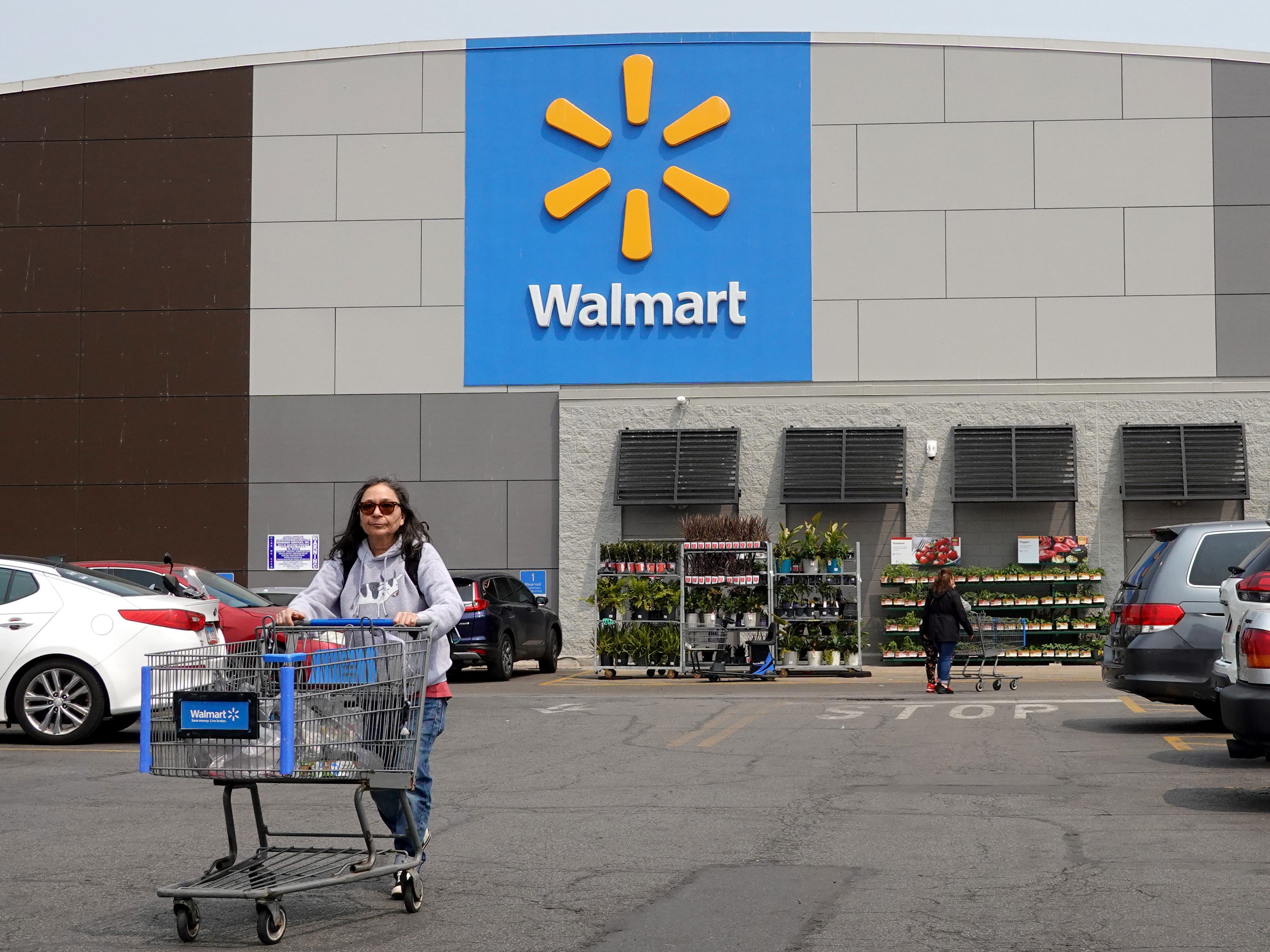
Walmart made nearly $675.6 billion in worldwide retail sales in 2024, followed by Amazon at $391.4 billion, and Costco at $244.9 billion, per the National Retail Federation.
Costco turned 40 in September 2023 with 838 locations around the world and nearly 129 million membership cardholders.
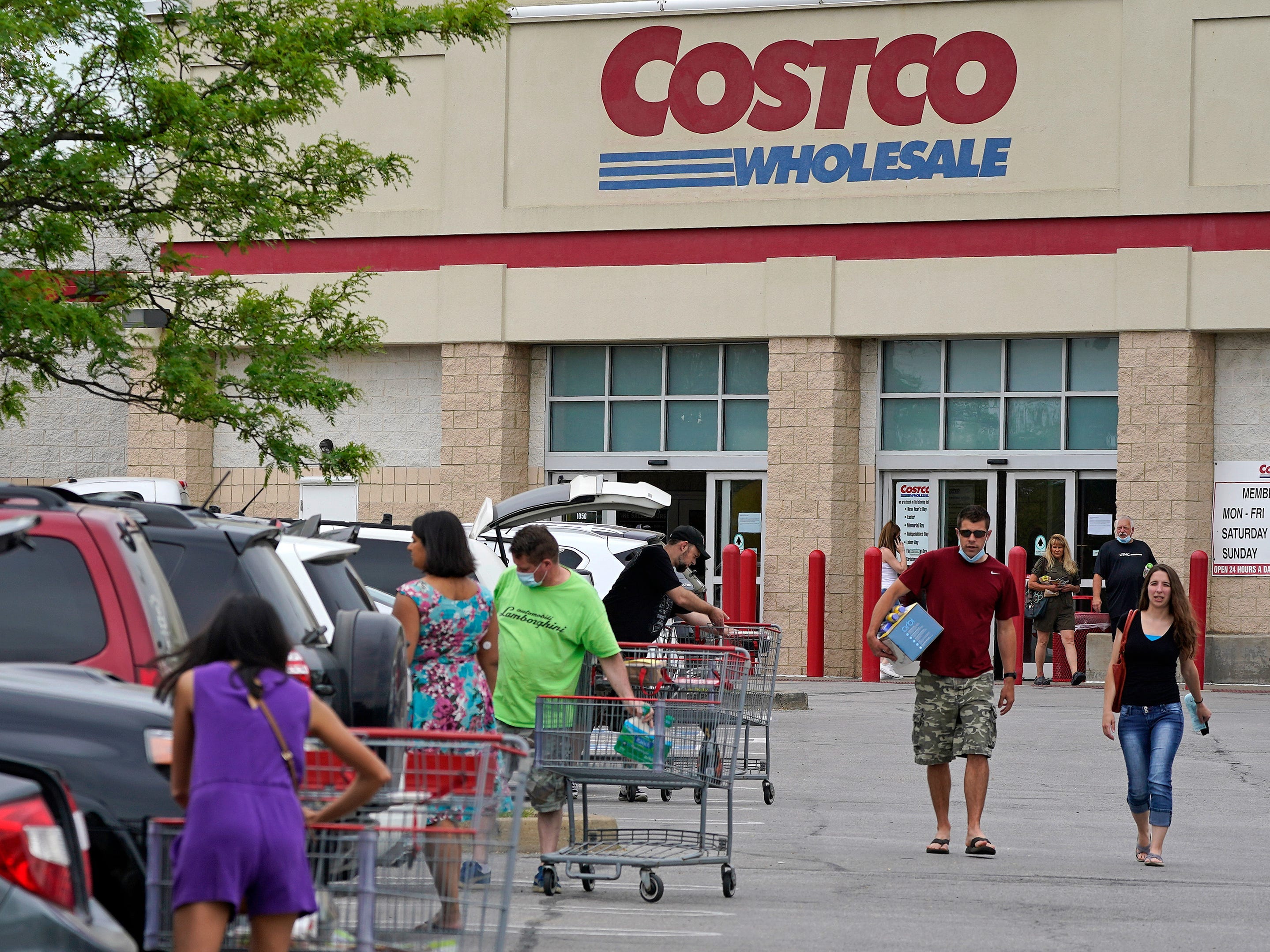
Costco has made more than $237.7 billion in revenue for that fiscal year.
In 2023, CFO Richard Galanti confirmed that Costco had been selling 1-ounce gold bars and that they’ve been selling out “within a few hours.”
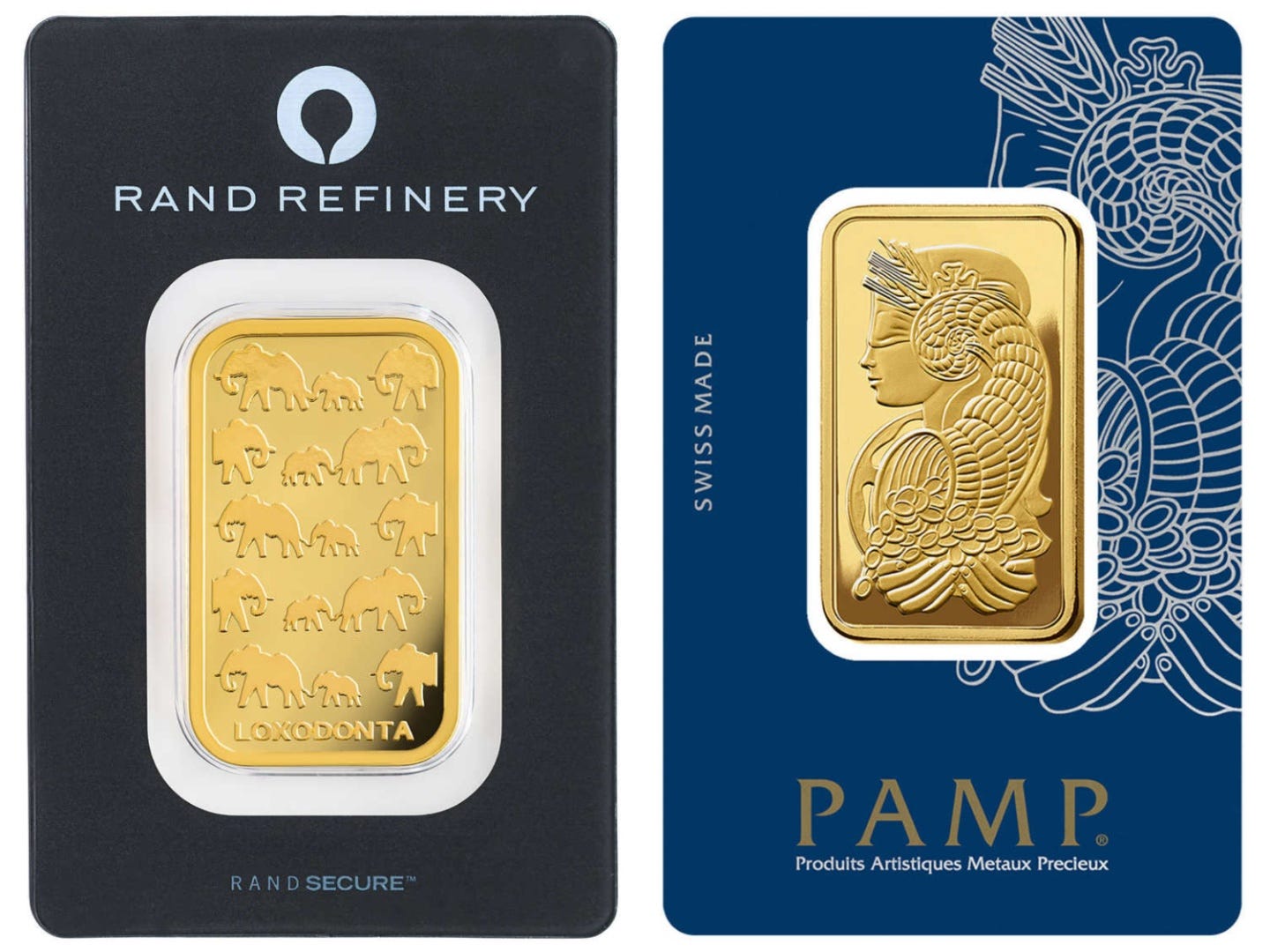
“When we load them on the site, they’re typically gone within a few hours and we limit two per member,” Galanti said on the fourth-quarter earnings call in September 2023.
In October 2023, CEO Craig Jelinek announced he would step down at the end of the year.
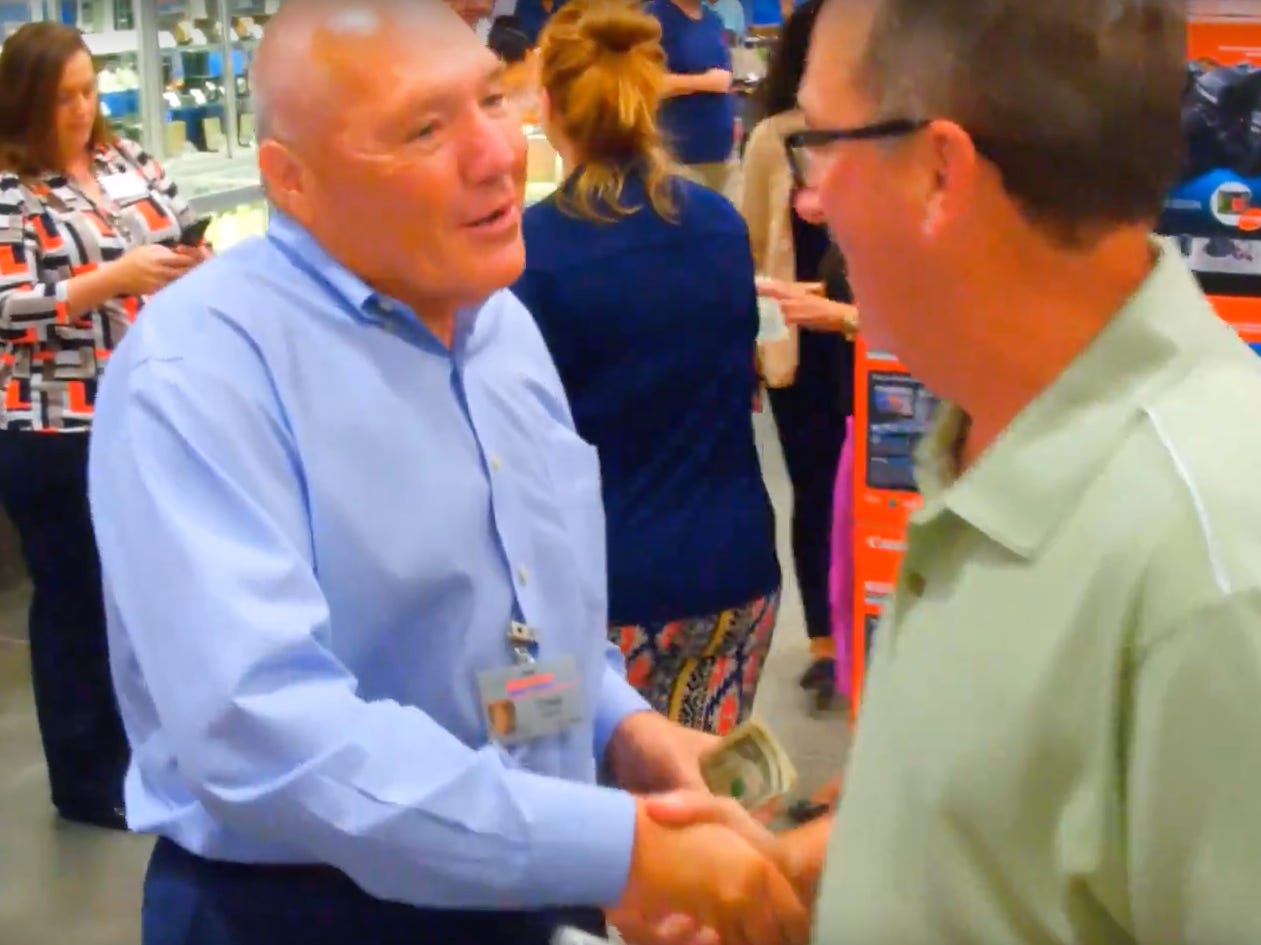
Jelinek handed over leadership of the wholesale club to Ron Vachris, a 40-year company veteran who had served as Costco’s president and chief operating officer since 2022.
Ron Vachris took over as Costco CEO on January 1, 2024, becoming the third person ever to hold the top job.
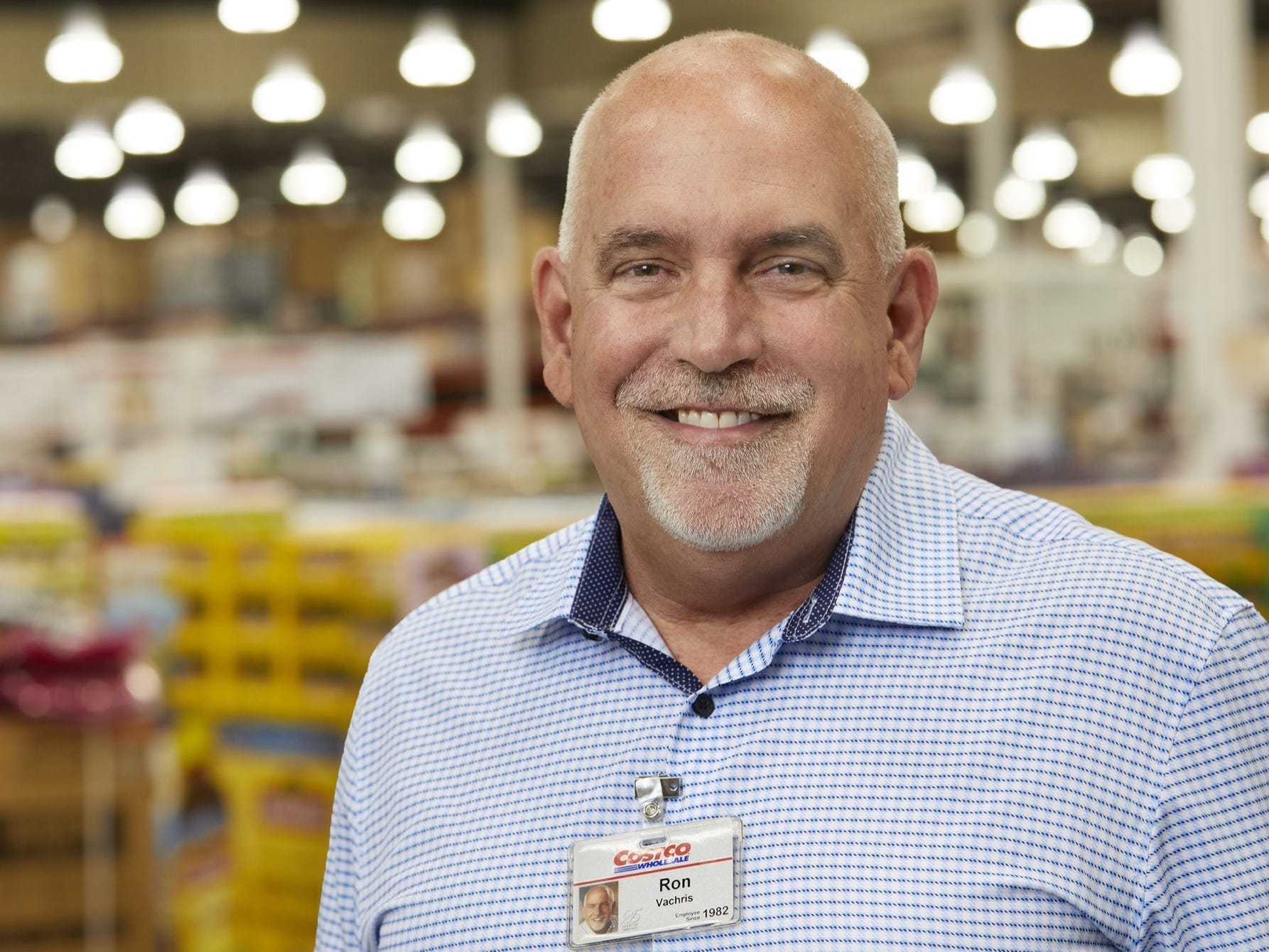
A 40-year employee, Vachris started as a forklift driver at Costco’s predecessor, Price Club, and has since worked in pretty much every area of the company.
When longtime CFO Richard Galanti stepped down in February 2024, his successor assured fans the $1.50 hot dog combo would be “safe.”
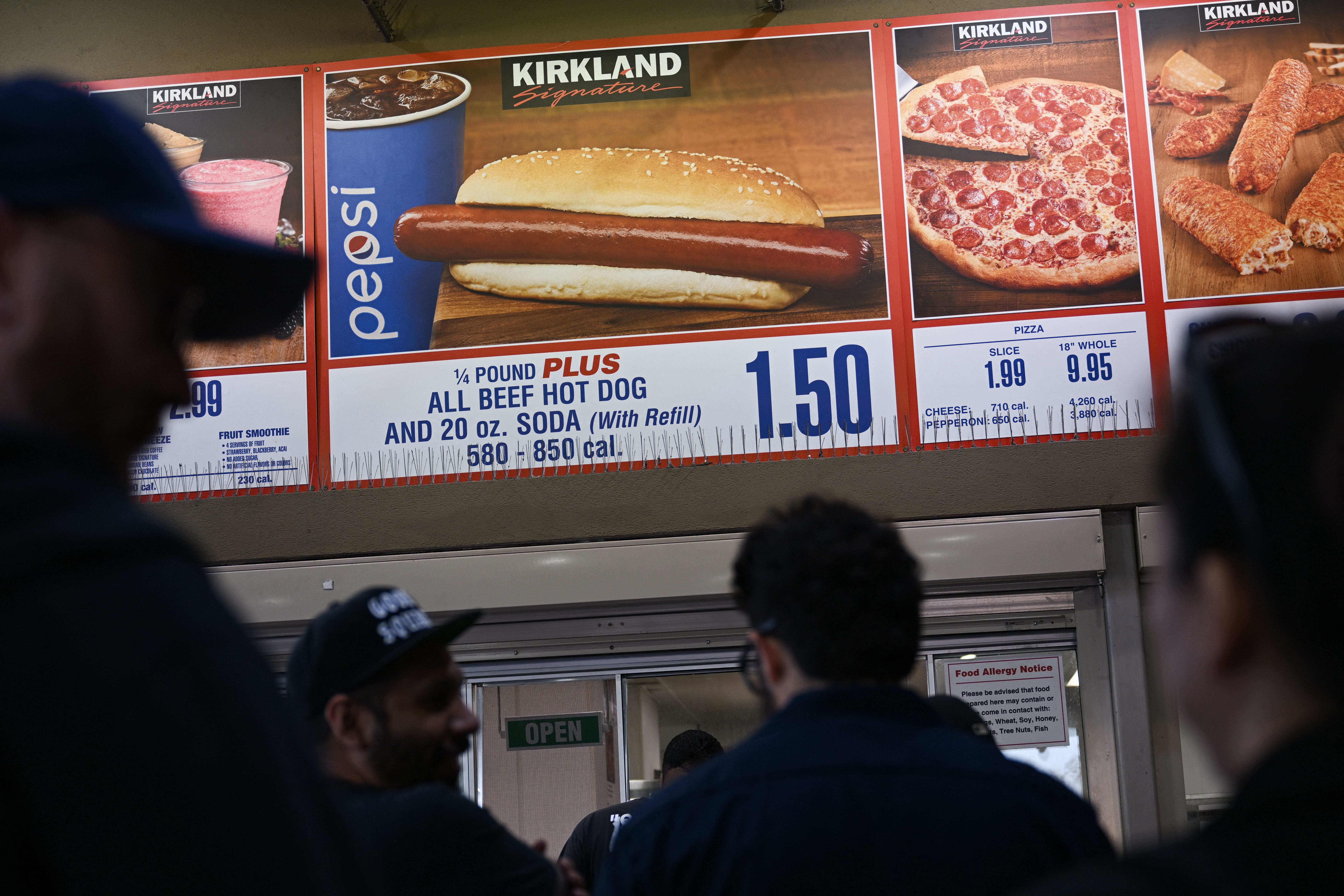
“While I can’t promise to be able to match the humor that Richard Galanti has become famous for, I can promise the same level of open dialogue and transparency you’ve come to expect,” incoming CFO Gary Millerchip said during his first call in the role. “Oh, and to clear up some recent media speculation, I also want to confirm the $1.50 hot dog price is safe.”
Throughout 2024, Costco leaned into its Netflix-style crackdown on membership sharing.
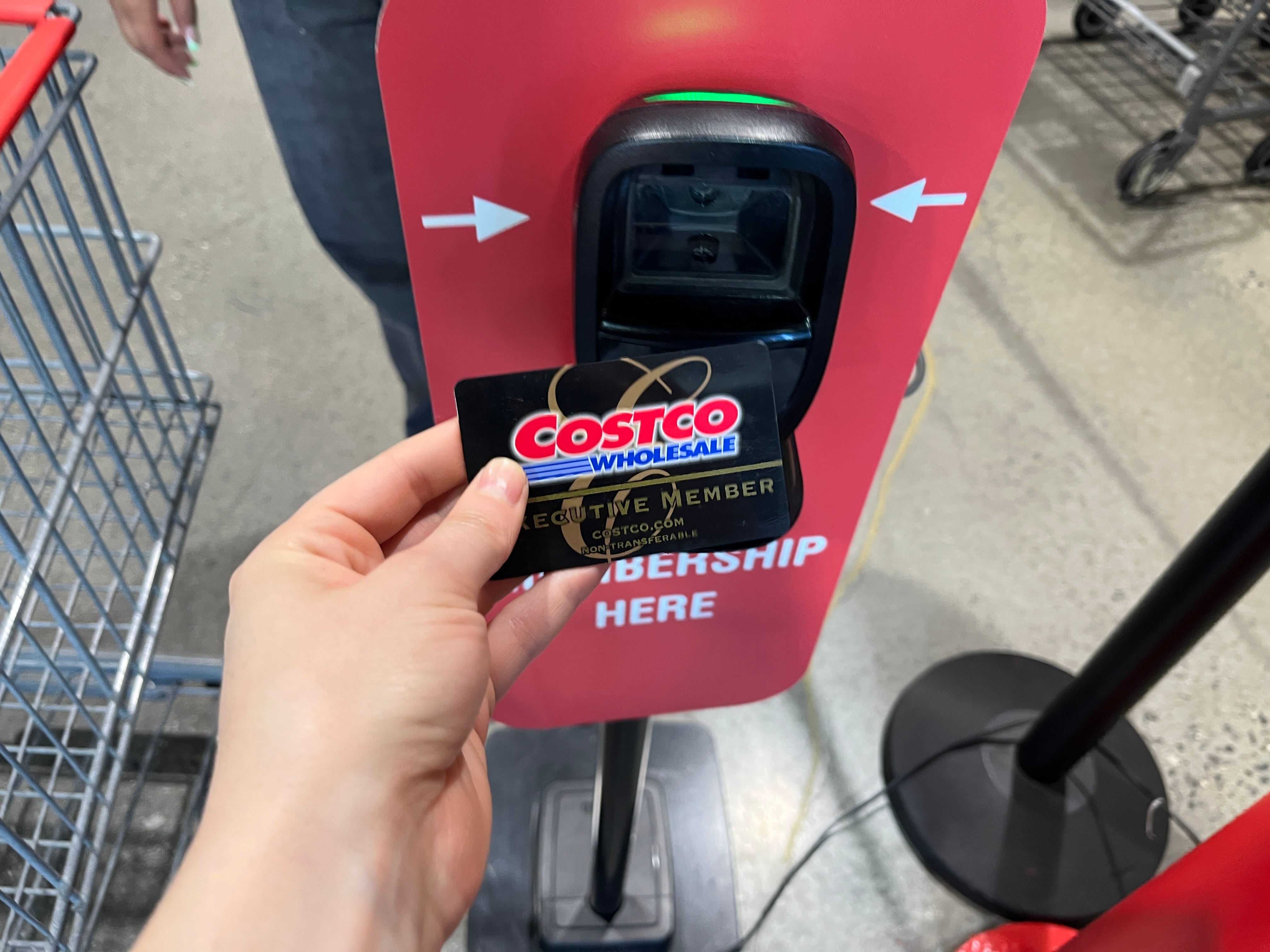
Costco’s membership crackdown started in 2023 with ID checkers at self-checkout and expanded to the entrances of US warehouses over the next year.
Morgan Stanley analysts estimated in October 2024 that the move drove a significant number of non-member shoppers to finally pay the annual fee — a big lift for Costco’s revenue and profit.
After tightening membership enforcement, Costco raised its annual fee for the first time in seven years.
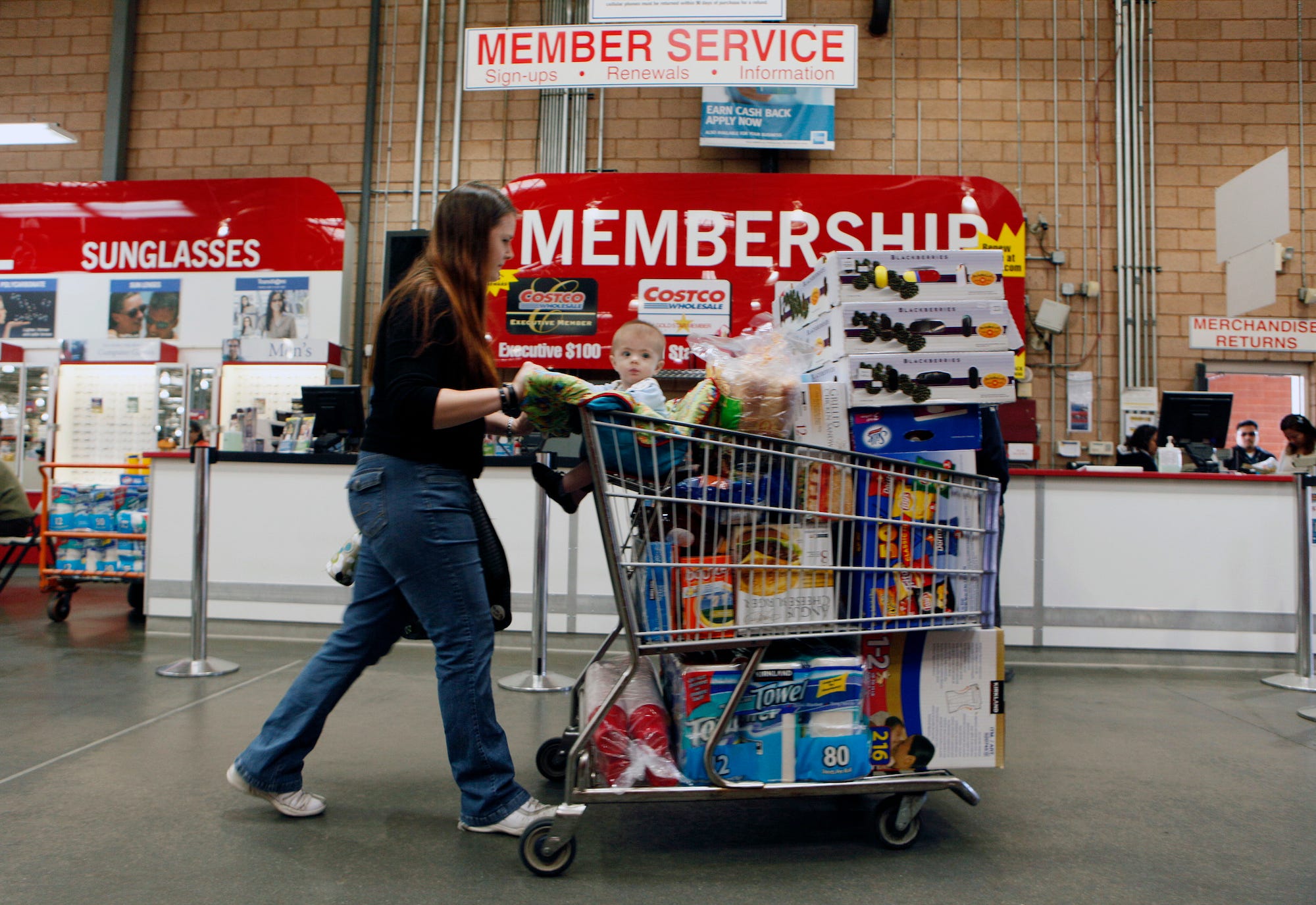
On September 1, 2024, Costco increased its fee from $60 to $65 for Gold Star memberships, with Executive memberships going from $120 to $130 — the first fee hikes in seven years.
Costco made headlines in December 2024 when it was one of the few large companies to make a forceful and unapologetic defense of its DEI policies.
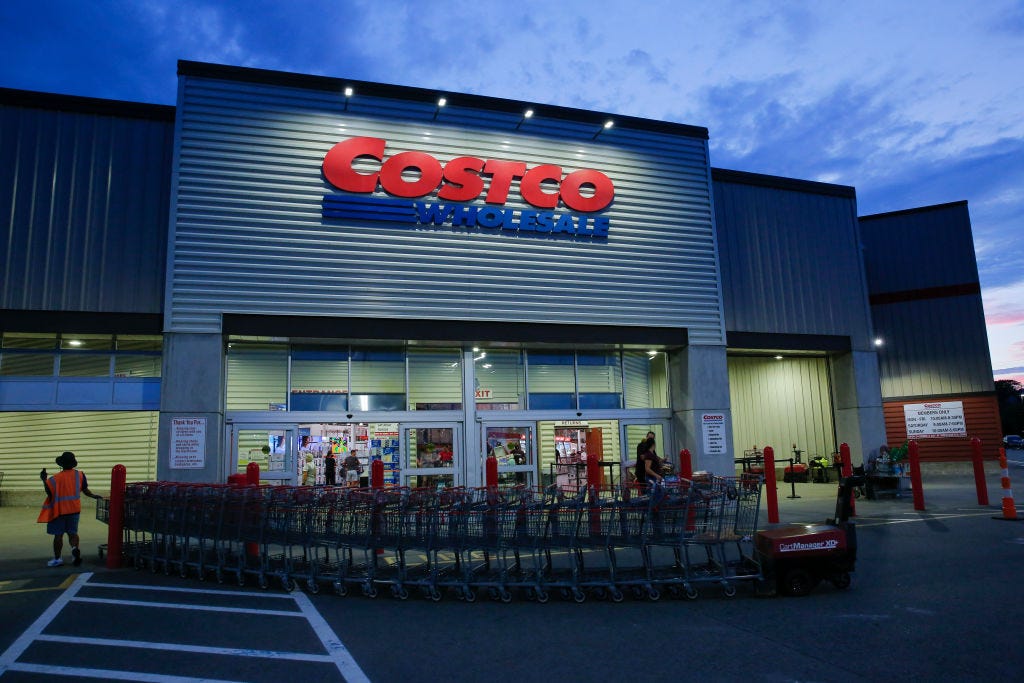
“Our commitment to an enterprise rooted in respect and inclusion is appropriate and necessary,” the board wrote in its annual proxy statement.
Shareholders later overwhelmingly rejected the proposal from a conservative activist group that would have required the company to prepare a special report on its DEI efforts.
Shoppers appeared to reward Costco for sticking with its principles, with shopping trips increasing as Target saw declines.
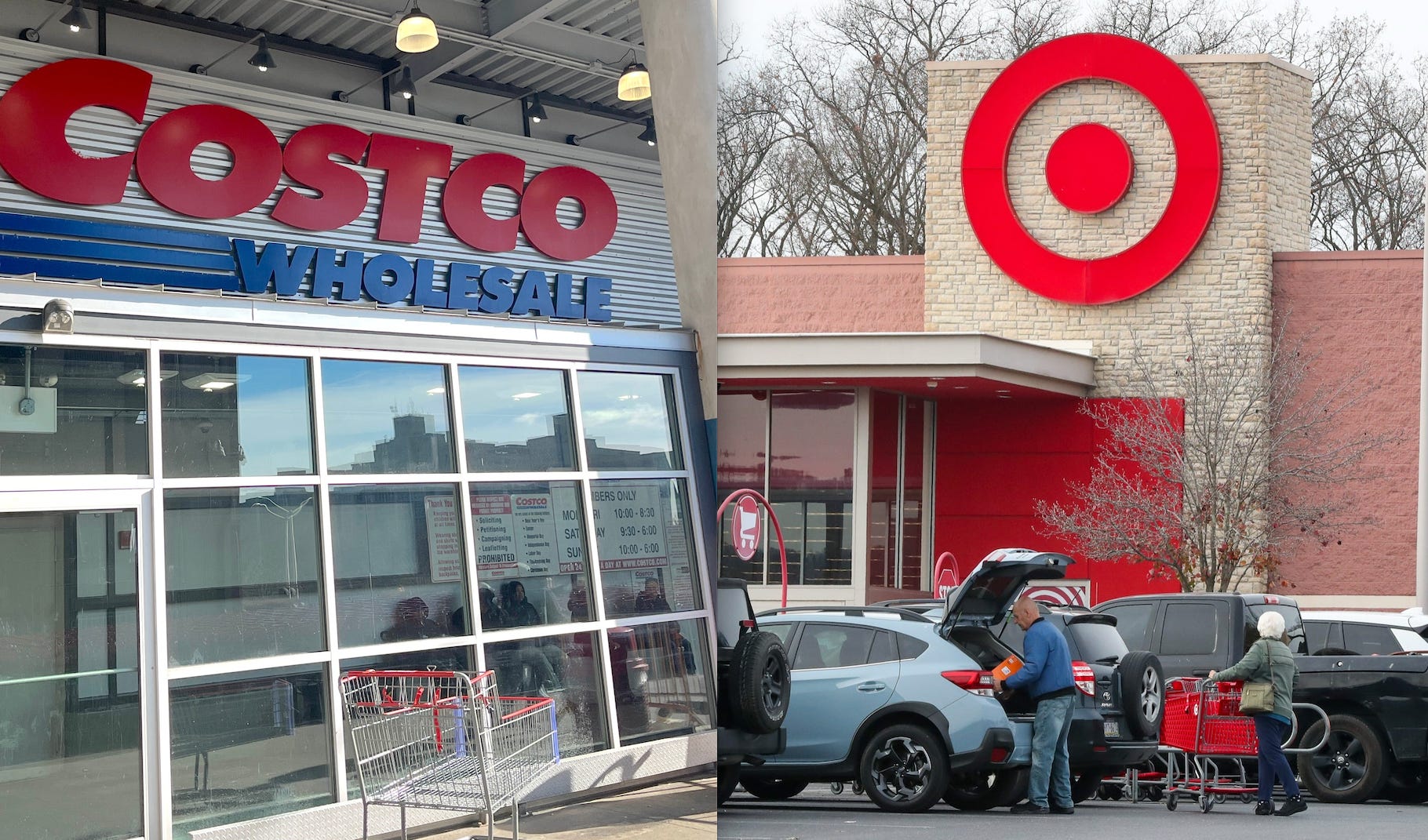
Target saw nearly 5 million fewer shopping trips during the four weeks ending on February 9, according to data from Numerator. By contrast, Costco saw nearly 7.7 million more visits during the same period.
Costco also started testing new tech to check product availability in warehouses and speed up customers’ shopping trips.
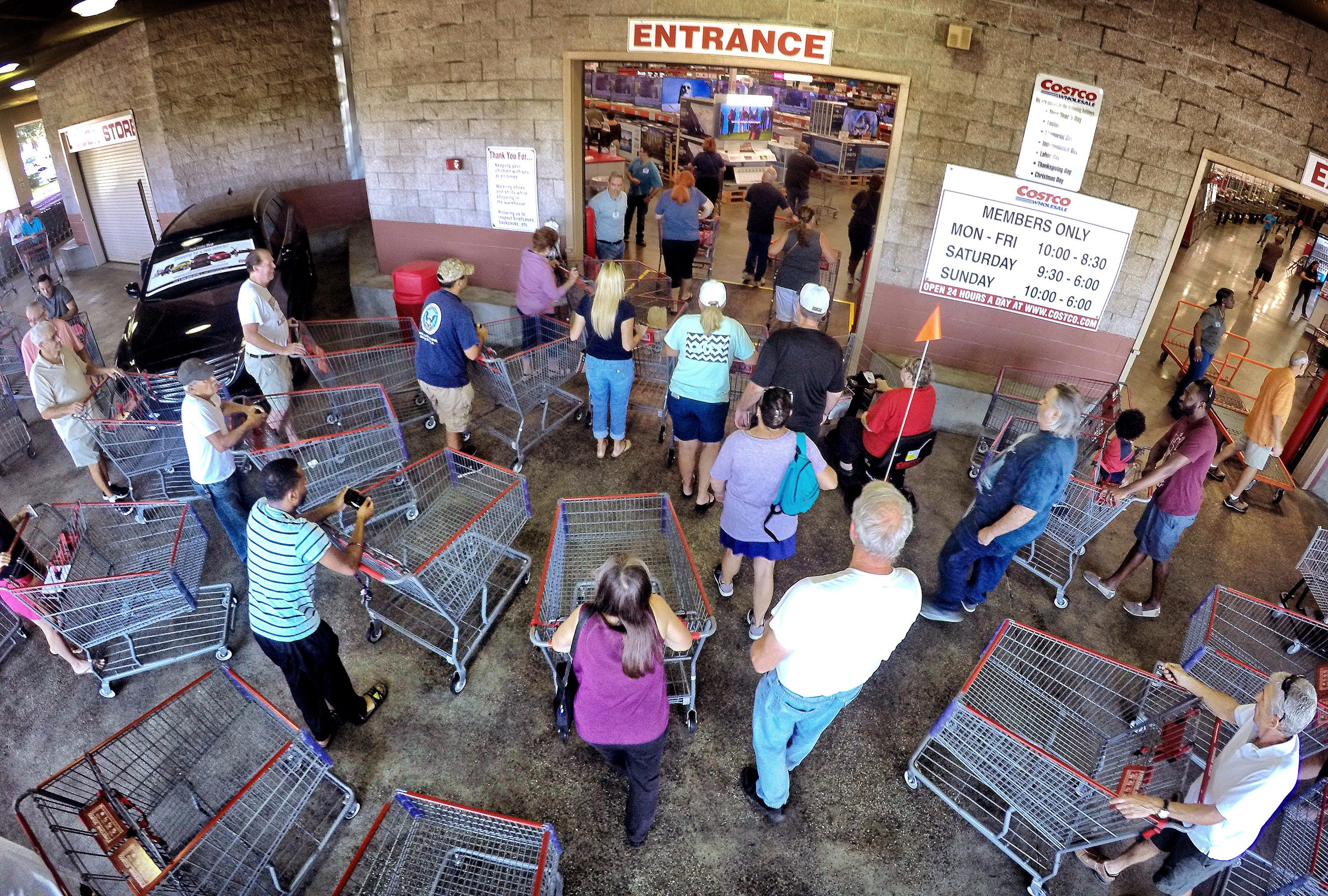
“We found that digital really enhances the speed of checkout, and so we are really working hard on the digital membership card usage,” Vachris said during an earnings call in 2025.
“We’ve also engaged in some scan-and-go, done by Costco,” he added.
Over the summer, Costco began opening its doors an hour early for executive members — a move that proved to be a big win for both customers and the company.
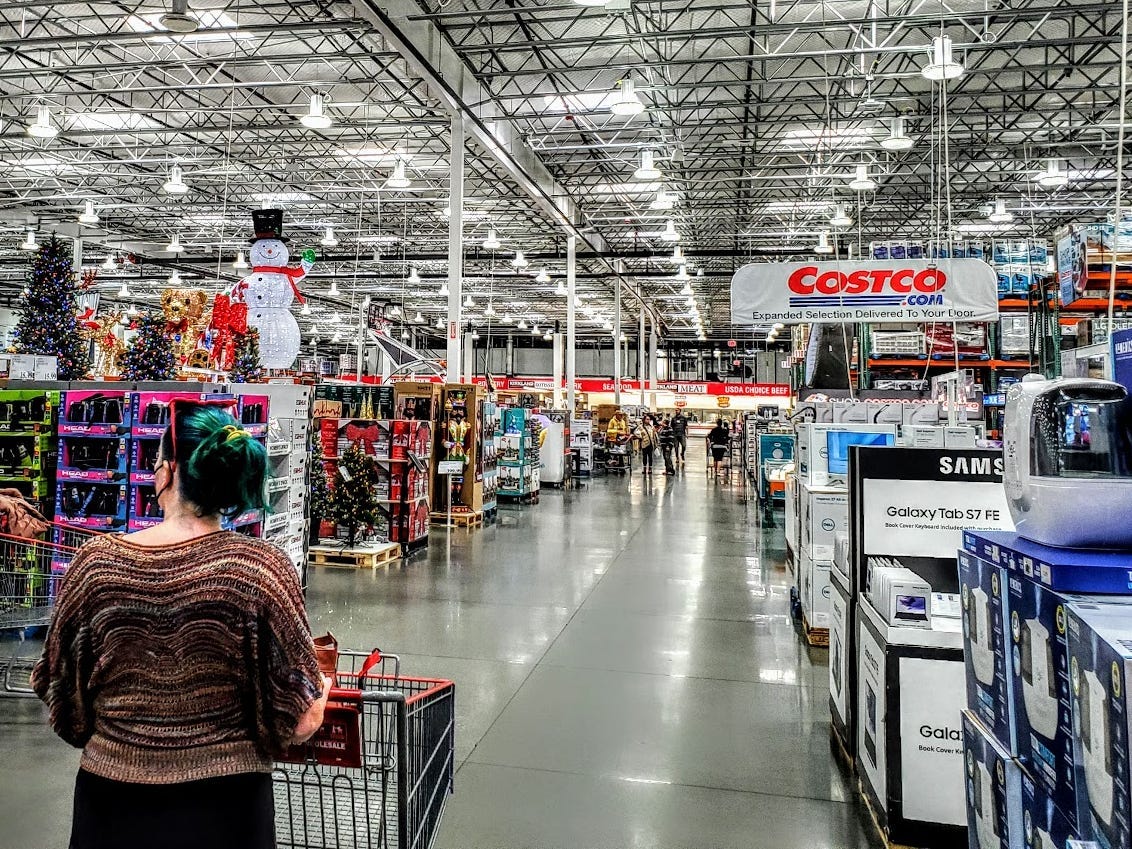
“We estimate these incremental hours added about 1% to weekly US sales since implementation. This has been very well received by our members,” Vachris said during its fourth quarter earnings call in 2025.
CFO Gary Millerchip also said that the extended hours and other new perks led a higher share of shoppers to upgrade their memberships.
Foot traffic data from Placer.ai also indicates the adjustment is helping the company accomplish several key goals, namely getting shoppers to visit more quickly and more often.
Read the original article on Business Insider
The post How Costco became the king of bulk buying, starting out by selling only to businesses out of an old airplane hangar appeared first on Business Insider.