When Netflix executives first saw a glimpse of “White Horse” in 2018, they were blown away.
Cindy Holland, who at the time oversaw the streaming service’s original content, read the script sitting in Keanu Reeves’ home, she said in court testimony earlier this month. “White Horse” was the brainchild of Carl Rinsch, who had previously directed Reeves in the big-budget “47 Ronin.”
At the time, Rinsch had already created a trailer and six preliminary episodes of “White Horse,” funded in part with his own money. Holland testified she found the footage “stunning” and the script “really impressive.”
“I believed we should pursue the project,” testified Holland, who is now an executive at Paramount.
Netflix agreed to pay tens of millions of dollars on the project, but “White Horse” was never finished. Instead of premiering on the nation’s biggest streaming platform, “White Horse” has become the subject of legal disputes, news articles, and, finally, a criminal trial against Rinsch in Manhattan federal court.
It culminated in a guilty verdict on Thursday, where a jury found Rinsch guilty of defrauding Netflix by using the $11 million on a personal spending spree.
Over the years, the public has seen very little of the sci-fi passion project that wowed Netflix executives into shelling out $55 million for the project — until now.
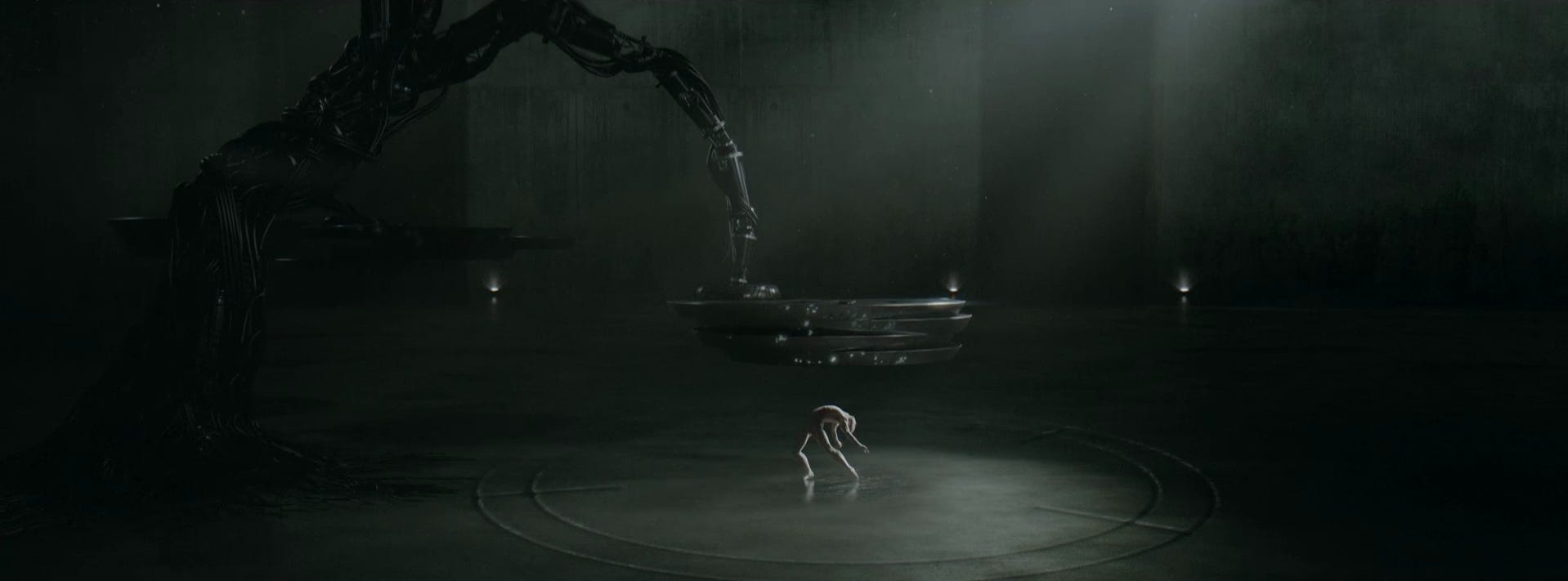
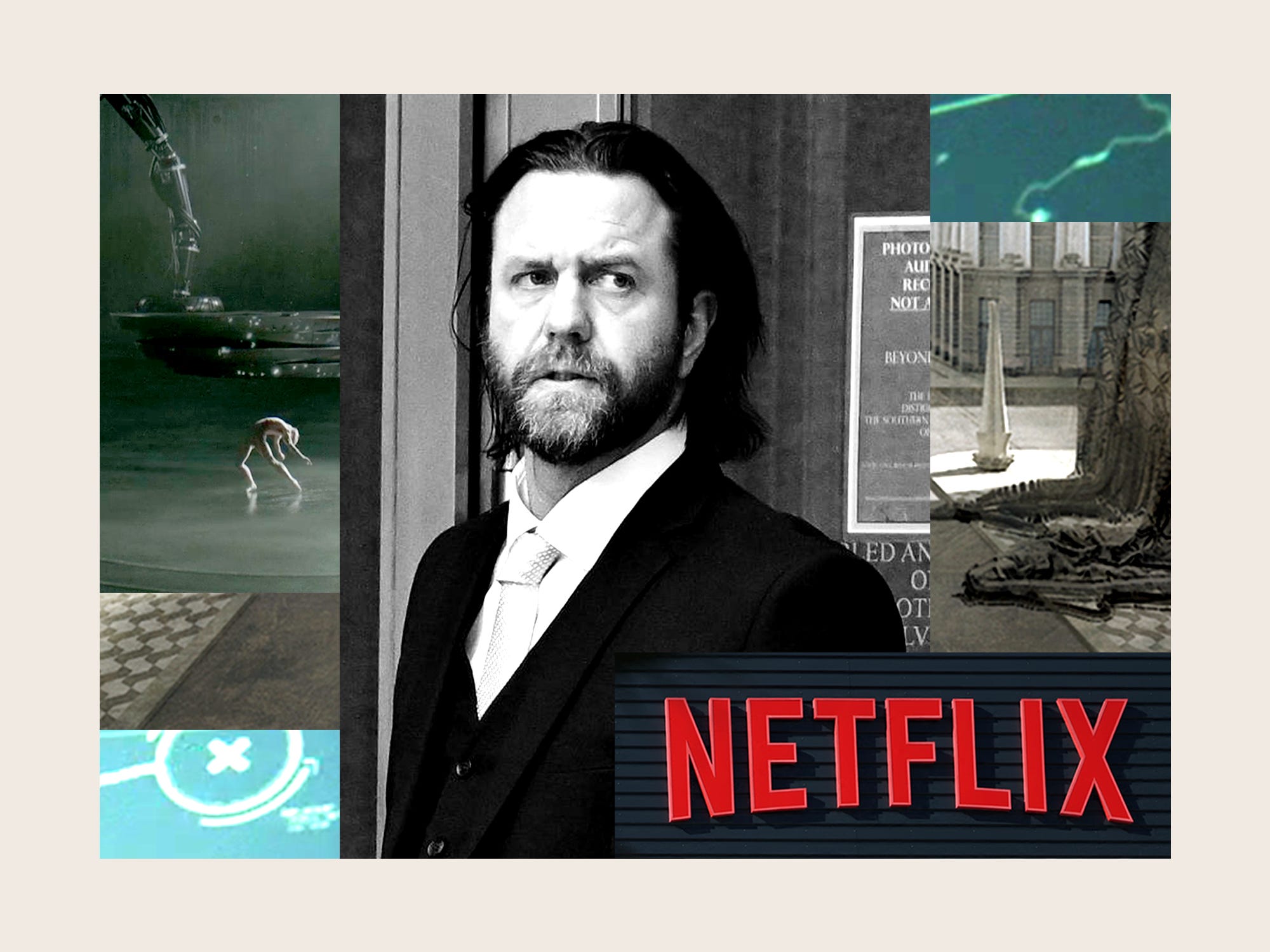
“White Horse” depicts a world with artificially created “Organic Intelligence” beings, which resemble humans. When the world discovers they’re not flesh-and-blood humans, the artificial beings create their own private cities, walled off from the rest of the world, and form their own society.
In 2018, Netflix agreed to pay $44 million for Rinsch to deliver about 13 episodes, ranging from about four to 14 minutes and totaling about 120 minutes. It gave Rinsch an additional $11 million in March 2020 to finish “White Horse” — money the jury found he spent on luxury goods instead of finishing the show.
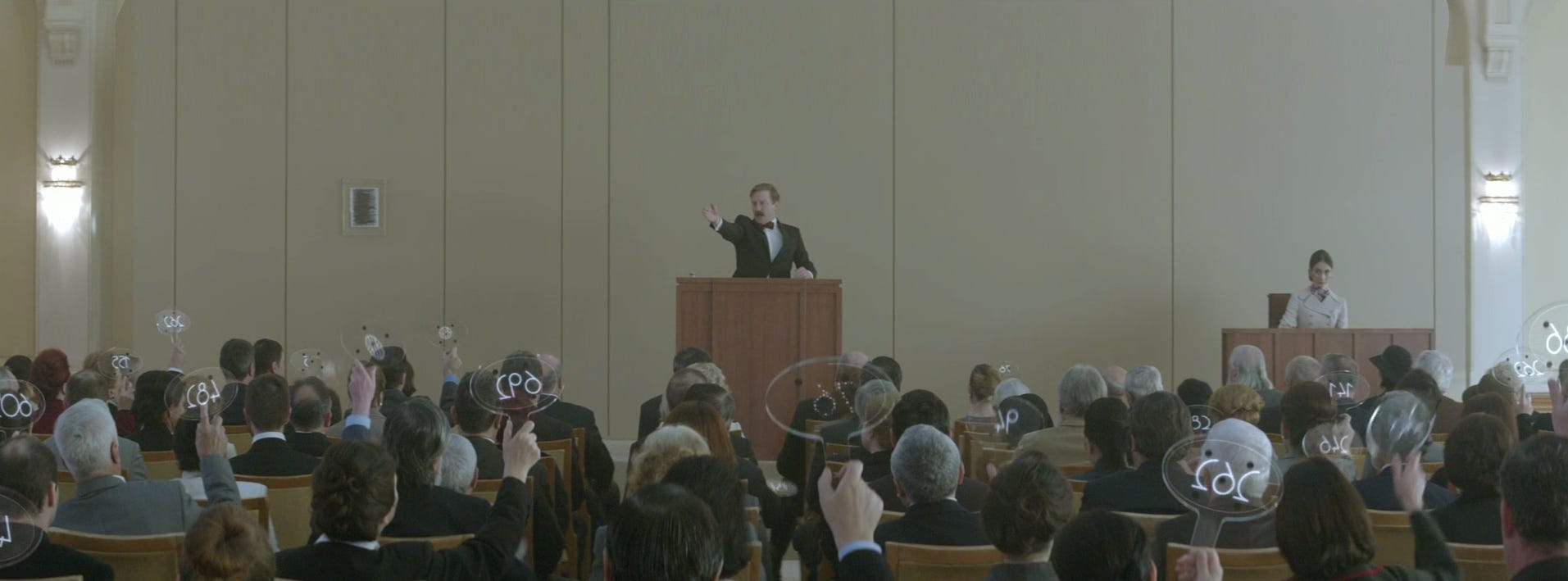
The lack of public images has made it difficult to understand why a major entertainment company would agree to spend $55 million on “White Horse” and why Netflix continued to infuse cash into the project after Rinsch exceeded his initial budget.
Netflix even gave Rinsch coveted “final cut” privilege, effectively giving him ultimate creative control over what “White Horse” would look like, despite “47 Ronin” flopping at the box office.
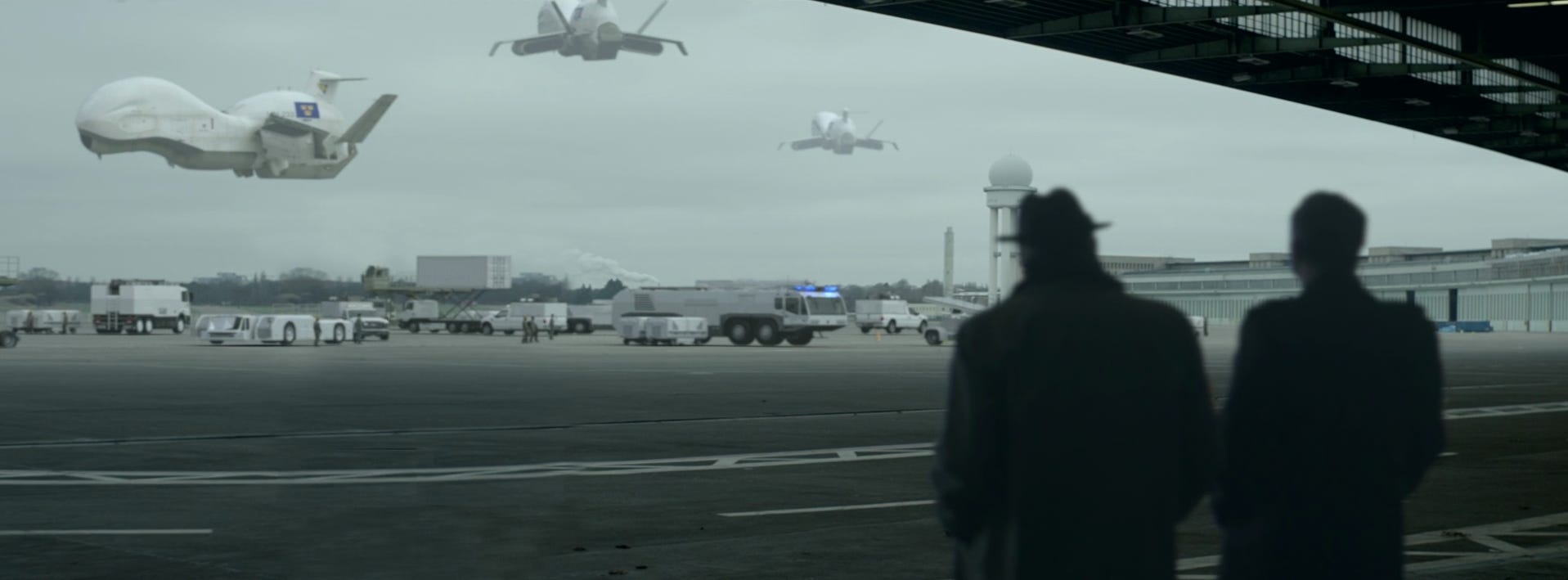
Some of the work that went into the production made it into the evidentiary material for Rinsch’s trial, including six episodes that Rinsch created with his own money, before Netflix agreed to invest in the project.
Prosecutors played the trailer for jurors, then asked former Netflix executives about their high hopes for “White Horse” — and the disappointment and anxiety that followed as the production fell apart.
Peter Friedlander, another Netflix executive, testified early in the trial that he was “blown away” by Rinsch’s “visionary” footage.
“The visuals were something that I had never seen before,” Friedlander said.
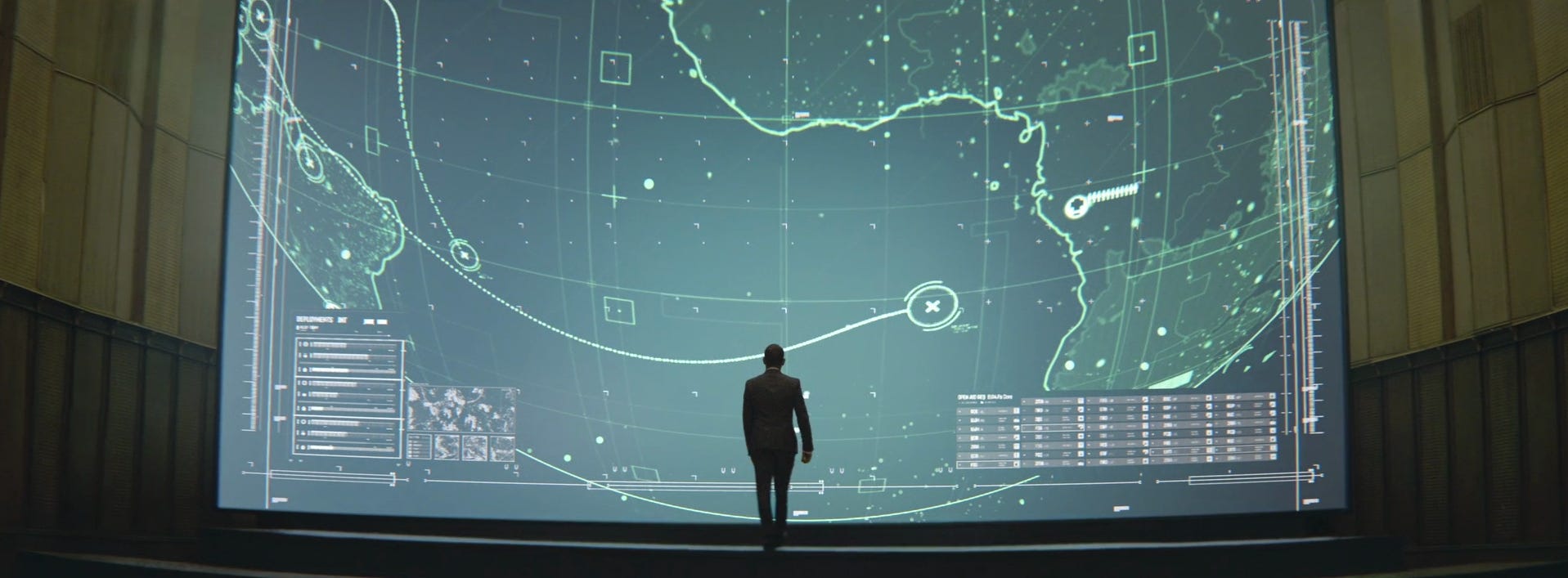
Rinsch’s defense lawyers showed jurors concept art that Rinsch and his production team created to illustrate the elaborate sci-fi world the director had built. Rinsch — a protégé of “Alien” and “Gladiator” director Ridley Scott — described “White Horse” as a potential franchise on par with “Star Wars” and “Game of Thrones.”
After Netflix agreed to pay Rinsch for the project, the writer-director-producer spent months filming hundreds of hours of footage in Brazil, Uruguay, and Hungary, using the production codename “Conquest.”
According to federal prosecutors, Rinsch “abandoned” “White Horse” after running out of money in the fall of 2019. He swindled Netflix out of the additional $11 million the streaming service agreed to pay him the following March, prosecutors said.
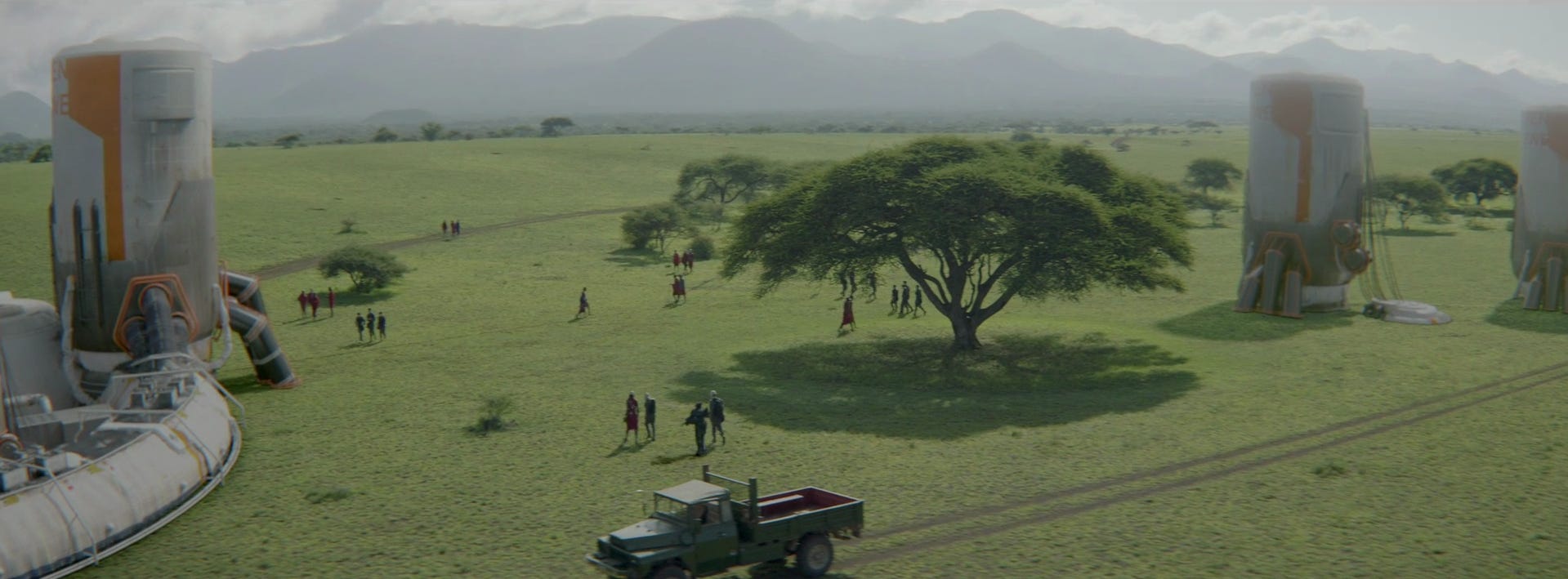
During closing arguments, Rinsch’s attorney Daniel McGuinness urged the jurors to watch the six episodes — which totaled about 40 minutes — while they deliberated the verdict.
It was absurd, McGuinness said, to think that Rinsch planned to scam Netflix through the production of the project when he had put so much creative energy into making it a reality.
According to Rinsch’s defense attorneys, the director believed that the bulk of the $11 million March 2020 payment was meant to reimburse him for cost overruns he had paid out of his own pocket.
Rinsch continued to work on “White Horse” throughout 2020 and in 2021, his lawyers said.
To demonstrate this, the attorneys pointed to additional concept art that he had commissioned and created himself.
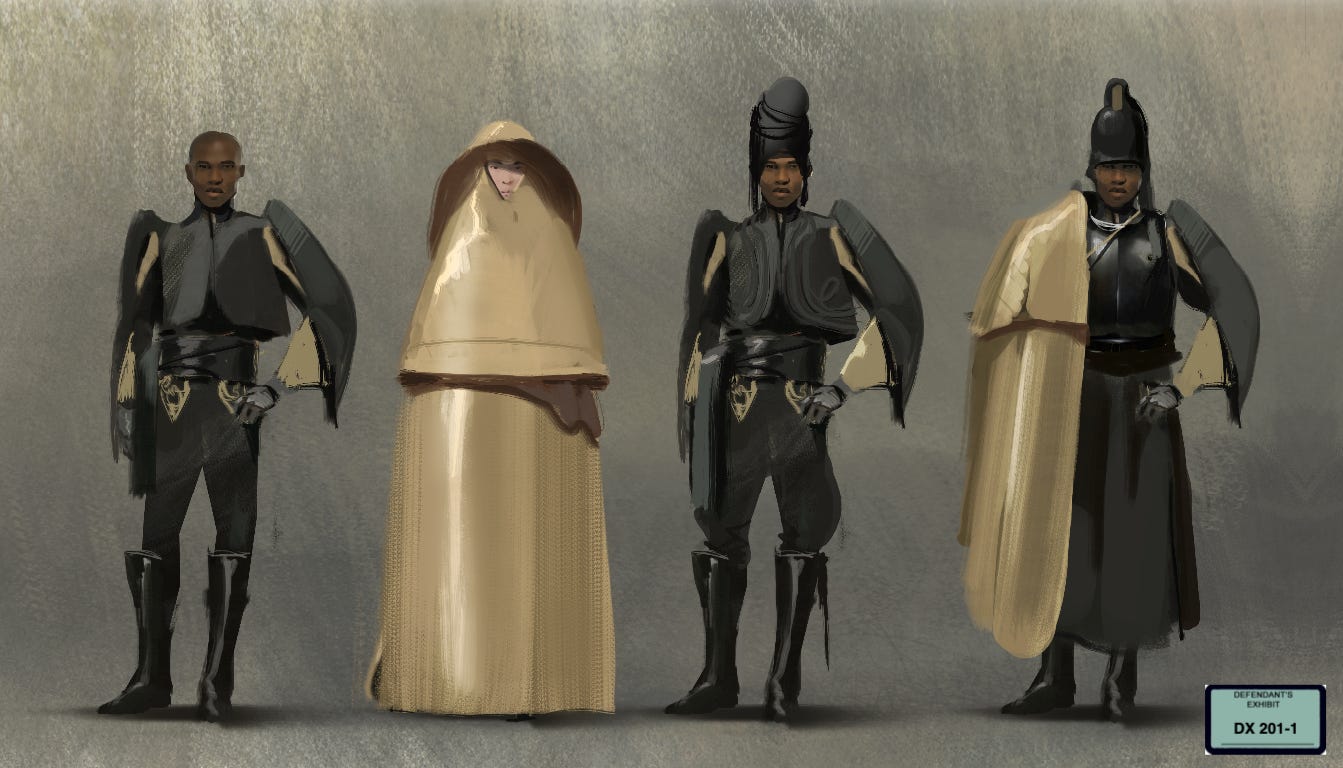
The artwork featured architectural and costume designs, which Rinsch said would go toward a potential second season.
Much of the concept art depicted scenes in a castle. Trial records showed that Rinsch booked Palais Liechtenstein, a castle in Vienna. Rinsch testified he wanted to film additional scenes there, but he believed Netflix decided to scrap “White Horse” altogether before that could happen.
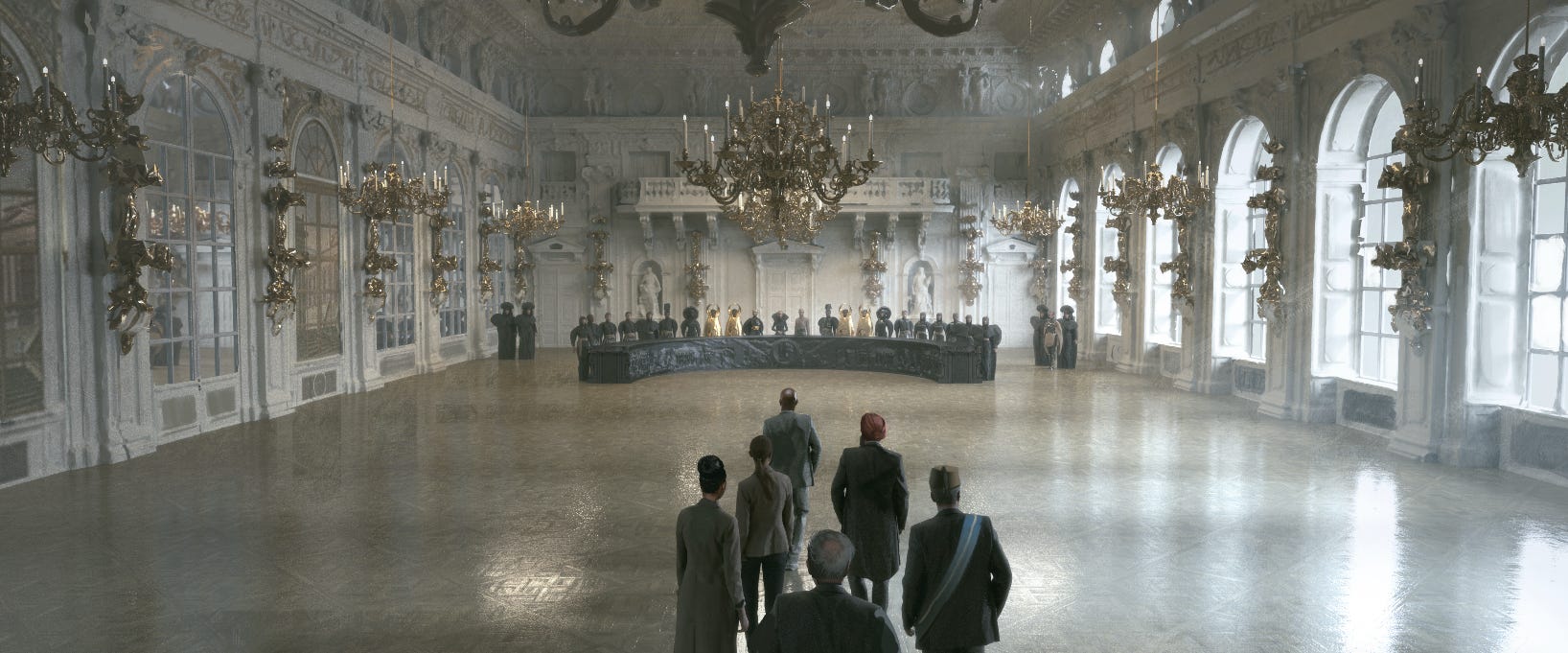
According to one draft of Rinsch’s screenplay, two twin-like “Organic Intelligence” beings would rule over their society and then betray each other in a Shakespearean fashion, legal records show.
The concept images for the unfinished scenes, entered into evidence in Rinsch’s criminal trial, depict an apparent murder, with one of the beings lying on the floor in a pool of golden blood. The scene is not included in Rinsch’s preliminary episodes.
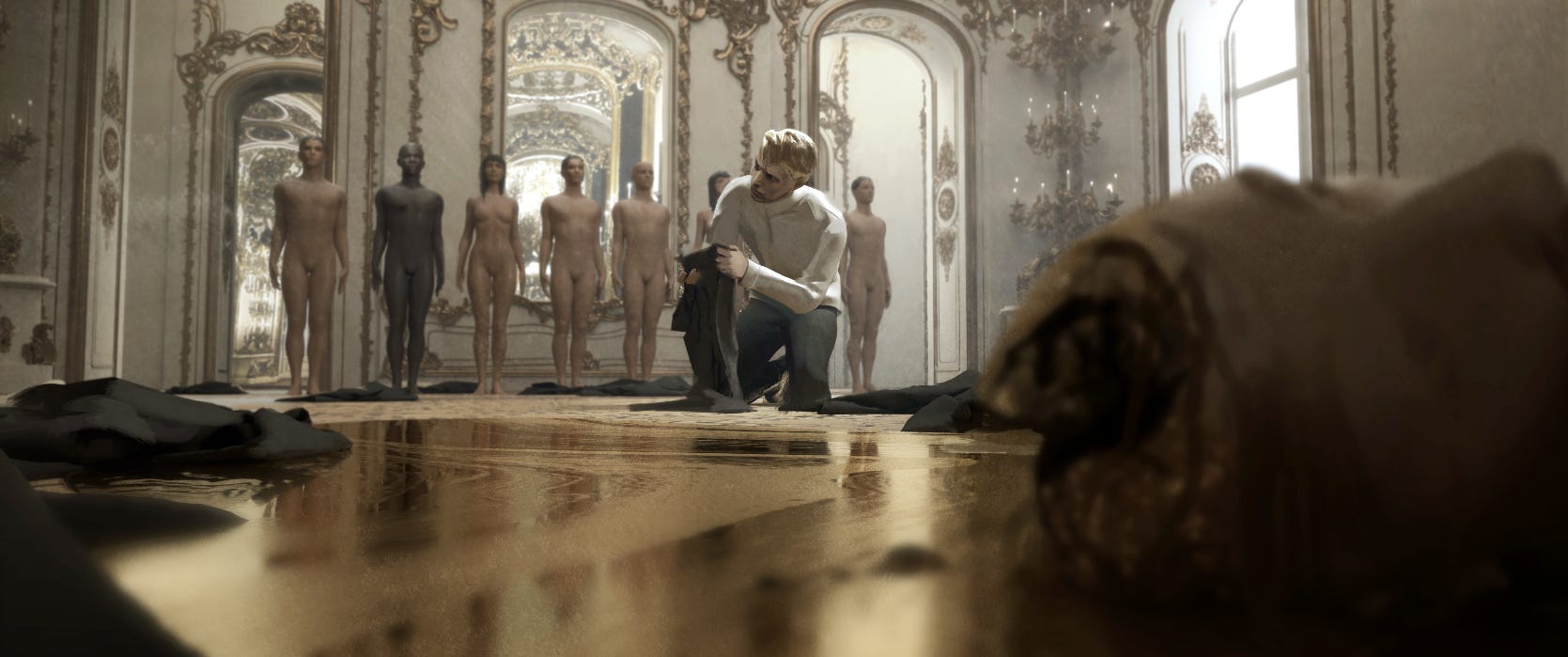
Prosecutors said Rinsch’s concept art was a fig leaf. Pointing to an agreement between him and Netflix, they said Rinsch was supposed to spend the entire $11 million infusion on finishing the first season — not just a small fraction of the sum for concept art. One prosecutor described the funds Rinsch paid to book the castle as “a $30,000 down payment on an $11 million fraud.”
One of the prosecution’s arguments centered on Rinsch’s purchase of multiple Rolls-Royces.
Rinsch testified that the cars would be used for what he called the “Calvacade” — a procession of cars that shuttled diplomats through the “no man’s land” between the “Organic Intelligence” beings’ independent cities and the human world.
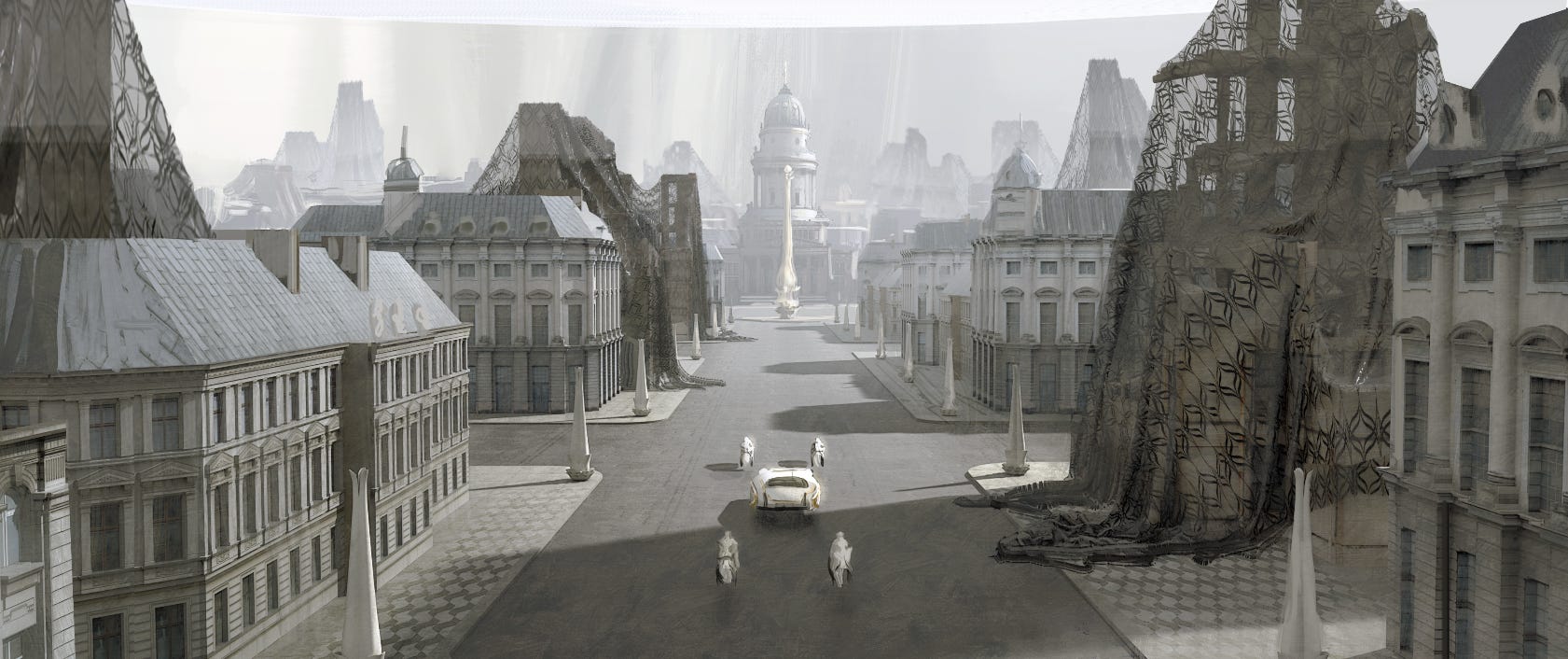
In closing arguments, Assistant US Attorney David Markewitz turned the concept art against Rinsch.
He pointed the jury to planning documents that showed he had planned to shoot the “Calvacade” scenes in Brazil in 2019 — two years before he purchased the Rolls-Royces under his own name. On insurance records, Rinsch had said the cars were for himself, not for a Netflix production.
“At an even more basic level, you know it would make no sense to actually buy five Rolls-Royces just to shoot a few scenes with them,” Markewitz told the jury.”
Shortly before a sober-faced jury walked out of the deliberation room and announced they found him guilty of all counts, Rinsch said he was happy a journalist at Business Insider had watched the six preliminary episodes and understood his vision.
“I’m glad you watched it,” he told Business Insider. “It means a lot to me.”
Read the original article on Business Insider
The post Netflix paid $55 million for a ‘visionary’ sci-fi epic that was never finished. We saw a glimpse of it at the director’s criminal trial. appeared first on Business Insider.