Barbie is not who we think she is.
For nearly seven decades, Mattel has sold Barbie as a true original: a revolutionary and empowering alternative to the baby dolls before her. In her new book, “Barbieland: The Unauthorized History” (Atria/One Signal Publishers), Tarpley Hitt provides a surprising counternarrative.
Barbie, per Hitt’s lens, was not a groundbreaking novelty. Rather, she is a cheap “knockoff” elevated by strategic marketing, exploitation, bullying, backstabbing and espionage.
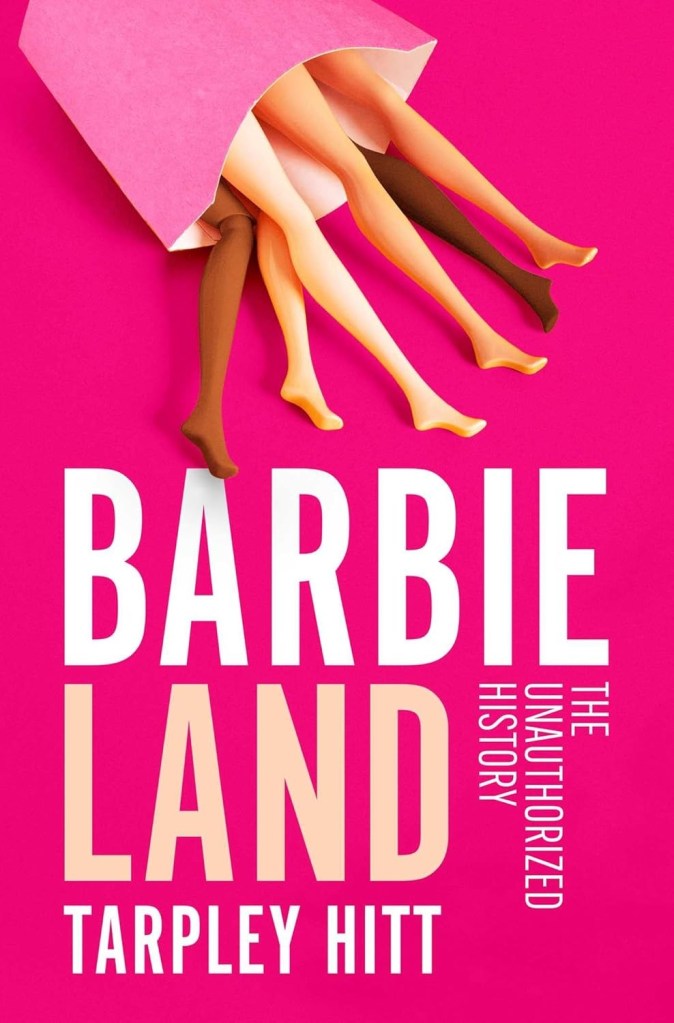
“Mattel had spent years obscuring Barbie’s backstory,” the author writes. (A Mattel spokesperson told The Post that the company is “aware of the book.”)
The prevailing Barbie myth has long been that, in 1959, a businesswoman named Ruth Handler (who founded toy company Mattel with her husband, Elliot) introduced an 11.5-inch plastic doll to the market — and changed girlhood, the toy industry and pop culture forever.
This doll boasted big breasts, long legs and a killer wardrobe. She wasn’t a baby like the playthings that came before her; she was a fashion model with clothes that mimicked the latest couture collections. Ruth called her Barbie after her own daughter, Barbara.
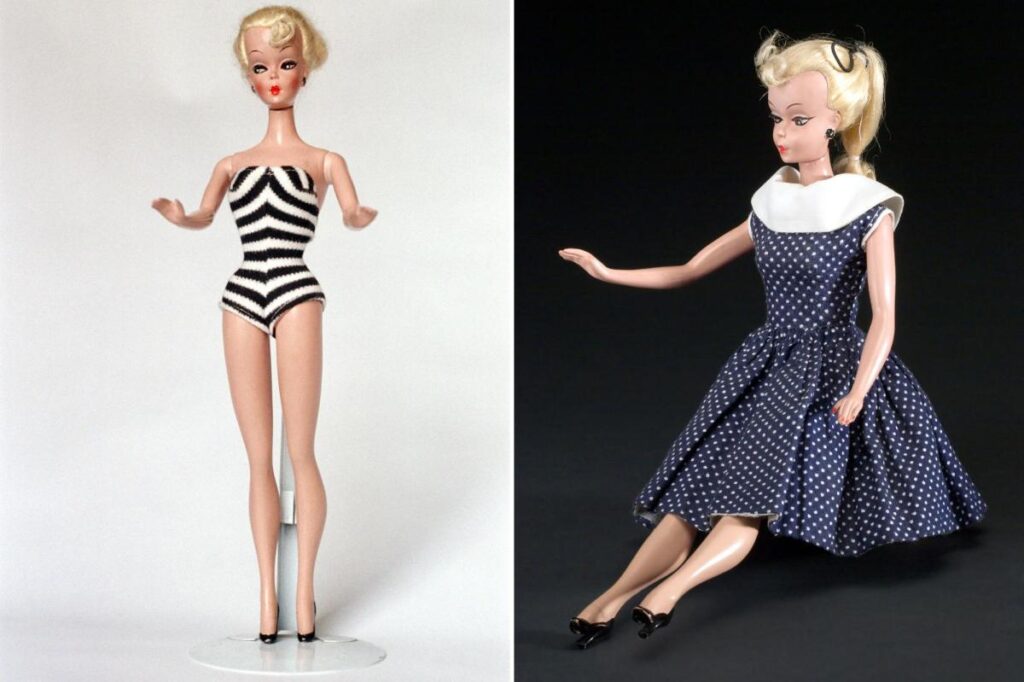
In reality, Barbie was not the first adult doll. There were others, Hitt notes. And one, the German dolly Bild Lilli, had a much bigger influence on Barbie’s creation than Ruth would ever admit.
Lilli started life as a ribald comic strip in the German tabloid Bild — a blonde bimbo whose adventures in gold-digging often ended in wardrobe malfunctions. She became a doll in 1955, sold in tobacco stands and toy stores throughout Europe. In 1958, she starred in her own live-action movie — 65 years before actress/producer Margot Robbie and director Greta Gerwig brought “Barbie” to the silver screen.
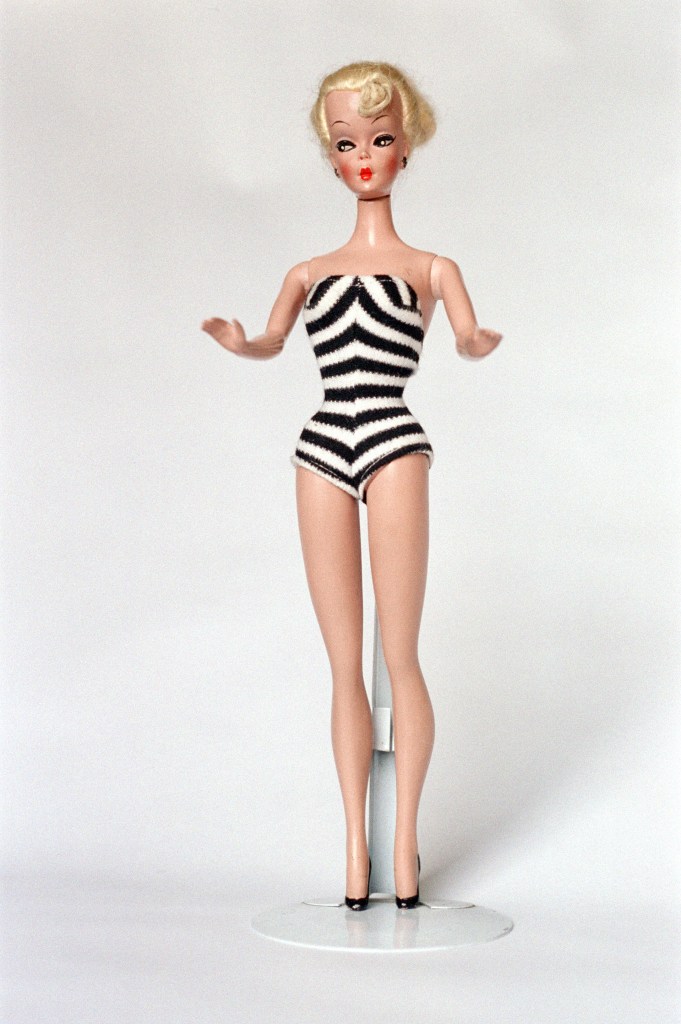
Decades after her Barbie’s debut, Ruth admitted she saw Lilli in Switzerland in 1956, but insisted she had the idea for a grown-up doll years before.
When Mattel engineer Jack Ryan — a former missile designer and “sexual libertine” who would later patent Barbie’s hips — went to check out some factories for Japan, Ruth allegedly stuck a Lilli doll into his briefcase. “See if you can get this copied,” she told him, according to the book.
By the time the German company got its American Lilli patent approved in 1960, Mattel had already sold “nearly $1.5 million worth” of Barbie, Hitt writes.
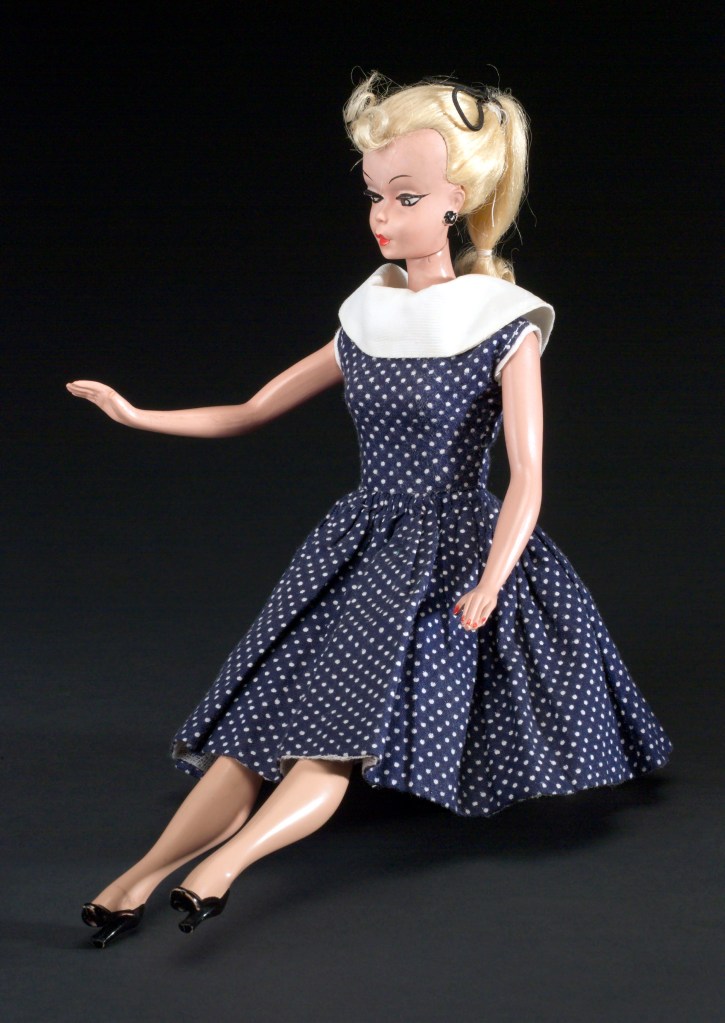
Eventually, Mattel bought the worldwide rights to the Lilli doll — and buried her. “Investigations into Lilli had a habit of disappearing from the public record,” Hitt claims.
It wasn’t just Barbie’s origin story that Mattel tried to control. When the company commissioned an “Art of Barbie” coffee table book in 1994, it nixed photographer Nancy Burson’s contribution: an “aged” Barbie with crow’s feet. When Sharon Stone pitched a “Barbie” movie to Mattel in the 1990s, the actress said she was given “a lecture and an escort to the door,” according to Hitt.
“For Mattel to tolerate a reproduction of Barbie it had to be, as [one publisher] put it, ‘as identical to the doll as possible’” she writes. “… Perfect, not only in its aesthetic faithfulness to the doll itself, but existentially: Barbie could not be flawed.”
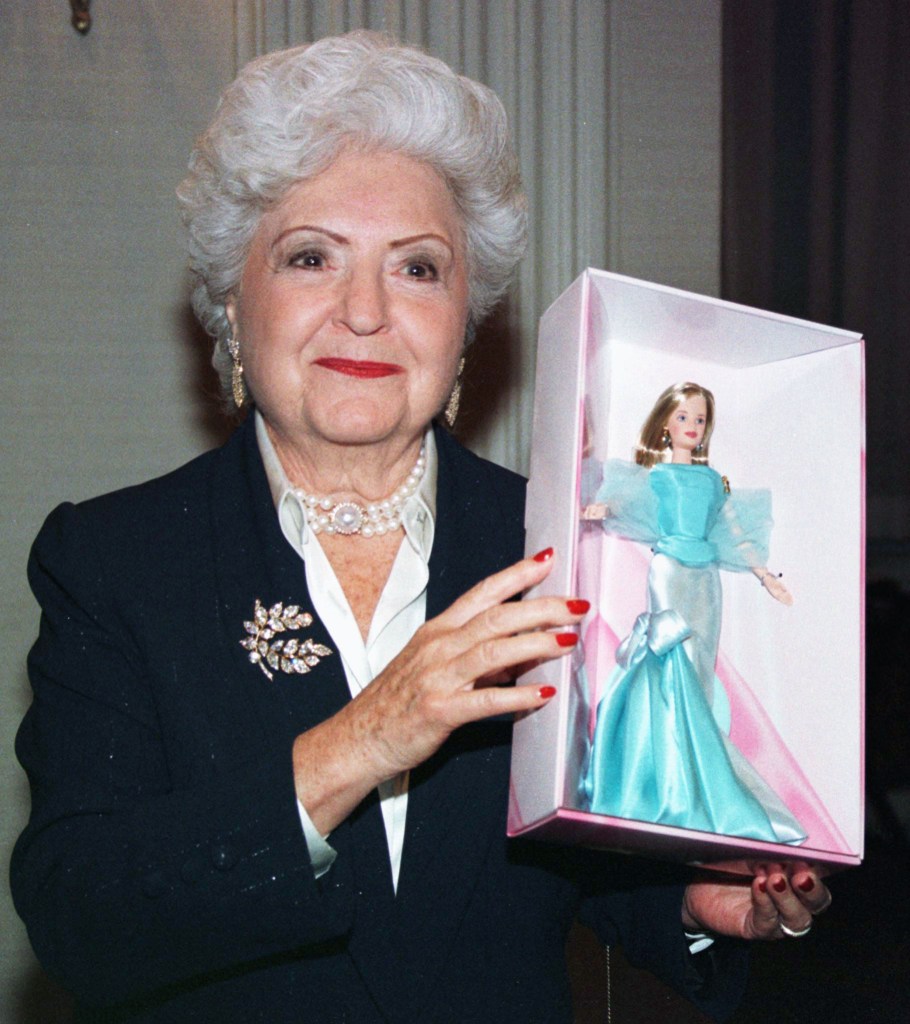
As the 1990s wore on, Mattel ramped up its petty lawsuits.
When the company sued the Europop band Aqua for its 1997 song “Barbie Girl,” the exacerbated judge — who ruled in favor of the song — advised the toy company “to chill.”
“Barbieland’s” last third details Mattel’s decade-long battle against Bratz, MGA’s popular line of teen fashion dolls that debuted in 2001 — claiming that a Barbie designer had come up with the idea at Mattel. MGA then alleged that Mattel had spied on employees and maintained a “long-running corporate espionage operation” to steal trade secrets. One of these spies took the stand, recalling using fake names and business cards to sneak into competitors’ showrooms and reporting his findings back to Mattel. The jury, on appeal, found that Mattel had actually stolen from MGA, and Mattel was ordered to pay its rival $85 million in damages. (A later court struck down the award on “a procedural issue,” per Hitt, and in the end Mattel only had to cover MGA’s legal fees.)
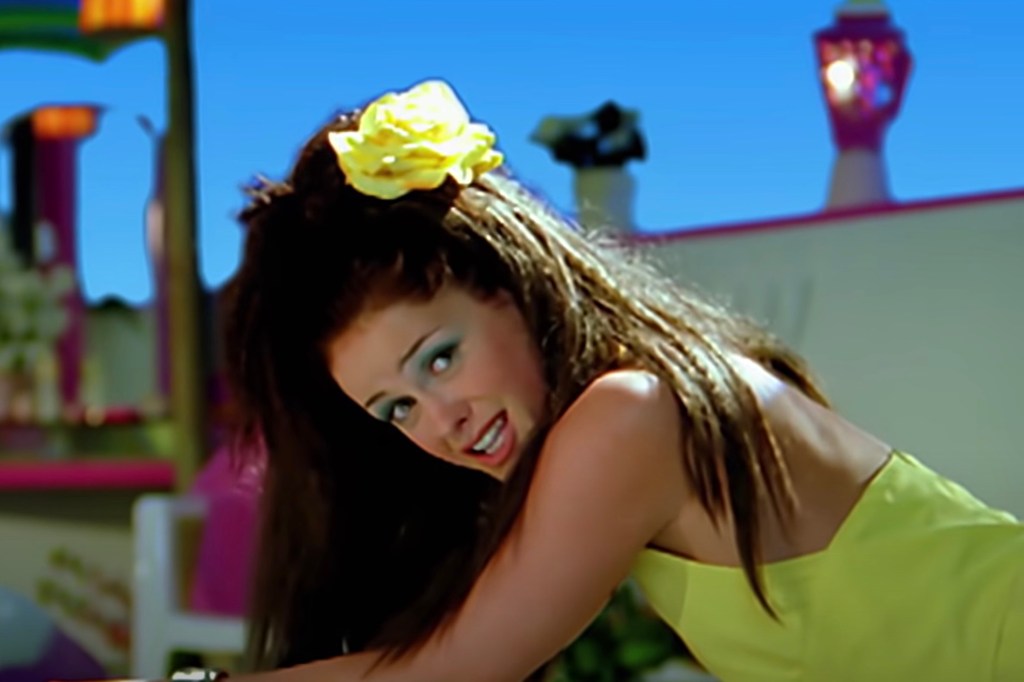
It’s astonishing that Mattel allowed Gerwig to make a movie that somewhat skewers the doll’s image. In the 2023 “Barbie” film, the titular doll, played by the lissome Robbie, goes into an existential spiral after she spots cellulite on her leg.
But, according Hitt, by 2018, Mattel was in bad shape, and it needed to shed its uptight image and make money. Its new CEO claimed he wanted to turn Mattel into an IP-driven company. “He understood that the screen was the medium on which Barbie’s future would be made,” she writes.
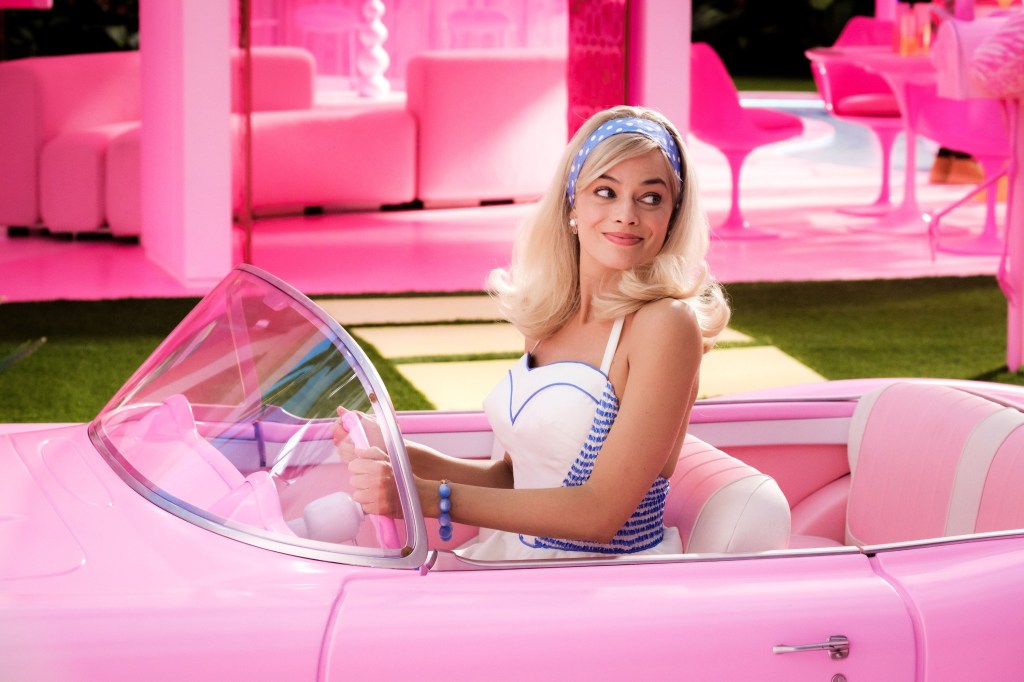
The movie, in its own cheeky way, ultimately upholds the Barbie mythology: the idea that this doll changed the way that girls saw themselves, not as future moms but future designers, adventurers, businesswomen, even presidents.
Barbie “had become not just a child’s accessory but a symbol, as synonymous with American consumerism as the Golden Arches and French fries,” Hitt writes. “She was ‘forever,’ like diamonds or microplastics.”
The post Barbie’s shocking, scandalous past revealed in new book appeared first on New York Post.