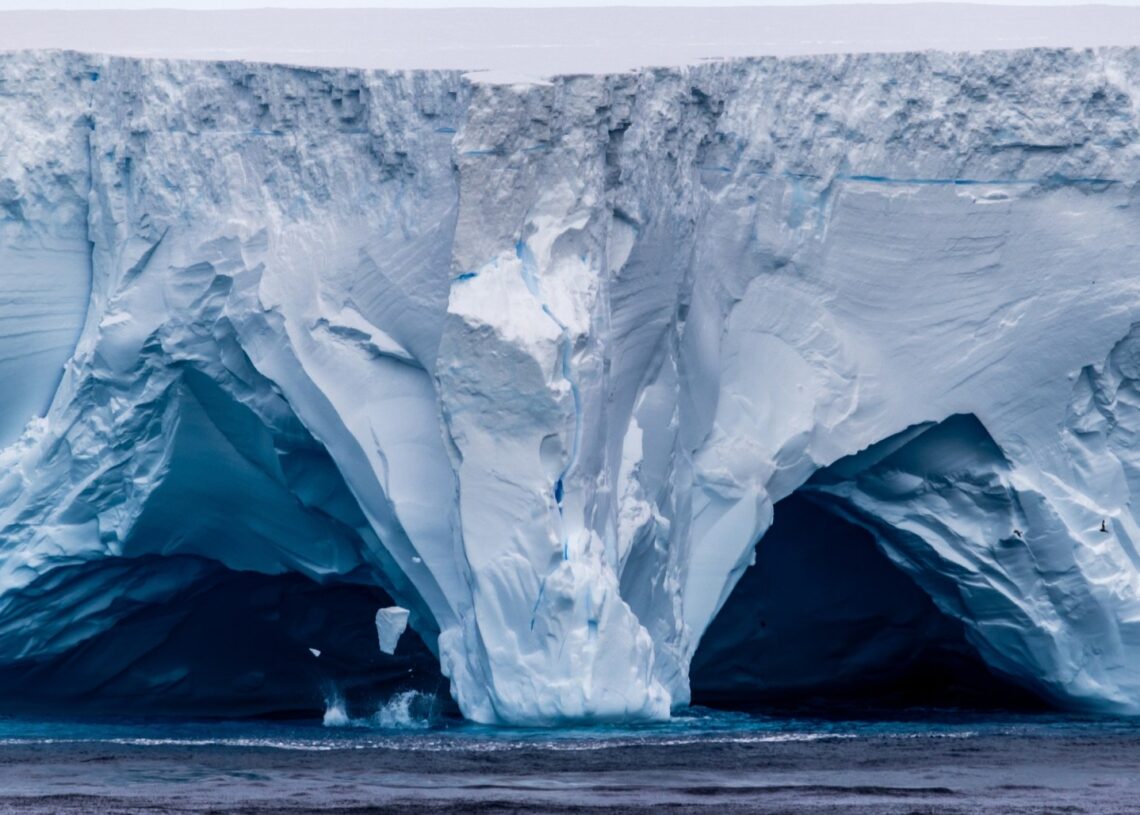
In 2020, Australia’s national science agency, CSIRO, tossed an Argo float into the waters off East Antarctica, hoping for routine ocean data. It wound up disappearing for nine months, all the while drifting southward, slipping under the Denman Ice Shelf.
It was eventually recovered, but the data retrieved from it is a bit worrying.
Scientists assumed the little robot explorer was dead. Instead, as described in a news release, it resurfaced looking as battered and beaten as a runaway Arctic robot would after such an adventure.
Good thing it did, otherwise we wouldn’t have collected the kinds of data that no human has ever collected before, since the float had taken an accidental trip into one of the most inaccessible places on earth.
Robot Survives Journey to a Part of the Planet Humans Have Never Reached
Detailing the little float’s adventure in an essay in The Conversation, what it brought back were detailed temperature and salinity measurements from beneath the Denman and Shackleton ice shelves. These shelves act as giant crash pads that keep Antarctica’s glaciers from sliding into the ocean at full speed. But warming seawater is chewing at them from below, thinning their foundations and nudging global sea levels upward.
Because these shelves are hundreds to thousands of feet thick, scientists usually have to guess what’s happening underneath. This little runaway robot float gave researchers access that they never had before. For eight months, every five days, it collected readings of the space between the seafloor and the underside of the ice, totaling 195 profiles, many from places no instrument had ever reached.
The thick ice sheet above his head blocked out GPS signals, so the float had to rely on a tried-and-true method to track its path: bonking its head on the ice sheet. Each bonk revealed the depth of the ice above, and by comparing those depths to satellite data, researchers were able to reconstruct its route.
Its findings aren’t dire, but they paint a worrying picture of ice-sheet health, which in turn paints a worrying picture of the future of coastal cities around the world. Shackleton’s ice shelf seems to be holding off warm water, but the Denman Glacier is showing signs of melting.
Now scientists want to deploy more of these robotic adventurers, even though navigating under an ice shelf is basically impossible. It mainly relies on luck, as this little explorer just demonstrated. Still, any data is better than none, and with Antarctica changing rapidly due to accelerating climate change, these little floaties may help us make better predictions about rising sea levels.
The post This Underwater Robot Survived a Voyage to a ‘Never-Accessed’ Region of the Planet appeared first on VICE.