
Corporate AI investment reached $252.3 billion in 2024, per Stanford research, but that spending won’t deliver returns if workers reject the technology.
“When organizations don’t set people up to use AI reliably, employees won’t trust it and won’t adopt it,” says Ted F. Tschang, an associate professor of strategic management at Singapore Management University.
It is the AI paradox facing companies today: as corporate leaders invest billions in AI, many frontline workers remain deeply skeptical for many reasons.
A Pew Research Center survey published earlier this year found that nearly a third believe it will lead to fewer job opportunities for them in the long run. Meanwhile, a survey by the University of Melbourne and KPMG of over 48,000 people across 47 countries found that only 46% of respondents are willing to trust AI systems.
Bridging this gap — getting workers to both trust and adopt AI — has become one of HR’s most urgent challenges. Becoming comfortable with AI takes time and practice, but most organizations rarely make time for this, Tschang says.
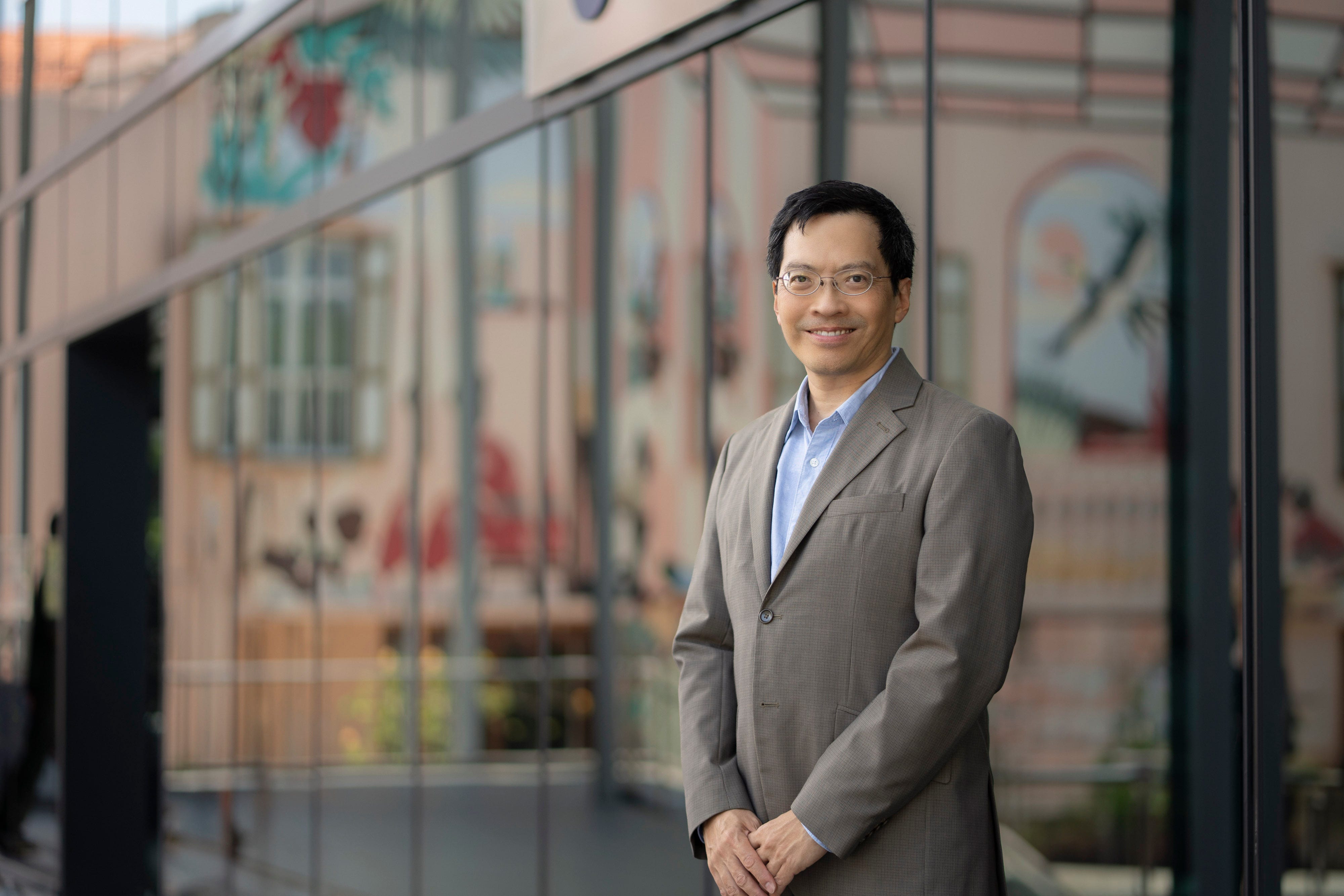
“That’s why HR leaders need to create space for safe learning and experimentation with AI’s uses and limits, starting with their own teams,” Tschang says.
To do that effectively, HR leaders need to develop AI fluency, meaning they must understand the technology well enough to identify where it can solve real problems and guide their workforce in using it. That’s easier said than done.
‘A place of credibility’

The standard purview of HR includes both operational tasks, like recruiting, onboarding, benefits, and compliance, as well as strategic ones like developing talent and managing organizational change. Put simply, it’s not a department known for being particularly tech-savvy.
But in the dawn of the AI era, that’s changing, says Heather Conklin, CEO of Torch, a corporate coaching firm that helps companies navigate change, including AI adoption. “It’s forcing HR people to reinvent themselves,” she says. “And the ones I see succeeding are the ones who are going first.”
These teams are treating their own departments as testing grounds, experimenting with different tools and learning what works and what doesn’t, says Conklin. “They’re getting hands-on with AI themselves, even if they’re not technical,” she adds. “They can’t drive it across the company if they haven’t lived it. They need to drive it from a place of credibility.”
That credibility becomes currency when employees are wary. The CHROs winning people over are leading with problems worth solving, says Dexter Bachelder, CEO of Propel People, an AI recruiting platform for the construction industry.

“It’s not about HR promoting AI. It’s about the questions on employees’ minds: How can AI do some of my paperwork so that I can leave work earlier and get home to my family faster? How can I automate some of the manual tasks of my job that aren’t fun? How can I make this process better or faster?” Bachelder says.
In other words, when workers see how AI makes their daily work easier, they’re more likely to use it. “If you solve the employee’s problems, you’re using the technology for a purpose,” he says. “
Nothing drives trust and adoption faster than having a coworker explain it. When a foreman explains to another foreman how they use a certain tool in the field —’This is how it works on our project, this is how it could work on yours’ — that goes a long way,” he says. “It’s not from IT or management or HR. It’s from a peer, and that’s what really drives adoption.”
‘There’s a real opportunity here’
Part of HR learning how to work with AI and earning employee confidence means understanding what’s no longer working in the organization, and what AI could do to address those gaps.
HR leaders have their own vested interest in this transformation. Many departments have long dealt with inadequate technology, and lots of the tools and processes HR has relied on for years weren’t built for this moment, Bachelder says.
“To some degree, I don’t think HR has had a lot of voice in the technology they use because a lot of tools are tied to financial systems,” he says. “There’s a real opportunity here.”
Traditional learning management systems, for instance, struggle to keep pace when skills requirements change more frequently than every few years. Yearly engagement surveys can’t capture employee sentiment quickly enough to respond to fast-moving organizational changes.
Moreover, performance review cycles designed around annual goal-setting are often disconnected from organizations where priorities change on a quarterly basis. And recruitment systems built to screen for specific technical abilities may miss candidates who have the desired problem-solving skills needed for AI-related roles.
Of course, upgrading HR systems won’t entirely solve the trust challenge. Employee fears about job security and algorithmic bias go beyond what any tool can fix. And HR leaders still need to answer employee questions about transparency, fairness, and who’s accountable for AI’s decisions.
“It’s challenging to do this right now,” Conklin of Torch says. “But if HR leaders aren’t able to figure this out, they’re going to be left behind.”
/* .insider-raw-embed + p { display: none; } */
// How AI is Changing Talent
const seriesTitle = “How AI is Changing Talent”;
// Presented by
const text = “Presented by”;
// 6667548ce07904901817825a
const sponsorLogoID = “6667548ce07904901817825a”;
// Indeed Transparent Logo
const altText = “Indeed Transparent Logo”;
//https://www.businessinsider.com/category/how-ai-is-changing-talent
const hubOrCatURL = “https://www.businessinsider.com/category/how-ai-is-changing-talent”;
document.documentElement.classList.add(“gi-sponsor-module”);
if (
document.querySelector(“.gi-sponsor-module”) &&
document.querySelector(“.post-body”) &&
!document.querySelector(“.full-bleed-hero”) &&
!document.querySelector(“.is-enhanced”)
) {
document.querySelector(“.post-hero”).insertAdjacentHTML(
“afterend”,
`
${text}
`
);
}
if (
document.querySelector(“.gi-sponsor-module”) &&
document.querySelector(“.full-bleed-hero”) &&
document.querySelector(“.is-enhanced”)
) {
document.querySelector(“.share-bar”).insertAdjacentHTML(
“beforebegin”,
`

${text}
`
);
}
if (
document.querySelector(“.gi-sponsor-module”) &&
document.querySelector(“.breadcrumbs-wrapper”)
) {
document.querySelector(
“.breadcrumbs-wrapper”
).innerHTML = ``;
}
Read the original article on Business Insider
The post Getting workers to trust and adopt AI is ‘forcing HR people to reinvent themselves’ appeared first on Business Insider.


