Viewers who have grown exhausted by TV’s endless supply of interchangeable, mediocre domestic thrillers might be tempted to skip Little Disasters. Premiering Dec. 11 on Paramount+, the miniseries doesn’t just echo Big Little Lies and Little Fires Everywhere in its title; it’s also based on a novel by Sarah Vaughan, who wrote Anatomy of a Scandal, the book Lies creator David E. Kelley adapted into a forgettable Netflix drama. Similarly to Lies, Fires, Apples Never Fall (another bestseller turned streaming hit from Lies author Liane Moriarty), The Undoing (also Kelley), and most recently All Her Fault, it mines the horrors of heterosexual marriage and particularly motherhood. Titled “The Perfect Mother,” the premiere opens with an eerily idealized family tableau, foreboding voiceover narration, and a soundtrack of ethereal female humming. Haven’t we seen—and been mildly entertained but slightly underwhelmed by—all this before?
[time-brightcove not-tgx=”true”]
Yet against all odds, Little Disasters is a pretty good show. Yes, most of its plot and themes could have been coughed up by an AI trained on the past decade’s worth of domestic thriller television. And its biggest twist seems highly unlikely. But for the most part, the six-part series’ economical storytelling, richly developed characters, and relatively understated performances prove that smart execution can refresh even the stalest subgenre.
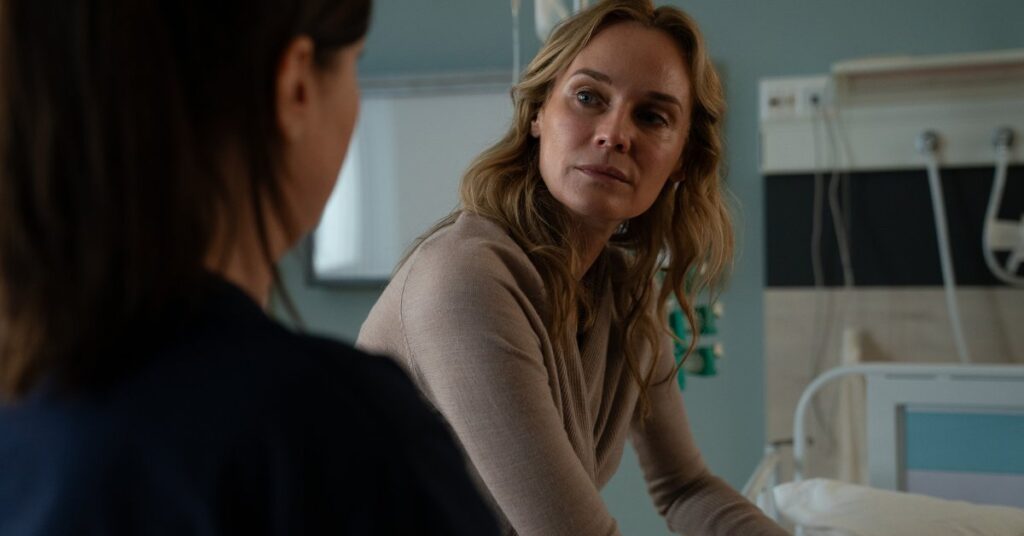
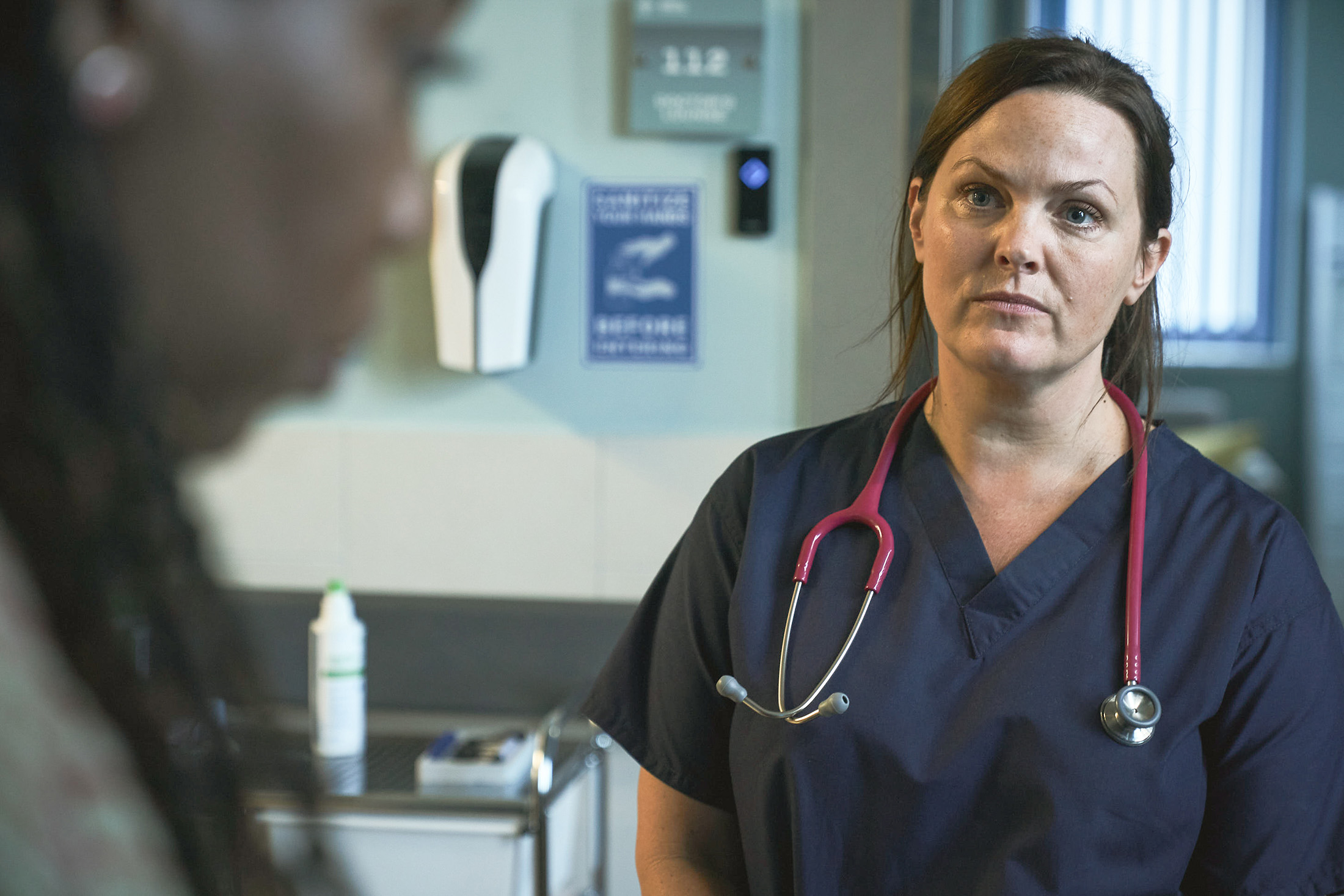
Like All Her Fault, the show almost immediately immerses us in a parental nightmare. The episode’s eponymous “perfect mother,” Jess (Diane Kruger), an American homemaker in London, rushes her wailing baby to the hospital—where, in an awkward coincidence, little Betsy is examined by Jess’ estranged friend, Liz (prolific British actor Jo Joyner), a pediatrician. While Jess seems to believe her daughter has “some sort of virus,” Liz discovers a skull fracture that suggests “significant physical force,” admits the 10-month-old to the ICU, and, as holes in Jess’ story about what happened to Betsy become impossible to ignore, makes the agonizing decision to report her old friend for possible child abuse. Whatever happened to drive a wedge between the women, Liz has always known Jess to be a loving, conscientious mother, albeit one suspicious of Western medicine who refuses to vaccinate her three kids.
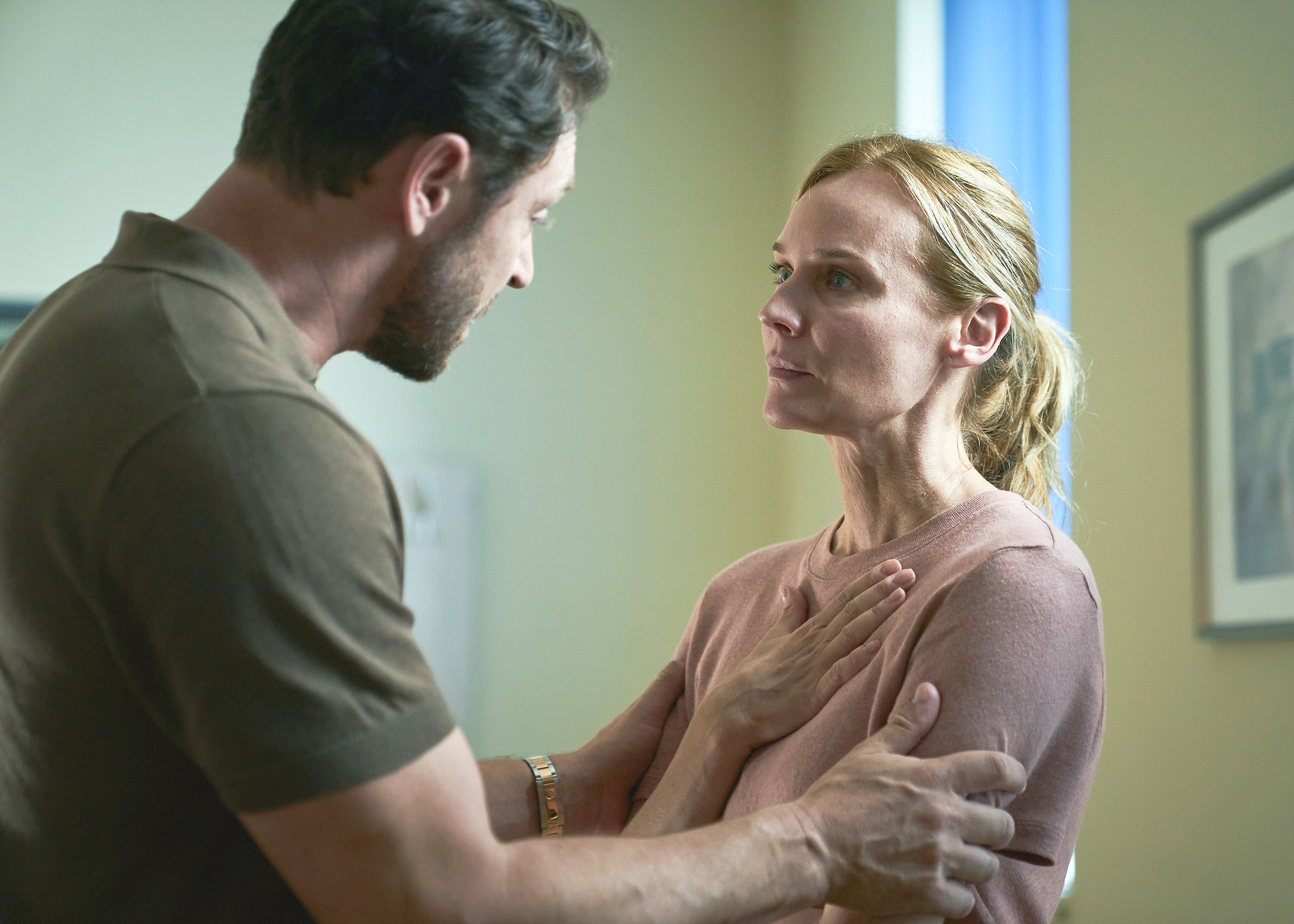
An investigation ensues. Separated from her children, Jess starts to unravel. Creator Ruth Fowler (Rules of the Game) gives us reasons to suspect one or more members of Betsy’s immediate family. Jess’ husband, Ed (JJ Feild), has a temper, and he’d been drinking the night of the baby’s injury. Their snotty eldest son, Kit (Jago Bilderbeck), seems to take after his dad. Sweet but shy and fragile, Kit’s little brother Frankie (Jax James) clings to their doting mother; friends whisper that the boy might be on the spectrum. It’s not the most original mystery, but it’s presented with more subtlety and attention to detail than we usually get from this kind of show.
More engrossing than the whodunit is the social world in which it takes place. Despite their very different opinions on the medical establishment, Liz and Jess have—well, had—been close friends for a decade, as part of a circle that formed among first-time parents at a prenatal class. Flashbacks reveal the tensions within and among these four couples. Ed’s high-paying job allows (or relegates) Jess to be a stay-at-home mum, her life devoted to (and circumscribed by) her children. A constantly worn-out breadwinner, Liz works punishing six-day stretches at the hospital and drinks to an extent that worries her kind husband, Nick (Ben Bailey Smith). Ed’s stuck-up, high-achieving college friend Charlotte (Shelley Conn), is clearly nursing a crush on him and resentment of Jess; the richest couple in the group, she and her spouse, Andrew (Patrick Baladi), are both lawyers. Mercurial Rob (Stephen Campbell Moore) and the wife he steamrolls and humiliates, Mel (Emily Taaffe), are clinging to their middle-class lifestyle as he fumes that their wealthier friends have been slow to invest in his dubious business plan.
Even though it’s two episodes shorter than All Her Fault, with brisk runtimes of around 45 minutes, Little Disasters grants its characters and their relationships more nuance. If recent domestic thrillers have exhausted the topic of the impossible expectations facing mothers, the group dynamic brings new complexity to this one. Small disparities—in class, career, fertility, parenting philosophy—between families chafe until certain marriages and friendships are rubbed raw. Rarely do these conflicts feel contrived or exaggerated. Nor does the show pander to the genre’s female target audience. In All Her Fault, just about every man was a cartoon monster and every woman was a put-upon saint. Here, while society remains sexist and some characters of each gender are more sympathetic than others, there’s a lot more gray area.
It helps that Little Disasters, like the first season of Big Little Lies (and calling back to that show in scenes where the moms tell their sides of the story directly to the camera, addressing an unseen interviewer), has the tone of a realistic drama more than a histrionic thriller. There are cliffhangers and, for Jess, moments of panicked delusion; Fowler insightfully explores the guilt she feels over her intrusive thoughts of hurting Betsy. But with the exception of a conspicuous leap in the finale, everything that transpires here seems plausible, often even relatable. In a rarity for this genre, characters’ actions tend to track with what we know about their personalities. Though the dialogue does sometimes lapse into obviousness, the cast reliably sells it. Kruger, who was so much fun as a randy noblewoman in HBO Max’s French-language Dangerous Liaisons riff The Seduction, captures Jess’ neuroses without going full antivax harpy. Ubiquitous on British TV but virtually unknown to non-BritBox-subscribers in the U.S., Joyner is equally compelling as a caring but overworked physician who fears she’s made a grave mistake.
I don’t want to get too effusive about Little Disasters, which makes effective use of a template without transcending it. But the show is convincing enough to justify the Big Little Lies comparisons it earned during its original UK run, this past spring. It’s everything All Her Fault and so many of its disappointing predecessors should have been—a domestic thriller that has more to say about motherhood than you can glean from a sarcastic title.
The post Little Disasters Is Everything All Her Fault Should Have Been appeared first on TIME.