National Geographic’s annual Pictures of the Year collection showcases stunning images of wildlife from around the world.
Out of the hundreds of thousands of images taken by its photographers in 2025, National Geographic selected 25 to be included in the feature.
“Individually, these photographs speak to beauty, fragility, and wonder,” National Geographic editor in chief Nathan Lump said in a statement. “Taken together, I see a collective sense of urgency — a call to preserve what’s in danger of being lost, as well as a reminder of the poetic beauty to be found in carrying on, in daring to dream of a better future.”
Here are seven photos from the collection, which can be viewed in its entirety on National Geographic’s website.
National Geographic’s annual Pictures of the Year issue features “the most unforgettable photos of 2025.”
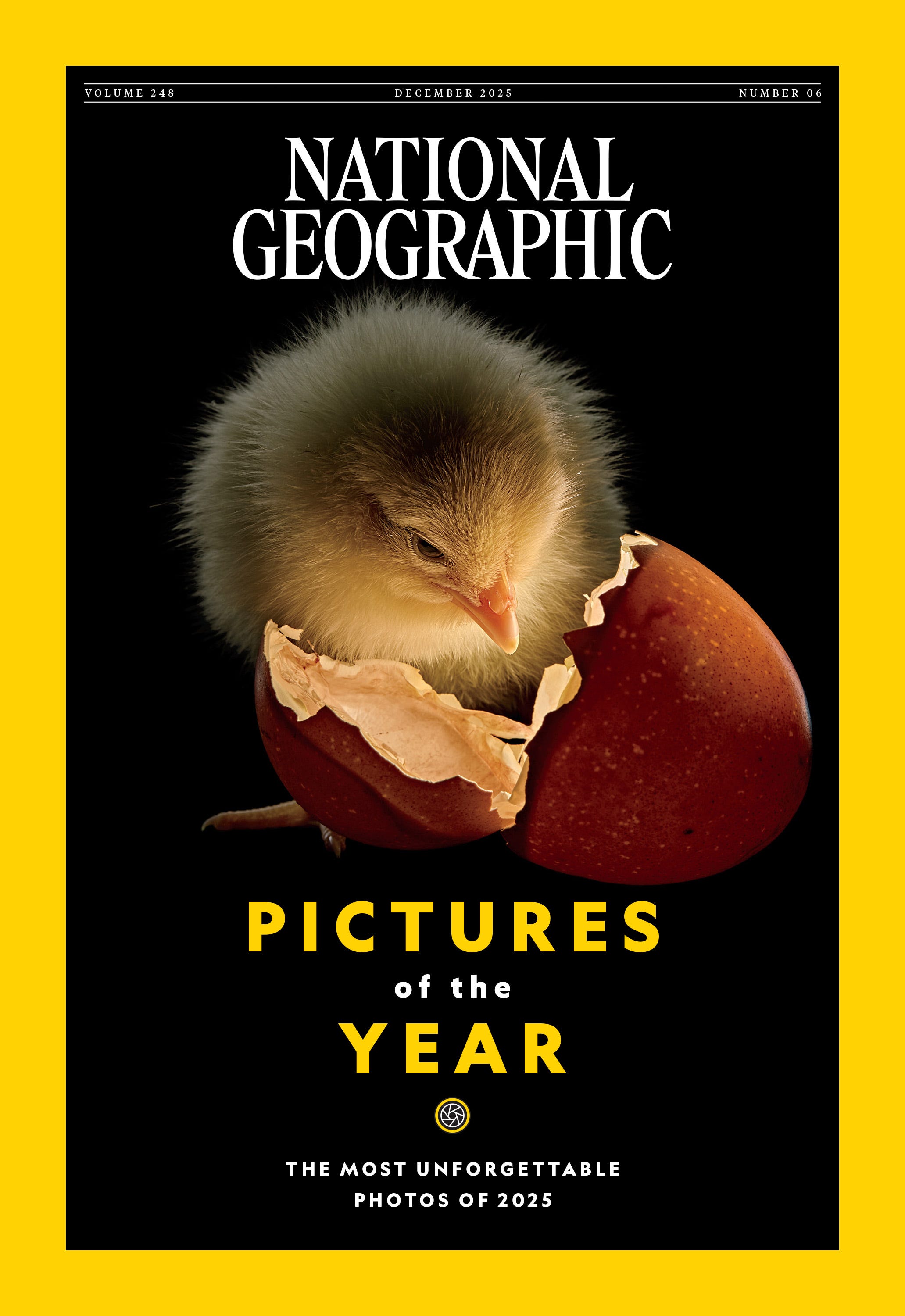
The December 2025 issue highlights striking photos that show fragile ecosystems, endangered species, and wildlife.
Roie Galitz’s photo, taken in Svalbard, Norway, shows a polar bear digging into the floating carcass of a sperm whale.
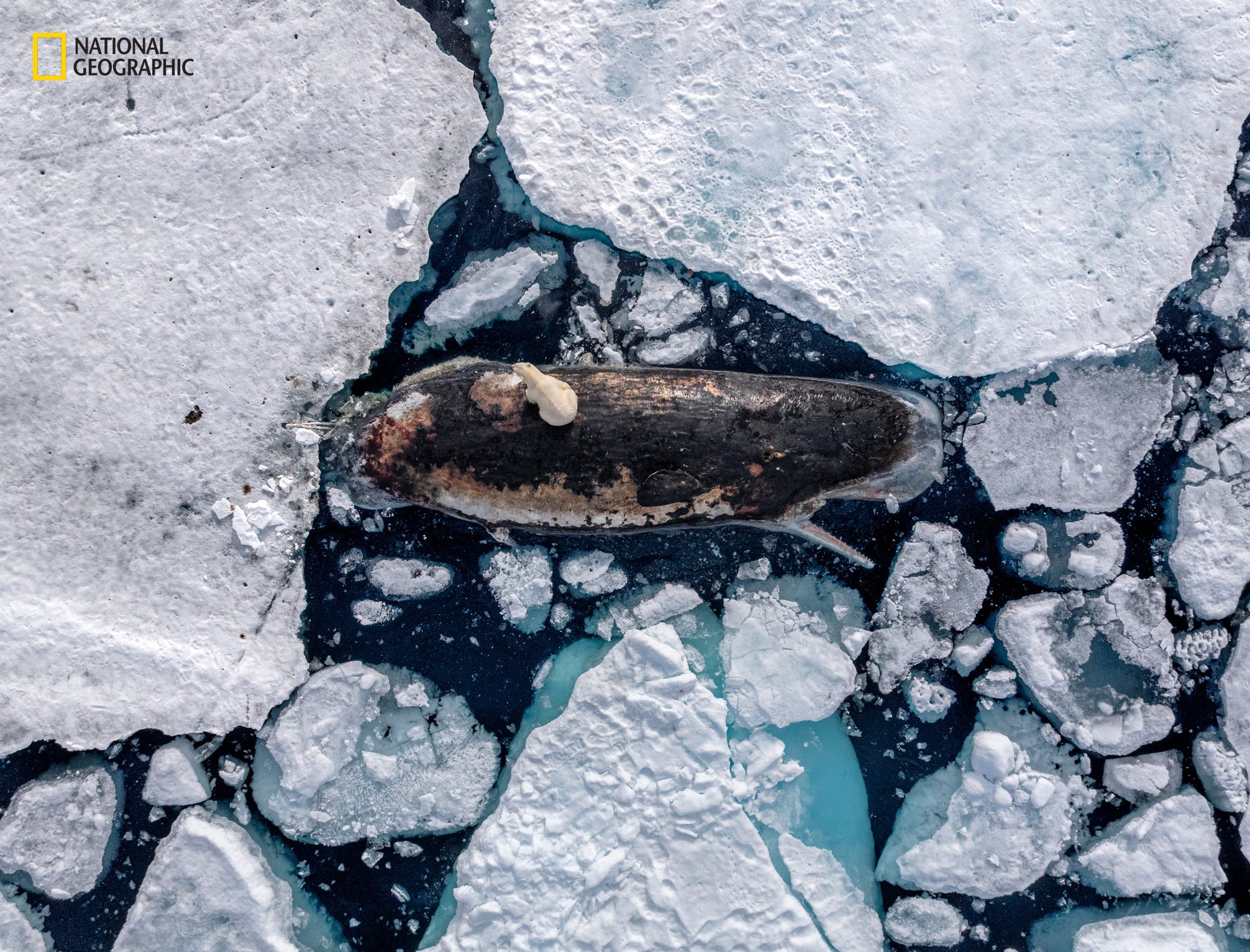
Galitz was leading a photography expedition when he came across the decomposing sperm whale, an unusual sight since the species is often found in more temperate waters. Galitz used a drone to capture the image from above.
“It’s so unpredictable and fragile,” Galitz told National Geographic of wildlife photography in the Arctic. “A scene you saw today will probably not be there tomorrow.”
Fernando Faciole photographed one of the few remaining jaguars in Rio Doce State Park in Minas Gerais, Brazil.
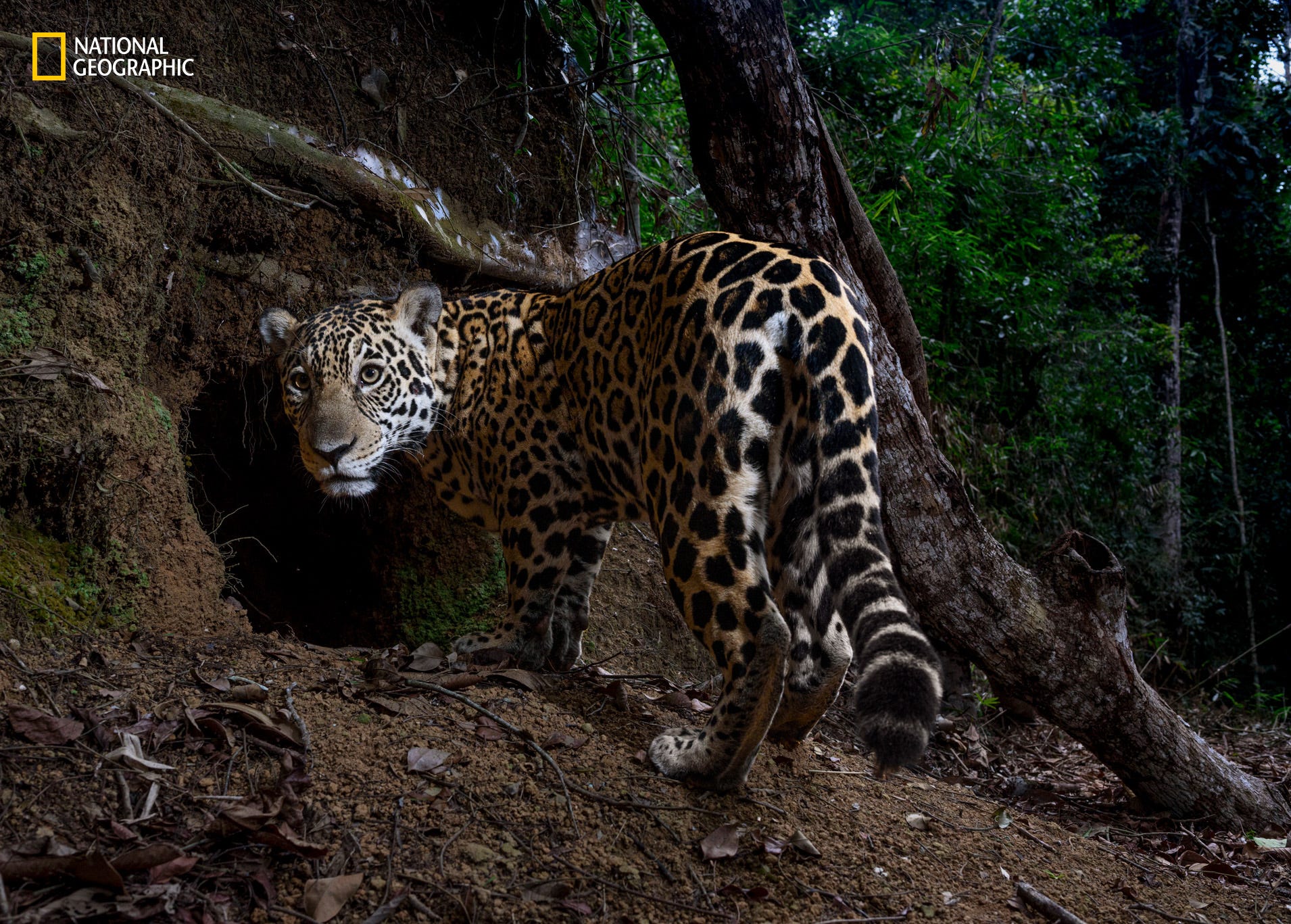
Due to deforestation, National Geographic estimates that fewer than a dozen jaguars are left in Brazil’s Rio Doce State Park.
Brian Skerry got up close and personal with a 10-foot great white shark off the coast of Maine.
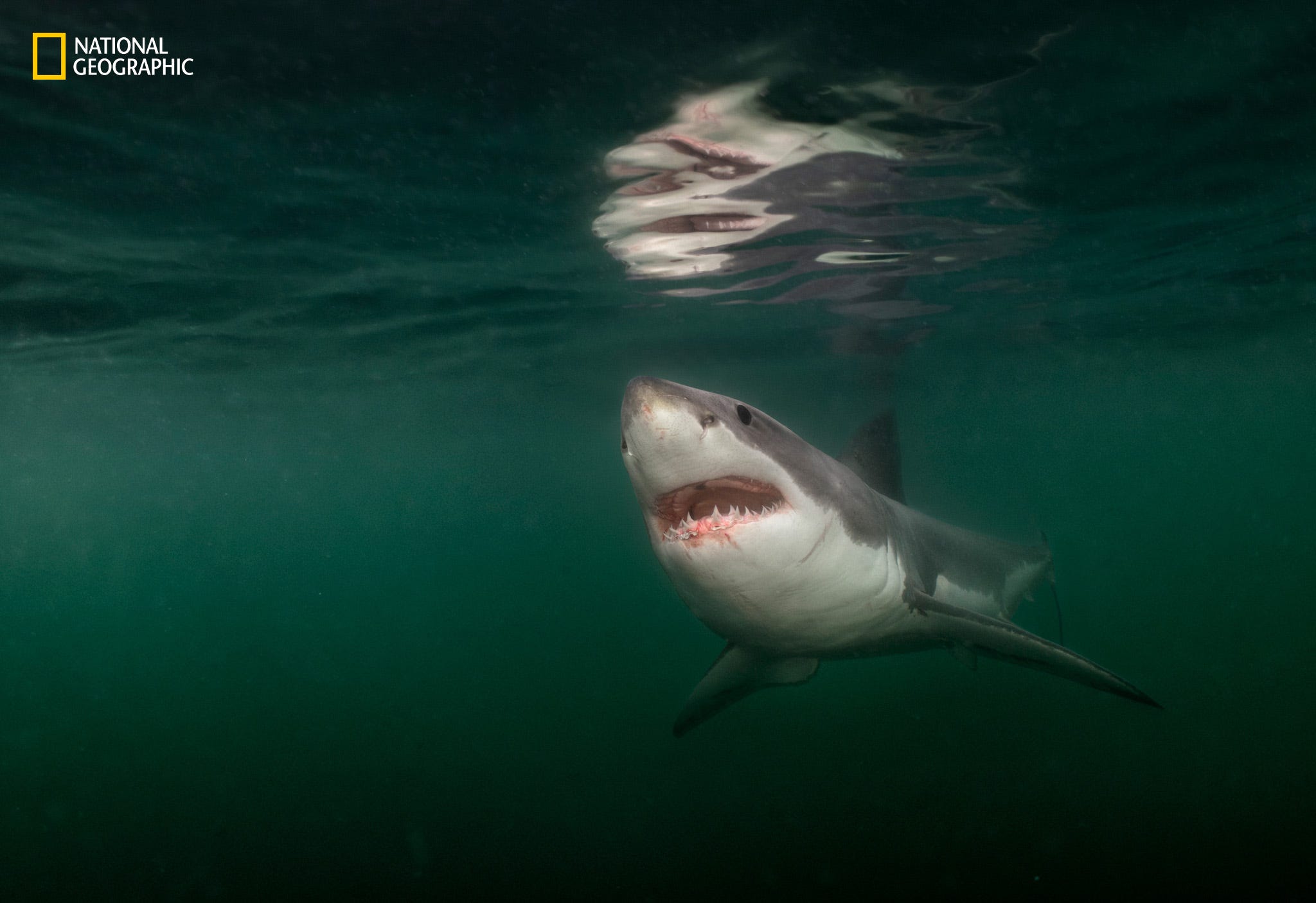
Shark sightings have increased in the area due to the growing population of seals, an outcome of the Marine Mammal Protection Act of 1972, National Geographic reported.
Karine Aigner spotted a sunflower chimney bee resting in a flower in Davis, California.
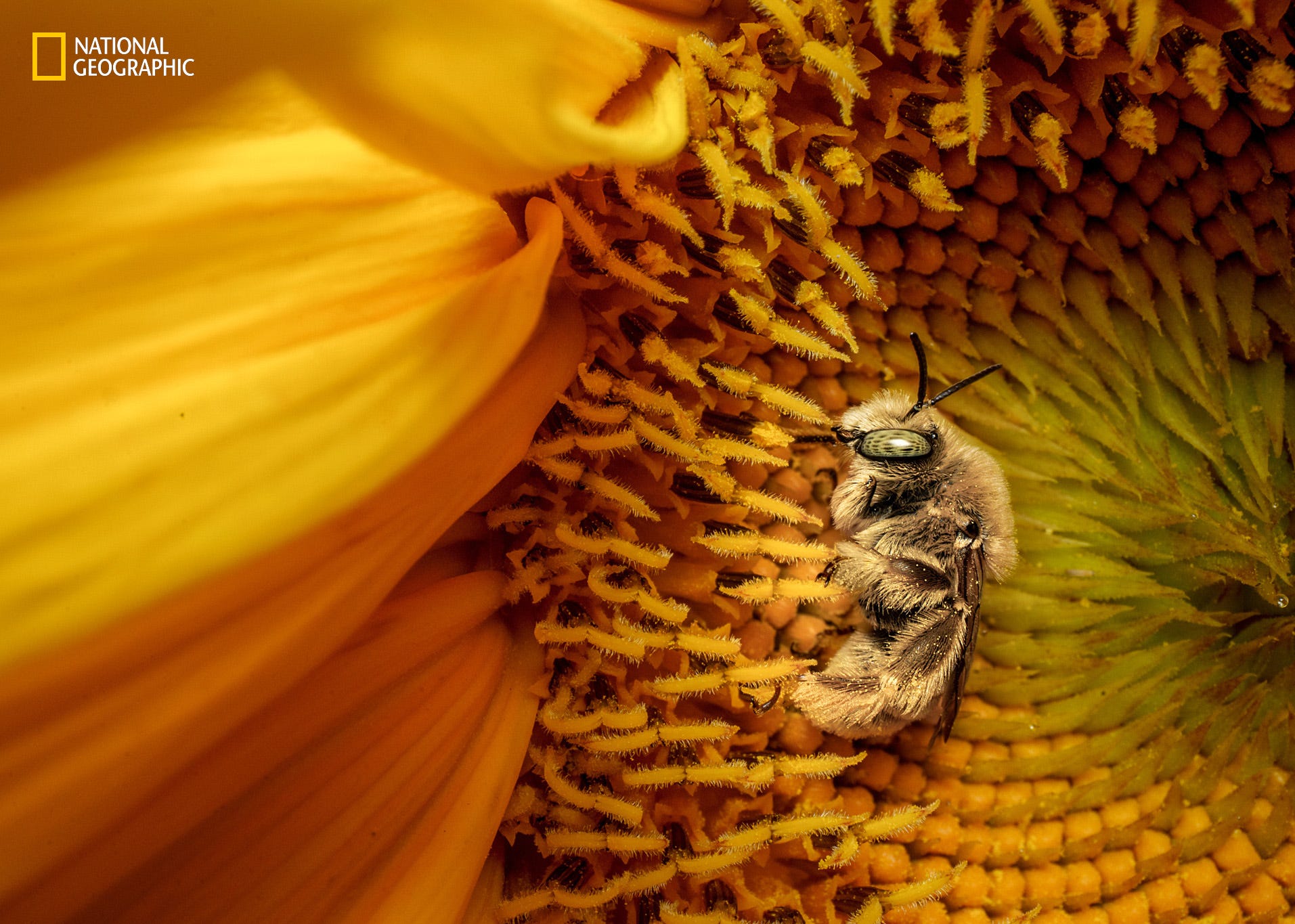
Aigner wrote on Instagram that she was “absolutely thrilled that native bees are getting the limelight they deserve” by having her photo featured in National Geographic’s Pictures of the Year.
Using a drone, Marcus Westberg captured a sweeping view of antelope migrating in South Sudan.
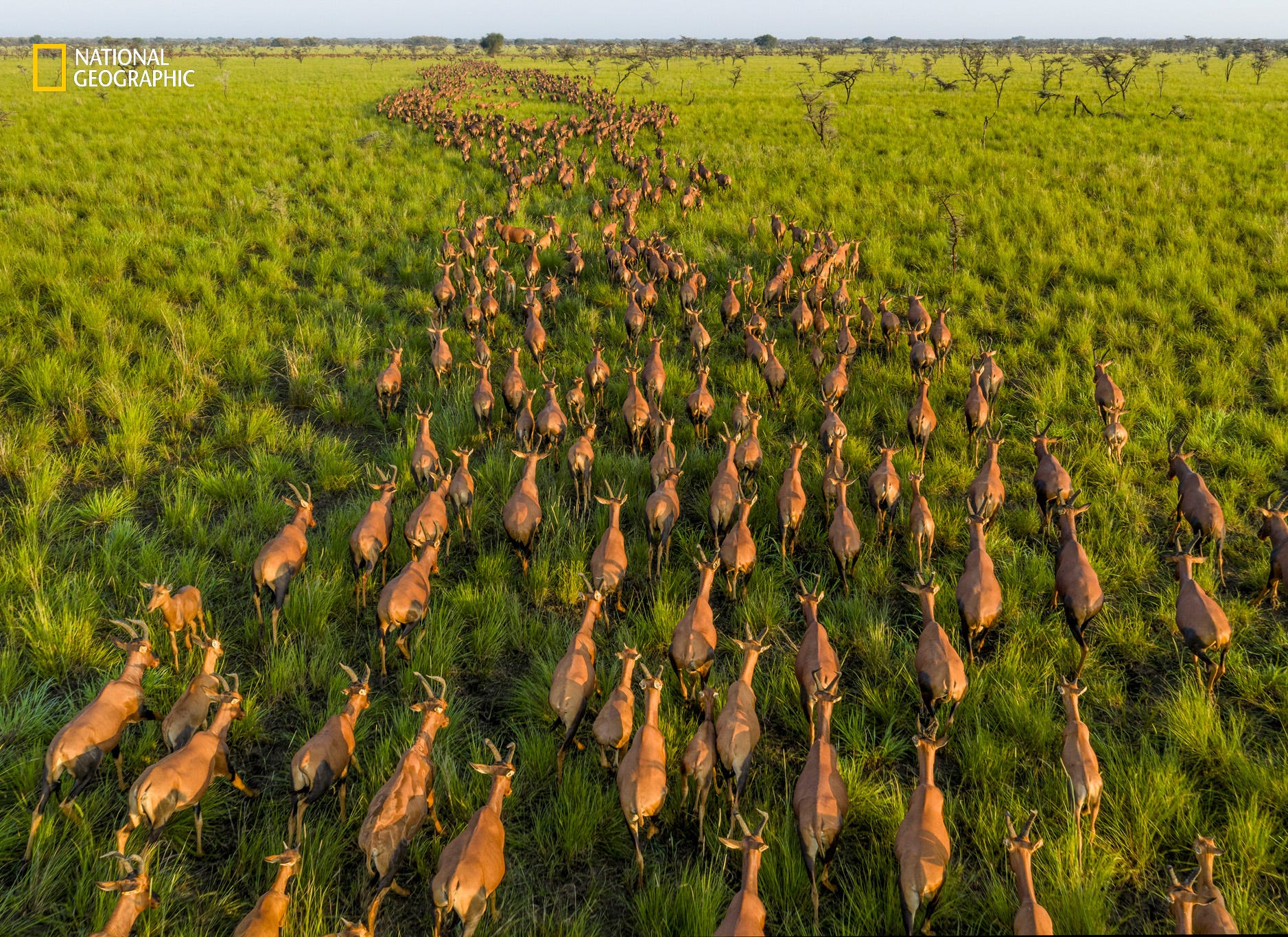
A 2024 study conducted by African Parks and the University of Juba found that around 6 million antelope migrated across South Sudan, making it the largest land migration in the world.
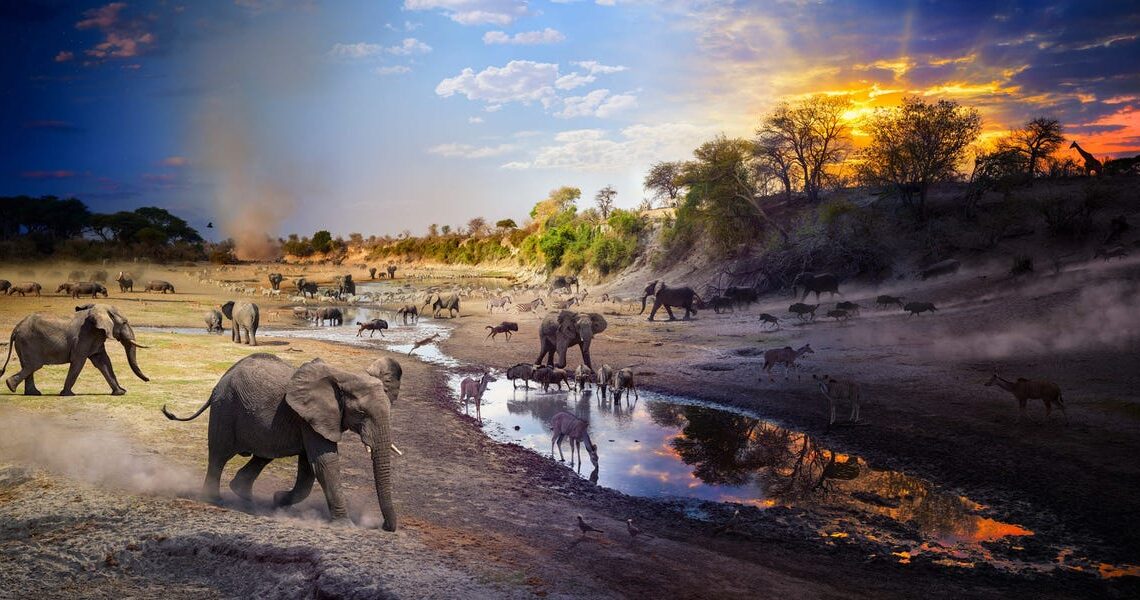
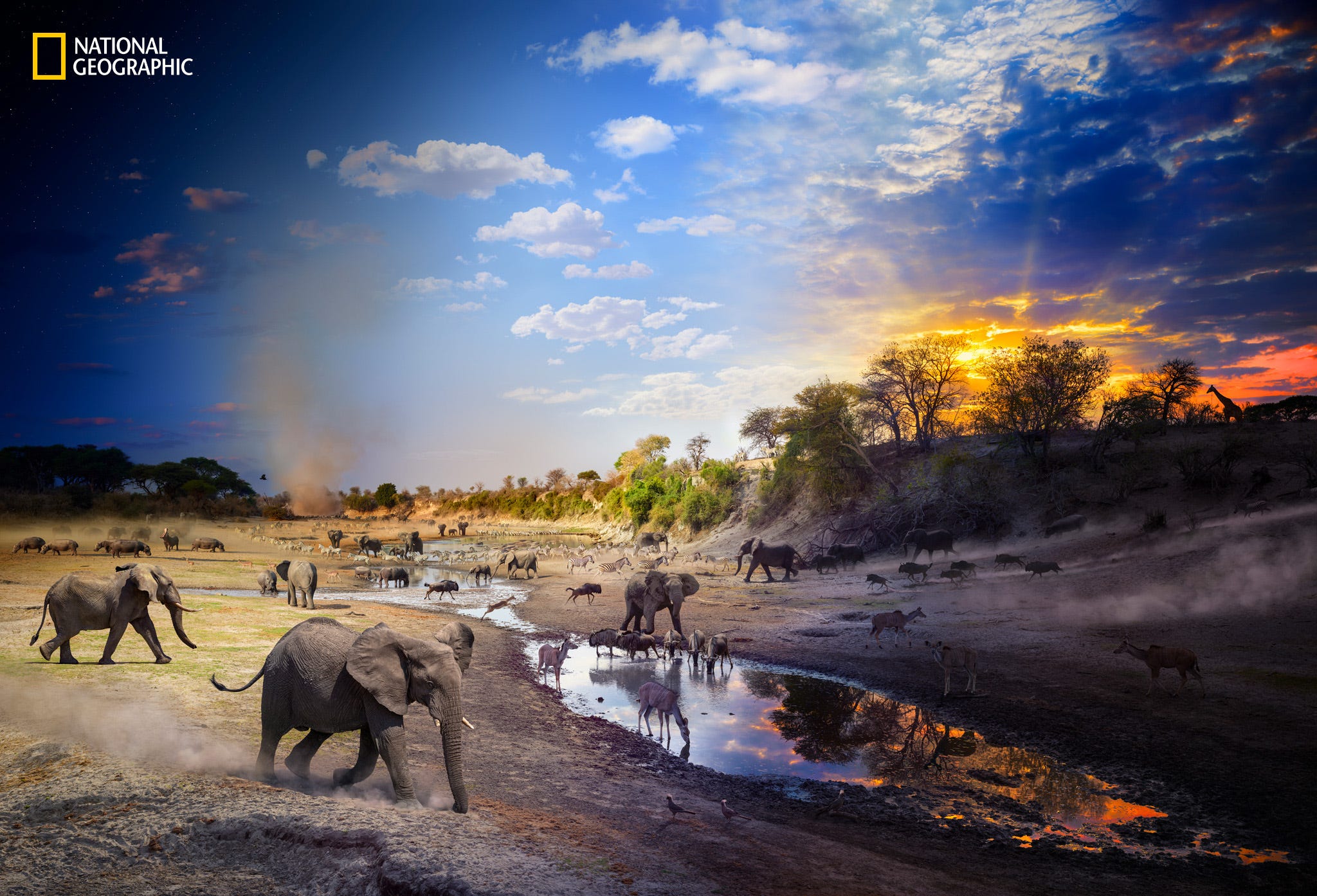
Stephen Wilkes specializes in combining hundreds of photographs taken over 18 to 36 hours into a single image, such as this layered shot of a watering hole in Botswana.
Wilkes photographed the watering hole in Okavango Delta during a drought, when the animals “were all thirsty, hot, and stressed,” he said.
Wilkes also employed his “Day to Night” technique to photograph Steller sea lions in Canada’s Malaspina Strait.
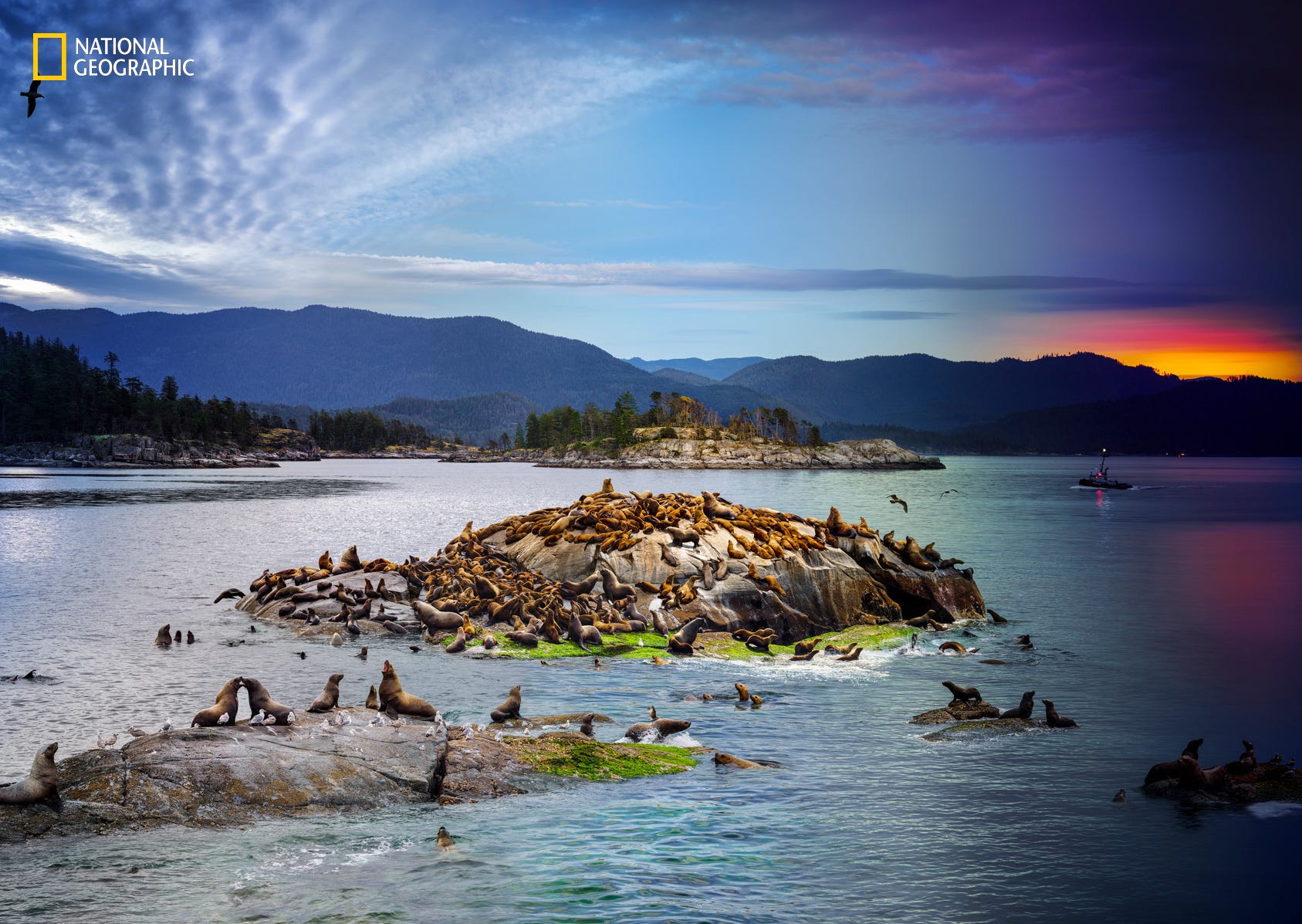
Steller sea lions are considered “near threatened” according to the International Union for Conservation of Nature status cited by the Vancouver Aquarium, but conservation efforts such as federal protections have helped their numbers grow.
Read the original article on Business Insider
The post National Geographic unveiled its Pictures of the Year. Here are 7 of the most striking wildlife photos. appeared first on Business Insider.