Legal scholars are worried that Supreme Court decisions are increasingly kneecapping Congress and may enable “aggressive efforts” by the current president and his successors.
In a New York Times opinion piece titled “Looks Like the Supreme Court Will Continue to Overturn the 20th Century,” three law professors discussed Trump v. Slaughter, a case that could dismantle the landmark 1935 ruling Humphrey’s Executor v. United States, and allow the president to “consolidate power in the executive branch.”
“The question is not whether the court will overturn Humphrey’s Executor, but how, and how broadly,” said Will Baude, a law professor at the University of Chicago, speaking with Stephen Vladeck, a law professor at Georgetown, and Kate Shaw, a professor at the University of Pennsylvania Carey Law School.
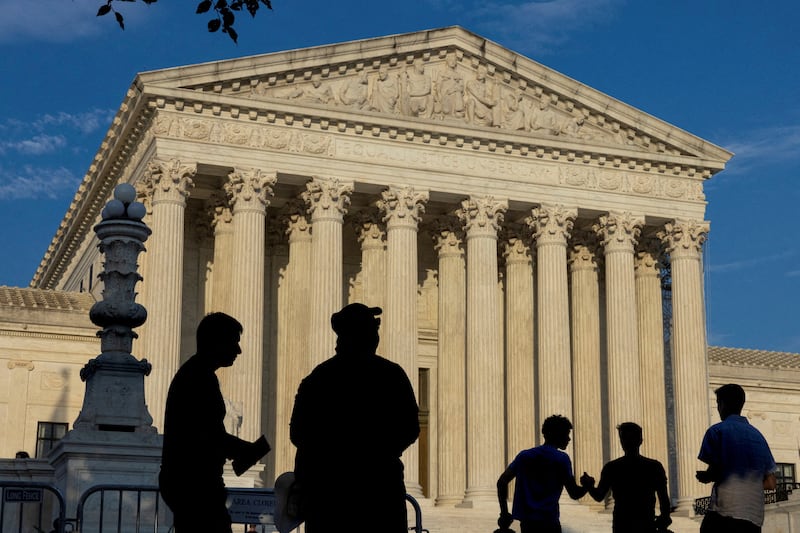
Baude was referring to the landmark decision that curtailed presidential removal powers, holding that the Constitution does not grant the president “illimitable power of removal” and allows independent agency officials to be fired only for cause, such as “inefficiency, neglect of duty, or malfeasance in office.”
On Monday, the Supreme Court heard roughly two and a half hours of arguments in Trump v. Slaughter, a case stemming from President Donald Trump’s removal of Rebecca Kelly Slaughter from her leadership role at the Federal Trade Commission (FTC).
Slaughter, who was appointed to the FTC in 2018 during Trump’s first administration, argued that her dismissal was unlawful and violated what she described as “clear Supreme Court precedent.” In September, the Supreme Court issued a 6–3 emergency order allowing Trump to fire Slaughter after a lower court ruled that her removal was illegal.
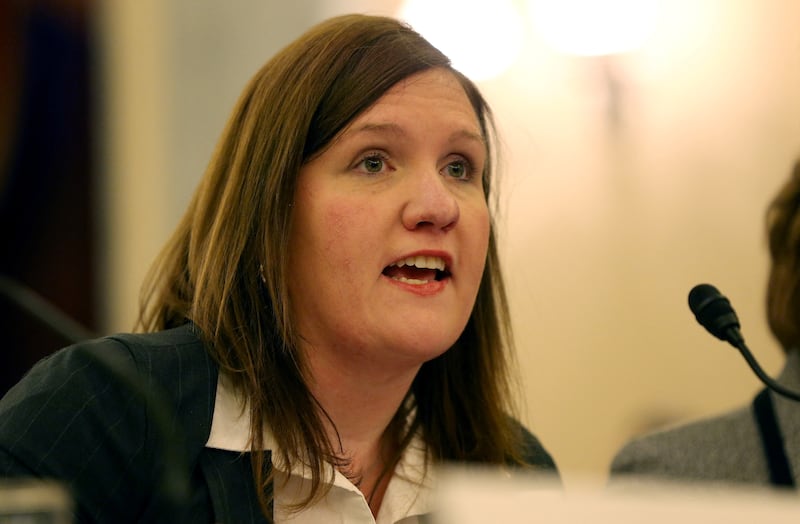
After arguments were heard in the case on Dec. 8, legal scholars discussing it for The Times agreed that the government is unlikely to lose, and that the key question is “how broadly the court will rule.”
A ruling in favor of the president, expected by the end of the Court’s term in late June or early July, would expand presidential removal powers over independent agencies, potentially allowing him to dismiss members over policy disagreements without needing “cause.”
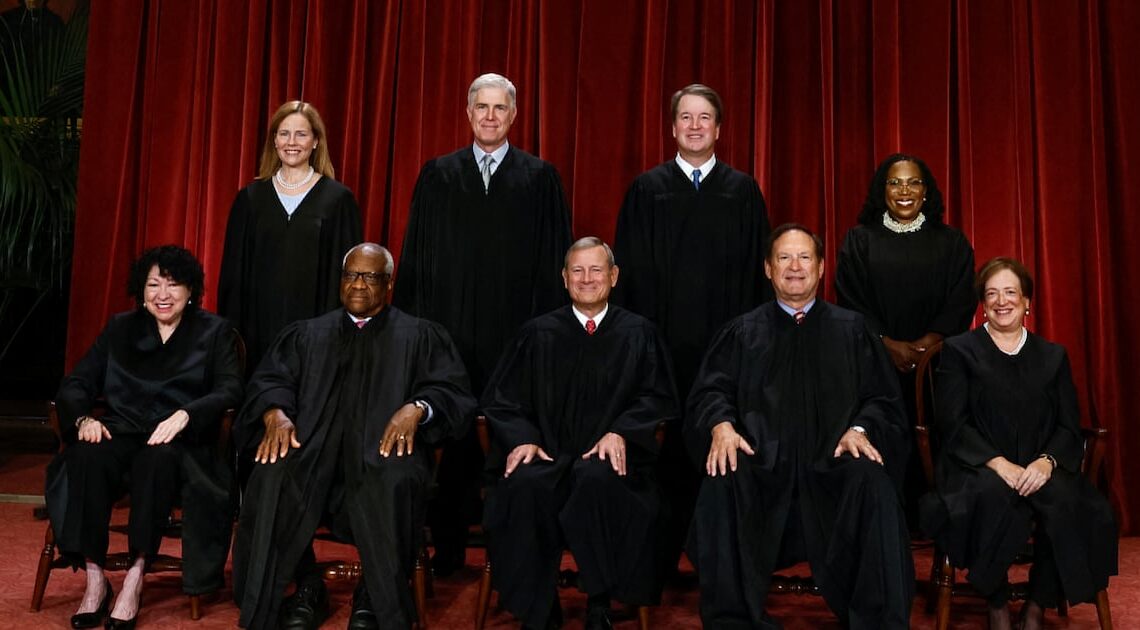
“The majority is continuing to kneecap Congress in ways that will be very hard to recover from,” said Vladeck, referring to the SCOTUS conservative majority that has repeatedly sided with Trump since his return to office in January. “That will enable only more aggressive efforts by this president and his successors to consolidate power in the executive branch,” he added.

The legal trio analyzing the potential impact of Trump v. Slaughter also highlighted Trump v. United States, a case that expanded presidential immunity, granting the president absolute protection from prosecution for actions tied to his constitutional powers, including pardons and the removal of executive officers.
Shaw noted that the case “came up several times in the argument” on Dec. 8, while Vladeck criticized the majority opinion in Trump v. United States for its “careless language,” saying it “only emboldens claims of indefeasible executive power in contexts in which we would previously have thought Congress could do something.” Baude called the 2024 decision a “very bad sign.”

“Why are the conservative justices so blinkered by democratic legitimacy’s embodiment in the president?” Shaw asked, noting that House members are elected every two years, unlike the president, who serves a four-year term.
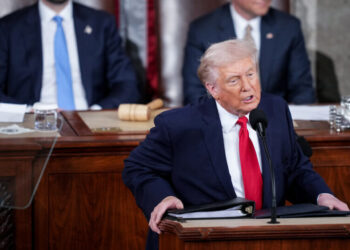
Despite warnings from legal scholars—including a former law clerk of Justice Clarence Thomas, who said “pro-president” SCOTUS decisions can “do lasting damage to our norms and institutions”—the president appears intent on preserving his conservative majority, telling Politico that he hopes justices Samuel Alito, 75, and Clarence Thomas, 77, don’t retire before the 2026 midterm elections.
“I hope they stay because I think they’re fantastic. Both of those men are fantastic,” Trump, 79, said.
The post Legal Experts Sound Alarm on ‘Very Bad Sign’ in SCOTUS Case appeared first on The Daily Beast.