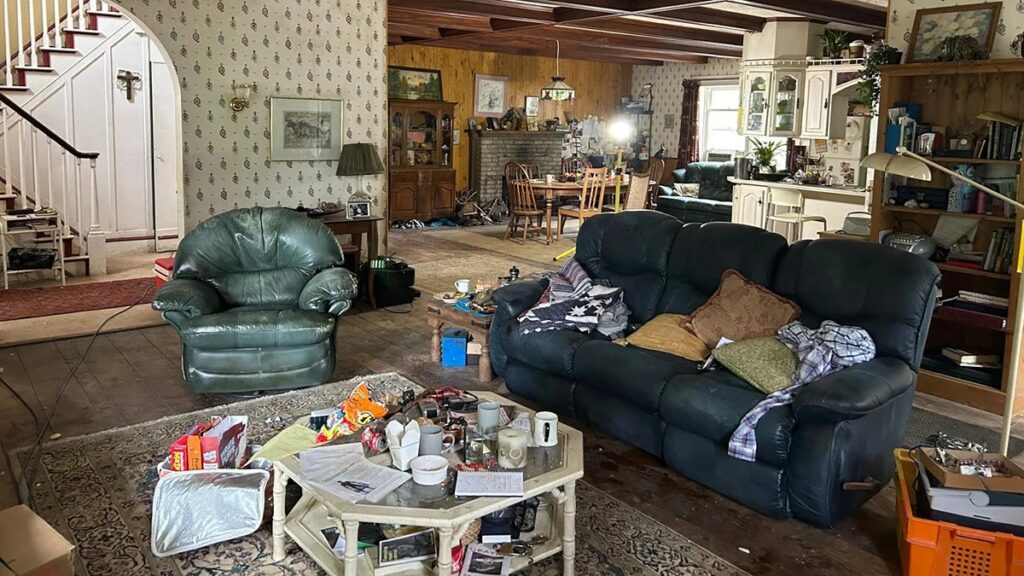
On the heels of winning Best Production Design at the 2024 Oscars for “Poor Things” (alongside Shona Heath and Zsuzsa Mihalek), James Price reunited with Yorgos Lanthimos for the singular director’s latest project: “Bugonia.” For the most part, the film takes place in a much more grounded world than the one in their previous collaboration, following Lanthimos’ modern muse Emma Stone as a CEO abducted by Teddy (Jesse Plemons) and Don (Aidan Delbis), a pair of conspiracy theorists who believe her to be an Andromedan alien in disguise.
There are a few key locations in “Bugonia,” but none more central than Teddy’s childhood home, a run-down ranch house that serves as the base of operations for the two-man alien resistance. The ramshackle structure was not the work of a gifted location scout: Price and his team built it from scratch.
For years, he fantasized about living a production designer’s dream and building an entire house from the ground up. While a typical production would shoot exteriors on location and construct interior sets (such as Teddy’s basement) on a soundstage, Price was elated when Lanthimos presented him with the opportunity to do something else: “We were looking for different locations, and he said to me one day, ‘Why aren’t we building the basement with the rest of the house?’ I smiled and said, ‘Because I didn’t think anyone would let us!’” Price laughed. “He was like, ‘C’mon! Think of the benefit for the film!’ And I was like, ‘You don’t have to tell me!’”
This launched a lengthy process where he had to acquire permits for a “permanent temporary structure” and find a location that could suit their construction needs. Bedrock and flooding were both concerns, as was the surrounding environment. “You have nature to think of, you have residents to think of,” he said. The process started with the team digging a hole long enough to fill with seven shipping containers, which they cut apart and welded back together to create an underlying metal frame. Total construction time, from digging the hole to finishing the house, was only 10 weeks. The entire house would be torn down in April 2025, around nine months after shooting concluded.
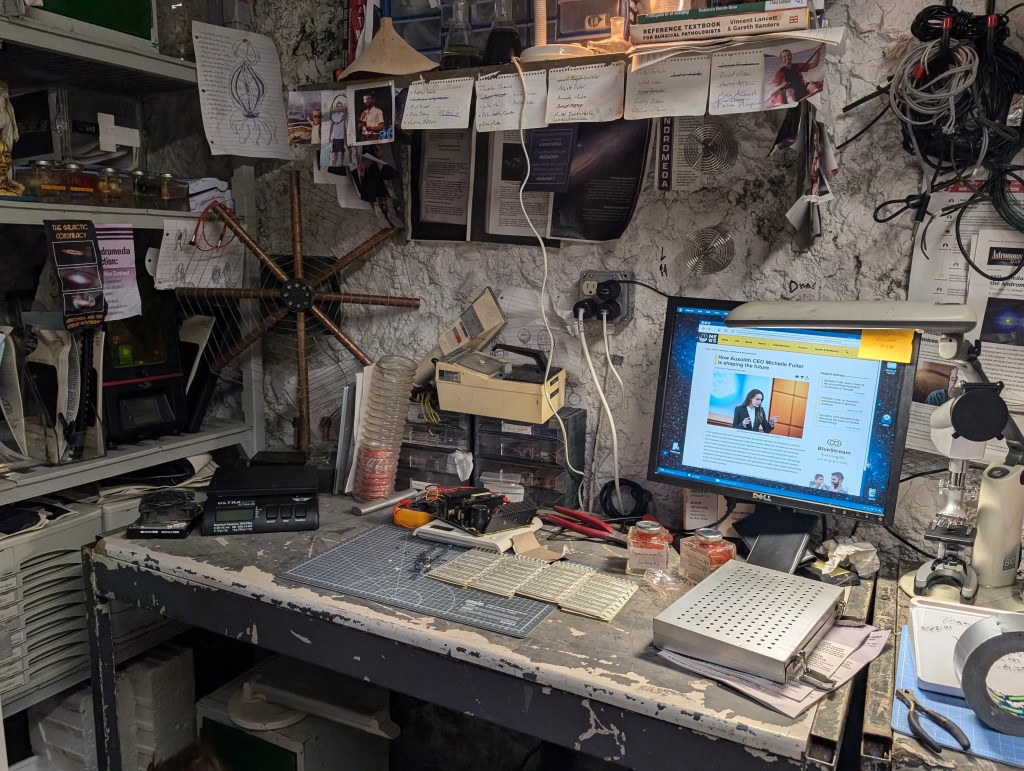
“Once you build this house,” Price said, “you’ve then got to make it look like it’s been lived in and nothing’s happened to it for 30 years.” He wanted the home to look frozen in time from the moment a family tragedy happened and drove Teddy down a path of wild conspiracies. “We figured that Teddy’s house had been built by the family in the early part of the 20th century, and then the last major refit was in the ’90s,” he said. “And then once his mom had gone into care, Teddy had started to (embrace) these conspiracy theories. We needed to tell that story, especially on the ground floor in the open living room/kitchen area.”
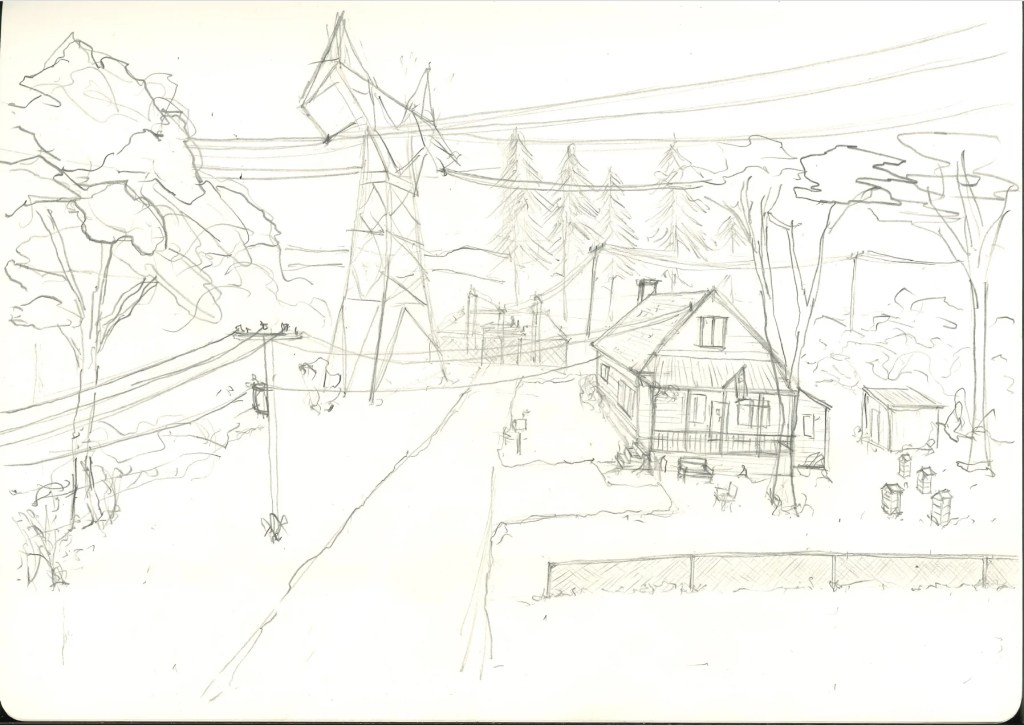
The designer drew inspiration from multiple sources, including photos of Louisiana exteriors he took while working on “The Iron Claw.” Interior wallpapers and roofing tiles were designed to resemble honeycombs, referencing Teddy’s beekeeping hobby and the thematic relevance of worker insects to “Bugonia’s” story. Price’s team was also able to develop the house as a character of its own and a means of immersing the actors in their roles. He recalled a conversation with Plemons: “He said to me that that house gave him so much. They’re in that house for six weeks, so he opens a drawer and there’s all the dressing just as it would be. You have to have that believability for him so he can go to those places that they’ve got to go. It helps inform who he was, where he’s come from.”
This story first ran in the Below-the-Line issue of TheWrap’s awards magazine. Read more from the issue here.

The post ‘Bugonia’ Production Designer Takes Us Inside the Conspiracy Bunker appeared first on TheWrap.