The future of aviation could look surprisingly similar to the triangular paper airplanes you folded as a kid.
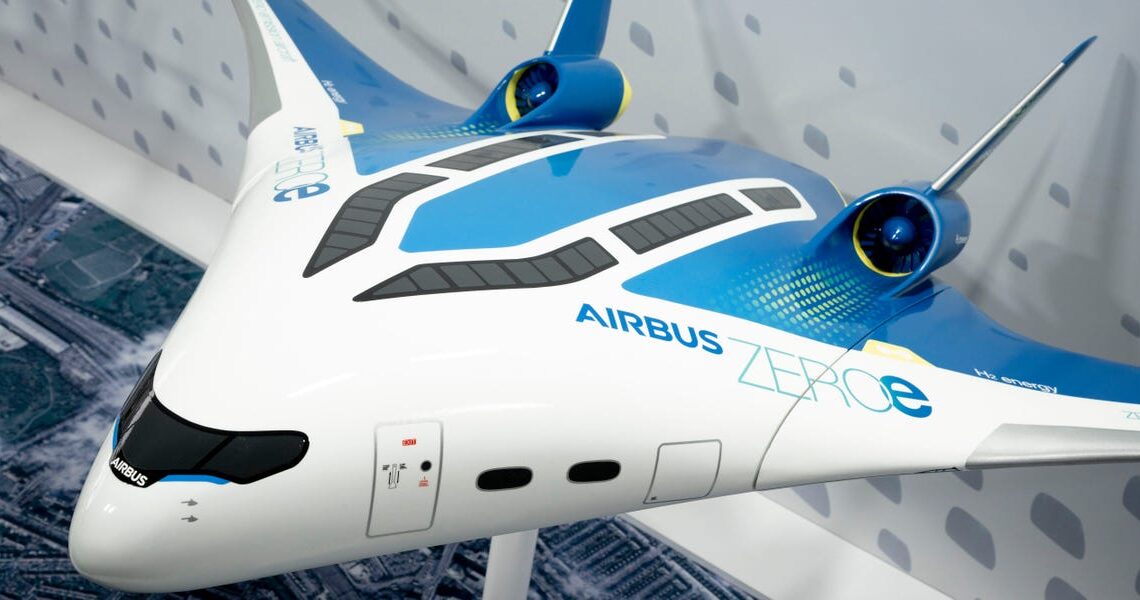
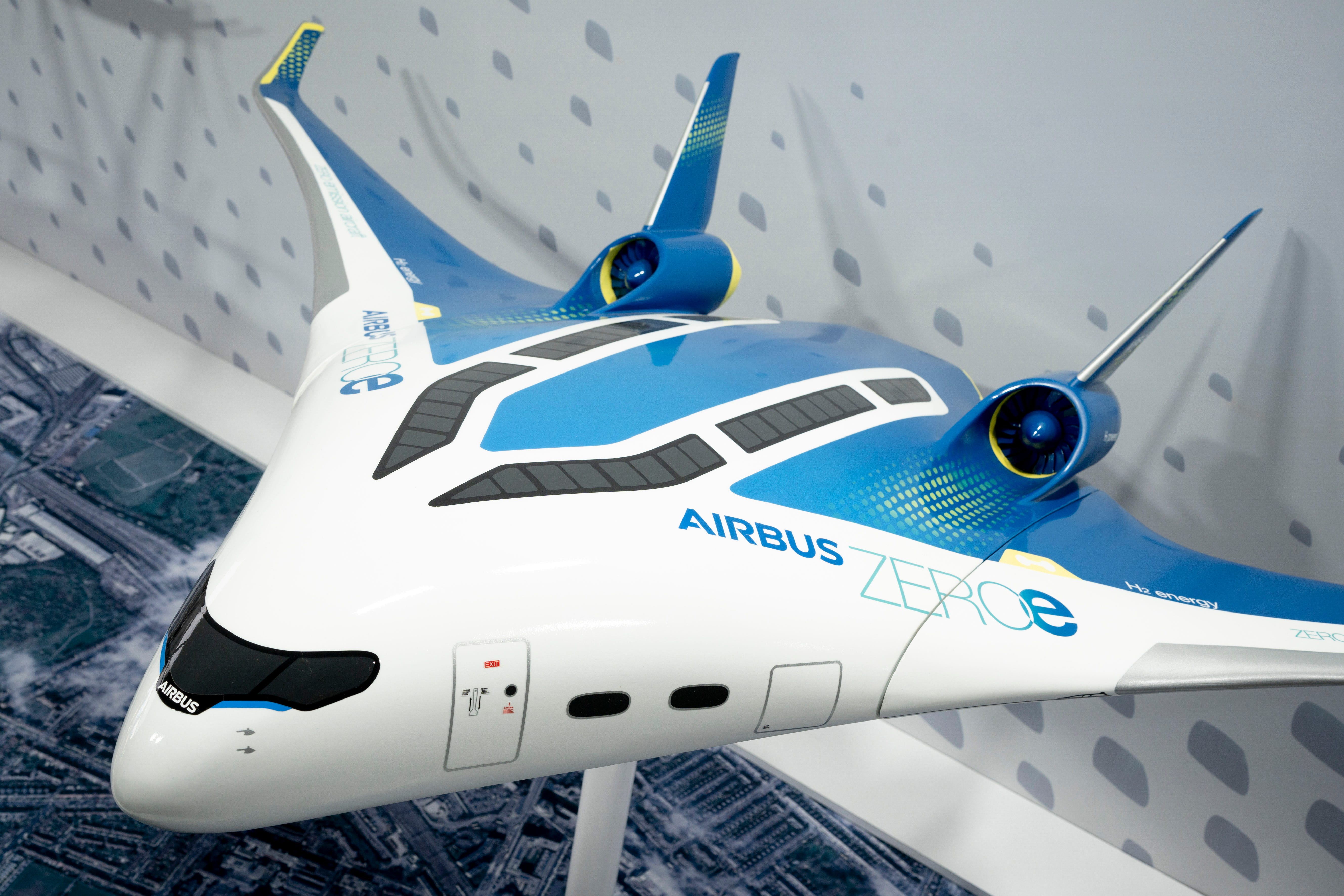
In an interview with Tobias Fuchs and Martin Murphy at the German newspaper Bild, Airbus CEO Guillaume Faury said that over the next 30 or 40 years, planemakers may abandon the traditional tube-and-wing layout for a single, thick wing with the passenger cabin built inside.
This design — known as a “blended-wing body,” or BWB — distributes lift across the entire sweeping wing, allowing for heavier carrying capacity and greater efficiency than conventional jets. Faury said a widebody aircraft would be “better suited” for the concept.
He added that the BWB benefits come with trade-offs, including the possibility of eliminating windows. Passengers wouldn’t receive any natural light, and some could get disoriented or experience claustrophobia.
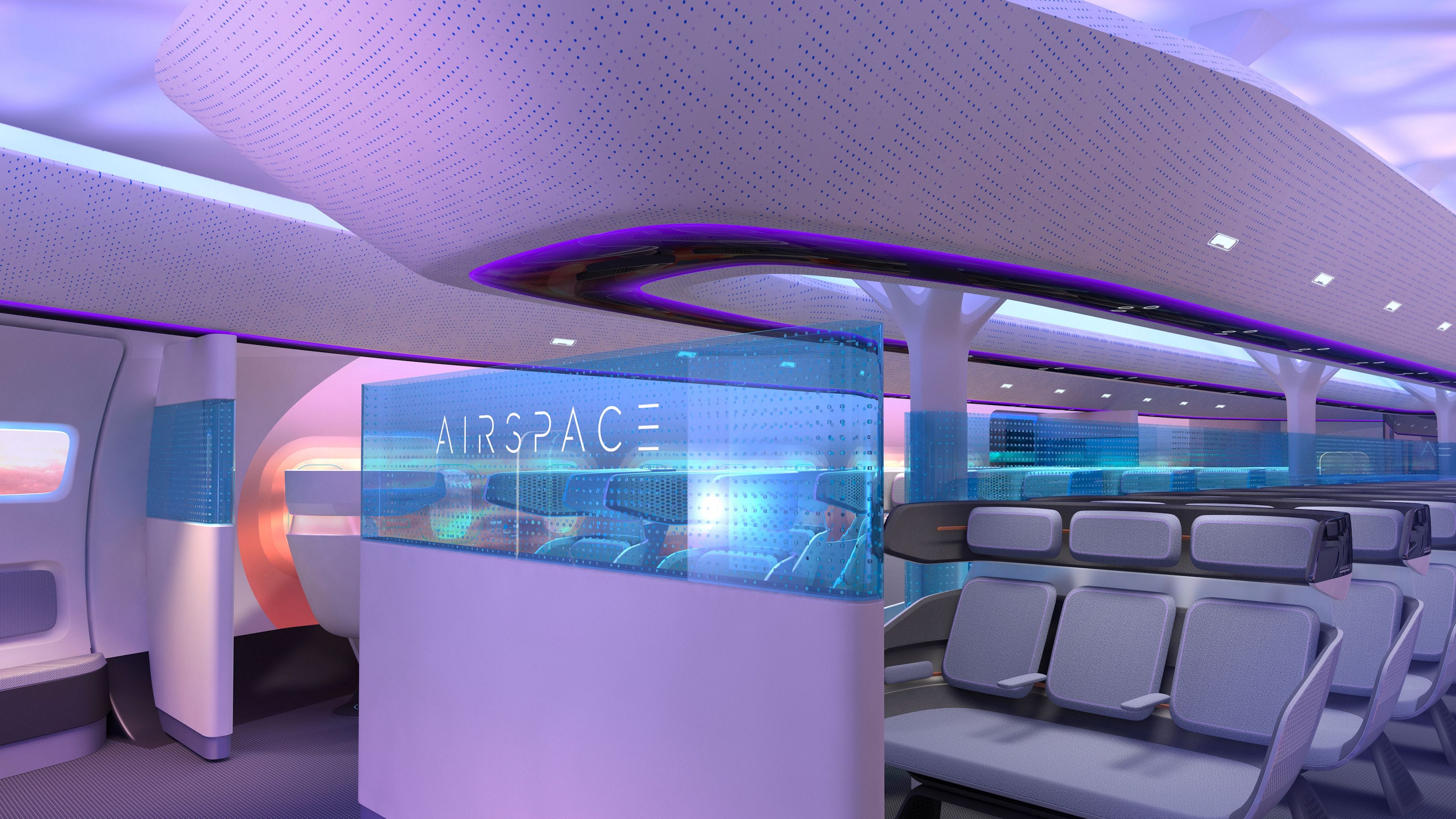
Emergency evacuations could also be challenging: passengers and crew would have no view of what’s going on outside, and those in the cabin center would be farther from exits than on today’s jets.
Faury’s comments are the latest sign that Airbus sees opportunity in the blended-wing design, an area where it faces competition from new aircraft makers seeking to beat Airbus to market. The BWB design has a long history.
The Northrop B-2 Spirit stealth bomber — often cited as the best-known “flying wing” aircraft — first flew in 1989. Although the BWB concept dates back even further, renewed interest emerged in the early 1990s when McDonnell Douglas explored a blended-wing transport idea that eventually evolved into the BWB-17 in partnership with NASA.
After McDonnell Douglas merged with Boeing in 1997, Boeing continued the work with NASA to produce the X-48 series of subscale demonstrators until the program ended in 2013.
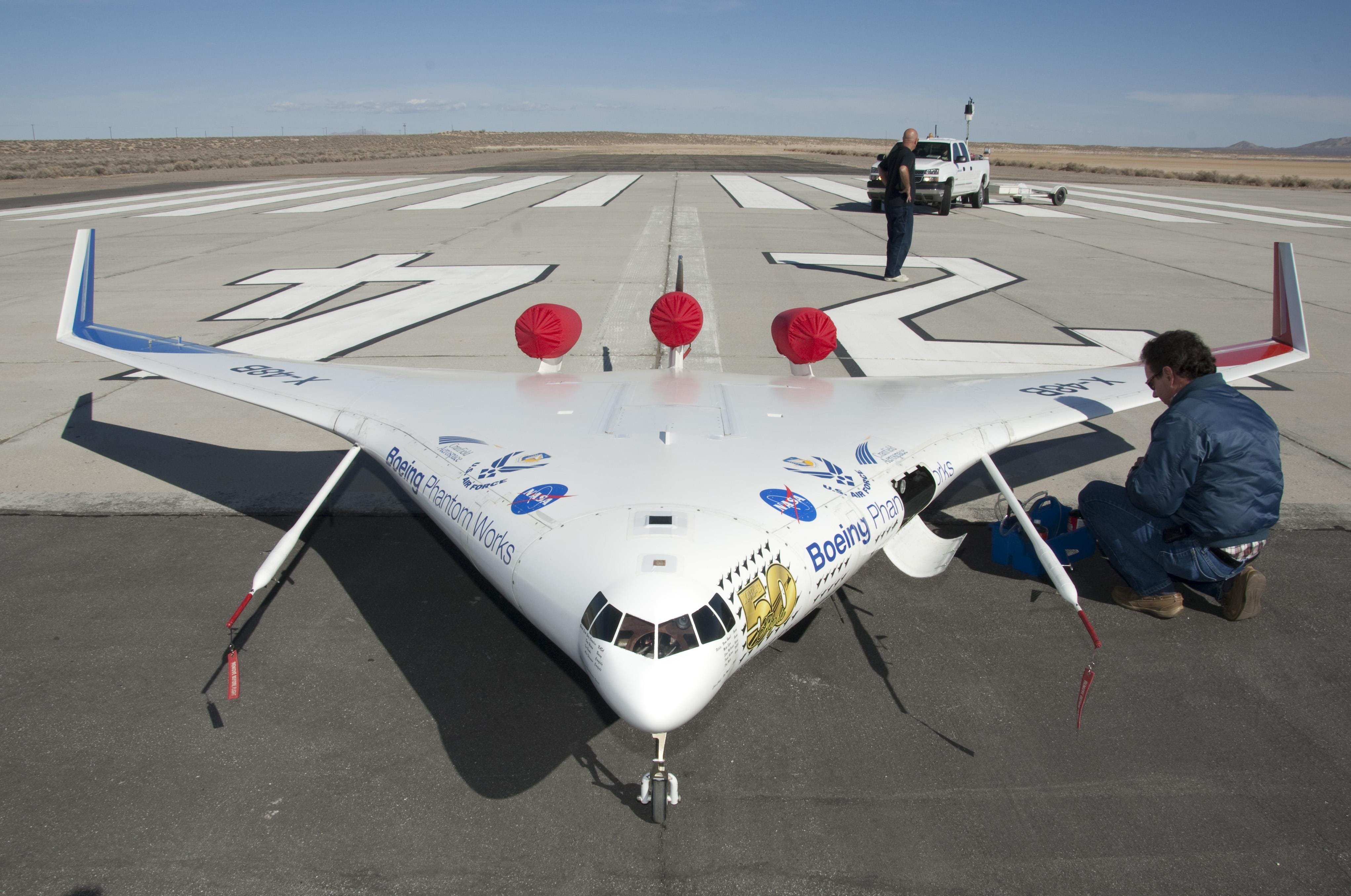
But, to date, no full-size passenger BWB has been certified or flown, and Boeing has not announced plans to develop its own.
For its part, Airbus has been exploring BWBs since 2017, and the company’s 200-person design is a key pillar of its ZEROe initiative for zero-emission aviation.
In 2019, the company flew a small-scale demonstrator that showed potential major fuel savings — estimated at around 20% — and new cabin layouts made possible by the wider interior. The long-term vision includes running these aircraft on hydrogen rather than traditional jet fuel.
But despite the early momentum, Airbus has pushed its initial ZEROe 2035 timeline by as much as 10 years.
Airbus has cited challenges surrounding certification complexity, limited global hydrogen infrastructure, and uncertainty around passenger acceptance — especially when some seats could be positioned far from natural light.
Still, the BWB race is far from just an Airbus effort.
Startups hope to break the Airbus-Boeing duopoly
Aviation startups like Natilus and JetZero are betting that the unconventional BWB shape could help crack the traditional Boeing-Airbus duopoly, with both targeting launches in the early 2030s.
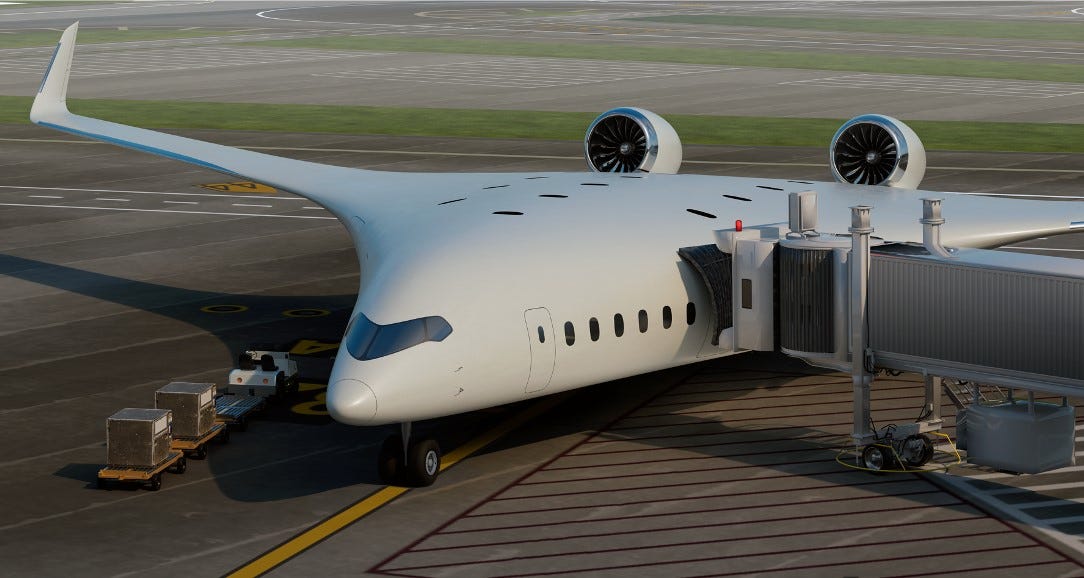
San Diego-based Natilus is developing a narrowbody version called Horizon to rival the Airbus A320 and Boeing 737, promising about 25% lower fuel burn but 40% more cabin space. And it can fit into existing airport infrastructure.
Company CEO Aleksey Matyushev previously told Business Insider that the industry could face a shortfall of roughly 40,000 narrowbody jets over the next 20 years — a number he said is far more than the two legacy players can realistically supply.
Matyushev added that Horizon’s larger cabin footprint could allow for wider seats, dedicated family areas, and other special features that go beyond what today’s narrowbody jets offer.
Renderings of Horizon’s proposed cabin, released in July, show up to three aisles instead of the traditional one or two. Matyushev confirmed to Business Insider that the jet will have windows throughout.
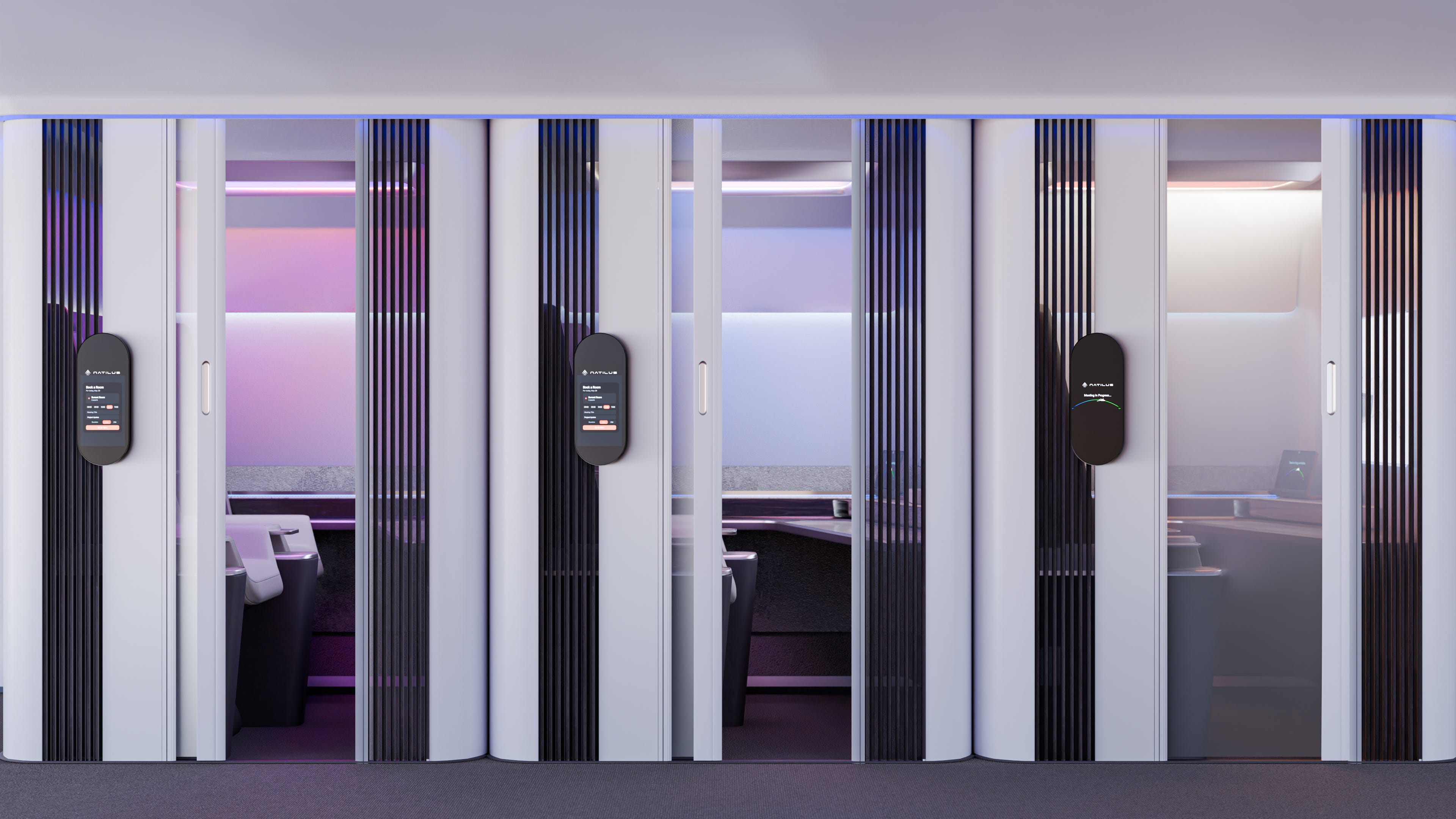
Passengers in the center seats will still be farther from the windows, but Natilus said it is adding skylights and other lighting strategies to mimic the outside.
Meanwhile, 100 miles north in Long Beach, JetZero is pursuing a widebody version called the “Z4” that promises up to 50% lower fuel burn and could replace jets like the Boeing 767 and Airbus A330.
The plane would have similar advantages to Horizon in terms of airport compatibility and seat layout.
JetZero has already attracted interest from United Airlines. In April, United Airlines Ventures, the division that invests in these innovative aircraft, said it planned to buy up to 200 of JetZero’s 250-seat Z4s.
Managing director Andrew Chang previously told Business Insider that the aircraft’s expansive interior could be game changer that feels like a “living room in the sky.”
JetZero successfully flew a subscale prototype called Pathfinder in 2024.
Read the original article on Business Insider
The post Airbus CEO said the future of commercial aviation could be a B-2 bomber-like plane with a cabin in the wing appeared first on Business Insider.