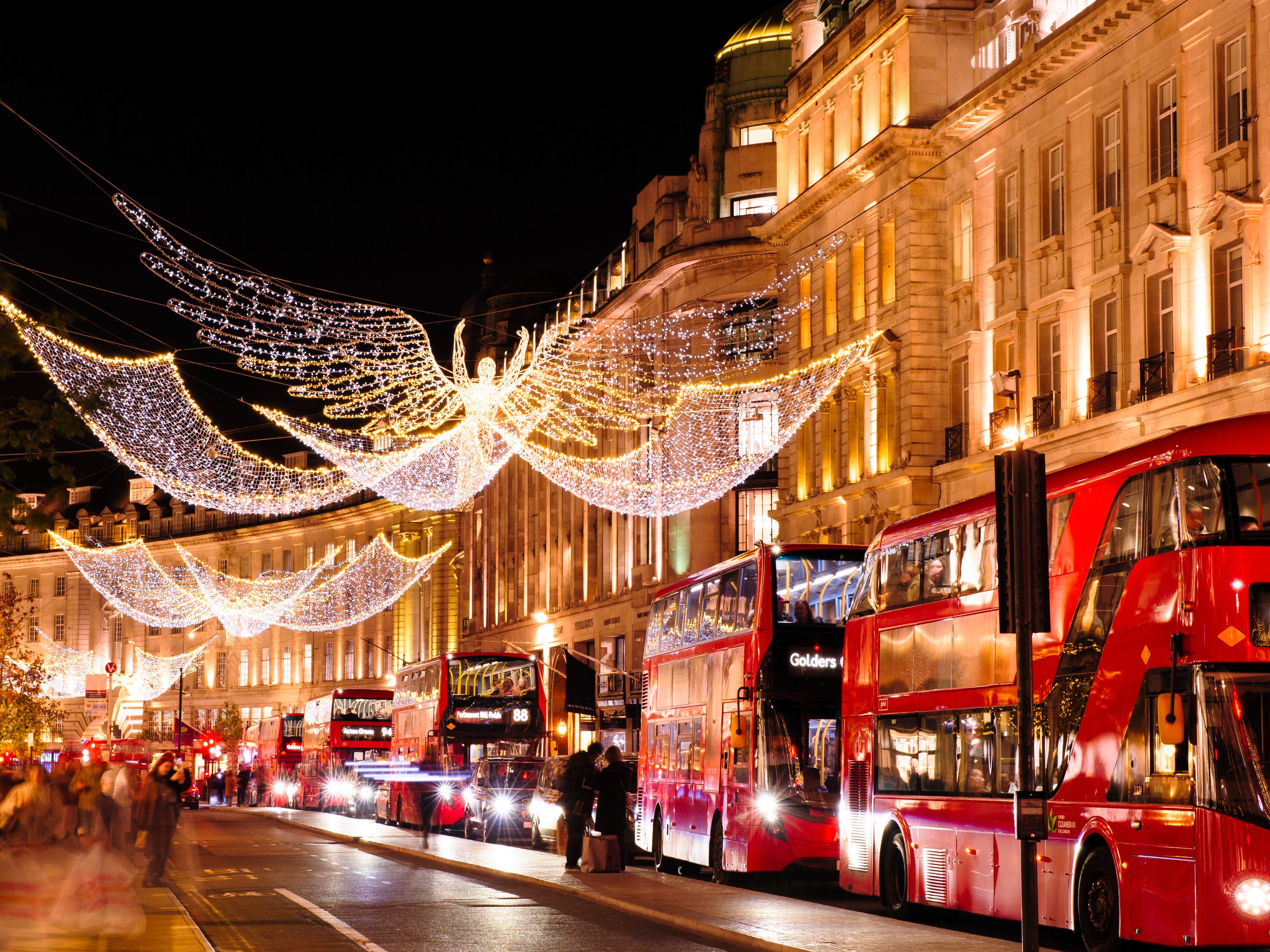
Americans might want to mind the gap when it comes to discerning what these British phrases actually mean.
Some terms, like “dim,” “a mug,” or “a few sandwiches short of a picnic,” can be used as colorful insults, while some British slang words like “cheeky” can be either negative or positive, depending on the context.
In a business setting, you could incorporate British terms into presentations or marketing materials to relate with British clients or customers, but take caution not to offend them or totally miss the mark.
Here are 60 British phrases that will confuse anybody who didn’t grow up in the UK.
A few sandwiches short of a picnic
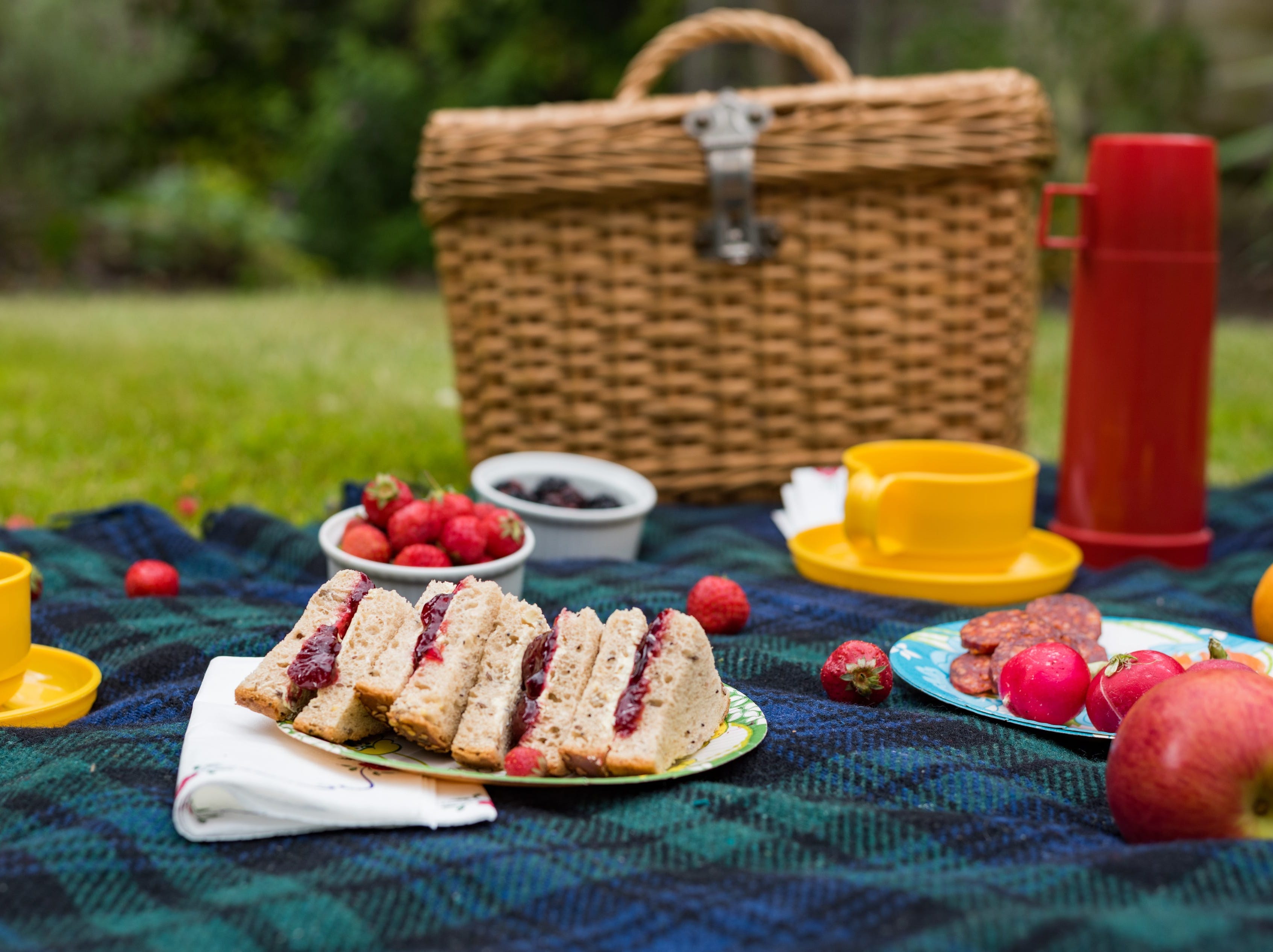
“A few sandwiches short of a picnic” means someone who lacks common sense. The phrase was first documented in the BBC’s “Lenny Henry Christmas Special” in 1987.
“She’s great fun, but she’s a few sandwiches short of a picnic.”
Anorak

“Anorak” refers to someone who’s a little bit geeky, with strong interests or expertise in a niche area.
Although it’s more often used as a synonym for a raincoat, an anorak is something slightly different in playground slang. This word probably originates from the “uncool” appearance of anorak coats and the people wearing them.
“Thomas is such an anorak when it comes to train trivia.”
Bagsy
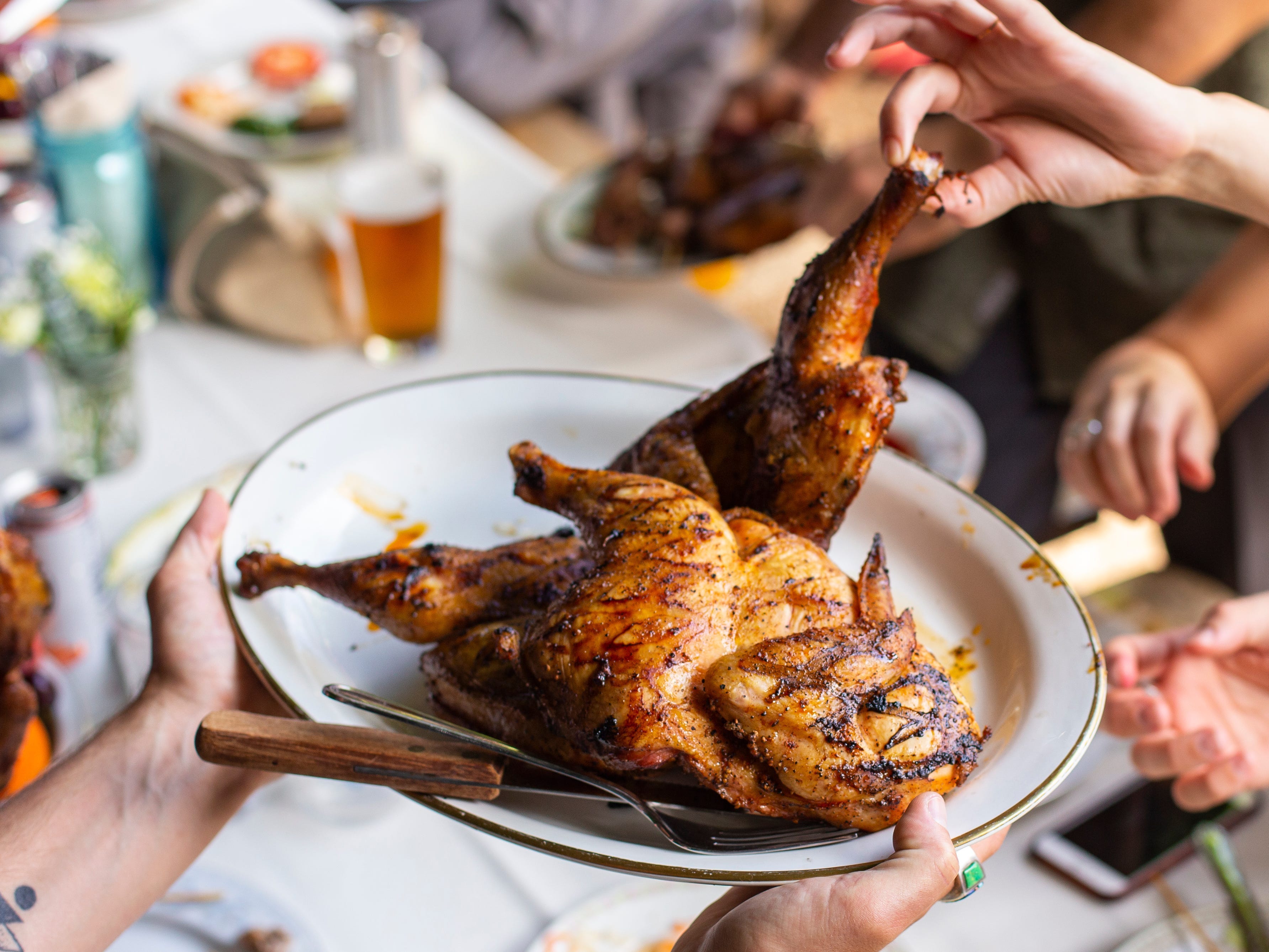
“Bagsy” is the British equivalent of calling “shotgun” or “dibs” when something, like the front seat of the car or food, is offered up to a group. School kids might call “bagsy” on items in their friends’ pack lunches, like an apple or a cereal bar, that the friend isn’t going to eat.
“Does anyone want thi—”
“Bagsy!”
Bee’s knees
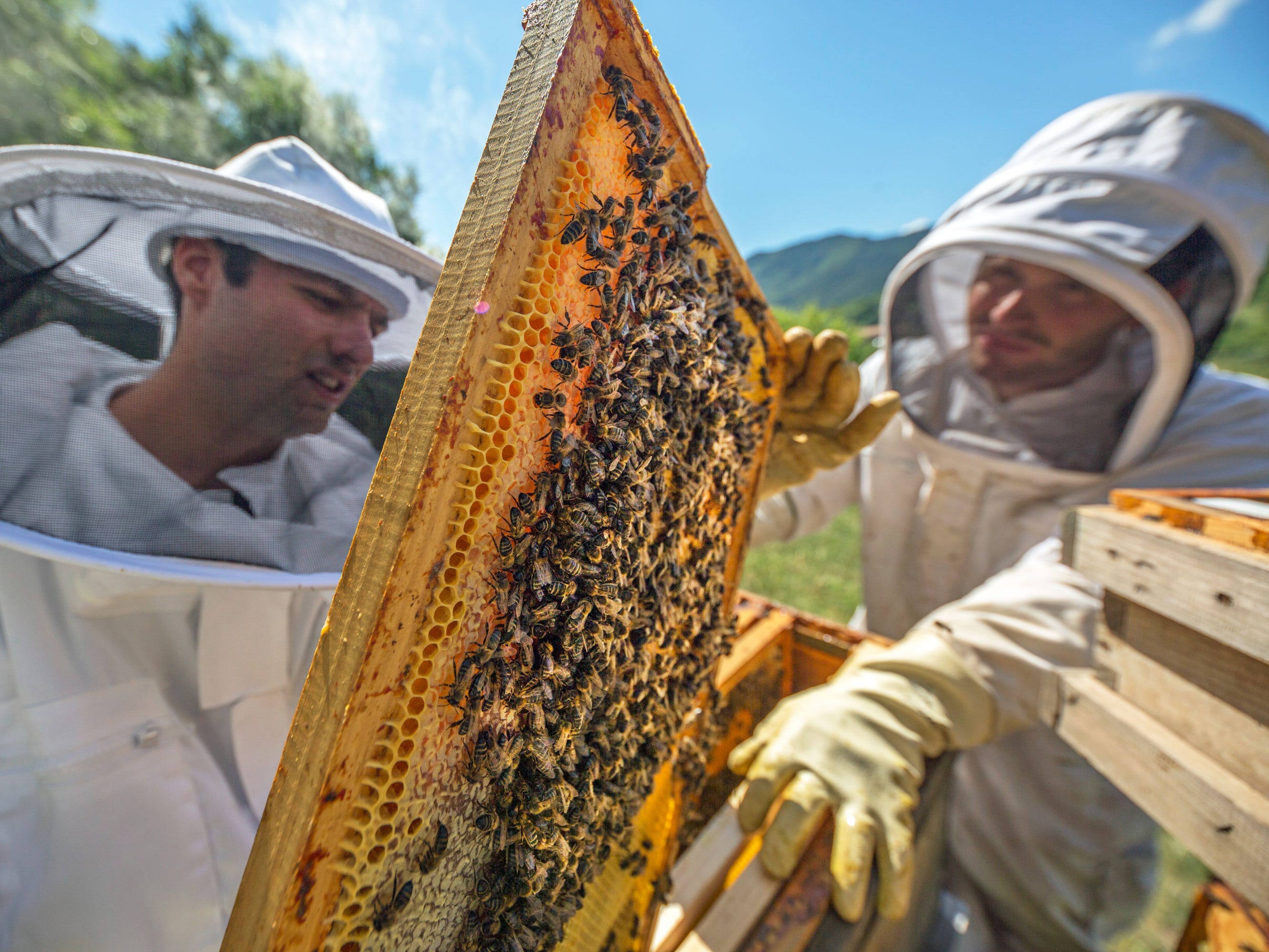
“Bee’s knees” refers to something at the “height of cool.” This phrase became mainstream in the USA in the 1920s despite its British origins, but its popularity has dwindled since the turn of the century.
When first documented in the 18th century, the “bee’s knees” referred to small or insignificant details. Since then, the phrase has evolved and now refers to something popular or cool.
“The Beatles are the bee’s knees.”
Bender
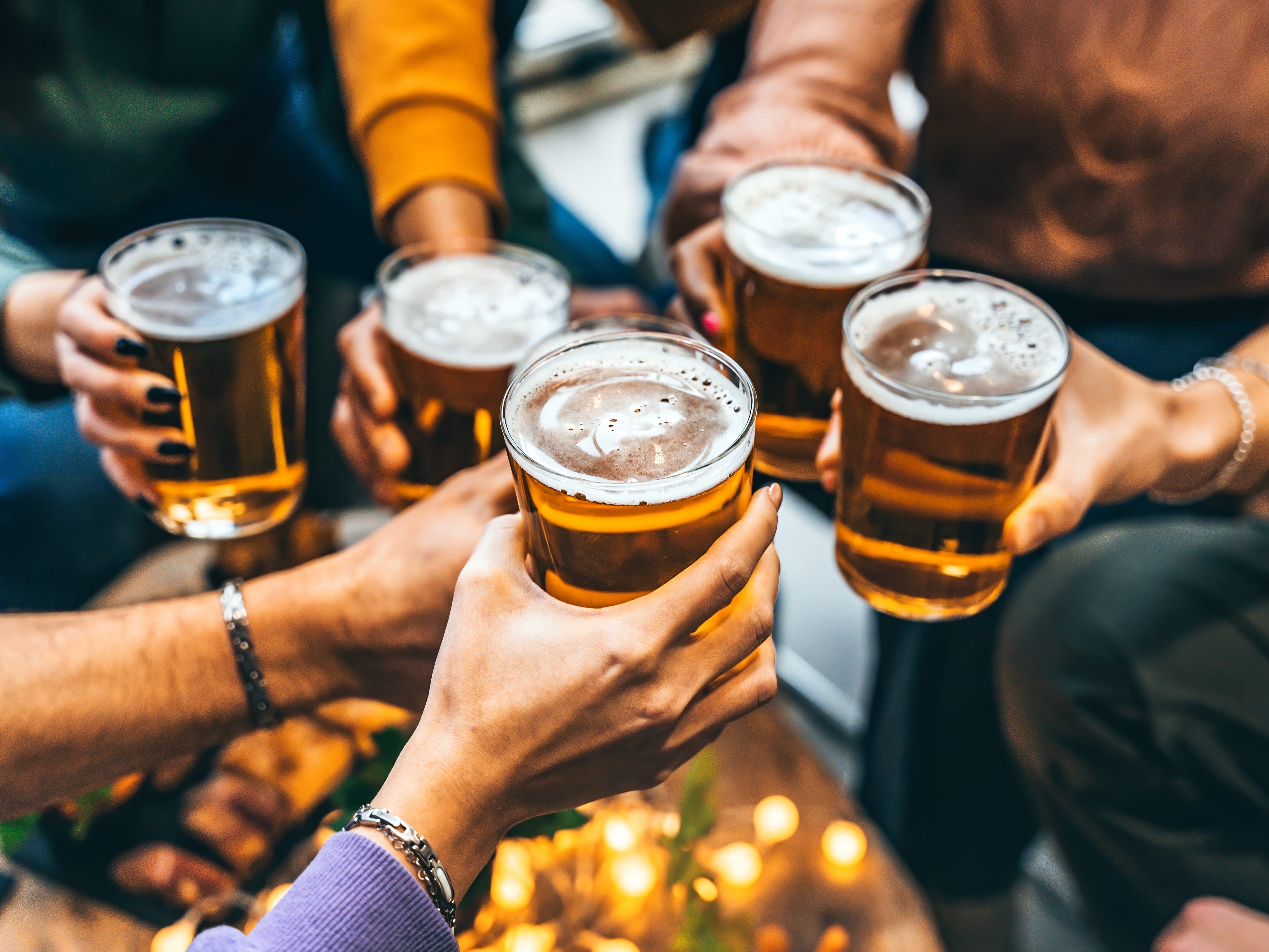
A “bender” is an extended period of drinking, usually in excess. Someone on a spree of excessive drinking and mischief is “on a bender.”
Benders can last over 24 hours, and so you might say that someone is on “a weekend bender,” or a “three-day bender.”
“I bumped into him towards the end of his four-day bender. He was a wreck.”
Bird

A “bird” is an informal word for a girl or young woman.
While the phrase can be interpreted as misogynistic, it’s still commonly used. It’s usually used to describe a woman between the ages of 18 and 50, particularly one who is attractive.
“Look at that bird over there. She’s fit.”
Pull a blinder

To “pull a blinder” involves achieving something difficult faultlessly and skillfully. The phrase is most commonly used when the individual has been lucky and the person saying it is in disbelief that the first person has managed to pull it off.
“And did you see that equalizing goal in the last minute of injury time? He pulled a blinder there.”
Bloody
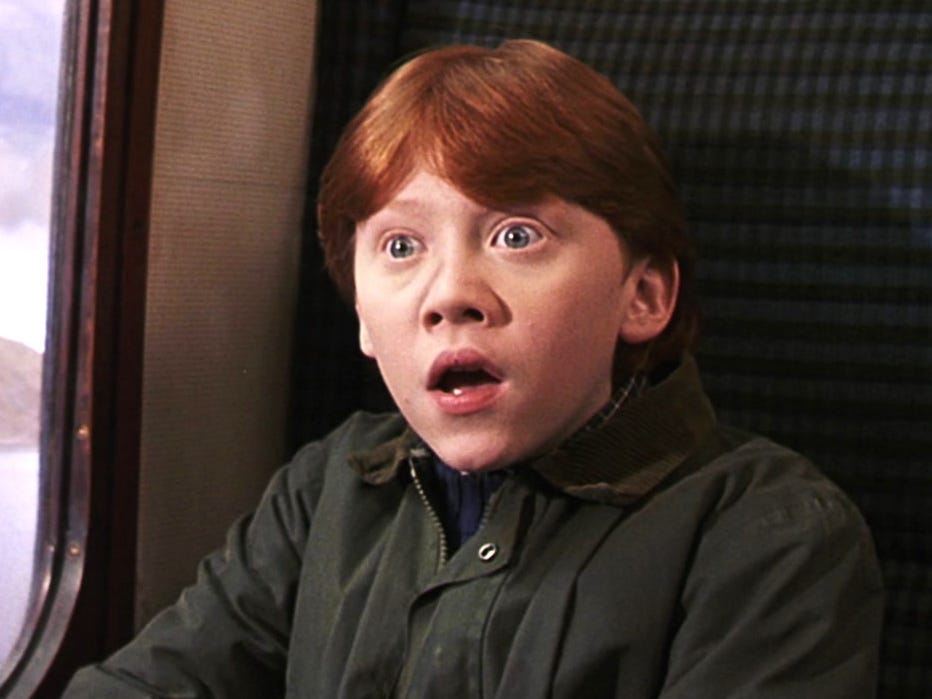
“Bloody” or “bleeding” is used to add emphasis to adjectives, similar to how “wicked” is used in New England. The origins of the word are widely disputed. Some believe it’s derived from the Dutch word “blute,” meaning “bare.” Others believe the word is a contraction of the 17th-century phrase “by our lady,” and is blasphemous.
This second theory has been disproved, however, by the slang’s first documentation predating the widespread use of the phrase “by our lady.”
Nowadays, “bloody” is used widely — it’s even used in children’s films such as “Harry Potter” — and is arguably one of the most quintessentially British words on the list.
“That was bloody good.”
Bob’s your uncle
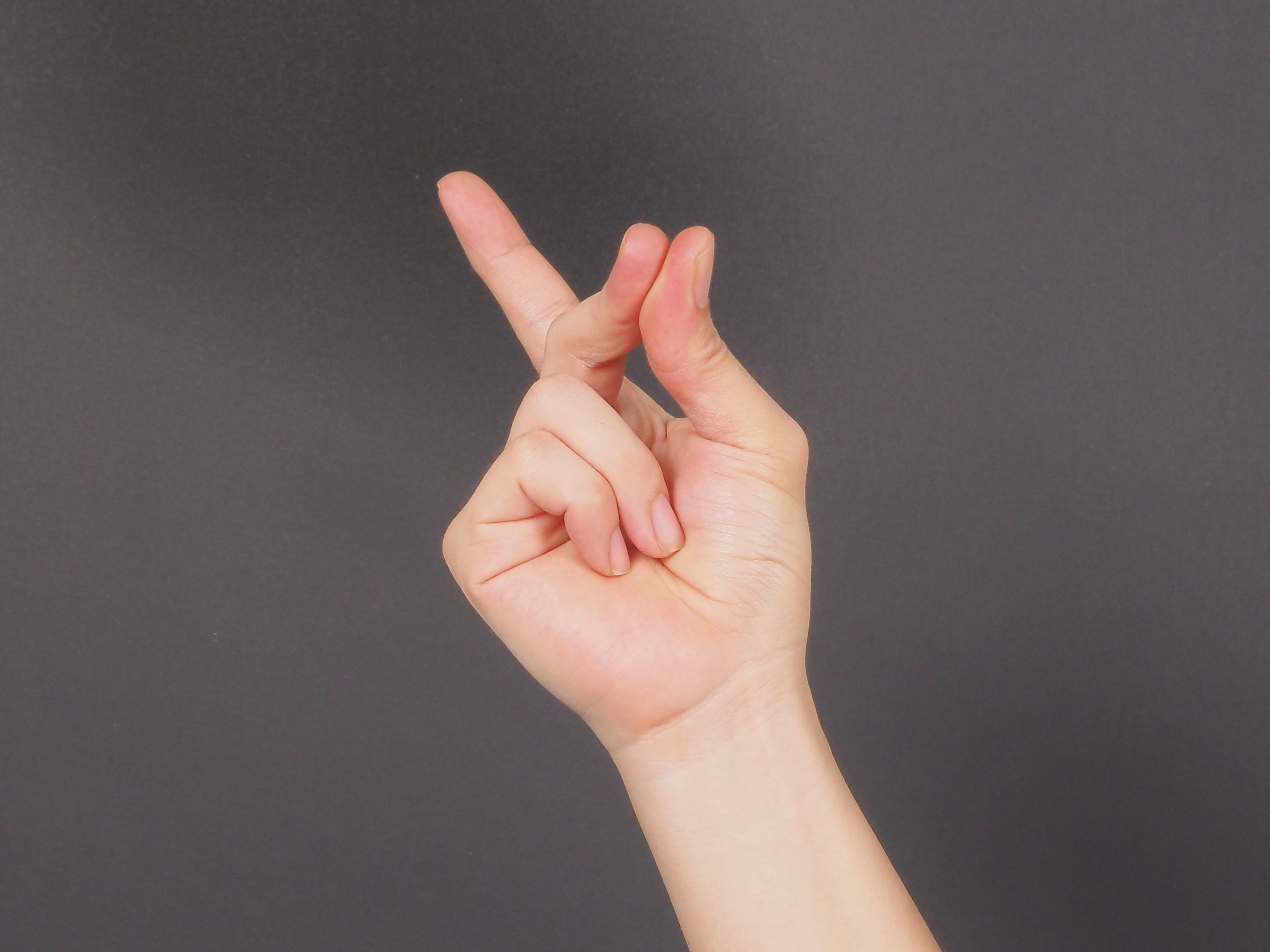
“Bob’s your uncle” is the very British equivalent to “hey presto!” or “et voilá!” This phrase is often used to describe a process that seems more difficult than it actually is.
“Press down the clutch, put it into gear, then slowly ease off the clutch again. Bob’s your uncle — you’re driving!”
Bog-standard
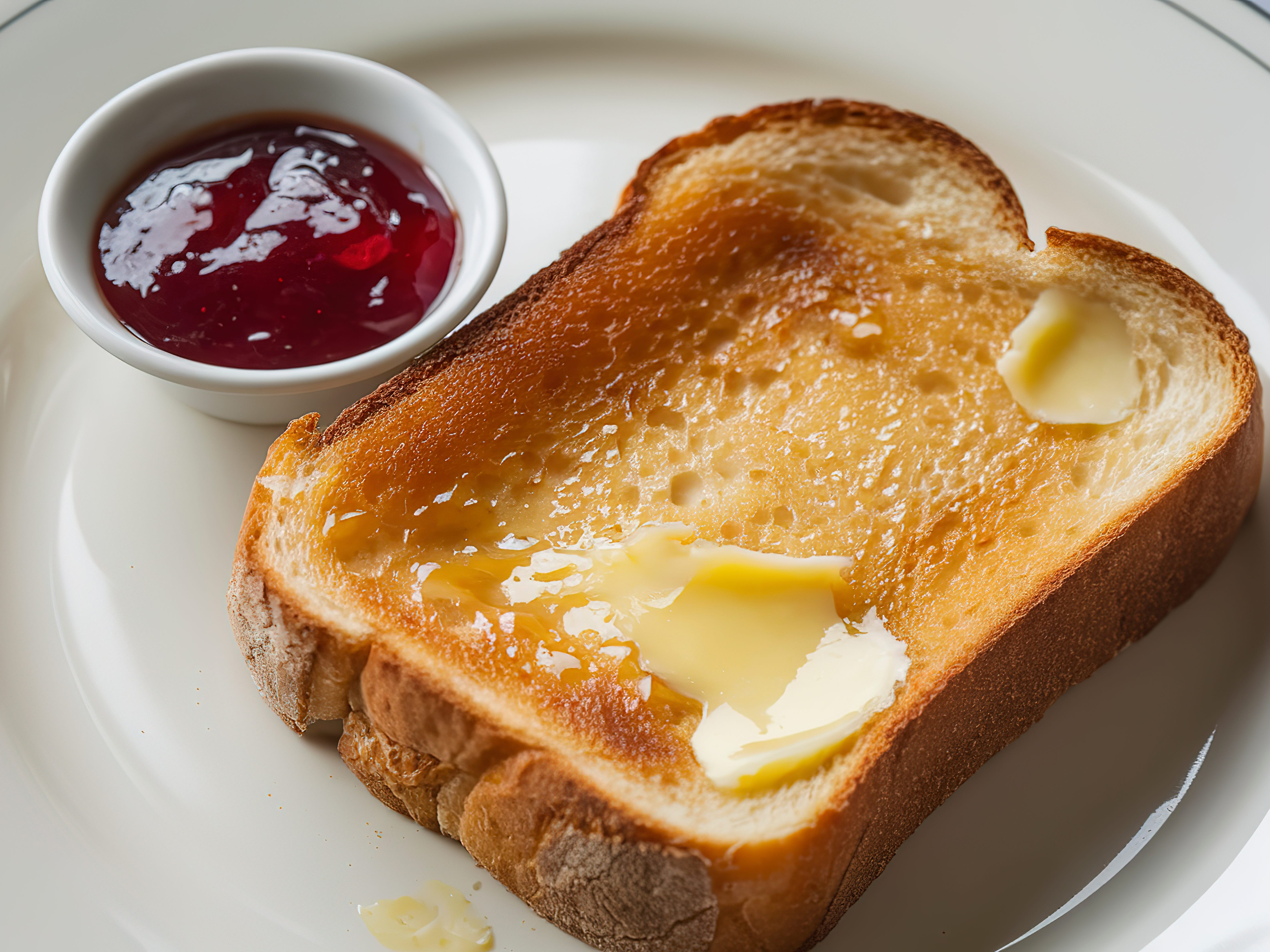
Something that is “bog-standard” is completely ordinary with no frills, embellishments, or add-ons. Its origins are somewhat unclear, but a “bog” is another word for a toilet in British slang, adding to the connotations that something “bog-standard” is unglamorous and unspecial.
“How was the hostel?” “Oh, nothing exciting to report. Just your bog-standard dorm, really.”
Boot
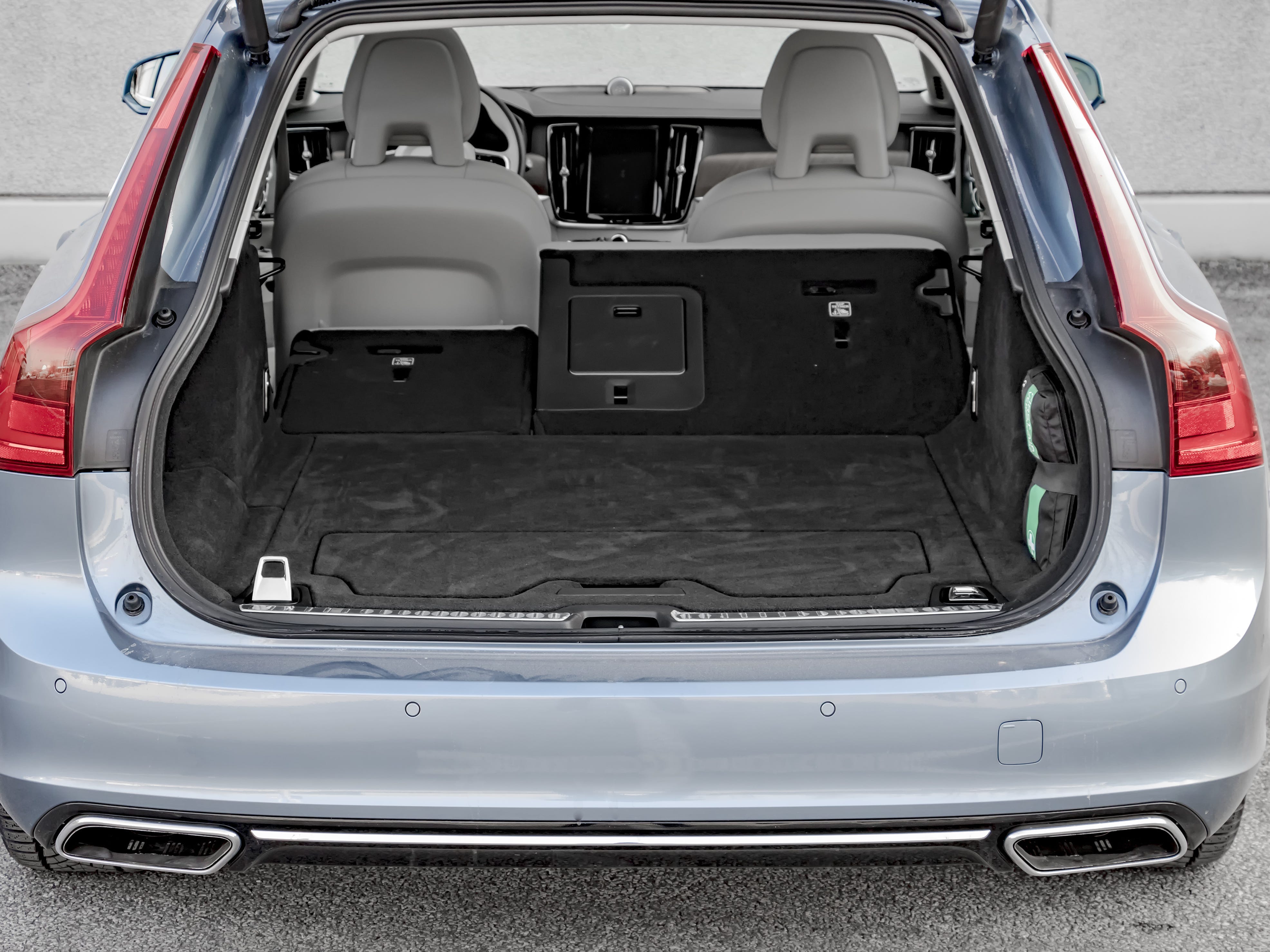
The “boot” of a car is the trunk in American English. A popular pastime in the United Kingdom is attending or having your own “car boot sale,” in which people usually sell knickknacks and old personal items out of the back of their cars.
“Shove the shopping in the boot.”
Botch job

A “botch job” is a repair job that’s been completed in a hurry and will probably fall apart reasonably soon. A “botch job” can also refer to anything that’s been done haphazardly, like a work assignment.
“Sam did a botch job on these shelves — they’re wonky!”
Brolly
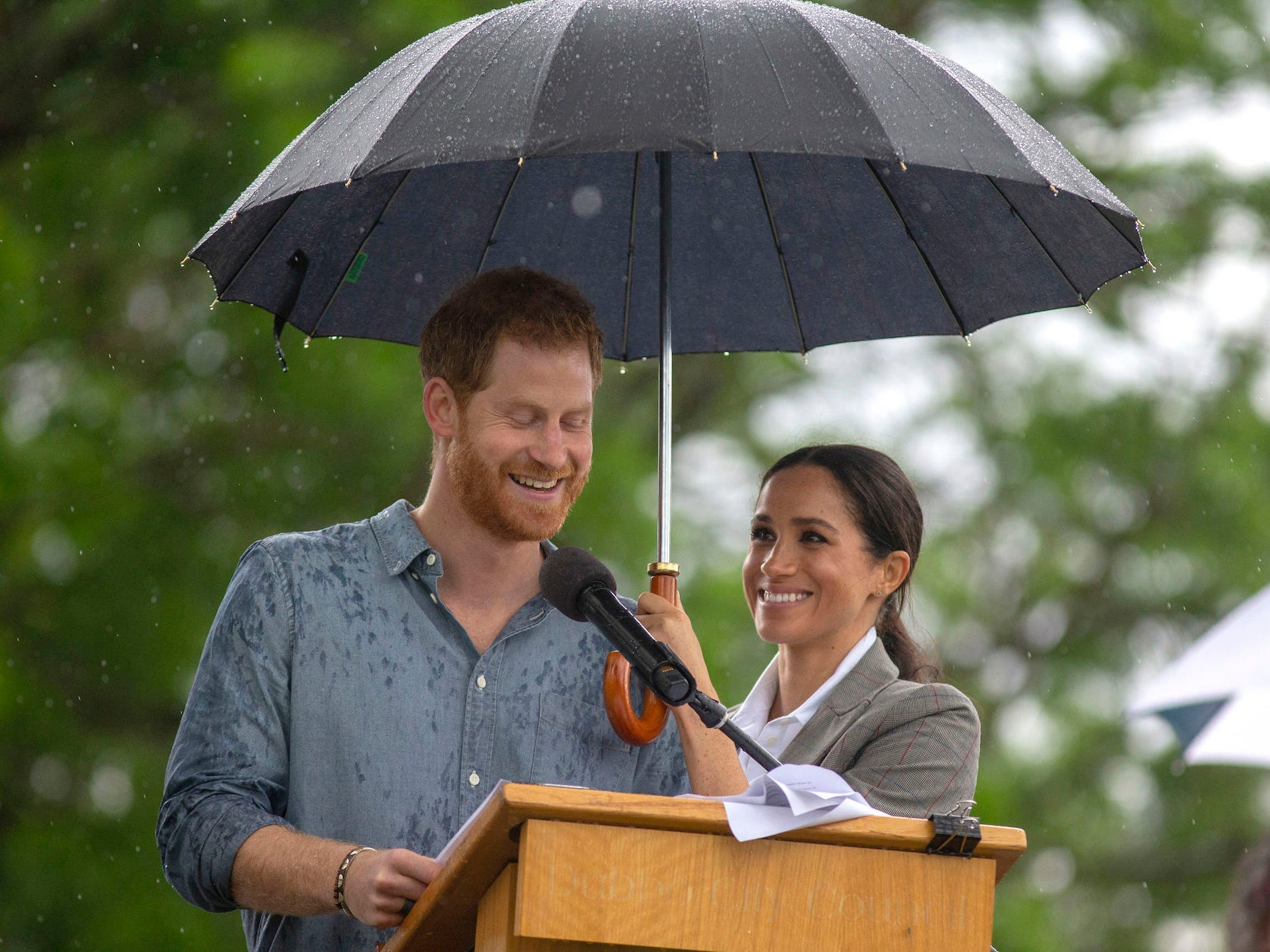
A “brolly” is a shortened word for an umbrella. On a rainy day in London, you would definitely want a brolly on hand.
“Grab your brolly, it’s drizzling outside.”
Budge up

“Budge up” is similar to “scoot over” or “move over.” An informal way of asking someone to make room where they are sitting for you to sit down, too, would be asking them to “budge up.”
“Hey, there’s loads of room on that bench. Budge up and make some room for us, too!”
Builder’s tea
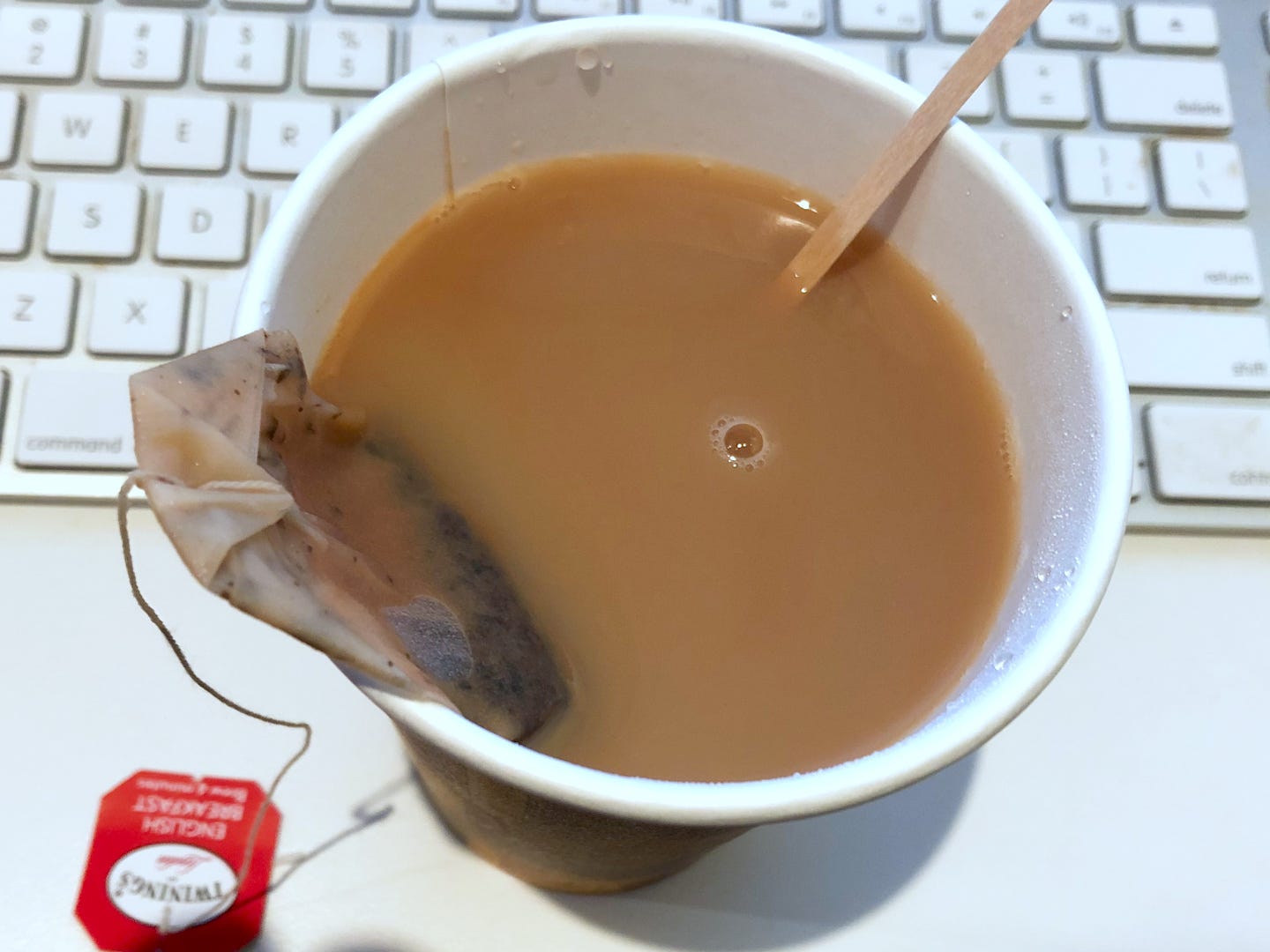
“Builder’s tea” is the name of a strongly brewed cup of English breakfast tea with milk and sugar.
It’s common courtesy to offer a laborer or builder working on your house a builder’s tea while they’re working — especially if they’re working out in the cold. This is probably how the term came about.
“A bacon sandwich and a builder’s tea. Now that’s a proper breakfast.”
Butcher’s hook
“Butcher’s hook” is Cockney rhyming slang for “look.” Therefore, if you’re “having a butchers,” you’re having a look at something.
“Would you take a butchers at this broken bike for me?”
Cheeky

“Cheeky” refers to an act that could be deemed impolite or shameless but, for some reason, comes across as funny or endearing to others. “Being cheeky” means being funny or humorous, but slightly mischievous at the same time.
“Joe’s children are absolute rascals — they tied my shoelaces together last week!”
“Those cheeky monkeys.”
Chinwag

A “good old chinwag” is a good chat, catch-up, or gossip with someone.
The action of chatting away — with the jaw bobbing up and down — resembles a chin “wagging” like a dog’s tail.
“Those two are having a proper chinwag — I haven’t been able to get a word in edgeways for half an hour!”
Chockablock

“Chockablock” could be used to describe something that’s full to the brim or rammed. This is sometimes shortened to “chocka.” The phrase is most often used to describe heavy road traffic.
“We should’ve taken the other route. This road is chocka!”
Chuffed

“Chuffed” means overjoyed and full of pride. If you get a promotion or meet someone special, you might describe yourself as “chuffed.”
“I heard you got the promotion. Congratulations! You must be chuffed.”
Codswallop
“Codswallop” means something untrue, often made up for dramatic effect.
Although no one is completely sure of the word’s origins, it could derive from the words “cod” and “wallop,” which historically meant “imitation” and “beer” respectively — implying that “codswallop” is the kind of rubbish you make up when drunk.
“Oh, what a load of codswallop!“
Cream crackered

“Cream crackered” is Cockney rhyming slang for “knackered,” or incredibly tired.
The term probably came about because it rhymes with “knacker.” A “knacker” was the person who slaughtered worn-out horses in the 19th and 20th centuries for their meat, hoofs, and hides. So, if you’re “ready for the knacker’s yard,” you’re exhausted beyond relief.
“This week’s done me in already, and it’s only Tuesday. I’m cream crackered.”
Dench
“Dench” is an adjective used to advocate something that is impressive or agreeable. Dench is also the equivalent of “solid” or “cool” when used in response to someone else.
Its reported creator, British rapper Lethal Bizzle, elusively told The Guardian in 2013 that the word “means anything you want.”
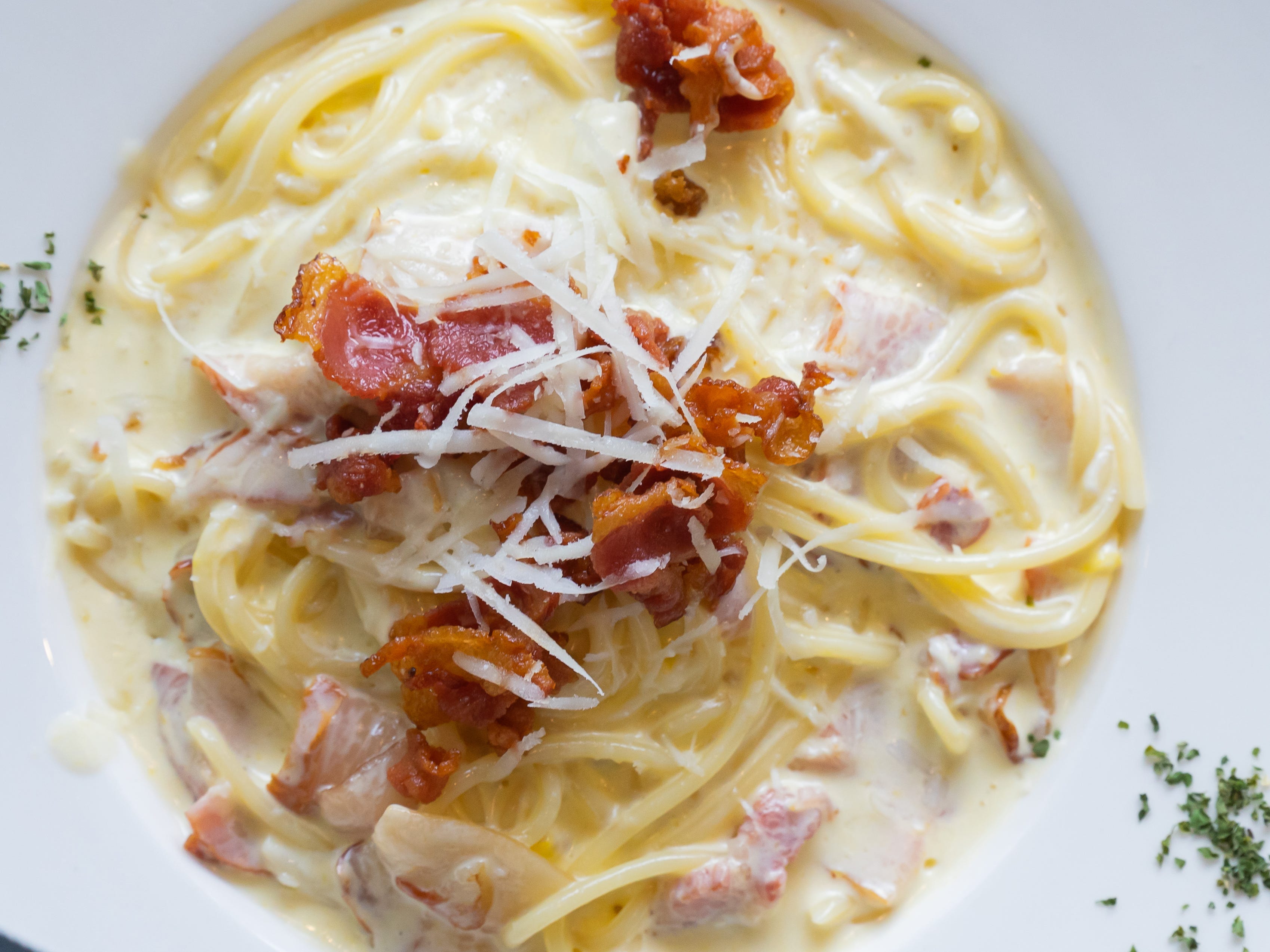
“I’m going to make us spaghetti carbonara for dinner.”
“Dench.”
Dim

“Dim” refers to someone who lacks common knowledge. On the other hand, someone who’s intelligent might be described as “bright.”
“She’s a bit dim.”
Doddle
A “doddle” is an easy task. The word could be a variation of “toddle” — like a young child’s first steps.
“This will be a doddle.”
Dog’s dinner

A “dog’s dinner” is a mess or fiasco. It is also sometimes referred to as a “dog’s breakfast.”
“You’ve made a dog’s dinner of that paint job.”
Faff

To “faff” or “faff about” is to waste time doing very little. “Faff” comes from the 17th-century word “faffle,” which means to flap about in the wind.
“What did you do on your day off from work?”
“We were just faffing about.”
Fit

“Fit” is used to describe someone physically attractive, usually referring to their physique. If you see someone you find attractive, you would call them “fit.”
“He’s fit.”
Flog

To “flog” means to sell something, usually quickly and cheaply.
“Flogging” also refers to whipping a racehorse in order to make it move faster, so there is some speculation into whether you flog goods in order to make them shift faster, too. However, there is no proof for this theory.
“I’m trying to flog my old sofa. Do you know anyone who might be interested?”
Full Monty
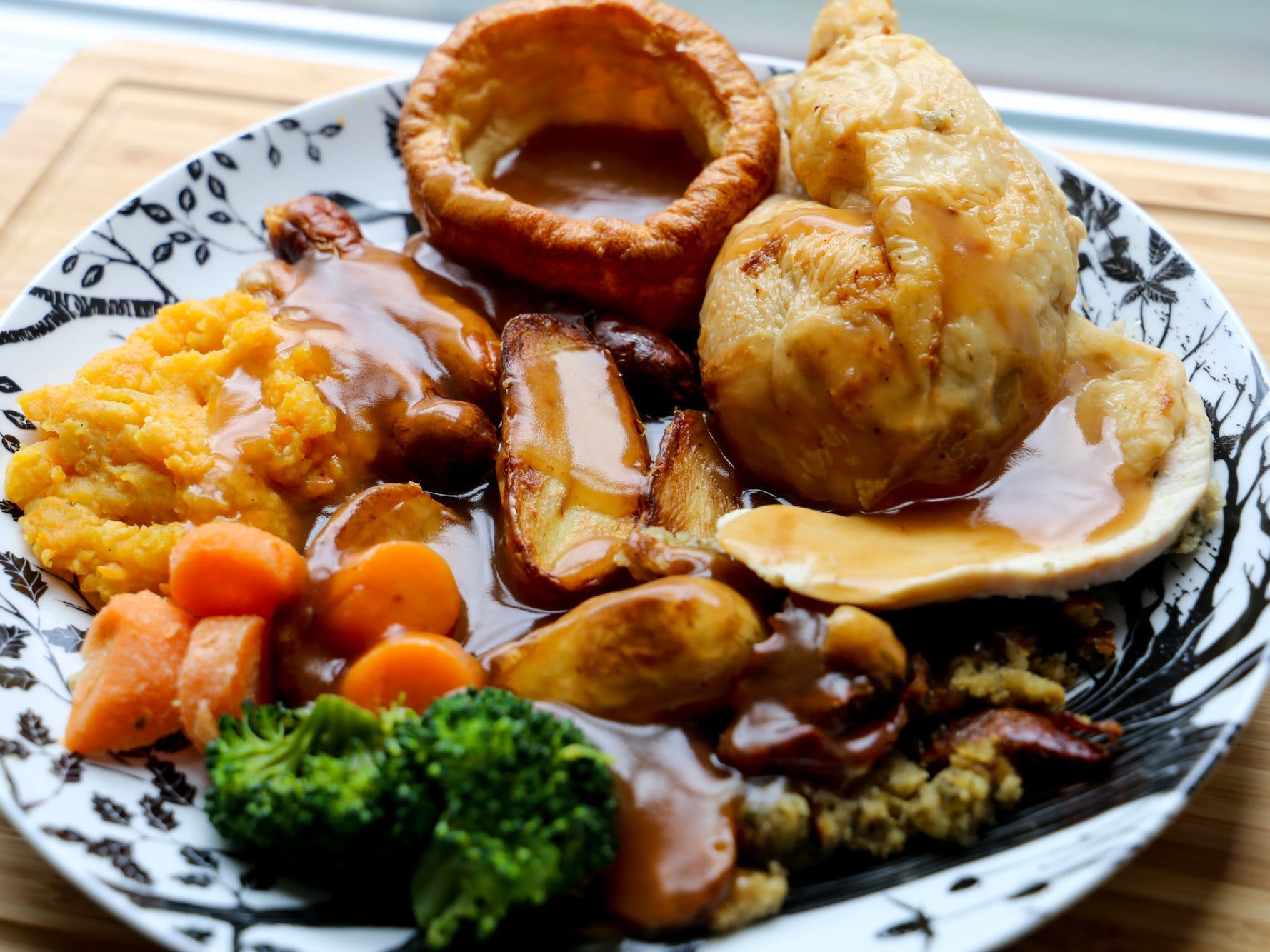
A “full Monty” refers to pursuing something to the absolute limits.
After “The Full Monty” film was released in 1997, there was some international confusion over the phrase, which was taken as a euphemism for stripping. However, “the full Monty” now usually refers to taking something as far as it can go, similar to “the whole nine yards.”
“The full Monty” historically refers to an old tailor called Sir Montague Burton. Going “the full Monty” meant purchasing a full three-piece suit, a shirt, and all of the trimmings.
“Our Christmas dinner had everything from sprouts to Yorkshire puddings. If you’re going to have a roast, have the full Monty!”
Full of beans

“Full of beans” can be used to describe someone who’s energetic, lively, or enthusiastic. This phrase could be a reference to coffee beans, although these claims have been disputed.
“Goodness, you’re full of beans this morning!”
Gaff

“Gaff” is an informal word for “home.” Although the origins of this phrase are largely unknown, a gaff in the 18th century was a music hall or theater, and so it’s believed to derive from this.
“What are you up to this weekend? We’ve got a party at our gaff, if you fancy it?”
Geezer

A “geezer” is a man who could be described as “suave” or “dapper,” and is often suited and booted. Men from east London are also commonly referred to as “geezers,” where the term is more interchangeable with “lad.”
Geezer is thought to stem from the 15th-century “guiser,” which meant a well-dressed person.
“That guy’s got such swagger — he’s a proper geezer.”
Gutted

“Gutted” means devastated or extremely upset. If your favorite football team were to lose, you’d be “gutted.”
“I was absolutely gutted.”
Innit

“Innit” is an abbreviation of “isn’t it,” most commonly used among teenagers and young people. This phrase is used to confirm or agree with something that another person has just said.
“It’s really cold today.”
“Innit.”
Kip

A “kip” is slang for a short sleep or nap. The term is usually used to refer to a nap, but it can also mean a long sleep.
“What a long day. When we get home, I’m going to take a quick kip.”
Leg it

“Leg it” means to make a run for it, run away, or escape. It’s used most commonly when you’re trying to get out of a situation by physically running away.
“That’s when all of the lights came on, and so we legged it.”
Miffed

“Miffed” means slightly irritated or annoyed and possibly derives from the German “muffen,” meaning “to sulk.”
“I was a bit miffed, I can’t lie.”
Mint
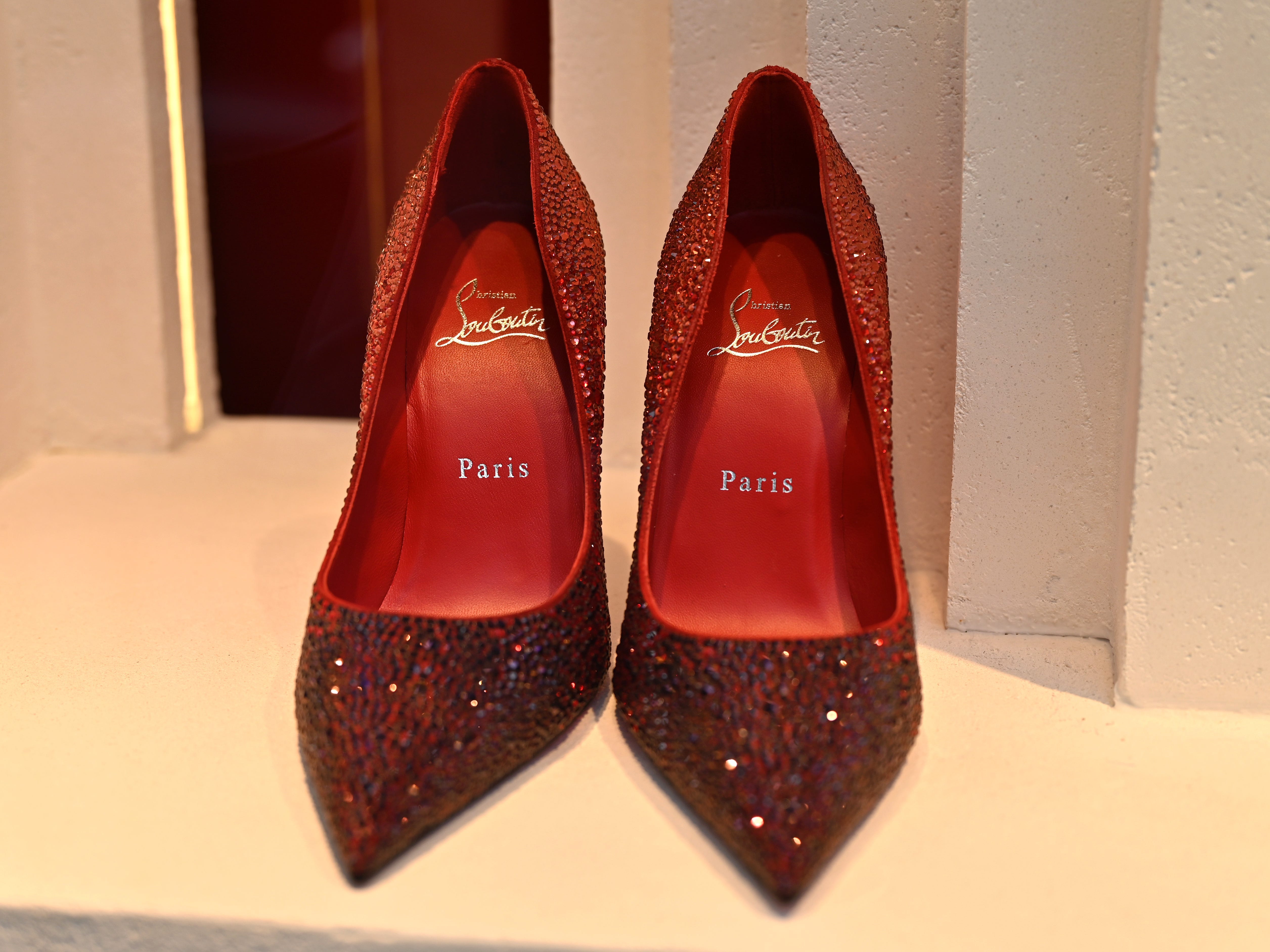
“Mint” might be used when referring to something of the highest caliber. It’s derived from “mint condition,” which refers to something pre-owned that retains its pristine condition — although something that’s just “mint” doesn’t have to be pre-owned.
“Those shoes are mint!”
Mortal
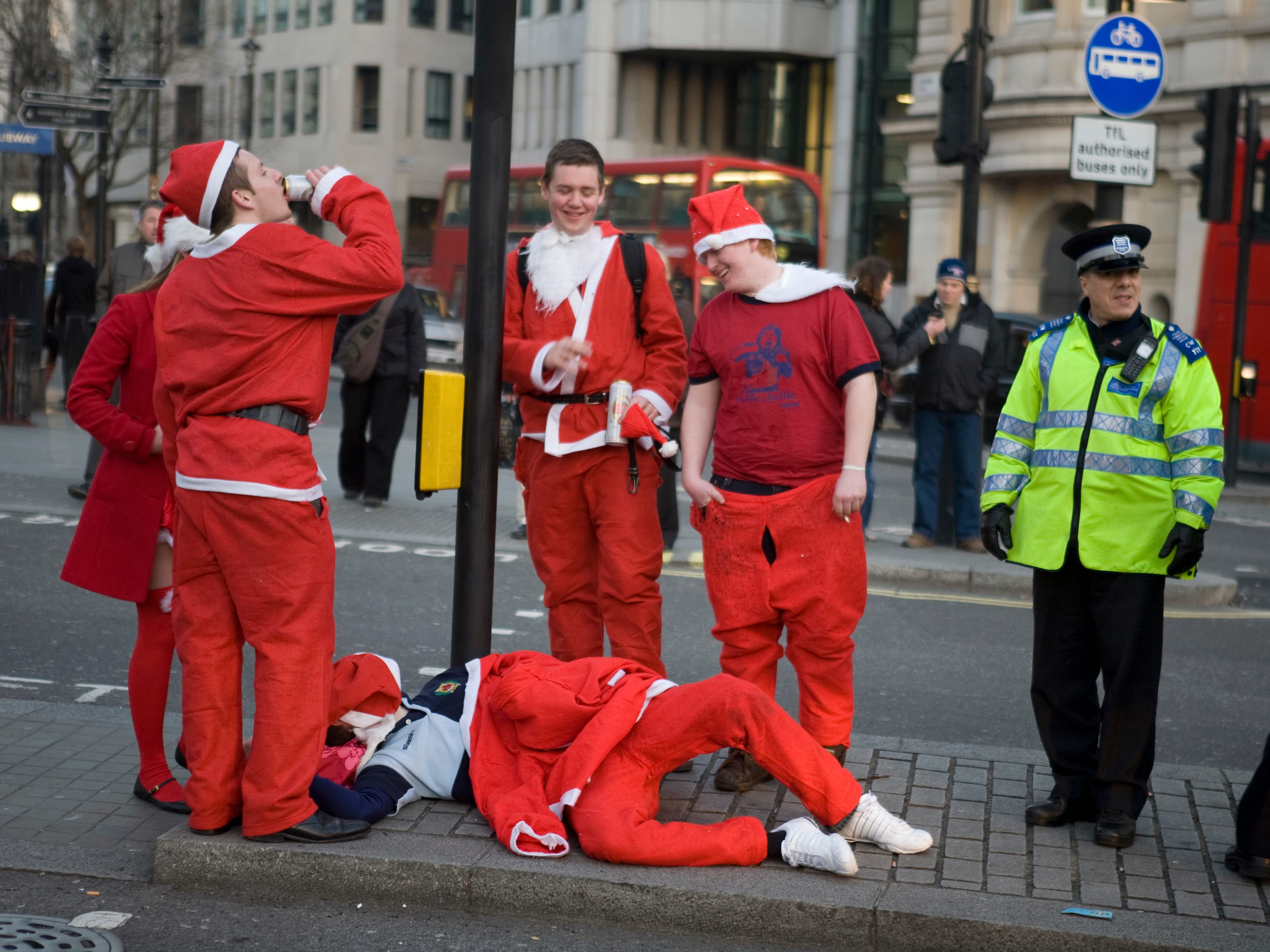
“Mortal” describes someone highly intoxicated or drunk in a sloppy manner. Derived from the Newcastle sociolect, “mortal” gained widespread recognition nationwide in 2011 through the reality TV show “Geordie Shore.”
“Did you see Scott last night? He was mortal.”
Mug
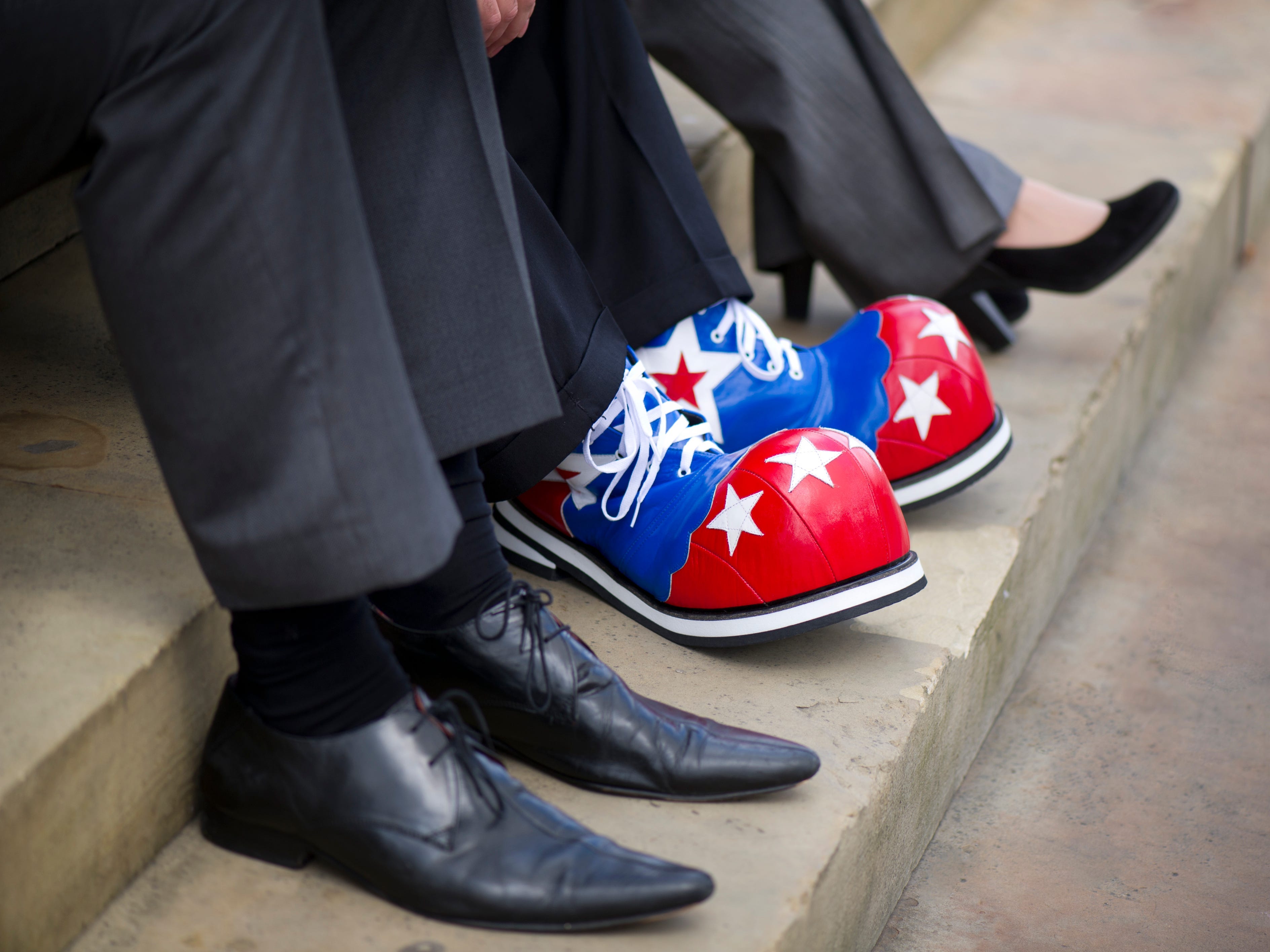
A “mug” is someone who has been made a fool of. “Mug” likely originated in London with Cockney slang. It means a stupid, often gullible, person who is easily taken advantage of.
“You signed that contract? You’re such a mug.”
Mug off

In the same vein, to “mug off” someone is to make a fool of them, usually by deceiving or cheating on them. The phrase is common on the hit British reality show “Love Island.”
“He’s going on a date with Amber? I feel so mugged off right now.”
“You’re mugging me off.”
Nick
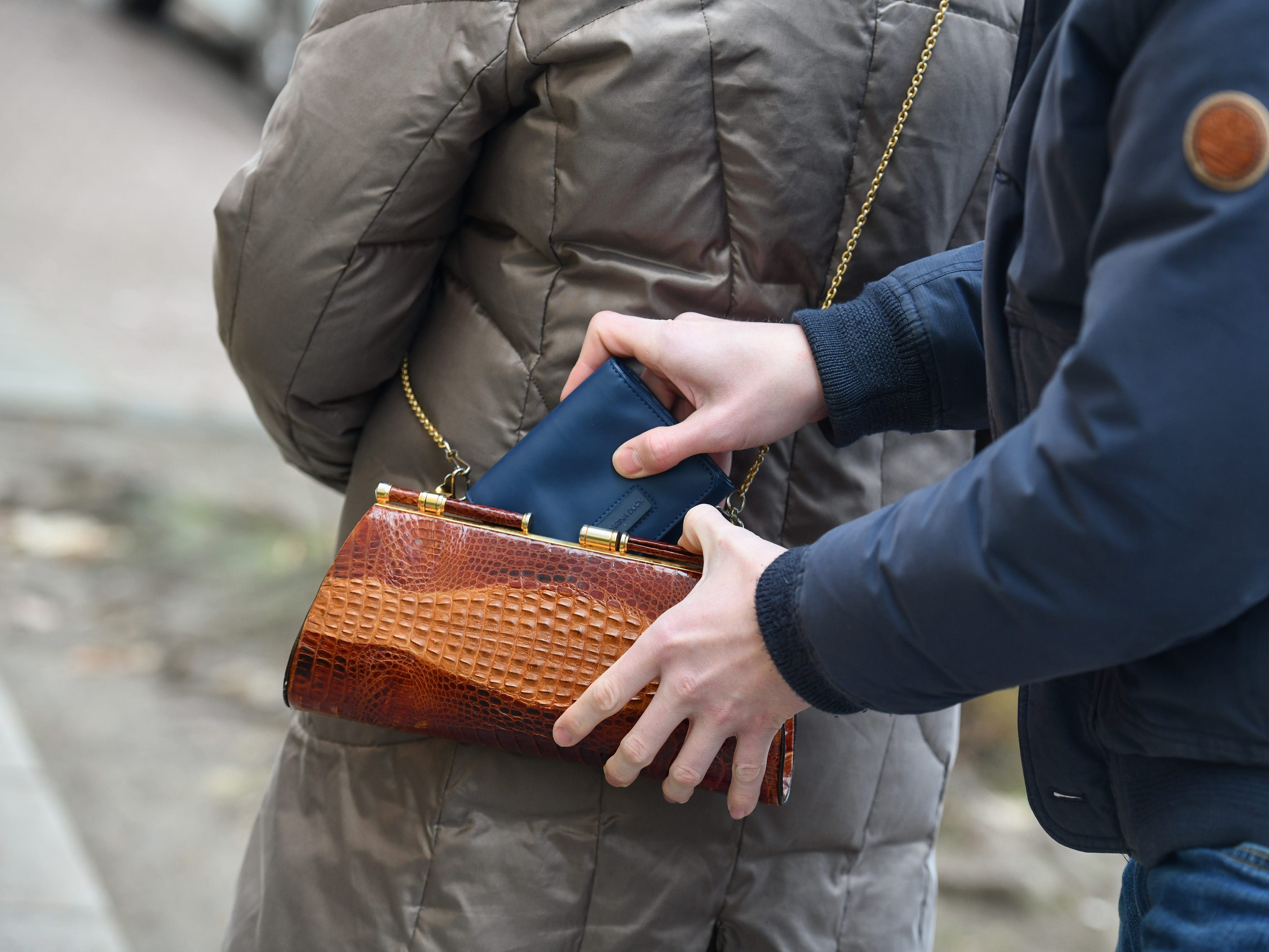
To “nick” something means to steal it. “The Nick” can refer to a prison. The origins of the phrase are largely debated online, however, it’s believed that “to nick” as in to steal influenced the slang term for prison, as being imprisoned is similar to being “stolen” away.
“Did you just nick that?”
“Don’t get caught, or you’ll end up in the Nick!”
On the pull

Someone who’s “on the pull” has gone out, usually on a night out, with the intention of attracting a sexual partner. “Pull” can also be used as a verb. If you’ve “pulled,” you’ve kissed someone.
“You look nice. Are you going on the pull?”
Pants

“Pants” means something is rubbish, trash, or garbage. It’s most often used to say something is unsatisfactory, like “blows” or “reeks,” rather than actual trash.
“That is pants.”
Pea-souper

A “pea-souper” is a thick fog, often with a yellow or black tinge, caused by air pollution. The idiom was first used to describe the thick, choking smog that settled over London as early as 1200 C.E., caused by the widespread burning of fossil fuels in close proximity.
The smogs were compared to pea soup due to their color and density.
“Be careful when you’re driving — it’s a pea-souper out there.”
Pop your clogs
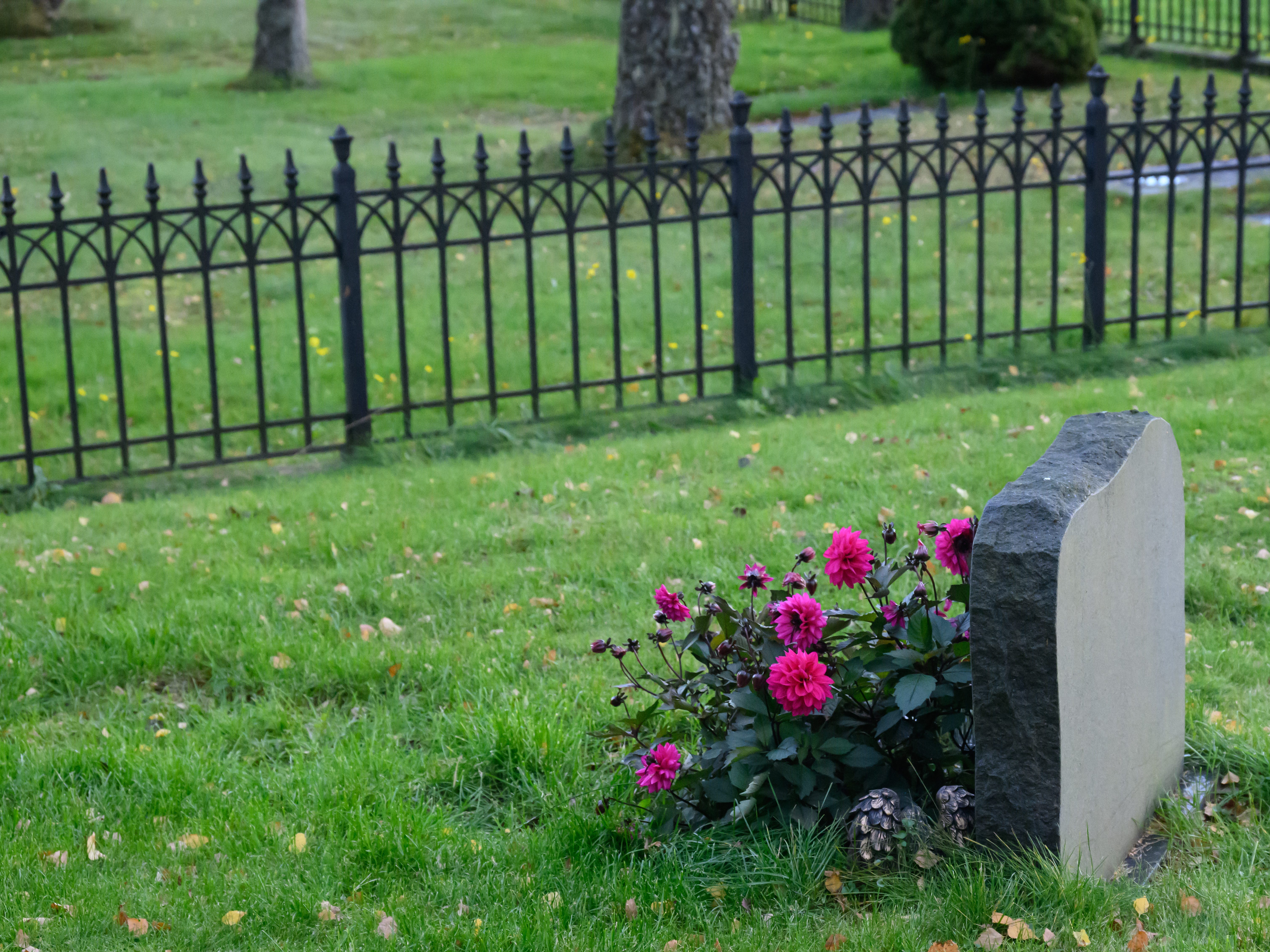
To “pop your clogs” means to die. This cheery phrase is widely believed to originate from Northern factory workers during the Industrial Revolution. When they worked on the factory floor, employees had to wear hard clogs to protect their feet.
The idea is when someone popped or cocked their clogs, the toes of the clogs pointed up in the air as they lay down dead.
“Did you hear what happened to John’s old man? He popped his clogs, didn’t he…”
Poppycock
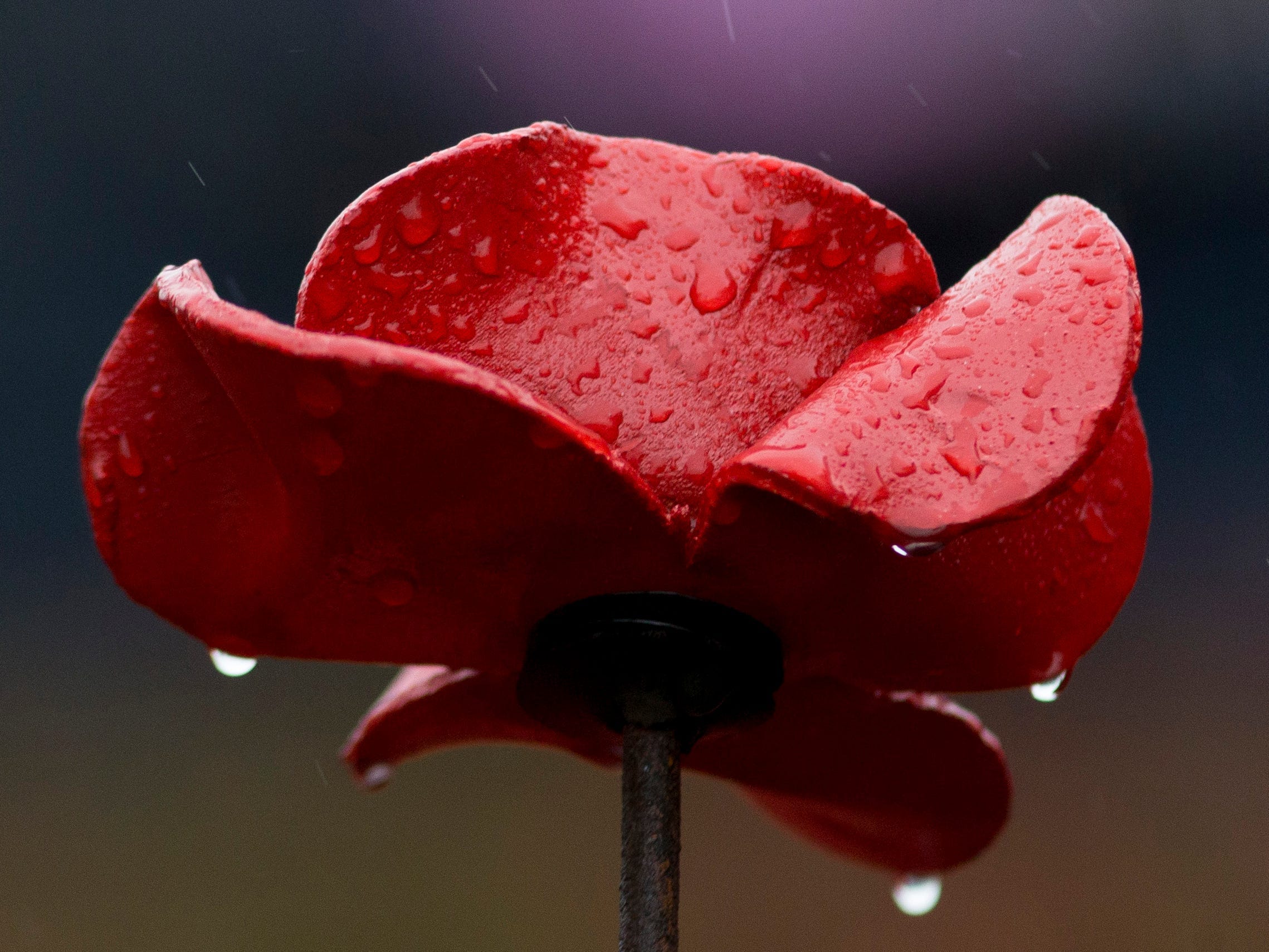
“Poppycock” means something that is nonsense, rubbish, or simply untrue. This quintessentially British idiom does not refer to actual poppies. It derives from the Dutch “pap” and “kak,” which translate as “soft” and “dung.”
“What a load of poppycock!”
Quids in
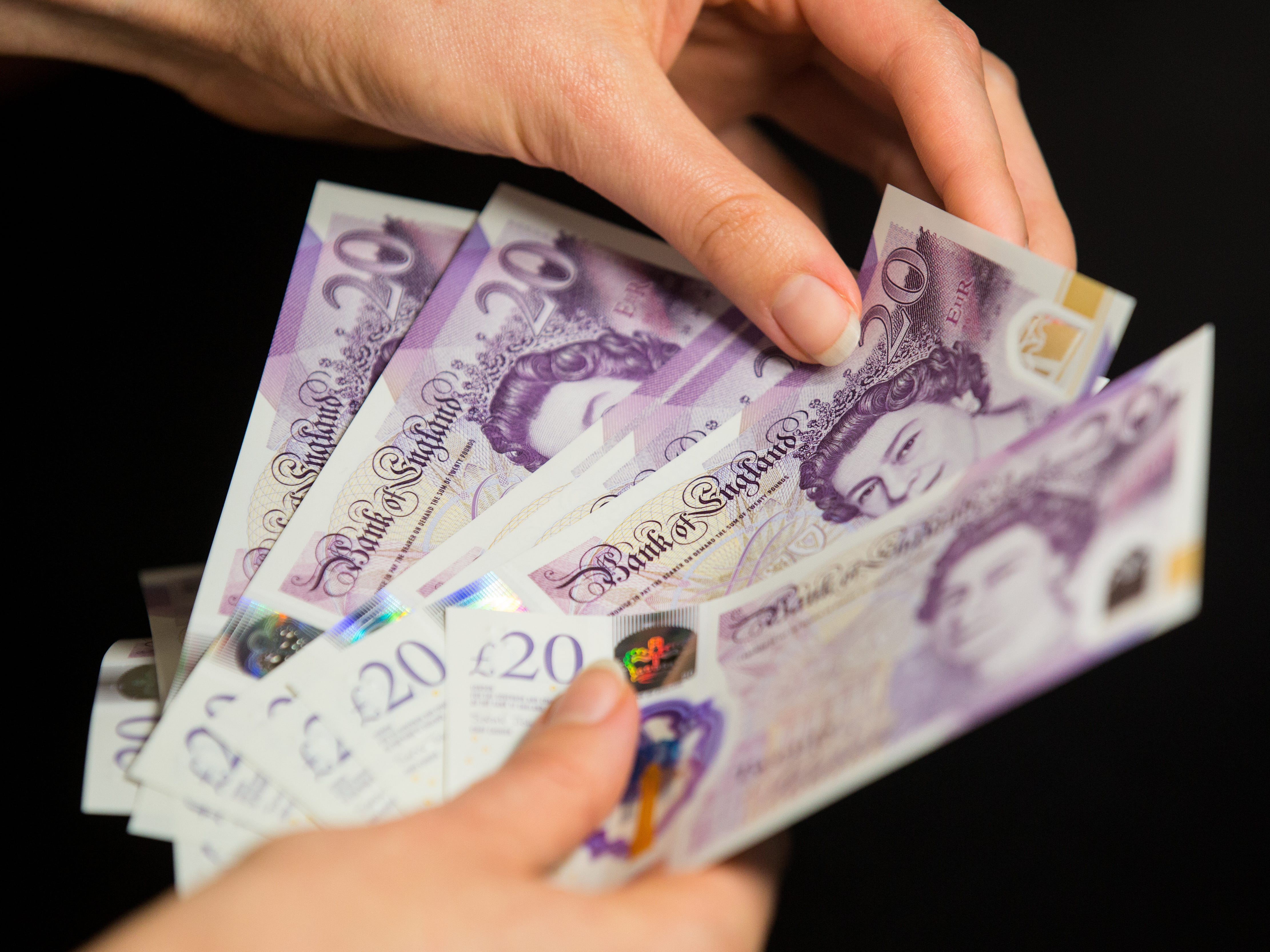
“Quids in” means investing in something, sometimes — but not always — financially. Someone who’s “quids in” has invested in an opportunity that will probably benefit them massively.
“Quid” is British slang for “pounds.” For example, “five quid” means £5.
“If it all works out as planned, he’ll be quids in.”
Shirty

“Shirty” could be used to describe someone who is short-tempered or irritated. The meaning of this slang has been debated at length.
The word “shirt” is derived from the Norse for “short,” hence short-tempered. However, other people believe that “shirty” has connotations of being disheveled.
“Don’t get shirty with me, mister.”
Skew-whiff

“Skew-whiff” means askew. It means literally tilted on one side rather than slightly off or uneasy, as askew can mean in the US.
“Is it just me or is that painting a bit skew-whiff?”
Skive

To “skive” is to avoid work or school, often by pretending to be ill. “Skive” is derived from the French “esquiver,” meaning “to slink away.”
“He skived off school so we could all go to Thorpe Park on a weekday.”
Smarmy

“Smarmy” is used to describe someone who comes across as scheming or untrustworthy.
Although the adjective’s origins remain largely unknown, early documented uses seem to use the word as synonymous with “smear,” further suggesting that someone who is “smarmy” is also “slick” or “slippery.”
“Don’t trust him — he’s a smarmy geezer.”
Take the biscuit
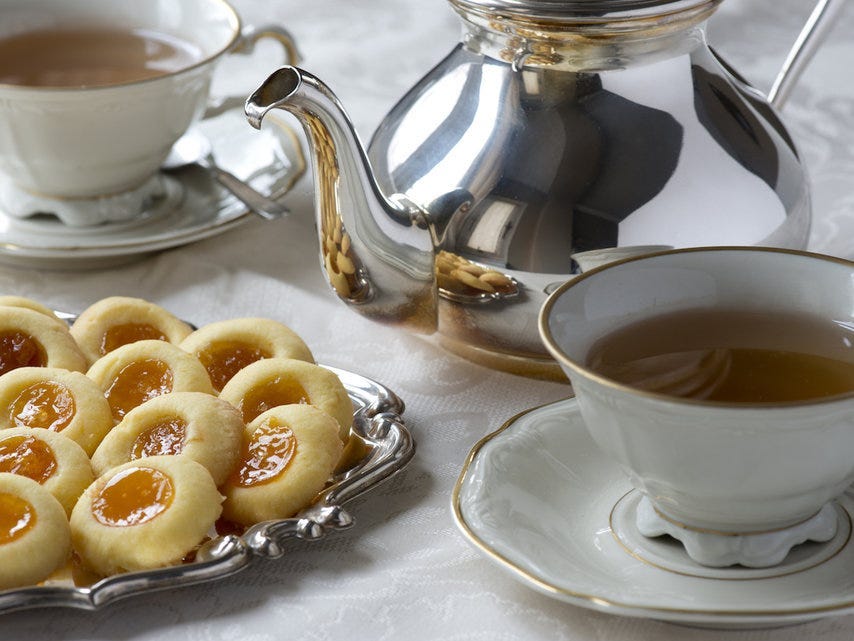
“Take the biscuit” is used similarly to “take the cake” and is the equivalent of taking the nonexistent medal for foolishness or incredulity.
If someone has done something highly irritating or surprising in an exasperating fashion, you might say that they’ve “taken the biscuit.”
“I could just about deal with the dog barking at 5:30 a.m., but the lawnmower at 3 a.m. really takes the biscuit.”
Take the Mickey

To “take the Mickey” means to take liberties at the expense of others. It can be used in both a lighthearted and an irritated fashion.
“Take the Mickey” is an abbreviation of “taking the Mickey Bliss,” which is Cockney rhyming slang for “take the p***.”
“Hey! Don’t take the Mickey.”
Waffle
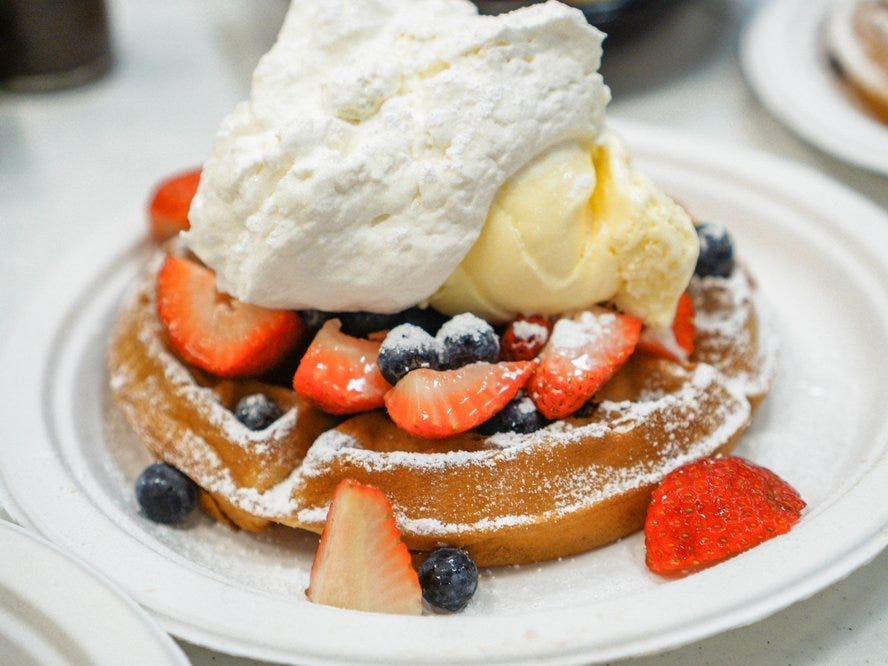
To “waffle” means to talk at length while not getting to the point. When someone makes a great speech while skirting around a subject or saying little of any value, you might say that they’re talking “waffle ” or “waffling.”
In the 17th century, to “waff” meant to yelp, and that quickly evolved to mean to talk foolishly or indecisively.
“I wish he’d stop waffling on.”
“What a load of waffle!”
Wally

A “wally” is someone silly or incompetent. Although its origins are largely debated, the term’s meaning has undergone significant evolution over the last 50 years.
In the 1960s, someone who was unfashionable might be nicknamed a “wally,” Dictionary.com reported.
“Don’t put down a leaking mug on top of the newspaper, you wally!”
Whinge

To “whinge” means to moan, groan, and complain in an irritating or whiny fashion. It is often deemed unnecessary or over-the-top.
“Quit whinging.”
Wind your neck in

“Wind your neck in” means to mind your own business. If you want to tell someone to not concern themselves with issues that don’t directly affect them, you might tell them to “wind their neck in.”
This classic phrase is another way of telling someone that their opinion is not appreciated in the given scenario.
“Wind your neck in and stop being so nosy!”
Zonked

“Zonked” means exhausted or tired. It can also refer to someone already asleep or under the influence of drugs or alcohol.
“I was going to go out tonight, but when I finished work, I was absolutely zonked.”
“When I got home, he was already zonked.”
Editor’s note: An earlier version of this story was written by Bobbie Edsor and first published in 2017. It was most recently updated in December 2025.
Read the original article on Business Insider
The post 60 British slang words that will confuse anybody who didn’t grow up in the UK appeared first on Business Insider.