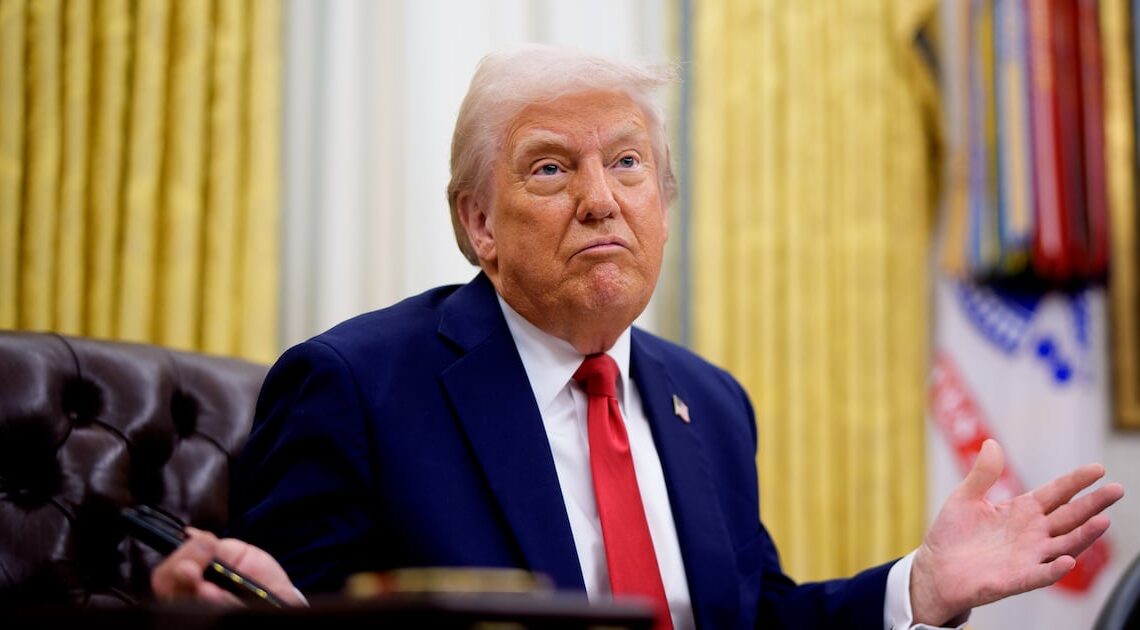
A narrow Republican win in a deep-red district has turned what should have been a routine special election into a political siren, according to two prominent pollsters.
A race the GOP typically carries by more than 20 points tightened to single digits last month, underscoring how the president’s record-low approval rating and voter frustration over affordability are reverberating through even what was thought to be the safest terrain.
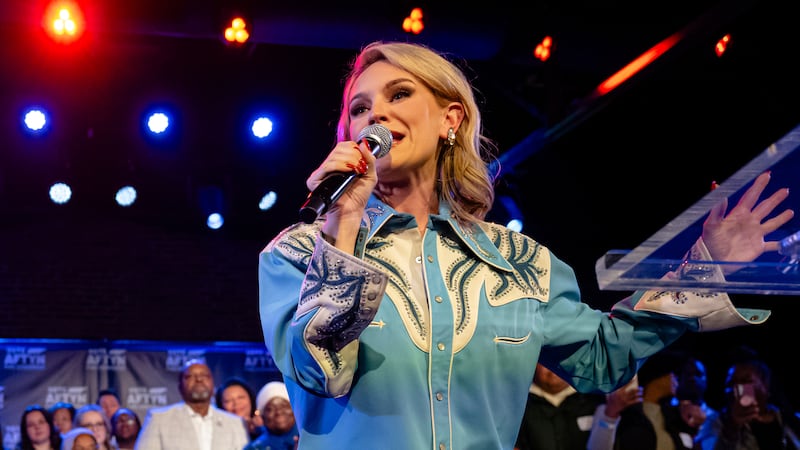
While Matt Van Epps, a Trump-endorsed Army veteran and former state commissioner, defeated Democratic State Representative Aftyn Behn in Tennessee’s 7th Congressional District, it was a little too close for comfort, according to Democratic pollsters Douglas E. Schoen and Carly Cooperman.
The pair argues that the Tennessee contest reveals a broader structural problem. “If ever there was a ‘bad win’ in politics, it was Republicans’ victory in last Tuesday’s special House election in Tennessee’s 7th district,” they wrote in a piece for The Hill.

In their view, President Donald Trump’s weakened standing—and voter discontent with his message on affordability—are eroding the foundation of the Republican coalition ahead of the midterms.
Trump’s attempts to allay any fears are akin to “putting lipstick on a pig,” Schoen and Cooperman argue, nodding to the nine-point margin in a district Trump carried by 22 points. They write that a progressive Democrat’s close finish “should set off alarm bells for the GOP.” They note that Republican groups spent more than $3 million to hold the seat, yet every county shifted left.
The pair cite Trump’s approval rating—43 percent and 11 points underwater, per RealClearPolitics—and warn that the decline is particularly steep among independents. Gallup data shows a 21-point slide with that bloc since January, leaving the president at 25 percent.
“No get-out-the-vote effort will make up that deficit,” they argue, if independents continue peeling away over the cost of living.
They also highlight Democrats’ five-point generic ballot lead and an average 15-point pro-Democratic swing across six special elections this year—numbers that The Wall Street Journal Editorial Board noted could translate to a Democratic gain of more than 40 House seats.
Economic perceptions, they say, remain Trump’s most stubborn vulnerability. Just 40 percent approve of his handling of the economy and 35 percent back him on inflation. Even among Trump voters, 71 percent told Politico they are worried about the cost of living.
The president, however, continues to insist that affordability concerns are a “Democrat scam” and claims his administration “stopped inflation in its tracks,” despite CBS News finding that 60 percent of voters think he portrays prices as better than they are.
Schoen and Cooperman argue that if Republican candidates cannot distance themselves from Trump on tariffs and pocketbook issues, they risk being “hobbled in swing districts.” Democrats, meanwhile, are benefiting by acknowledging voter frustration and tying GOP hopefuls directly to the president’s record.
A near-loss in one of the country’s safest Republican seats, they warn, should erase any illusions about the stakes: If Trump cannot reverse his trajectory on affordability, voters may simply decide to hand the House back to Democrats.
The post Republicans Are in Even Worse Place Than They Know: Poll Gurus appeared first on The Daily Beast.