A booming holiday shopping weekend may have offered a brief economic high, but retail giants are warning consumers the Trump administration’s sweeping tariffs will soon hit their pockets.
Those warnings undercut the White House’s victory lap over record Thanksgiving-weekend spending, which officials have trumpeted as proof that President Donald Trump’s trade war hasn’t bruised shoppers. But the insulation that kept prices in check through the fall was temporary, economists say, and retailers are now nearing the end of the inventory they locked in before tariffs spiked. Once that cushion disappears, they say, shock will follow.
Joseph Feldman, a senior managing director at Telsey Advisory Group, told Politico that retailers managed to shield consumers through the holiday season, but “in the first half of next year, we are concerned that consumers are going to start to see the price increases become a little more broad-based.” Without seasonal promotions, he warned, the impact could hit as soon as January.
Major retailers—including Kohl’s, Abercrombie, Williams-Sonoma and Under Armour—have already alerted investors that higher prices may begin rolling out in late December or January. Economists say that could create a post-holiday economic hangover for an administration already struggling to sell voters on its handling of cost-of-living concerns.
The political backdrop has intensified the anxiety. Democrats have hammered affordability as their core message heading into the midterms, while Republicans privately fret that rising prices could further alienate voters already skeptical of Trump’s economic stewardship.
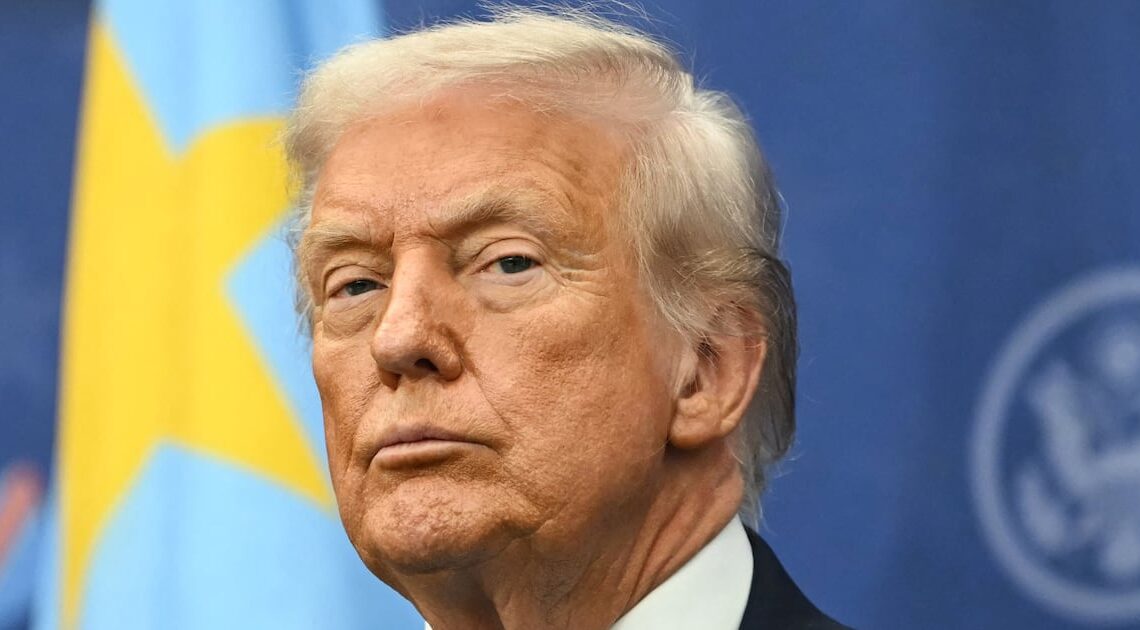
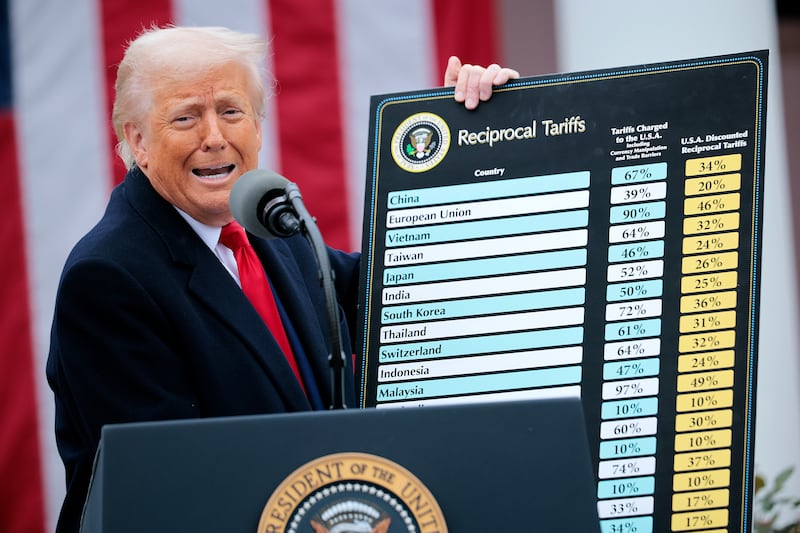
Since returning to the White House, Trump has imposed tariffs covering nearly all imported goods, pushing the average U.S. tariff rate to about 16.8 percent—a high not seen since the 1930s. Additional sector-specific tariffs have driven up costs for materials like steel, aluminum, copper and lumber.
Publicly, administration officials have brushed off warnings. U.S. Trade Representative Jamieson Greer told Politico that concerns about affordability stem from issues unrelated to trade, saying, “People are worried about housing, they’re worried about health care—things we don’t import.” Tariffs, he insisted, aren’t what’s driving prices.
Retailers say otherwise. An October analysis by Goldman Sachs found that companies are passing on only about half the cost of higher tariffs to consumers. Executives described quietly offsetting expenses by cutting costs elsewhere, shifting sourcing and spreading price increases across product lines. Large retailers have absorbed substantial hits to keep shelves competitively priced—a luxury smaller businesses don’t have.
The administration has pursued select price-cutting measures, including eliminating tariffs on thousands of agricultural products not grown domestically and pushing major drugmakers to lower prices. And consumers do continue to spend: The National Retail Federation reported a record 202.9 million holiday shoppers, and Bank of America data shows credit and debit card use rising through October.
Trump advisers have seized on those numbers. Kevin Hassett, director of the National Economic Council, told CBS’ “Face the Nation” on Sunday: “We’re really optimistic, and we think that the good news around Thanksgiving is a sign of something that’s even stronger to come.”
Still, the Federal Reserve has reported softening overall consumer spending, even as luxury sales hold up—a split that underscores how fragile the administration’s messaging is. Inflation remains above the Fed’s 2 percent target, though not as high as some early predictions, giving the White House something to cling to as it insists economists exaggerated the tariff fallout.
The Daily Beast reached out to the White House for comment.
The post Execs Have Grim Warning for Consumers About Looming Trump Price Hikes appeared first on The Daily Beast.